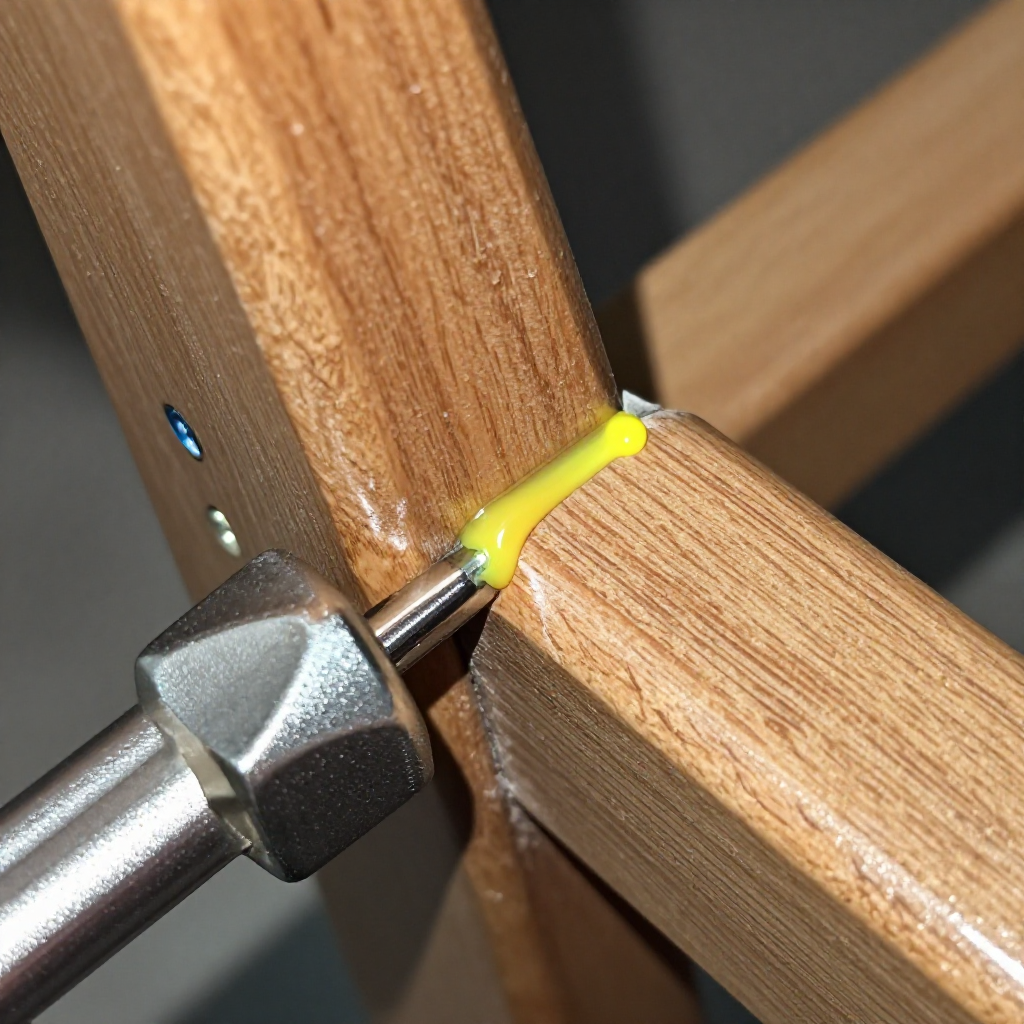
STUCKFIX
handymanDIY Friendly
chair

Wooden Chair Leg Loose and Wobbly at the Joint

A chair leg that rocks at the joint makes the seat unsafe and worsens every time you sit. Reglue and clamp it properly so the joint is stronger than new.

Category:Furniture
Difficulty:Easy
Time:30 minutes
Success:50%
Updated:May 22, 2026

quick_referenceQuick Answer

For Wooden Chair Leg Loose and Wobbly at the Joint, start with "Pull the leg out completely and clean the old glue": Turn the chair upside down. Wiggle the loose leg until it comes free — it should pull straight out with some effort. If it's still partially glued, use a rubber mallet to tap it loose. Scrape every bit of old dried glue off the tenon and out of the mortise with a chisel or sandpaper. New glue won't bond to old glue, and a half-cleaned joint will just fail again. Stop DIY if the tenon is cracked, split, or broken off inside the mortise — extracting a broken tenon while preserving the mortise is advanced woodworking. This is listed as a easy recovery and usually takes about 30 minutes.

verifiedGuide Snapshot

Repair areaFurniture
Estimated time30 minutes
DifficultyEasy
Stop conditions4

Last updated May 22, 2026. Review the stop conditions before continuing.

account_treeRecovery State

DeviceChair
Current stateLoose Leg
Specific stateGlue Joint Failure
Failed stepSitting Down
Likely failure typeWorn Part
DIY boundaryDIY recovery first
paymentsCost decision

help1. Understand the Problem

Chair legs loosen at the joint when wood glue dries out and cracks over years of lateral stress from sitting and scooting. The tenon (the peg end of the leg) is still intact — it's the dried-out glue that failed. If you keep using the chair wobbly, the tenon will oval out the mortise hole and then you're doing real woodworking instead of a simple reglue.

build_circle2. Try This First
Best First Step
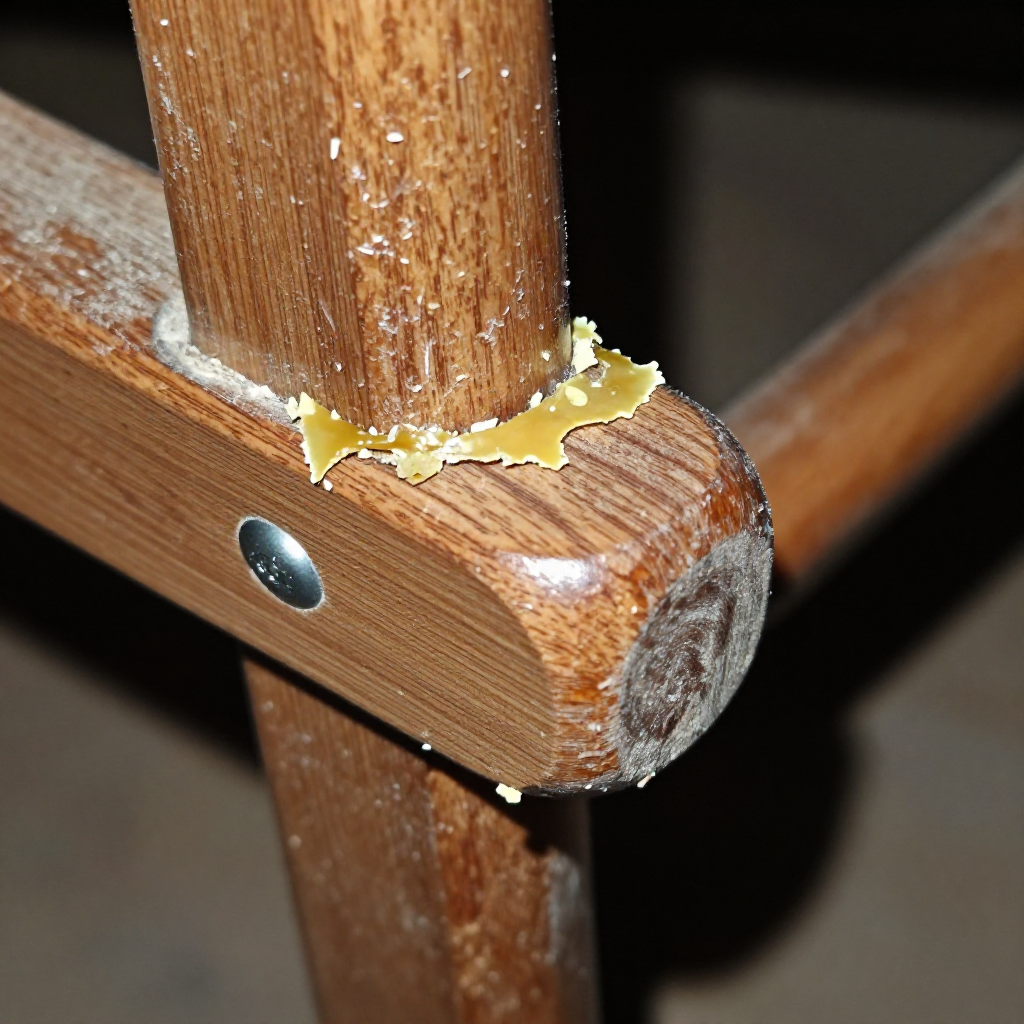
Pull the leg out completely and clean the old glue

Pull the leg out completely and clean the old glue

Turn the chair upside down. Wiggle the loose leg until it comes free — it should pull straight out with some effort. If it's still partially glued, use a rubber mallet to tap it loose. Scrape every bit of old dried glue off the tenon and out of the mortise with a chisel or sandpaper. New glue won't bond to old glue, and a half-cleaned joint will just fail again.

visibility3. Visual Guidance

See what's happening and how to try the first recovery step.
1
Apply wood glue to both surfaces
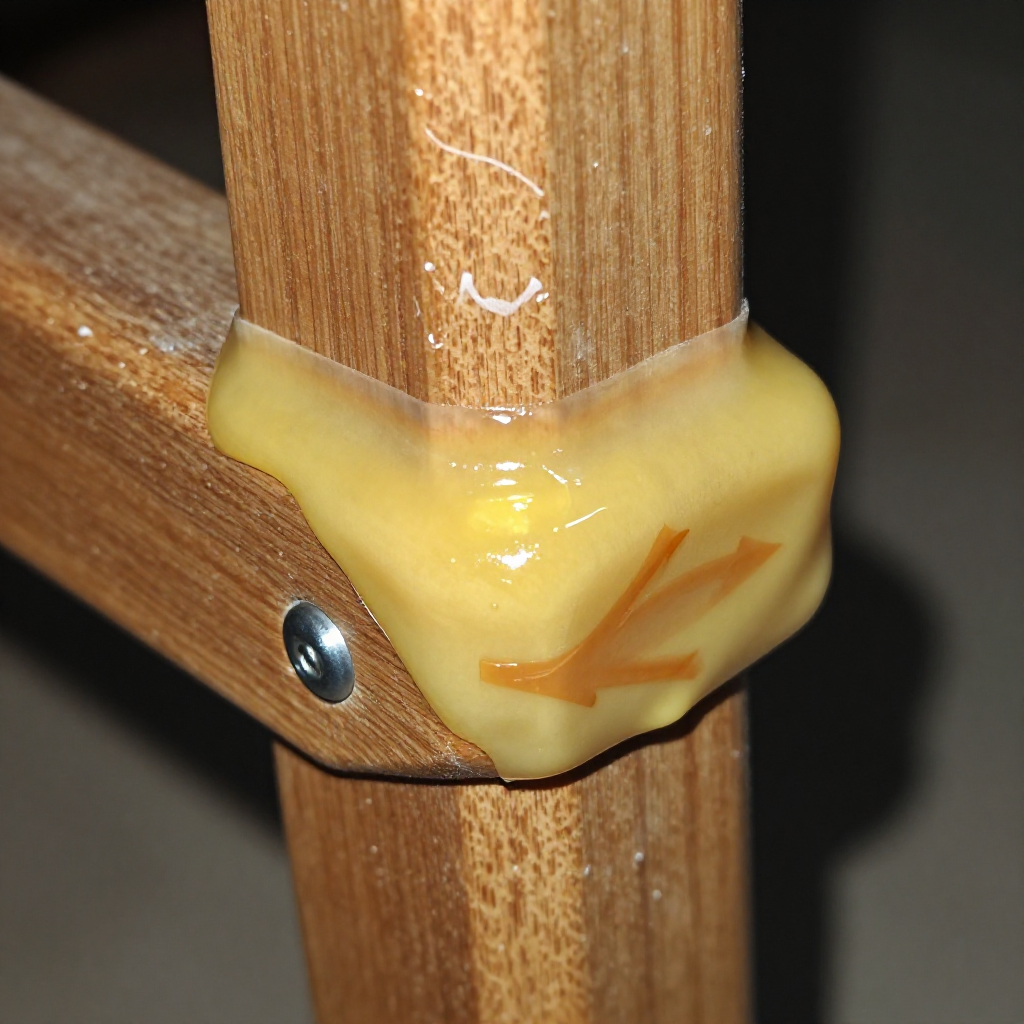
Apply wood glue to both surfacesBrush a thin, even layer of PVA wood glue onto the tenon and into the mortise hole. Don't overdo it — too much glue squeezes out and makes a mess, too little means a weak bond. Wood glue has a 5-10 minute open time, so don't rush but don't let it skin over before assembly.
2
Clamp the joint tight and let it cure
Clamp the joint tight and let it curePush the leg firmly into the mortise. Place a bar clamp or pipe clamp across the leg and opposite side of the chair frame. Tighten until glue squeezes out of the joint — that's proof you have full coverage. Wipe the squeeze-out with a damp rag. Leave the clamp on for at least 2 hours, preferably overnight.
3
Reinforce with a corner block if it's a dining chair
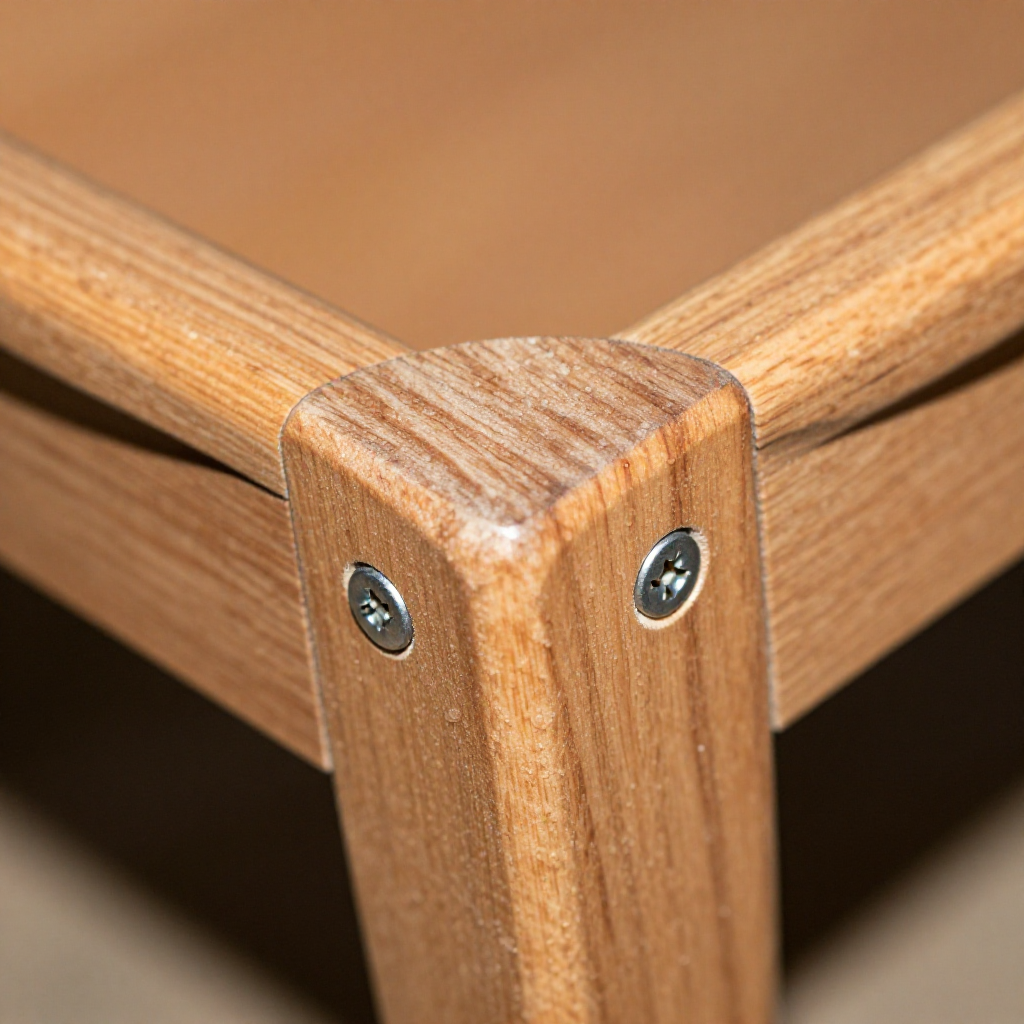
Reinforce with a corner block if it's a dining chairMany kitchen and dining chairs have triangular corner blocks inside the frame screwed to both the leg and the seat rail. Check if yours has one. If the screws are loose, remove them, add glue to the block, and drive the screws back in while the leg joint is clamped. This adds structural support the glue alone won't provide.

autorenew4. If That Doesn't Work

Try the next recovery options.

science
Use epoxy for a loose-fitting tenonIf the tenon fits loosely in the mortise (the hole has widened), wood glue won't fill the gap. Mix a small batch of two-part epoxy, coat the tenon, and clamp. Epoxy fills gaps and bonds stronger than wood glue on sloppy joints.
chevron_right
carpenter
Shim the tenon with a thin wood wedgeIf the tenon wobbles in the hole, glue a thin wood shim or veneer strip to one side of the tenon, let it dry, then trim it flush. The shimmed tenon should fit snug. Then glue and clamp as normal.
chevron_right
hardware
Replace a corner block if it's cracked or missingA missing or cracked corner block means the leg has no lateral support. Hardware stores sell universal corner braces. Screw a new one in after the glue joint cures.
chevron_right

Frequently Asked Questions

What's the best glue for fixing a wobbly chair leg?expand_more
Titebond Original or any PVA wood glue for tight joints. If the tenon is loose in the mortise, use two-part epoxy instead — it fills gaps that wood glue can't bridge.
Can I fix a chair leg without taking it apart?expand_more
Gluing from the outside without removing the leg won't last. You need to get glue on the tenon surfaces, not just around the visible joint. Take the leg out, clean it, glue it, and clamp it.
How long should I wait before sitting on a reglued chair?expand_more
Two hours minimum for the glue to set enough that the clamp can come off. Wait 24 hours before anyone sits on it. Full cure takes a day — sitting early is how you do the same repair twice.
Can I use screws instead of glue to fix the leg?expand_more
Screws through the seat frame into the leg end grain will eventually strip out under sideways force. Glue distributes the load across the whole joint surface. If you must add screws, put them through a corner block, not into end grain.

warning5. Stop DIY If

Don't continue if any of these apply.

reportThe tenon is cracked, split, or broken off inside the mortise — extracting a broken tenon while preserving the mortise is advanced woodworking.
reportThe chair is an antique or has significant value — improper gluing can devalue it. Take it to a furniture restoration specialist.
reportMultiple legs are loose and the frame is racked out of square — the chair's structure is compromised and clamping one joint won't fix the geometry.
reportThe wood around the mortise is cracked or splintered — the joint has failed structurally and needs a new rail, not just glue.
Still stuck?Get personalized help with AI Recovery.

Related Recovery Problems

View all arrow_forward

Same Device Recovery States

Device index arrow_forward

Similar Failure Pattern

This page provides general DIY guidance.
If you're unsure, it's always best to consult a professional.