STUCKFIX
handymanDIY Friendly
anchor

Drywall Anchor Ripped Out Leaving a Crater? Fix It So It Holds

A yanked-out drywall anchor leaves a blown-out hole that new anchors can't grip. Patch it right the first time so whatever you're hanging stays on the wall.

Category:Hardware
Difficulty:Easy
Time:15-20 min
Success:50%
Updated:May 22, 2026

quick_referenceQuick Answer

For Drywall Anchor Ripped Out Leaving a Crater? Fix It So It Holds, start with "Clean out the crater and check for a stud before you patch anything": Stop trying to stuff a bigger anchor in the same blown-out hole — it'll just chew more drywall. Take a utility knife and trim the ragged paper edges around the crater back to solid gypsum. Probe the hole with a bent wire or stud finder — if there's a stud within 1-2 inches of the hole's edge, you can skip the patch entirely and drive a wood screw directly into the stud. If not, the hole needs to be filled and re-anchored with the right hardware for the load. Stop DIY if the hole exposes electrical wiring or a plumbing pipe inside the wall cavity — stop and figure out what you're dealing with before drilling or screwing further. This is listed as a easy recovery and usually takes about 15-20 min.

verifiedGuide Snapshot

Repair areaHardware
Estimated time15-20 min
DifficultyEasy
Stop conditions4

Last updated May 22, 2026. Review the stop conditions before continuing.

account_treeRecovery State

DeviceDrywall
Current stateAnchor Pulled Out
Specific stateCrater Hole No Grip
Failed stepAnchor Placement
Likely failure typeWorn Part
DIY boundaryDIY recovery first
paymentsCost decision

help1. Understand the Problem

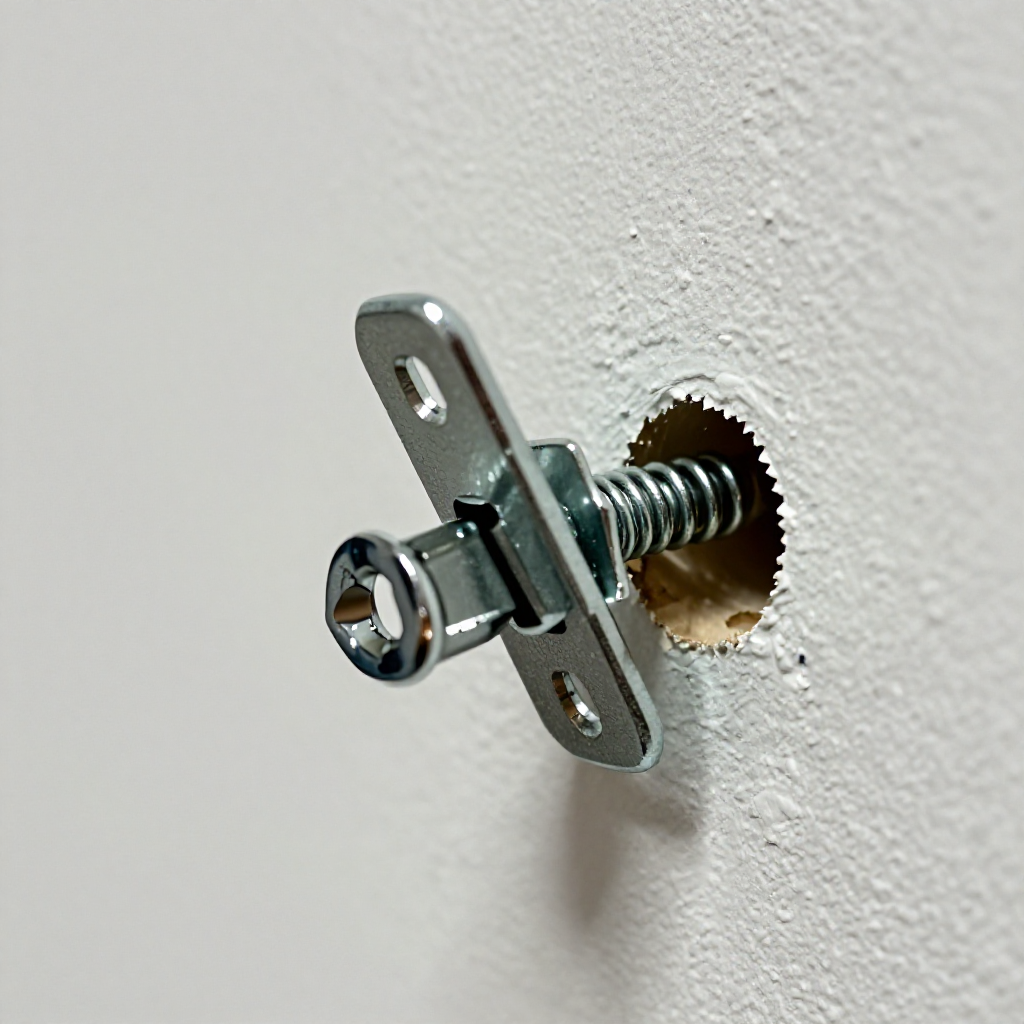
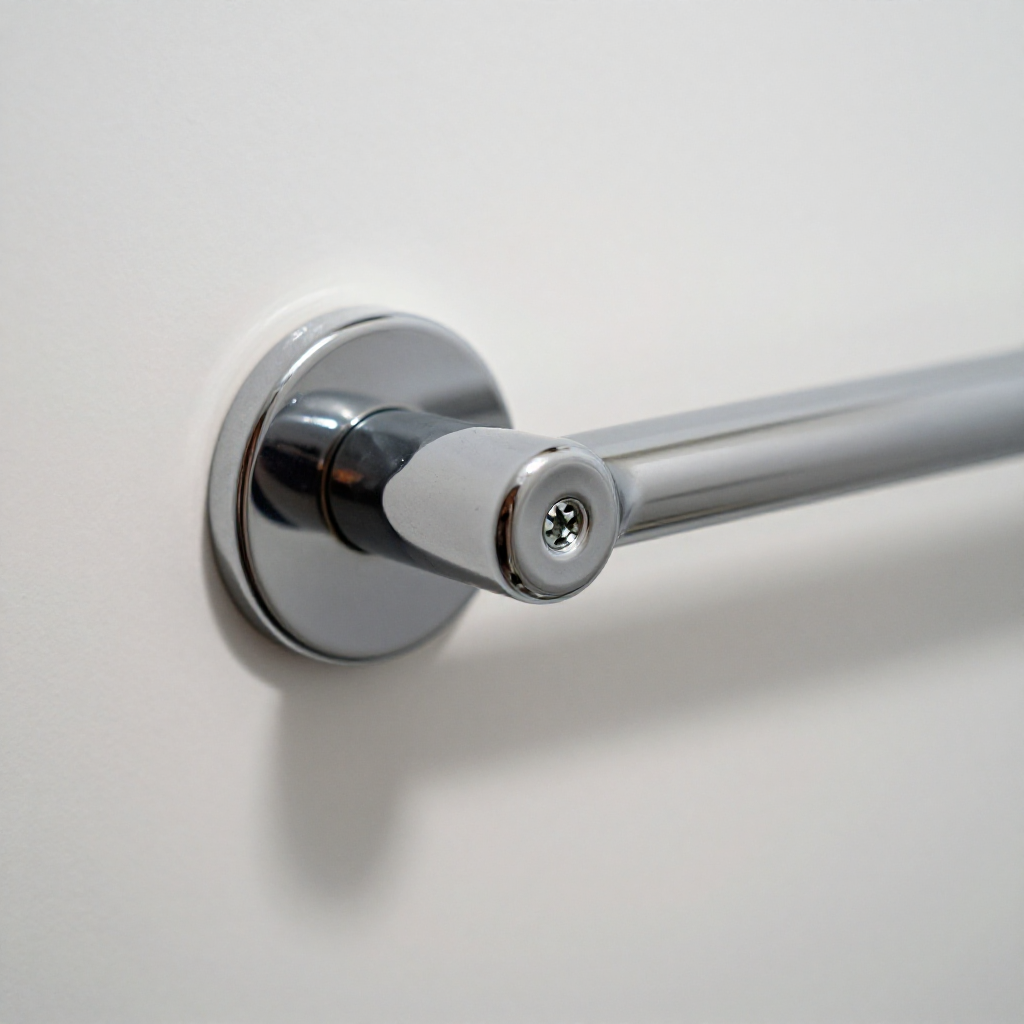
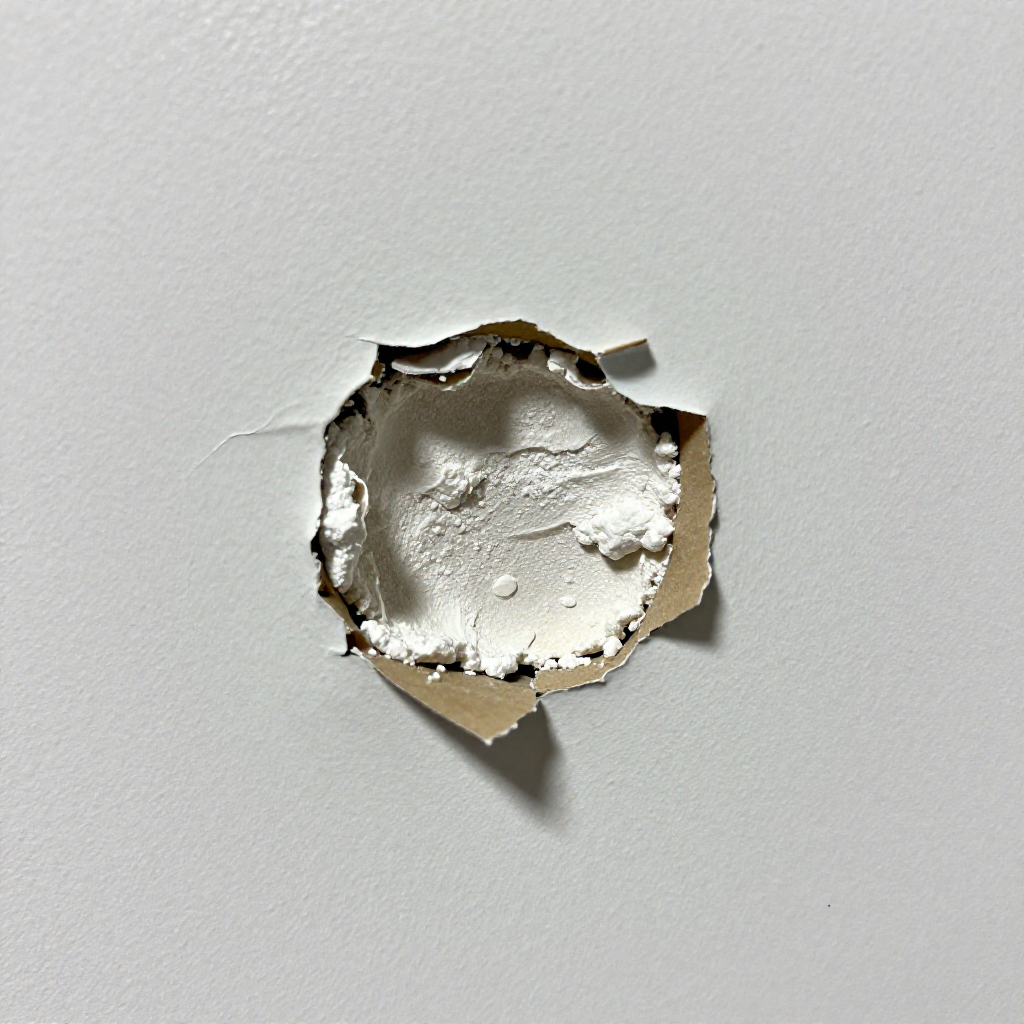
Drywall anchors fail when the load exceeds what the gypsum around them can hold — usually from a towel bar getting leaned on, a shelf overloaded, or a door that swings into a coat hook. Once the anchor pulls through, you're left with a cratered hole where the drywall face paper and gypsum core are both blown out. A new anchor in the same spot will just fall through. You need to either rebuild the hole or move the anchor point.

build_circle2. Try This First
Best First Step
Clean out the crater and check for a stud before you patch anything

Clean out the crater and check for a stud before you patch anything

Stop trying to stuff a bigger anchor in the same blown-out hole — it'll just chew more drywall. Take a utility knife and trim the ragged paper edges around the crater back to solid gypsum. Probe the hole with a bent wire or stud finder — if there's a stud within 1-2 inches of the hole's edge, you can skip the patch entirely and drive a wood screw directly into the stud. If not, the hole needs to be filled and re-anchored with the right hardware for the load.

visibility3. Visual Guidance

See what's happening and how to try the first recovery step.
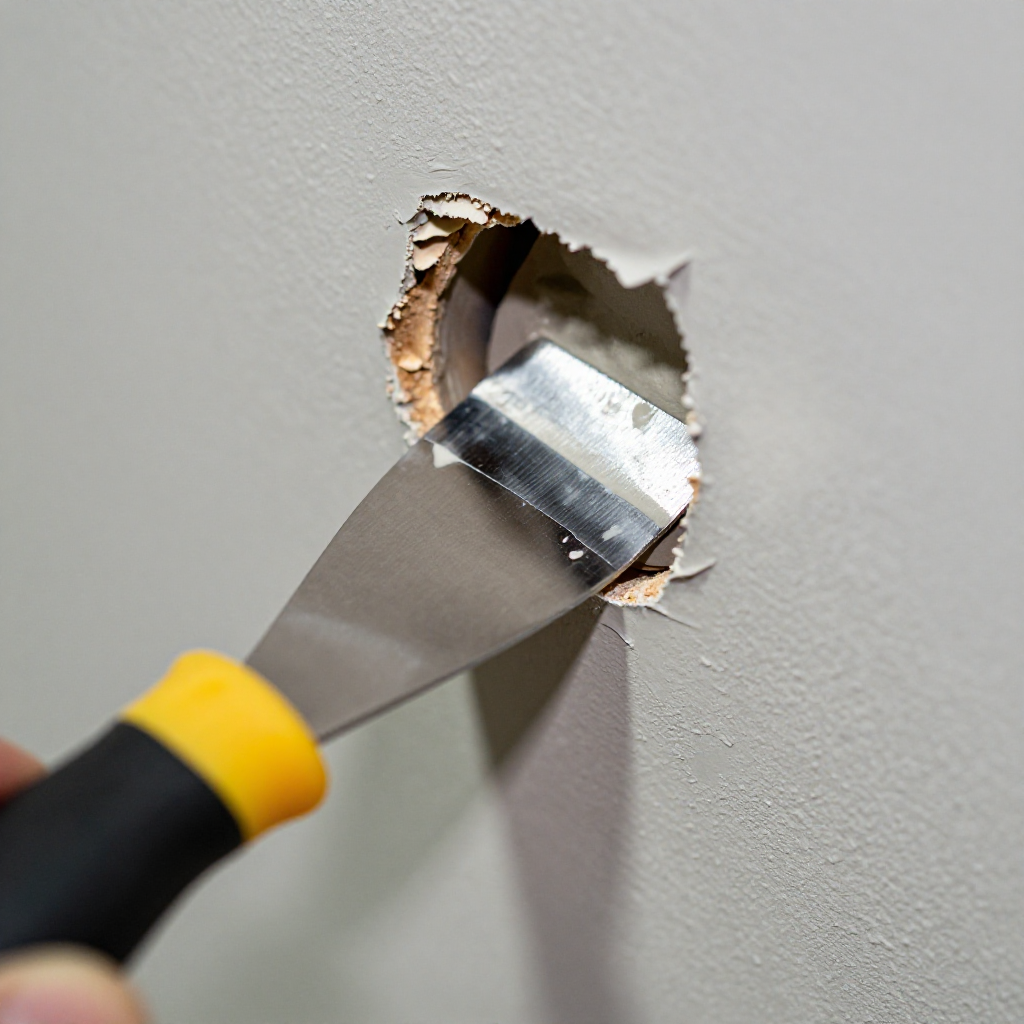
1
Fill the hole with setting-type joint compound
Fill the hole with setting-type joint compoundUse a setting-type compound like Durabond or Easy Sand — it cures chemically, doesn't shrink like premixed spackle, and hardens enough to hold an anchor. Mix it stiff (peanut butter consistency), pack it into the hole with a 3-inch putty knife, and press it through to the back of the drywall so it mushrooms behind the hole. Scrape flush with the wall surface and let it cure fully — at least 90 minutes for 20-minute mud in a deep fill.
2
Sand and install a toggle bolt or snap-toggle anchor
Sand and install a toggle bolt or snap-toggle anchorOnce the patch is fully hardened, sand it flat with 120-grit. Drill a new pilot hole through the patched area. Do NOT use a plastic expansion anchor again — they rely on the gypsum compressing, which is what failed last time. Use a metal toggle bolt or snap-toggle that spreads the load behind the drywall onto the back face. For towel bars and grab points, toggle bolts are the only reliable option.
3
Mount the fixture and test with hand pressure
Mount the fixture and test with hand pressureAttach your shelf bracket, towel bar, or hook using the toggle bolt. Tighten until the fixture is snug against the wall — don't crank it or you'll crack the patch. Grab the mounted item and pull down with about 20-30 pounds of force. It shouldn't move or creak. If it does, the toggle didn't engage behind the drywall properly — remove and check the wings.

autorenew4. If That Doesn't Work

Try the next recovery options.

crop_square
Use a California patch for large craters over 2 inchesIf the hole is bigger than a toggle bolt flange can cover, cut a square of drywall 2 inches bigger than the hole on all sides. Score the back paper to match the hole size, peel the gypsum off the border, leaving the face paper as a tape flange. Mud the flange into the wall, let it dry, then drill your toggle bolt through the new drywall patch.
chevron_right
swap_horiz
Relocate the fixture to hit a studSometimes the cleanest fix is to patch the old hole with spackle and paint, then shift the towel bar or shelf bracket 2-3 inches left or right into a stud. A 2.5-inch wood screw into a stud holds 80+ pounds — zero anchor needed.
chevron_right
space_dashboard
Install a decorative backer board spanning studsFor bathrooms and heavy items, screw a finished 1x4 board horizontally into two studs, then mount your towel bar or hooks to the board. The board spreads the load across the wall and you never have to patch drywall anchors again.
chevron_right

Frequently Asked Questions

Can I just use a bigger plastic anchor in the same hole?expand_more
No. The gypsum around the hole is already pulverized. A bigger anchor needs MORE grip surface, not less. It'll spin in the hole, strip out, and you'll end up with a bigger crater than when you started.
What's the difference between a toggle bolt and a molly bolt?expand_more
Toggle bolts have spring-loaded wings that open behind the drywall and spread the load across a wide area. Molly bolts expand a metal sleeve that crushes against the back of the drywall. For blown-out holes, toggles are better because they don't rely on the drywall near the hole for any holding strength.
How much weight can a toggle bolt in drywall actually hold?expand_more
In 1/2-inch drywall, a single 1/8-inch toggle bolt is rated for 50-80 pounds of shear force (downward pull). Tension (straight-out pull) is less, around 20-30 pounds. For anything over 50 pounds total, find a stud.
Do I need to paint the patch before mounting the fixture?expand_more
If the fixture base covers the patch entirely, paint isn't strictly necessary — the fixture hides it. But if any patch will be visible, prime it first with PVA drywall primer, then paint. Joint compound absorbs paint differently than the surrounding wall and will flash through without primer.

warning5. Stop DIY If

Don't continue if any of these apply.

reportThe hole exposes electrical wiring or a plumbing pipe inside the wall cavity — stop and figure out what you're dealing with before drilling or screwing further.
reportThe drywall around the hole feels spongy or crumbles when you press on it — there's water damage behind the wall that's compromised the gypsum.
reportYou're mounting a grab bar for elderly or disabled use — these require blocking between studs or specific ADA-rated hardware anchored into structure, not drywall alone.
reportMultiple anchors have failed in the same wall section — the drywall may be 1/4-inch or improperly installed, and any anchor will eventually pull.
Still stuck?Get personalized help with AI Recovery.

Related Recovery Problems

View all arrow_forward

Similar Failure Pattern

This page provides general DIY guidance.
If you're unsure, it's always best to consult a professional.