Why is my toilet running constantly after flushing?
A toilet that runs continuously is usually caused by a worn flapper, a faulty fill valve, or a chain that's too tight. This guide will help you stop the phantom flushing.
quick_referenceQuick Answer
For Why is my toilet running constantly after flushing?, start with "Check and replace the flapper": Turn off the water supply valve behind the toilet. Flush to empty the tank. Unhook the old flapper from the flush lever and overflow tube. Install a new universal flapper, ensuring the chain has about 1/2 inch of slack. Turn the water back on and test. Stop DIY if water is leaking from the base of the toilet onto the floor. This is listed as a easy recovery and usually takes about 15 min.
verifiedGuide Snapshot
Last updated Jul 6, 2026. Review the stop conditions before continuing.
account_treeRecovery State
help1. Understand the Problem
A running toilet wastes water and can drive up your utility bill. The most common cause is a flapper that doesn't seal properly, allowing water to leak from the tank into the bowl. A misadjusted fill valve or a float that's set too high can also cause continuous running. This guide covers the three most common fixes.
build_circle2. Try This First
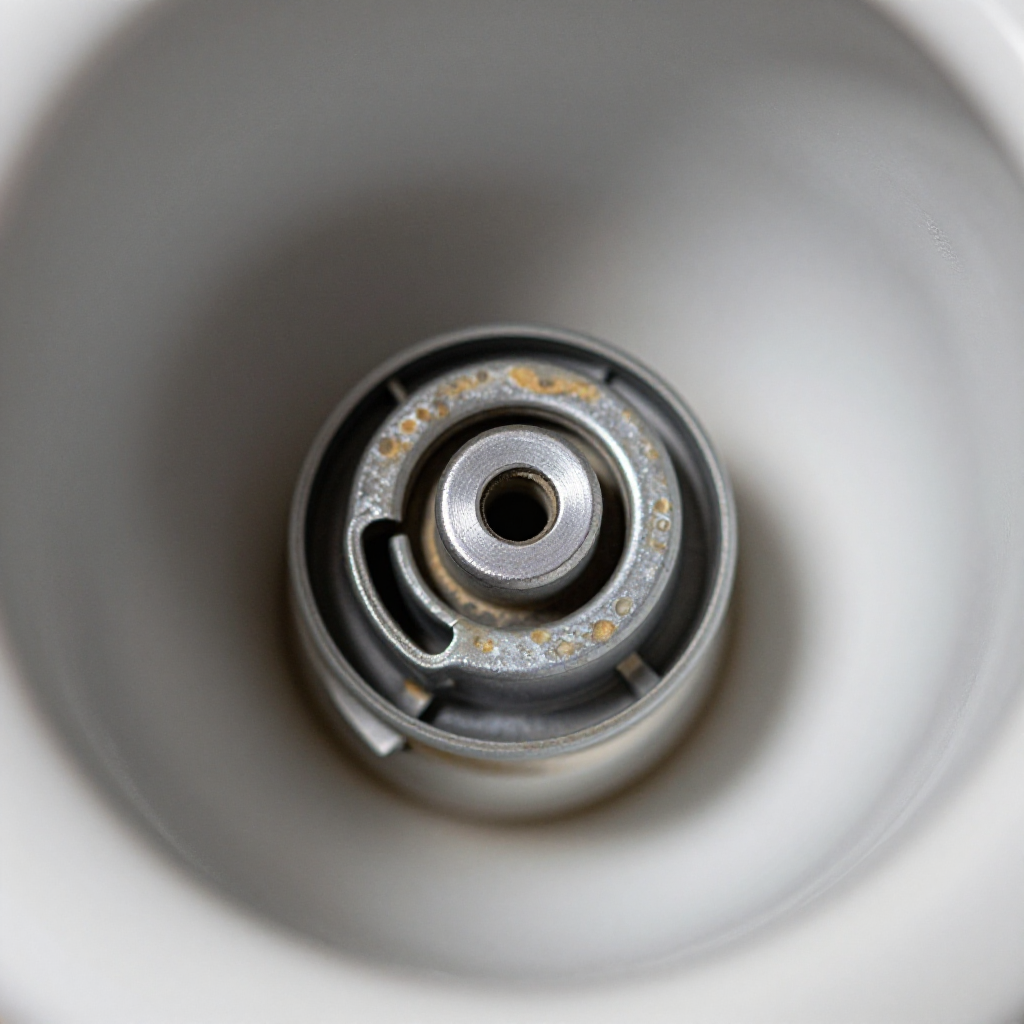
Check and replace the flapper
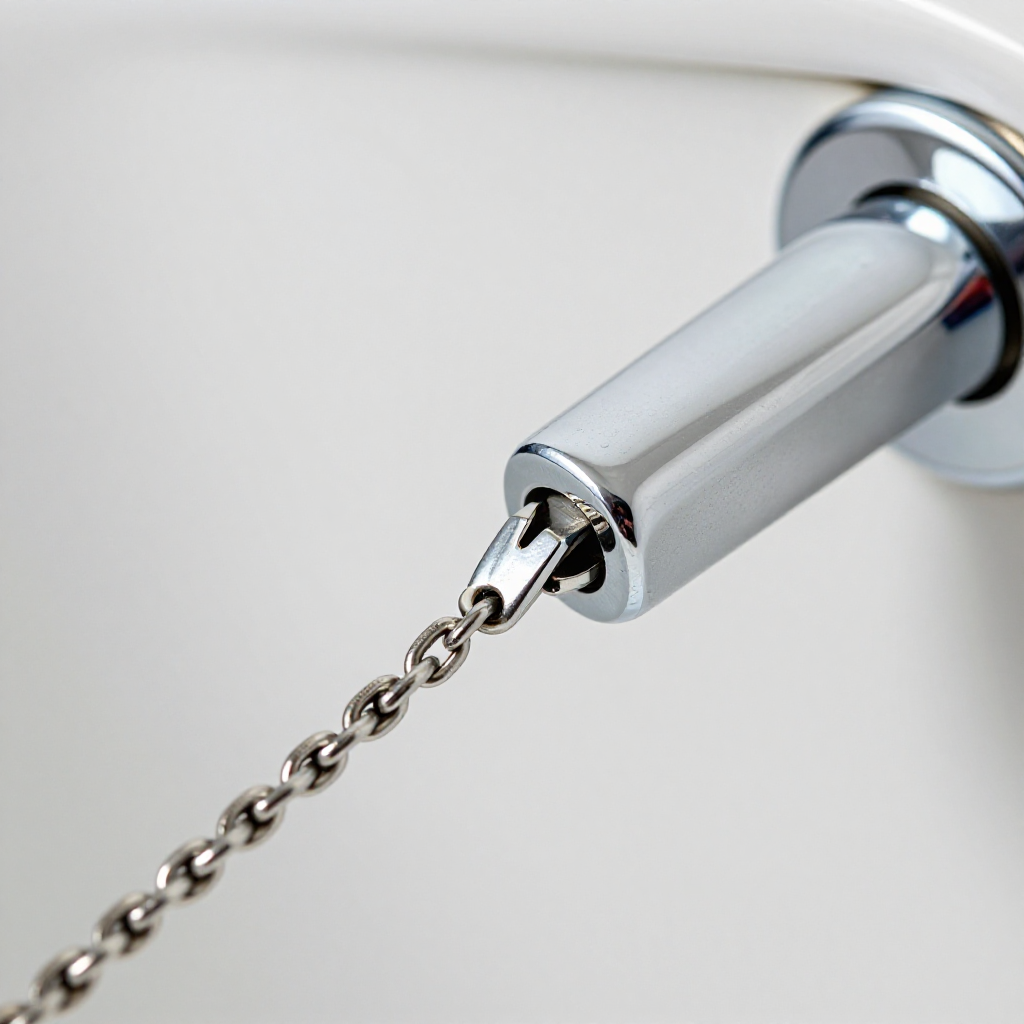
Turn off the water supply valve behind the toilet. Flush to empty the tank. Unhook the old flapper from the flush lever and overflow tube. Install a new universal flapper, ensuring the chain has about 1/2 inch of slack. Turn the water back on and test.
visibility3. Visual Guidance
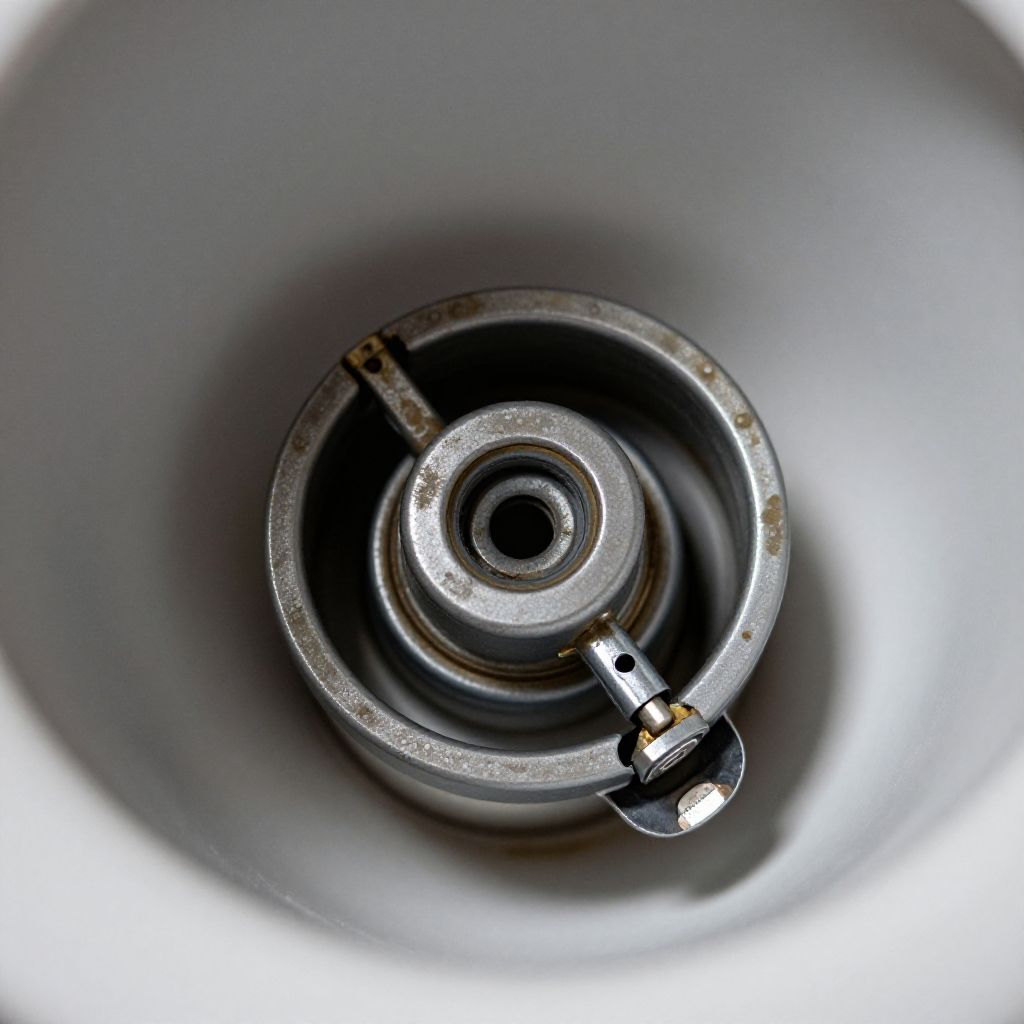
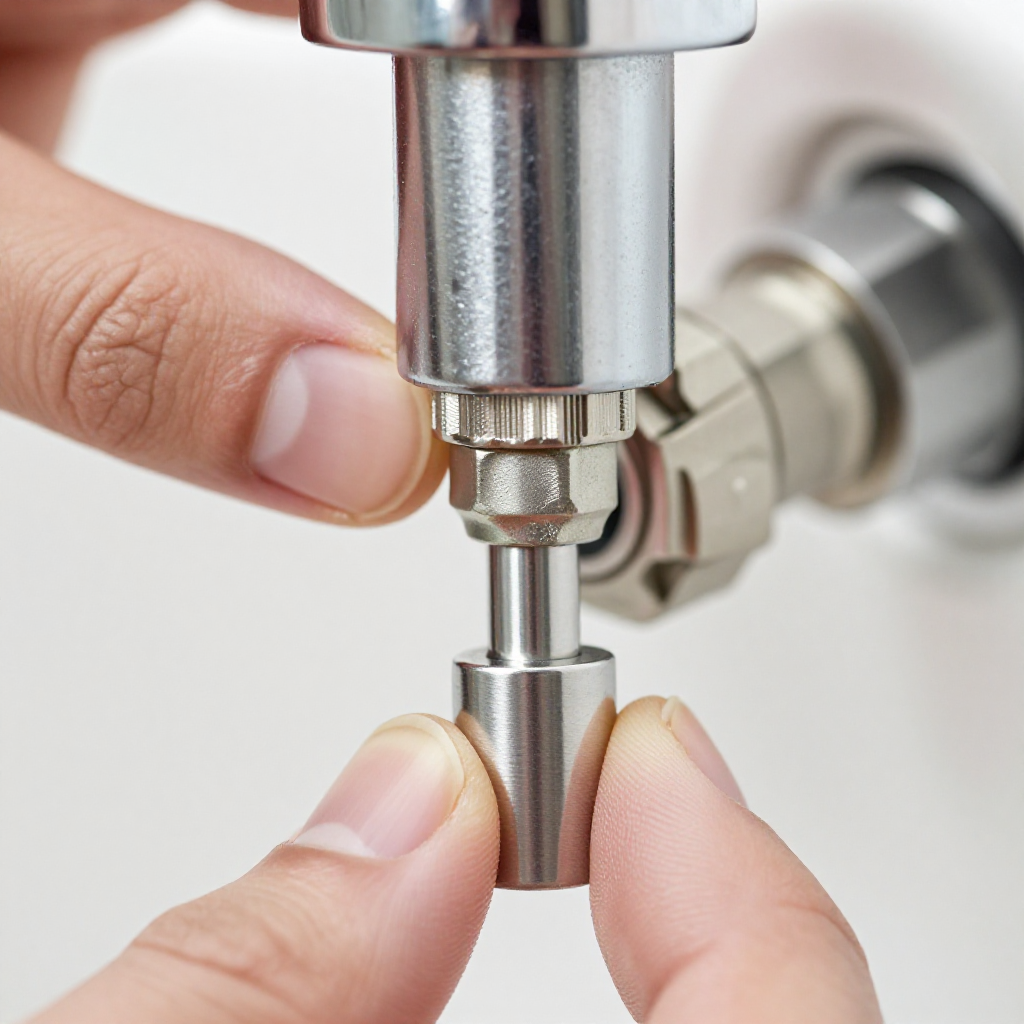
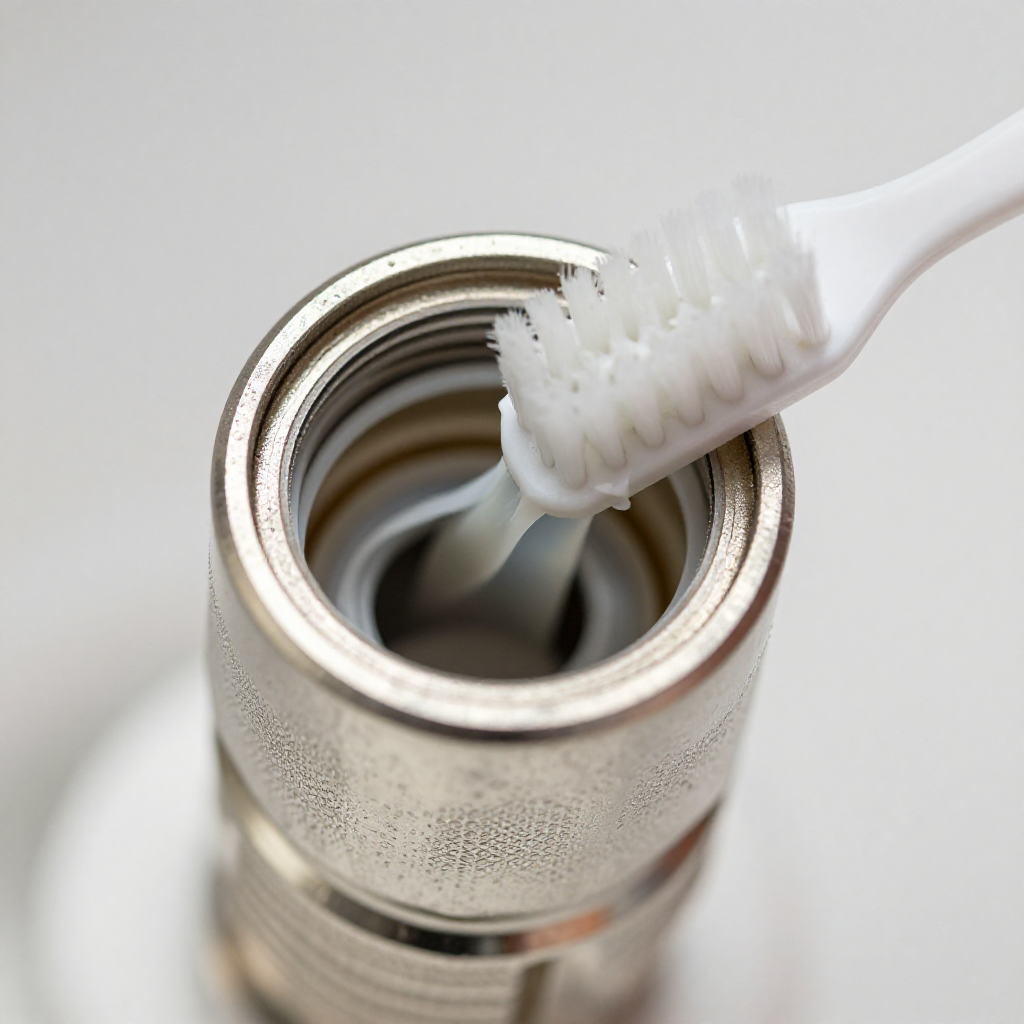
See what's happening and how to try the first recovery step.
autorenew4. If That Doesn't Work
Try the next recovery options.
Frequently Asked Questions
How do I know if the flapper is bad?expand_more
Why does my toilet run intermittently?expand_more
Can a running toilet increase my water bill?expand_more
What if the water level is too high?expand_more
warning5. Stop DIY If
Don't continue if any of these apply.
Same Device Recovery States
Device index arrow_forwardSimilar Failure Pattern
This page provides general DIY guidance.
If you're unsure, it's always best to consult a professional.