Why is my toilet running constantly after flushing?
A running toilet wastes water and noise. Learn how to diagnose and fix the flapper, fill valve, or flush valve seal.
quick_referenceQuick Answer
For Why is my toilet running constantly after flushing?, start with "Check the flapper seal": Remove the tank lid and flush the toilet. Watch the flapper as it closes—if it wobbles or doesn't seat evenly, it's likely worn. Press down gently on the flapper to see if the water stops. Stop DIY if you see cracks in the toilet tank. This is listed as a easy recovery and usually takes about 15 min.
verifiedGuide Snapshot
Last updated Jul 4, 2026. Review the stop conditions before continuing.
account_treeRecovery State
help1. Understand the Problem
The most common cause of a constantly running toilet is a worn or misaligned flapper that fails to seat properly after flushing. Mineral buildup on the flush valve seat can also prevent a tight seal. Less often, the fill valve may stick open, causing water to continuously overflow into the overflow tube.
build_circle2. Try This First
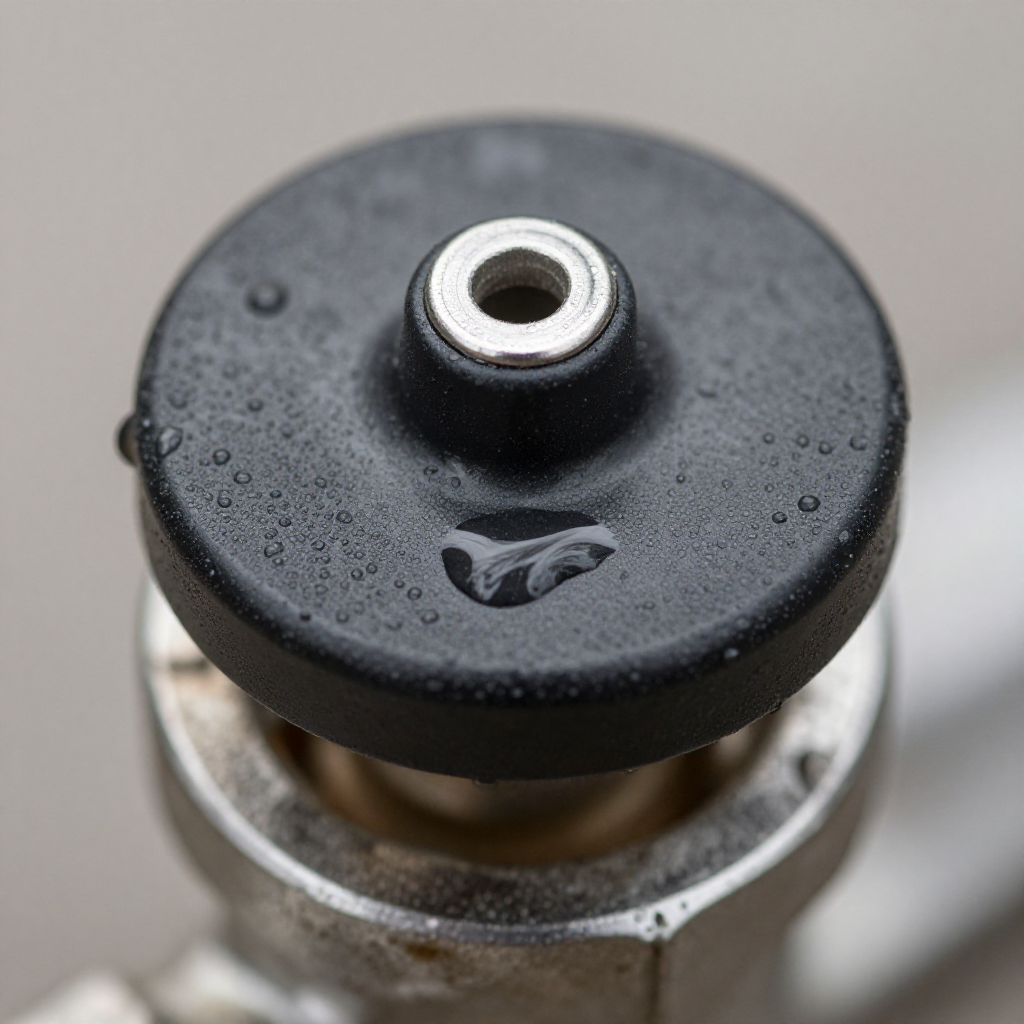
Check the flapper seal
Remove the tank lid and flush the toilet. Watch the flapper as it closes—if it wobbles or doesn't seat evenly, it's likely worn. Press down gently on the flapper to see if the water stops.
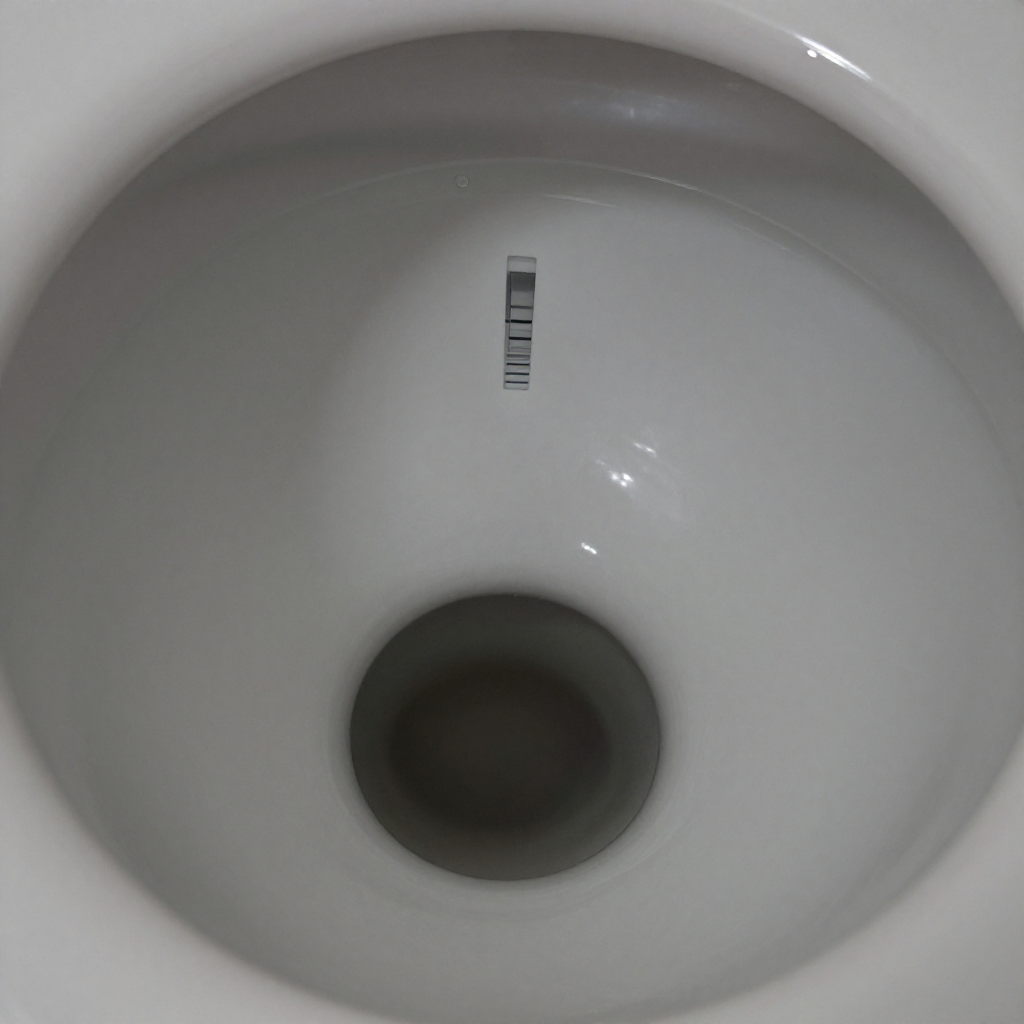
visibility3. Visual Guidance
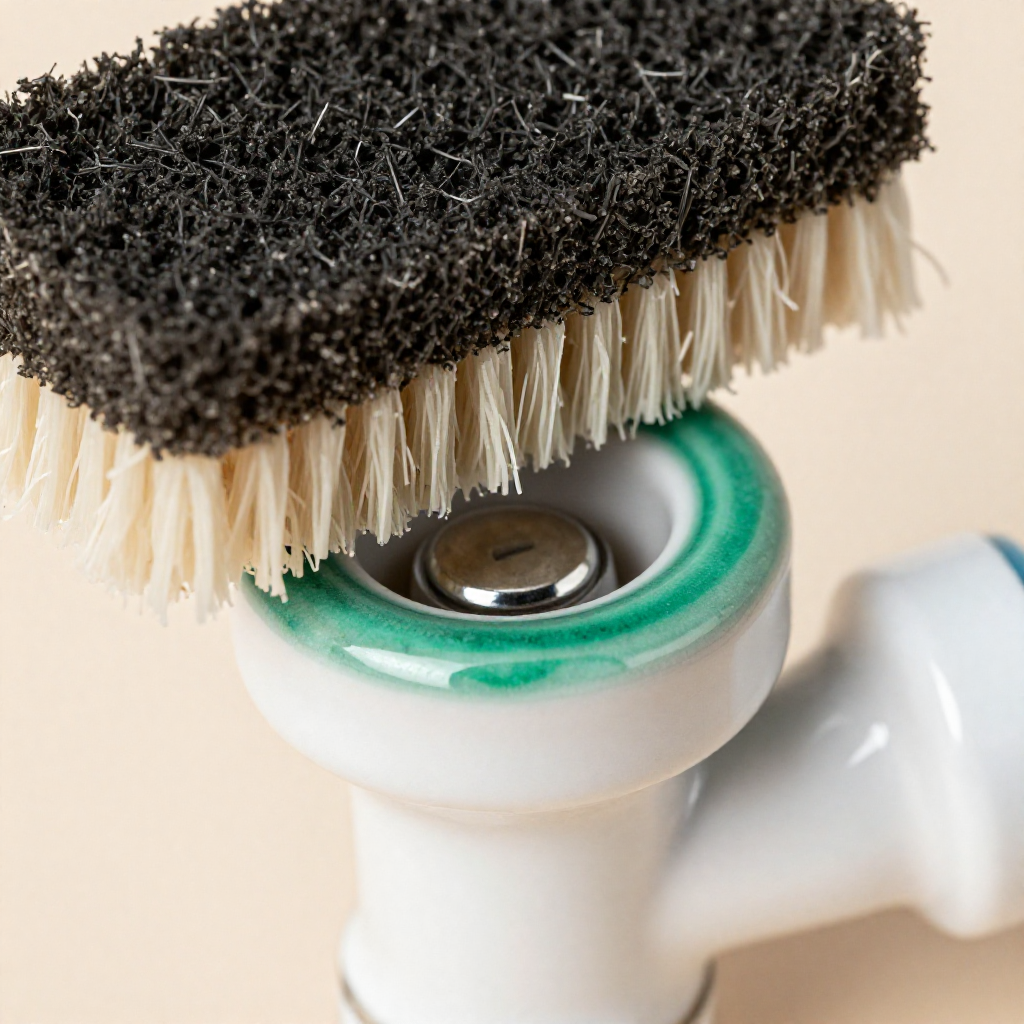
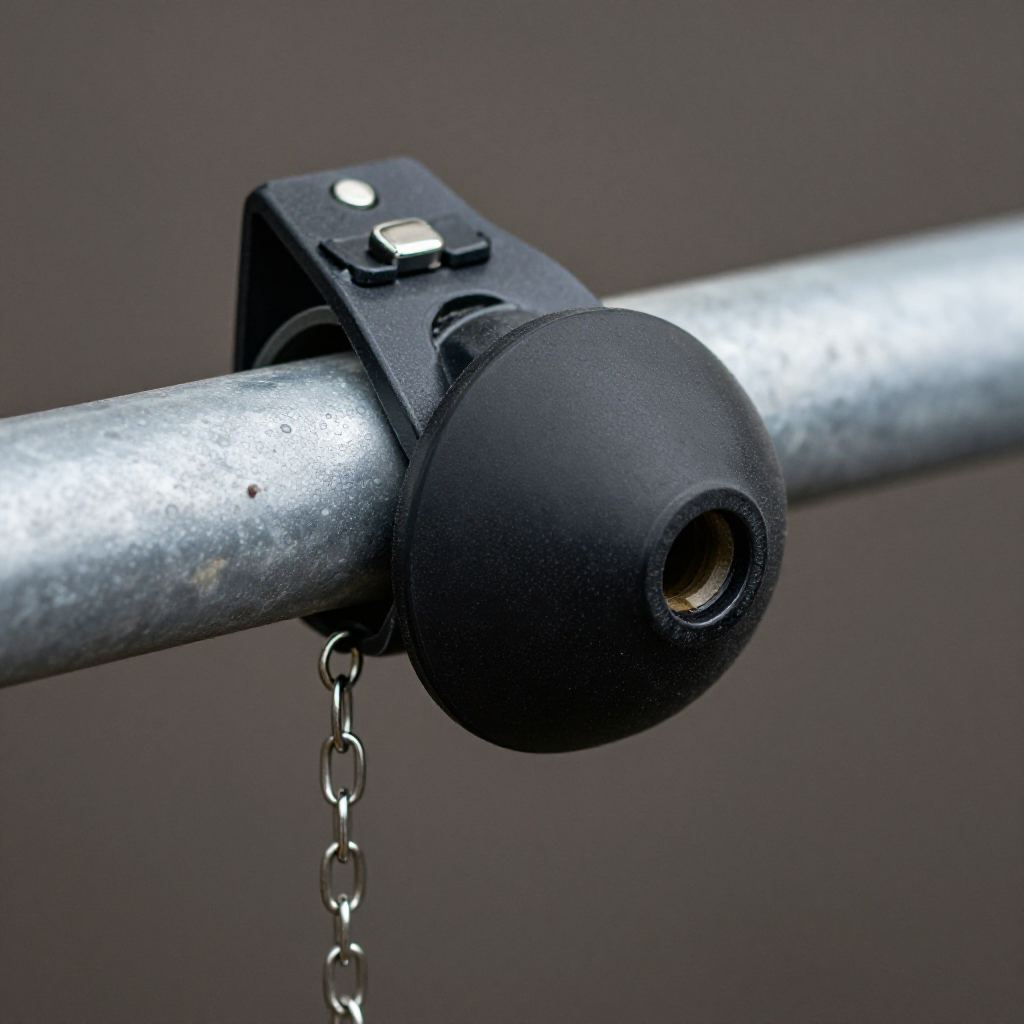
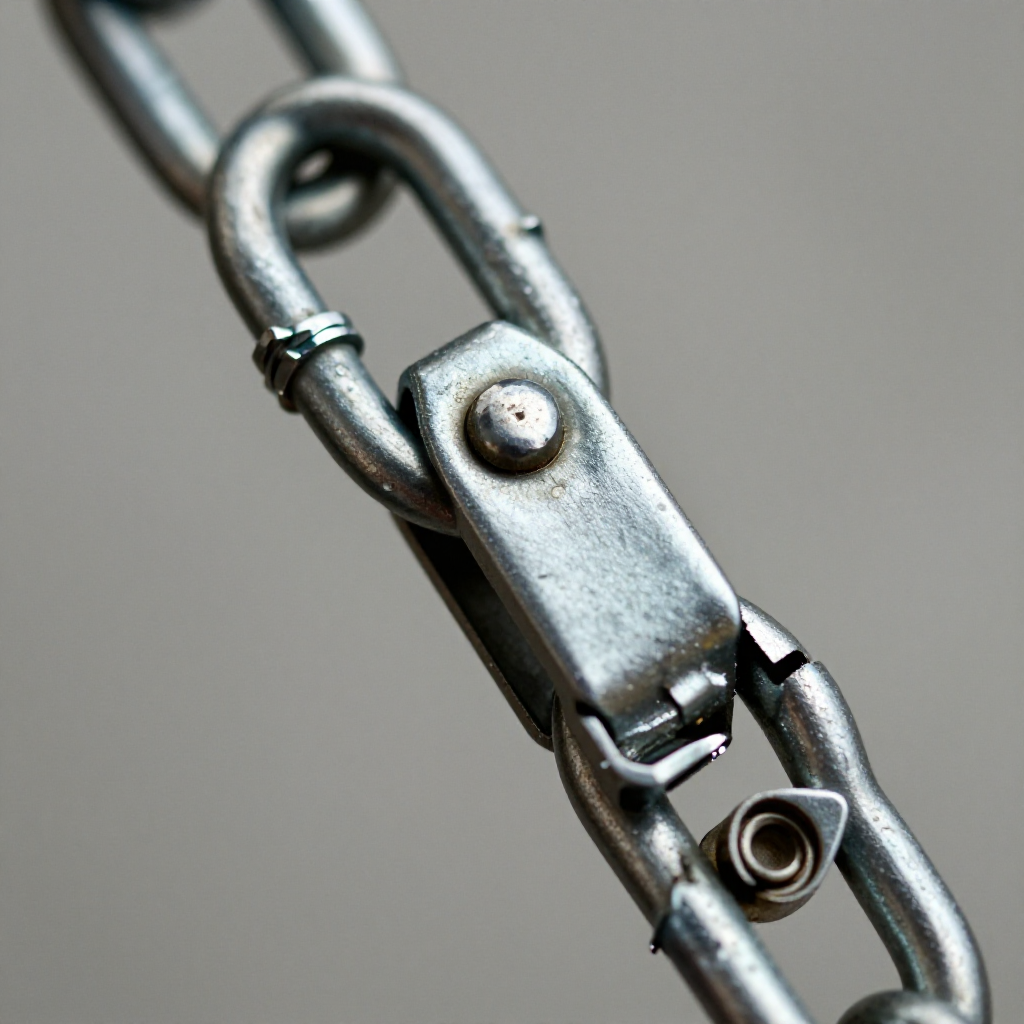
See what's happening and how to try the first recovery step.
autorenew4. If That Doesn't Work
Try the next recovery options.
Frequently Asked Questions
Why does my toilet run intermittently every few minutes?expand_more
Can a running toilet increase my water bill?expand_more
What if the flapper is new but still leaks?expand_more
Should I use a rubber or silicone flapper?expand_more
warning5. Stop DIY If
Don't continue if any of these apply.
Same Device Recovery States
Device index arrow_forwardSimilar Failure Pattern
This page provides general DIY guidance.
If you're unsure, it's always best to consult a professional.