STUCKFIX
handymanDIY Friendly
thermostat

Thermostat Screen Black and Blank? Check Power Before You Freeze

A completely dead thermostat screen usually means power loss — not a dead unit. Check the batteries, breaker, and float switch before you buy a new thermostat.

Category:HVAC
Difficulty:Easy
Time:10-15 min
Success:50%
Updated:May 22, 2026

quick_referenceQuick Answer

For Thermostat Screen Black and Blank? Check Power Before You Freeze, start with "Replace the batteries — even if you just replaced them": Stop assuming the thermostat is dead. Pop the thermostat off its wall plate — most pull straight off. Replace the AA or AAA batteries with fresh ones (don't use rechargeables — they're 1.2V not 1.5V and often too weak). If the screen comes back, you're done. If not, there's a bigger power issue and the thermostat is just the messenger. Stop DIY if the furnace control board has visible scorch marks, melted plastic, or a burned smell — you have a serious electrical fault. kill the breaker and call an hvac tech. This is listed as a easy recovery and usually takes about 10-15 min.

verifiedGuide Snapshot

Repair areaHVAC
Estimated time10-15 min
DifficultyEasy
Stop conditions4

Last updated May 22, 2026. Review the stop conditions before continuing.

account_treeRecovery State

Current stateBlank Screen
Specific stateNo Power
Failed stepThermostat Display
Likely failure typeElectrical Fault
DIY boundaryDIY recovery first
paymentsCost decision

help1. Understand the Problem

Digital thermostats need power from either batteries or the furnace's 24V transformer via the C-wire. When the screen goes blank, the thermostat has lost both power sources or the internal fuse blew. This often happens after a power outage or when the condensate drain pan fills and triggers a float switch that cuts furnace power entirely.

build_circle2. Try This First
Best First Step
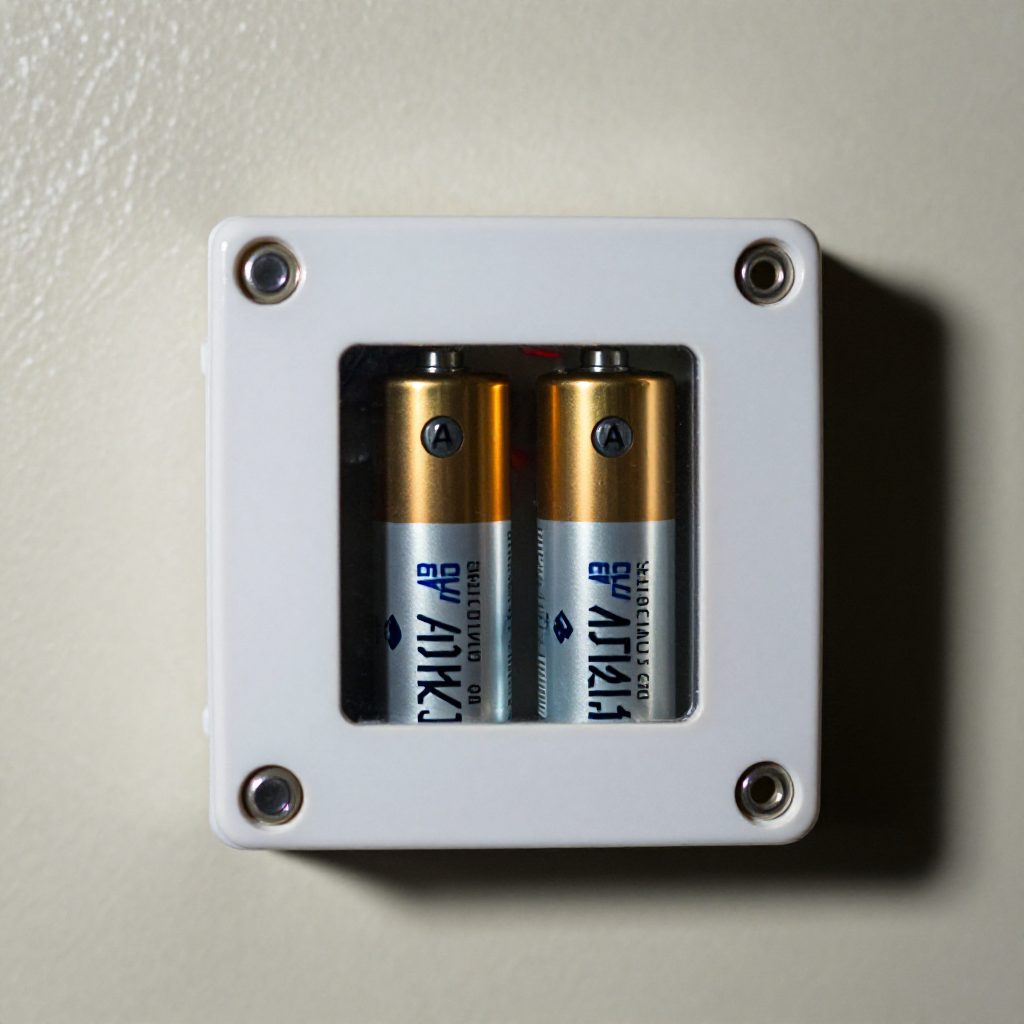
Replace the batteries — even if you just replaced them

Replace the batteries — even if you just replaced them

Stop assuming the thermostat is dead. Pop the thermostat off its wall plate — most pull straight off. Replace the AA or AAA batteries with fresh ones (don't use rechargeables — they're 1.2V not 1.5V and often too weak). If the screen comes back, you're done. If not, there's a bigger power issue and the thermostat is just the messenger.

visibility3. Visual Guidance

See what's happening and how to try the first recovery step.
1
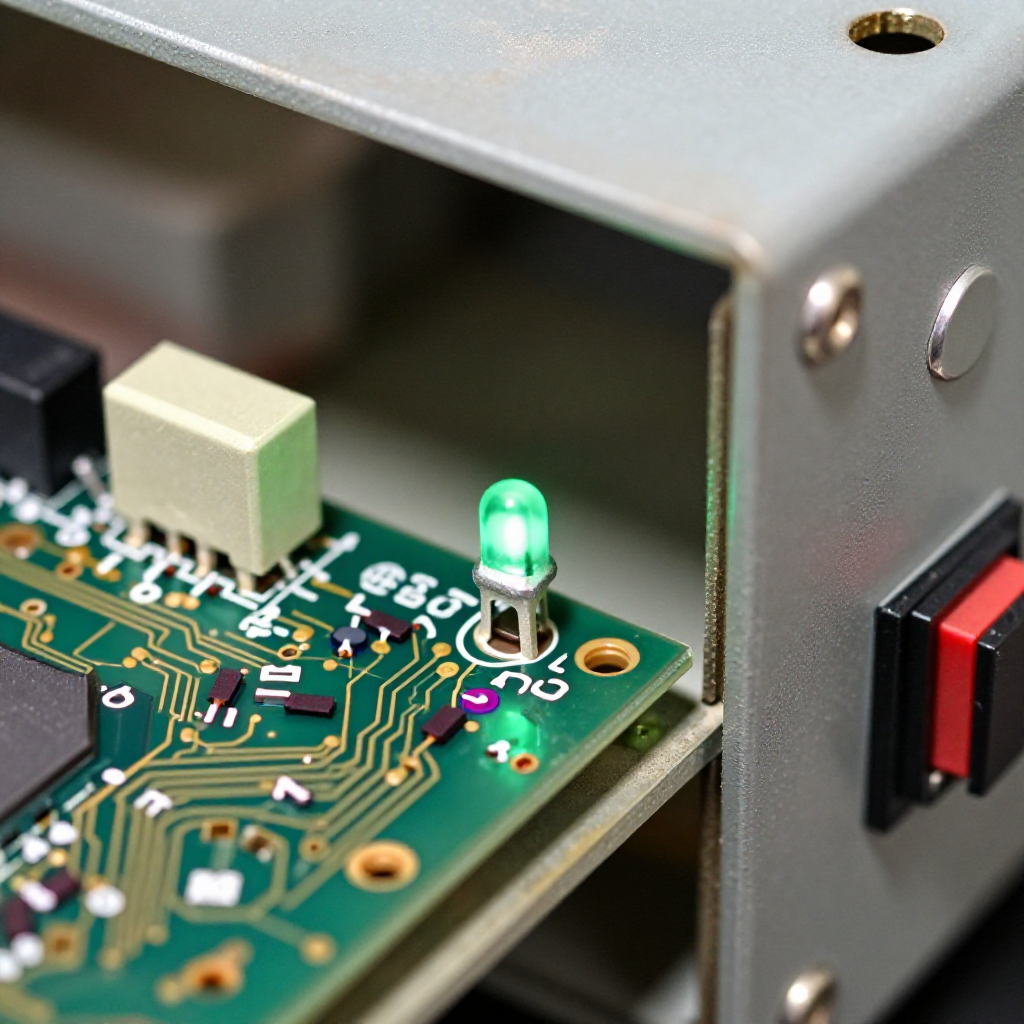
Check if the furnace has power — thermostat shows blank because the furnace is dead
Check if the furnace has power — thermostat shows blank because the furnace is deadGo to your furnace or air handler. Check for an LED status light on the control board — if it's off, the furnace has no power. Look for a light switch mounted on or near the furnace (it looks like a regular wall switch but cuts furnace power). Flip it ON. If it was off, that's your problem — someone bumped it by accident.
2
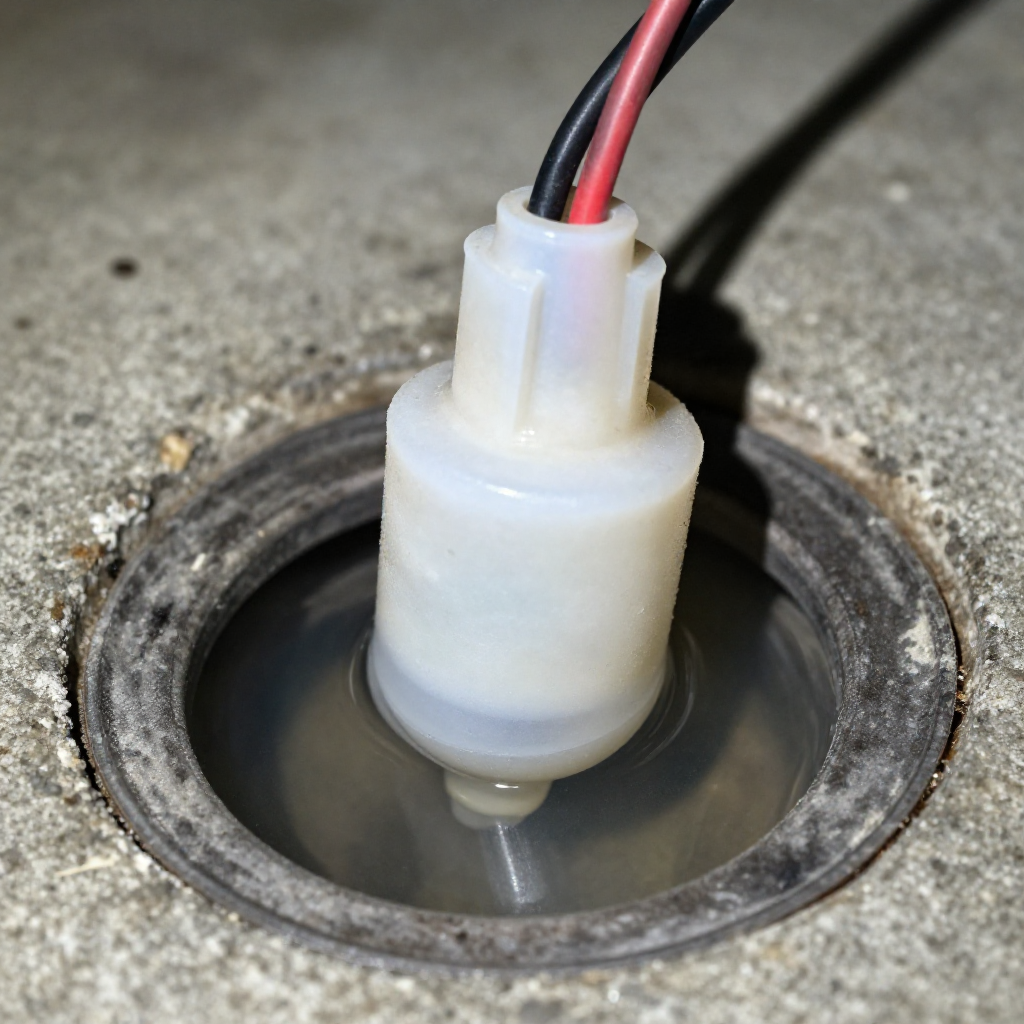
Check the condensate float switch — it kills furnace power when full
Check the condensate float switch — it kills furnace power when fullLocate the condensate drain pan under or beside the furnace (or in the attic for horizontal units). There's a float switch that looks like a small plastic box with wires coming out. If the pan has water in it and the float is up, the switch has cut power. Clear the drain line with a wet-dry vac. Once the water drains and the float drops, power comes back and the thermostat wakes up.
3
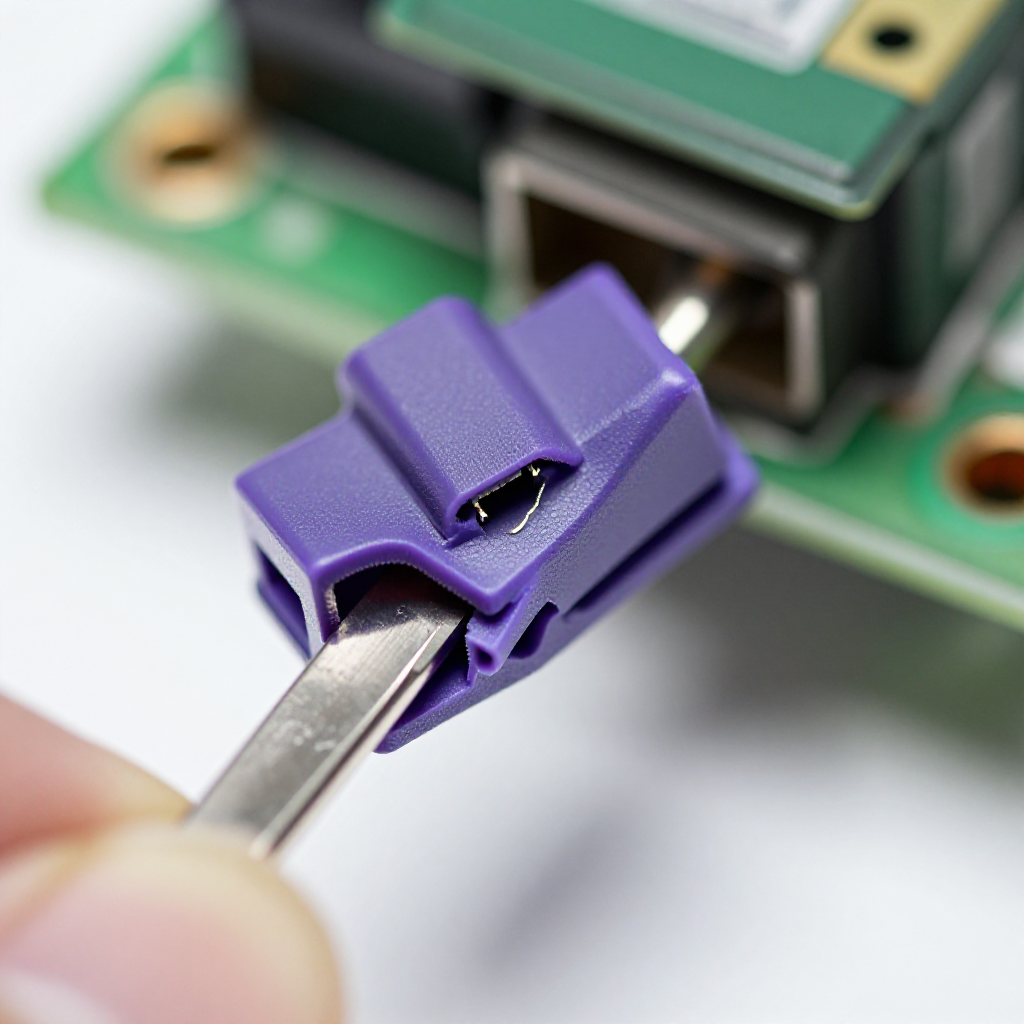
Check the 3-amp fuse on the furnace control board — it blows to protect the transformer
Check the 3-amp fuse on the furnace control board — it blows to protect the transformerWith the furnace door off, look at the control board for a small car-style blade fuse (usually 3 or 5 amps, purple or brown). Pull it out and hold it up to a light or test continuity with a multimeter. If it's blown, replace it with the exact same amperage. A blown fuse means a short happened somewhere — most commonly from a thermostat wire touching a ground or a shorted contactor in the outdoor AC unit.

autorenew4. If That Doesn't Work

Try the next recovery options.

bolt
Check the breaker on the furnace circuitFurnaces are typically on their own 15A or 20A single-pole breaker. If it's tripped, flip it fully OFF then back ON. If it trips again immediately, you have a short and need an HVAC electrician — don't keep resetting it.
chevron_right
electrical_services
Test for 24V at the thermostat with a multimeterSet a multimeter to AC voltage. Touch the probes to the R (red, 24V hot) and C (blue, common) terminals on the wall plate. You should see 24-28V AC. If you see zero, the furnace transformer has failed or the C-wire is disconnected at the furnace end.
chevron_right
link
Jump R to W to test the furnace directlyRemove the thermostat from the wall plate. Take a short piece of wire and touch it between R and W terminals for 5 seconds. If the furnace kicks on, the thermostat is faulty. If nothing happens, the problem is at the furnace, not the thermostat.
chevron_right

Frequently Asked Questions

Why does my thermostat go blank and then come back on by itself?expand_more
This is almost always a float switch cycling. The condensate drain is partially clogged — water slowly fills the pan, the float cuts power, the water slowly drains past the clog, the float drops, power comes back. You'll see the thermostat blank for 30-60 minutes then suddenly work again. Clear the drain line and it stops.
Do all thermostats need batteries even if they have a C-wire?expand_more
No. A properly connected C-wire provides continuous 24V power from the furnace transformer. Batteries are a backup. If your thermostat goes blank when batteries die but the C-wire is connected, the C-wire is either disconnected at the furnace end or the furnace transformer isn't supplying 24V.
Can I use a smart thermostat if my furnace doesn't have a C-wire?expand_more
Most smart thermostats (Nest, Ecobee) require a C-wire for continuous power. They may run for a while on batteries but eventually go offline or blank. Nest includes a power extender kit that lets you run without a C-wire, or you can add a 24V plug-in transformer next to the thermostat.
What if the fuse blows again right after I replace it?expand_more
A fuse that blows repeatedly means a short circuit somewhere. The most common cause is a bare thermostat wire touching a ground inside the wall or a shorted contactor coil in the outdoor AC condenser. Disconnect the thermostat wires at the furnace and check each wire's continuity to ground with a multimeter.

warning5. Stop DIY If

Don't continue if any of these apply.

reportThe furnace control board has visible scorch marks, melted plastic, or a burned smell — you have a serious electrical fault. Kill the breaker and call an HVAC tech.
reportThe breaker trips immediately every time you reset it — do not bypass or upsize the breaker. There's a dead short in the system.
reportYou see water actively dripping onto electrical components inside the furnace cabinet.
reportYou smell natural gas — evacuate and call the gas company.
Still stuck?Get personalized help with AI Recovery.

Related Recovery Problems

View all arrow_forward

Same Device Recovery States

Device index arrow_forward

Similar Failure Pattern

This page provides general DIY guidance.
If you're unsure, it's always best to consult a professional.