STUCKFIX
handymanDIY Friendly
air

One Room's Air Vent Blowing Weak While Others Blast Cold

A room with barely any airflow while the rest of the house is comfortable usually points to a damper issue or a disconnected duct — not a system failure.

Category:HVAC
Difficulty:Moderate
Time:30 min
Success:50%
Updated:May 21, 2026

quick_referenceQuick Answer

For One Room's Air Vent Blowing Weak While Others Blast Cold, start with "Check the supply register and damper first": Before crawling into the attic, rule out the easy stuff. Remove the vent grille from the weak room and look inside — is there a damper flap that's closed? Many supply boots have a small lever damper right behind the grille. Also check the duct opening itself — sometimes insulation, a toy, or debris blocks the airflow. Open all registers in the house fully — closing too many can imbalance the system. Stop DIY if you find disconnected ductwork that is wrapped in or touching asbestos insulation — do not disturb it. This is listed as a moderate recovery and usually takes about 30 min.

verifiedGuide Snapshot

Repair areaHVAC
Estimated time30 min
DifficultyModerate
Stop conditions5

Last updated May 21, 2026. Review the stop conditions before continuing.

account_treeRecovery State

DeviceHvac
Current stateAir Vent Blowing Weak Airflow
Failed stepCheck The Supply Register And Damper First
Likely failure typeBlocked Path
DIY boundaryDIY recovery first
paymentsCost decision

help1. Understand the Problem

Uneven airflow between rooms often happens when a zone damper has slipped closed, a flexible duct has come loose in the attic or crawlspace, or the supply register itself is blocked. It's rarely a sign that the whole HVAC unit is failing. Most cases trace back to a single run of ductwork that needs reconnecting or a damper handle that got bumped during storage.

build_circle2. Try This First
Best First Step
Check the supply register and damper first

Check the supply register and damper first

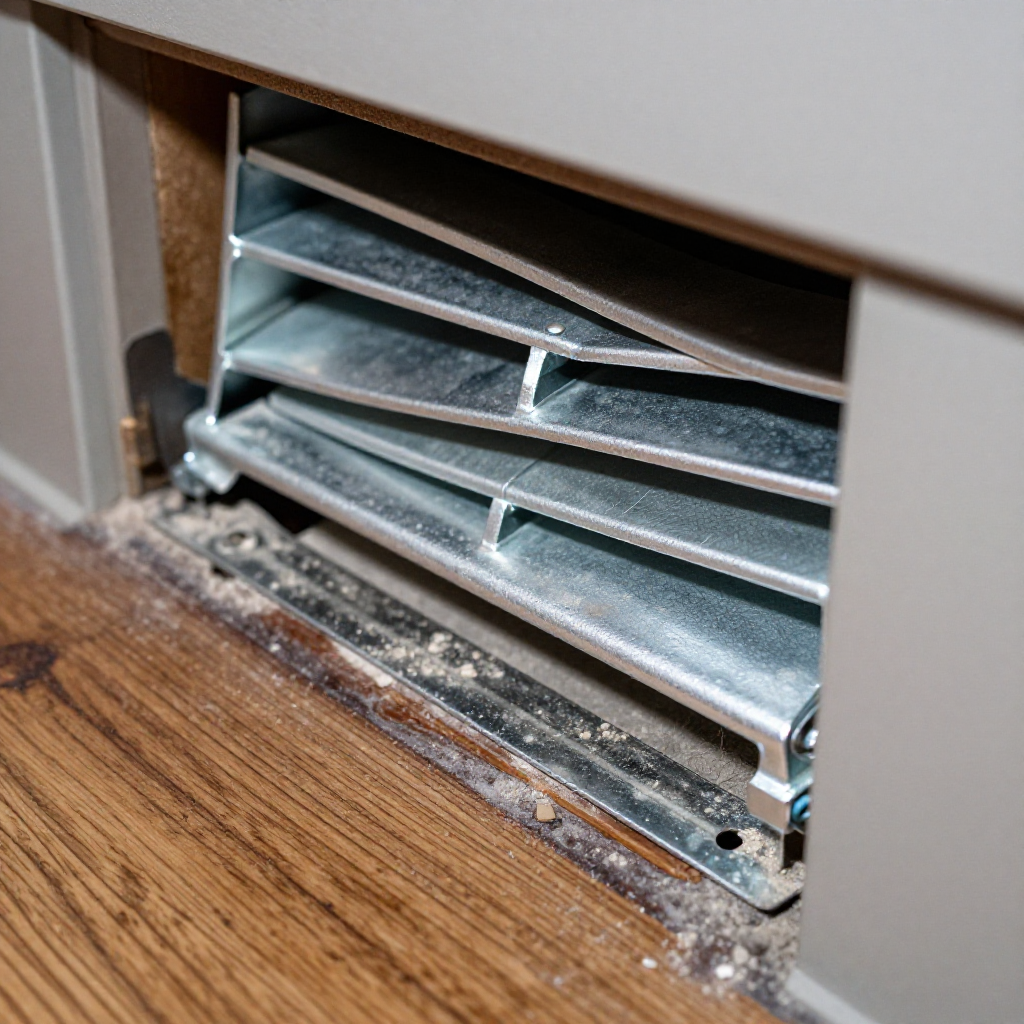
Before crawling into the attic, rule out the easy stuff. Remove the vent grille from the weak room and look inside — is there a damper flap that's closed? Many supply boots have a small lever damper right behind the grille. Also check the duct opening itself — sometimes insulation, a toy, or debris blocks the airflow. Open all registers in the house fully — closing too many can imbalance the system.

visibility3. Visual Guidance

See what's happening and how to try the first recovery step.
1
Inspect the accessible ductwork
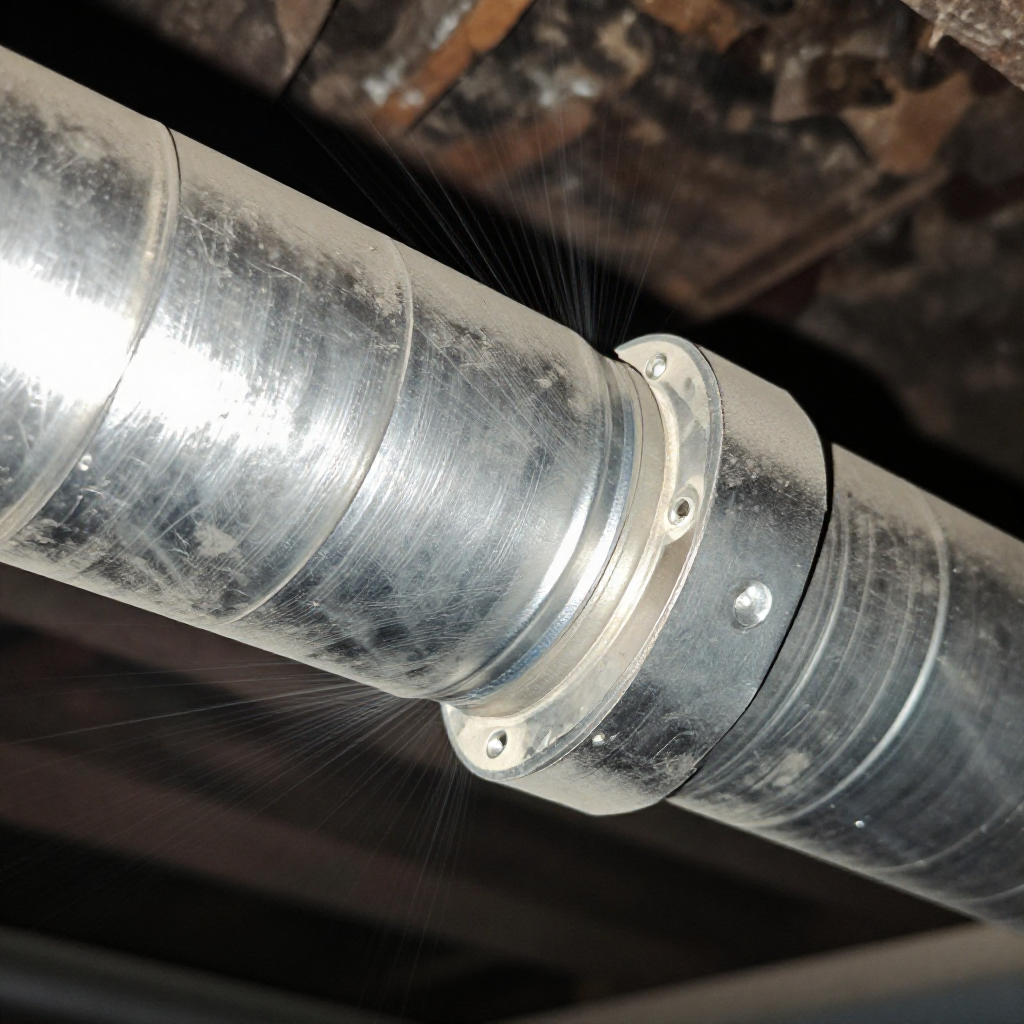
Inspect the accessible ductworkHead into the attic or crawlspace and trace the duct run from the main trunk to the weak room. Look for disconnected joints, crushed flex duct, or a kinked section where the duct takes a sharp turn. A disconnected duct joint will show a visible gap with dust and lint streaking outward from the leak.
2
Reconnect a separated duct joint
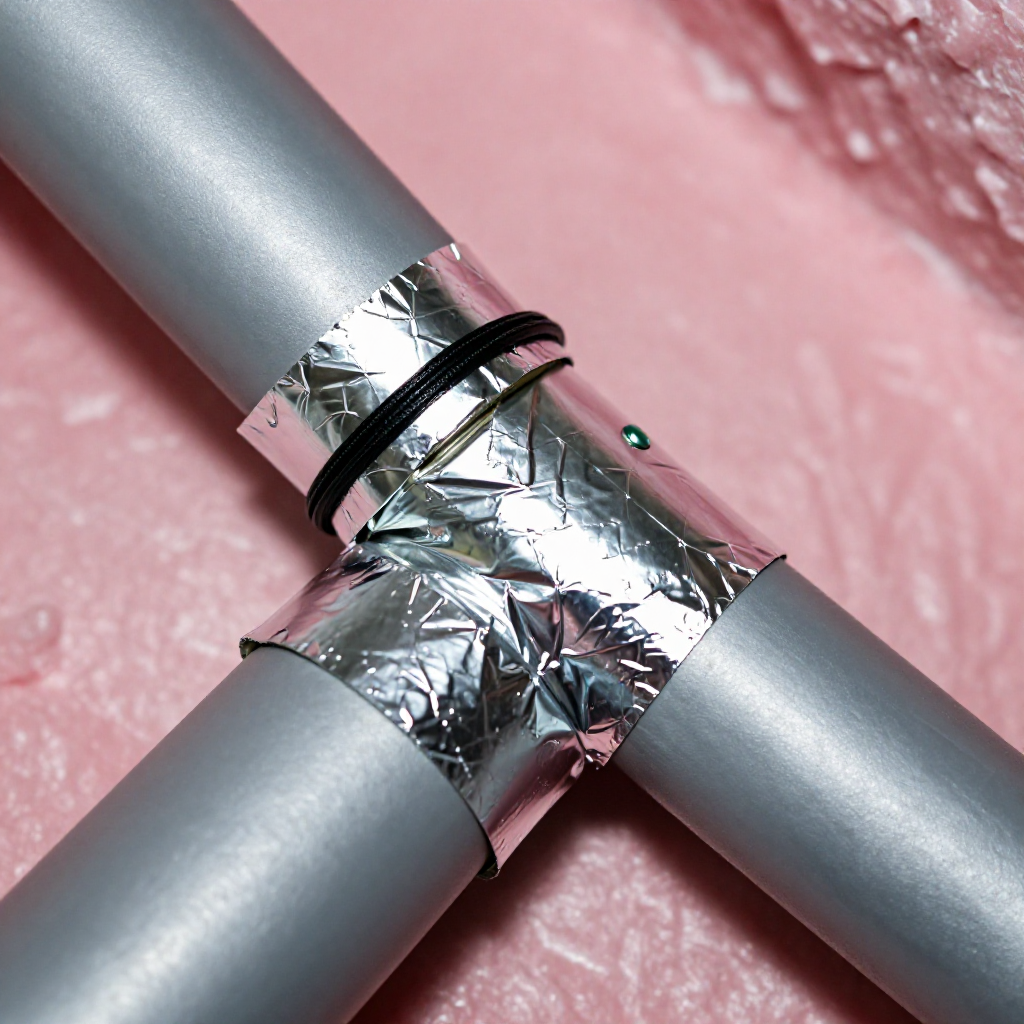
Reconnect a separated duct jointIf a flex duct has pulled off a collar or wye, slide it back onto the fitting. Secure it with a new zip tie or the existing metal clamp — pull it tight enough that you can't spin the duct on the collar by hand. Wrap the joint with foil tape, not duct tape, which dries out and fails in attic heat.
3
Check and adjust zone dampers
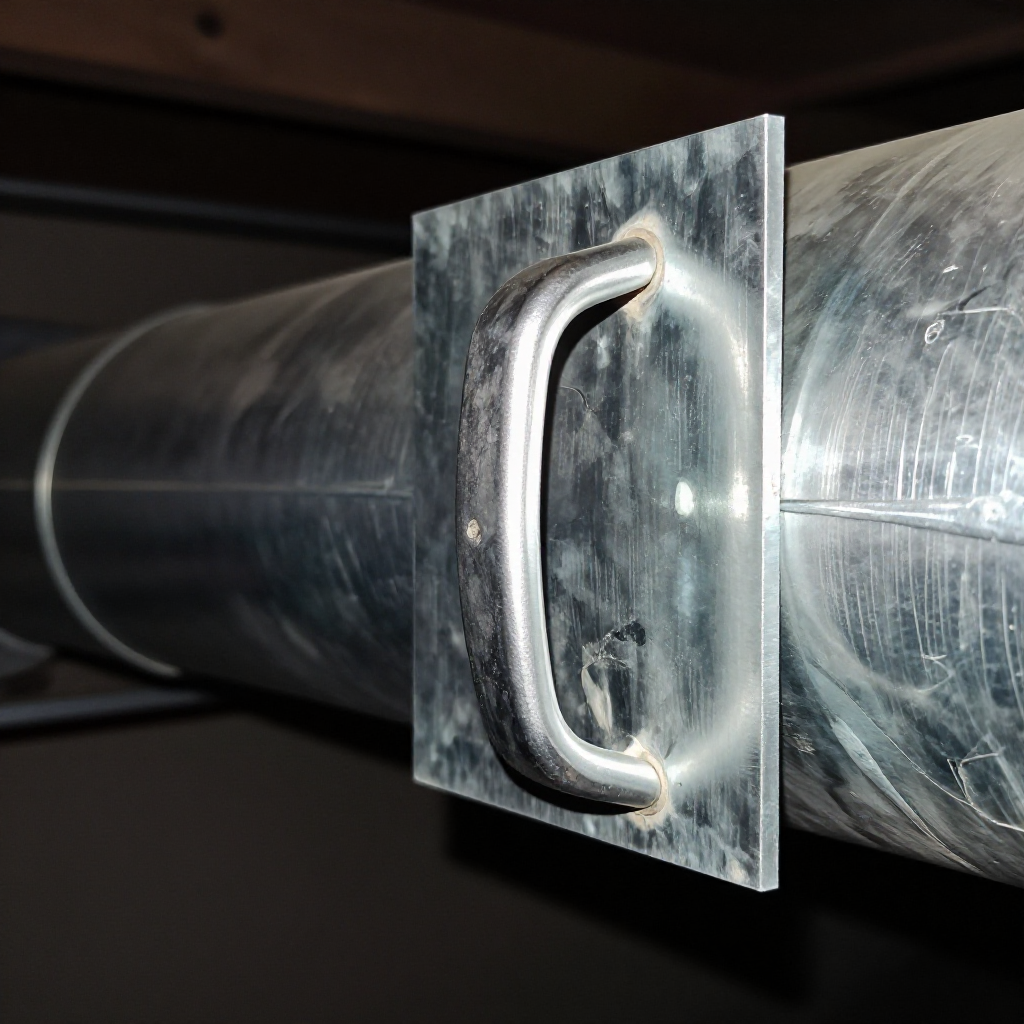
Check and adjust zone dampersFollow the duct trunk line and look for metal handles on the side of the duct — these are manual zone dampers. The handle should be parallel to the duct for open, perpendicular for closed. If the weak room's damper is partially closed, open it fully and note the airflow improvement.
4
Seal small leaks and test airflow
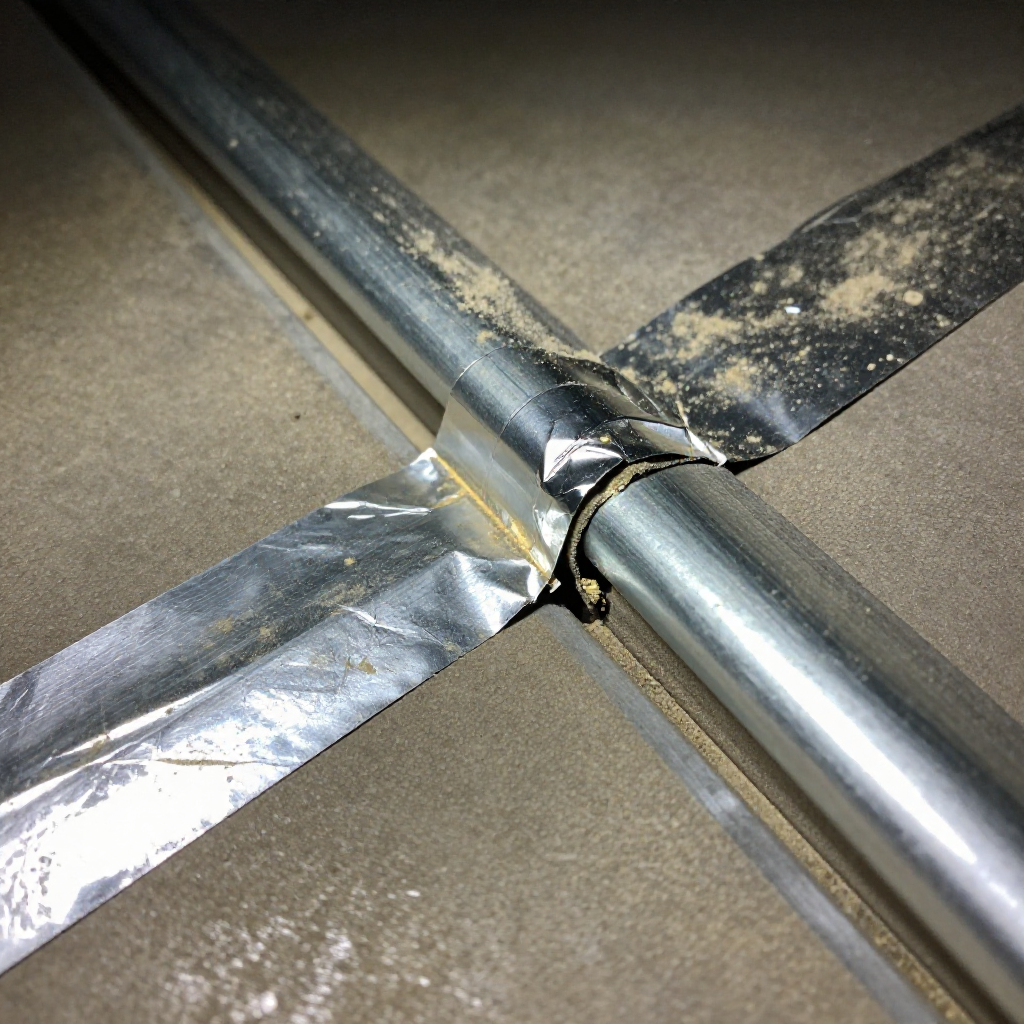
Seal small leaks and test airflowRun your hand along every accessible joint in the duct run while the system is running. Feel for air leaks — even a quarter-inch gap loses significant pressure. Seal any pinholes or small gaps with foil tape or mastic sealant. Go back to the room and feel the vent — airflow should be noticeably stronger.

autorenew4. If That Doesn't Work

Try the next recovery options.

filter_alt
Clean or replace the air filterA clogged return filter starves the whole system of airflow but sometimes hits the furthest room hardest. Check the filter — if you can't see light through it, replace it. This alone can restore flow to weak vents.
chevron_right
tune
Balance dampers across all roomsIn summer, partially close dampers on lower-floor vents and open dampers on upper-floor vents. Reverse this in winter. Small adjustments make a big difference in room-by-room comfort.
chevron_right
mode_fan
Add a booster fan to the weak runIf the duct run is unusually long or the room is far from the air handler, an inline duct booster fan can pull more air through that specific run. These mount inside the duct and turn on automatically when the system runs.
chevron_right

Frequently Asked Questions

Why is one room always hotter than the rest of the house?expand_more
The most common causes are a closed or partially closed damper, a disconnected duct in the attic, or a room with large sun-facing windows. Start by checking the damper behind the vent grille and the duct connections before blaming the HVAC unit.
Can closing vents in unused rooms help push more air to a weak room?expand_more
Closing a few registers is fine, but closing too many increases static pressure in the ductwork and can strain the blower motor. Limit yourself to closing 2-3 registers max. A better approach is adjusting dampers at the duct trunk.
How do I know if my ductwork needs to be replaced instead of repaired?expand_more
Flex duct older than 15-20 years often tears, sags, and collects mold. If you find multiple tears, flattened sections, or visible mold inside the duct, replacement of the affected run is better than patching. Rigid metal duct lasts much longer.
Should I call an HVAC tech or can I fix ductwork myself?expand_more
Reconnecting a separated flex duct or sealing small leaks with foil tape is DIY-friendly if you can safely access the attic or crawlspace. If the ductwork is buried under deep insulation or you're dealing with a major trunk line separation, call a pro.

warning5. Stop DIY If

Don't continue if any of these apply.

reportYou find disconnected ductwork that is wrapped in or touching asbestos insulation — do not disturb it.
reportThe air handler or furnace cabinet shows signs of water damage, rust, or mold growth inside.
reportYou notice a gas smell near the furnace or air handler.
reportThe weak airflow is accompanied by a burning smell or smoke coming from any vent.
reportYou find that the ductwork collapse or separation is in a location you cannot safely access.
Still stuck?Get personalized help with AI Recovery.

Related Recovery Problems

View all arrow_forward

Similar Failure Pattern

This page provides general DIY guidance.
If you're unsure, it's always best to consult a professional.