STUCKFIX
handymanDIY Friendly
build

Kitchen sink draining slowly or not at all?

A slow-draining kitchen sink is often caused by grease buildup or food debris. Learn how to clear the clog with a plunger or remove the trap for cleaning.

Category:Plumbing
Difficulty:Easy
Time:20 min
Success:50%
Updated:Jul 10, 2026

quick_referenceQuick Answer

For Kitchen sink draining slowly or not at all?, start with "Try boiling water and dish soap": Pour a pot of boiling water down the drain, followed by a few squirts of dish soap. Let it sit for 10 minutes, then flush with hot tap water. This breaks up grease clogs. Stop DIY if water backs up into multiple drains (tub, toilet, sink). This is listed as a easy recovery and usually takes about 20 min.

verifiedGuide Snapshot

Repair areaPlumbing
Estimated time20 min
DifficultyEasy
Stop conditions3

Last updated Jul 10, 2026. Review the stop conditions before continuing.

account_treeRecovery State

Current stateDrain Clog
Specific stateSlow Drain
Failed stepWater Backing Up
Likely failure typeBlocked Path
DIY boundaryDIY recovery first
paymentsCost decision

help1. Understand the Problem

Kitchen sink clogs usually form from grease, soap scum, and food particles accumulating in the P-trap or drain line. If water backs up, the blockage is likely deeper. Simple tools like a plunger or a drain snake can often resolve the issue without calling a plumber.

build_circle2. Try This First
Best First Step
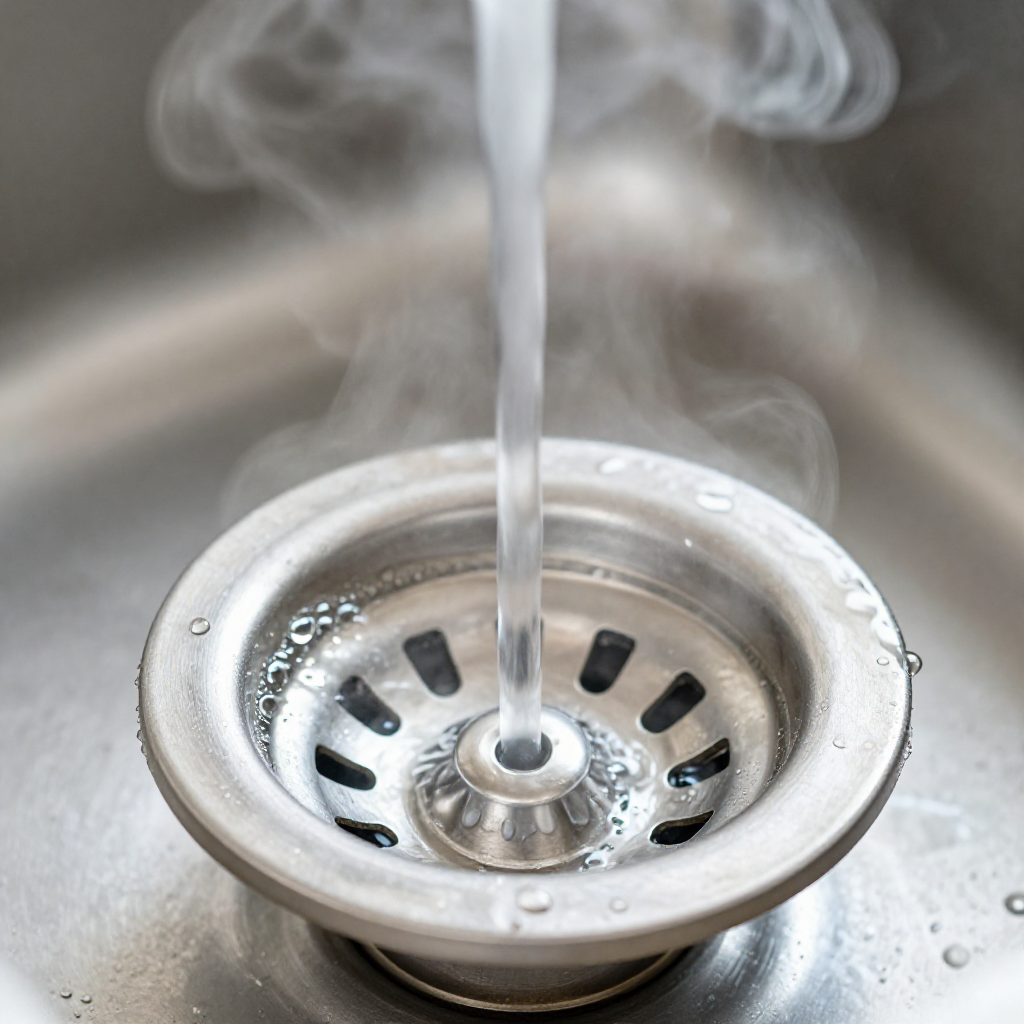
Try boiling water and dish soap

Try boiling water and dish soap

Pour a pot of boiling water down the drain, followed by a few squirts of dish soap. Let it sit for 10 minutes, then flush with hot tap water. This breaks up grease clogs.

visibility3. Visual Guidance

See what's happening and how to try the first recovery step.
1
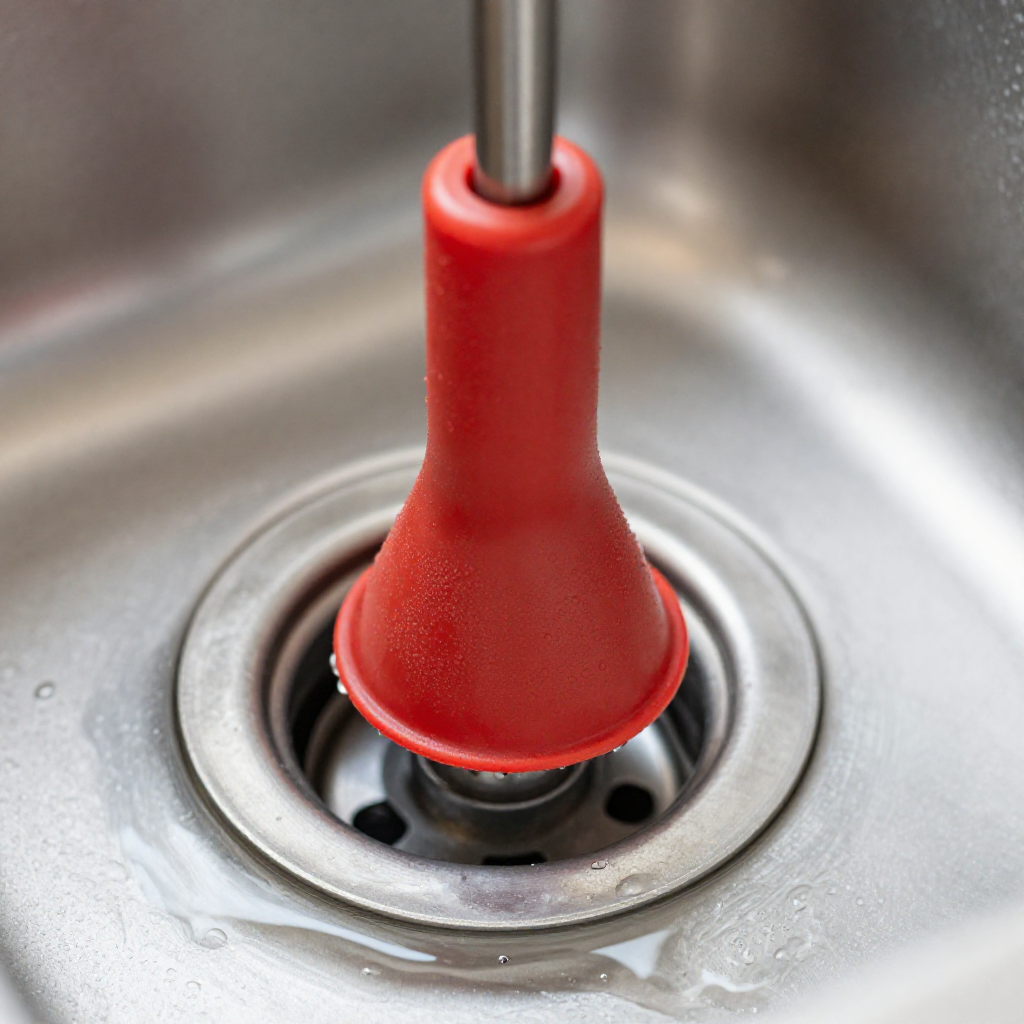
Step 1: Use a plunger
Use a plungerFill the sink with enough water to cover the plunger cup. Place the plunger over the drain and pump up and down rapidly for 20 seconds. Remove and check if water drains.
2
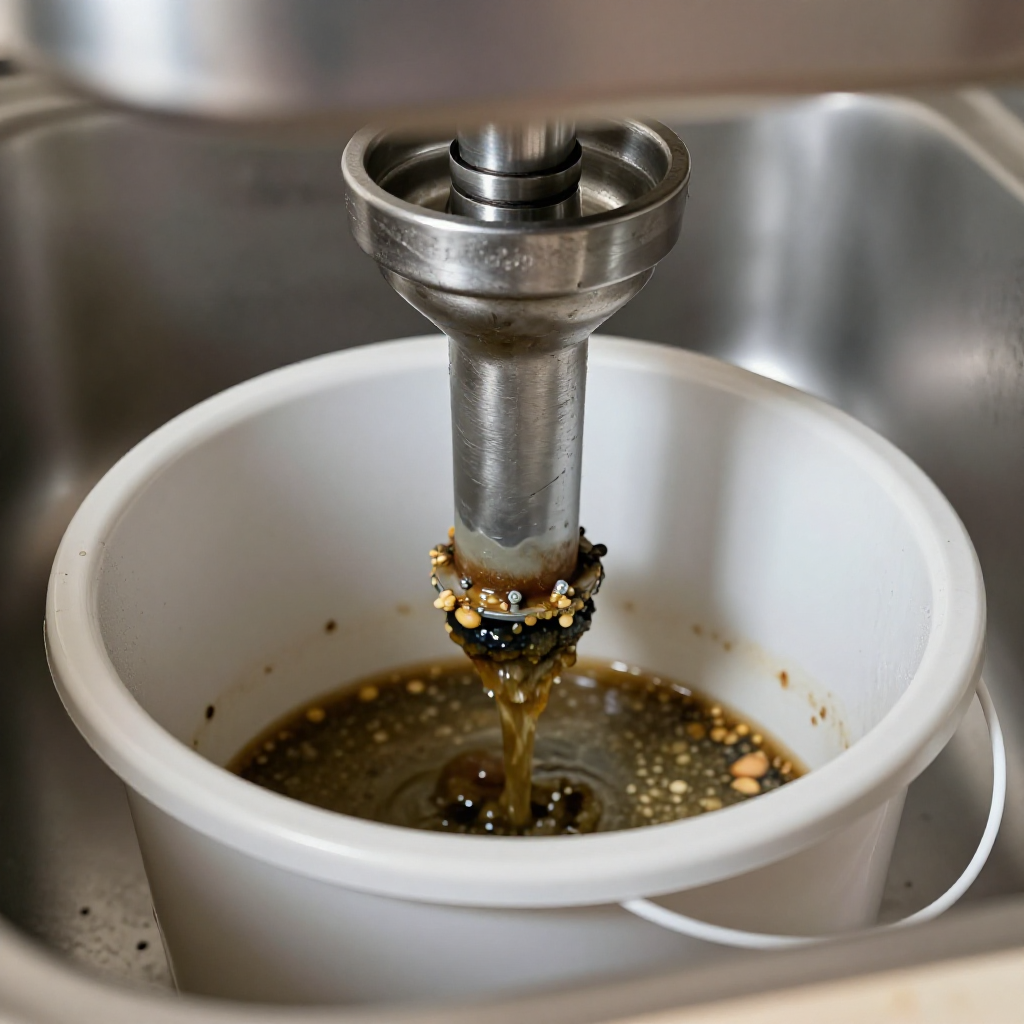
Step 2: Remove and clean the P-trap
Remove and clean the P-trapPlace a bucket under the P-trap. Unscrew the slip nuts on both ends of the trap using your hands or pliers. Remove the trap and dump out debris. Clean it with a brush and hot water.
3
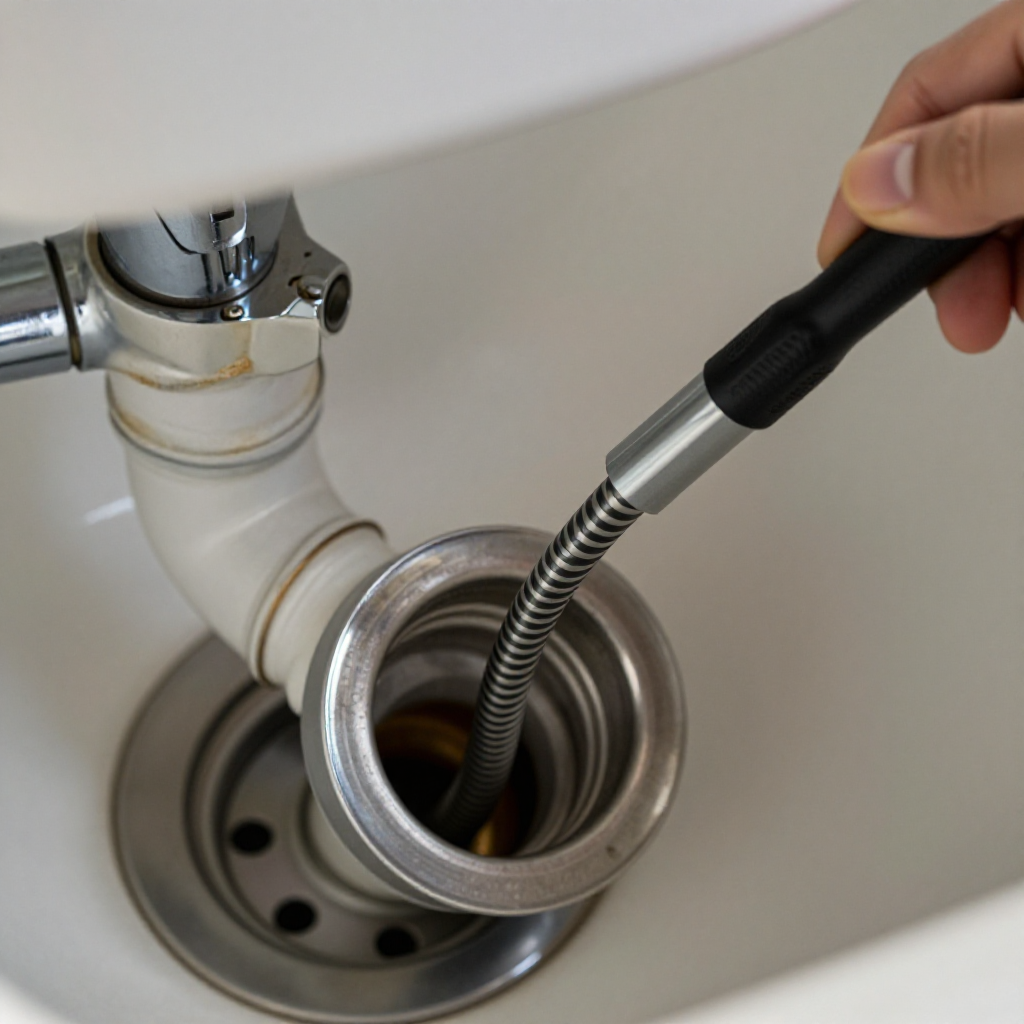
Step 3: Snake the drain line
Snake the drain lineInsert a drain snake into the pipe opening after the trap is removed. Crank the handle to feed the cable until you feel resistance. Rotate to break up the clog, then pull it out.
4
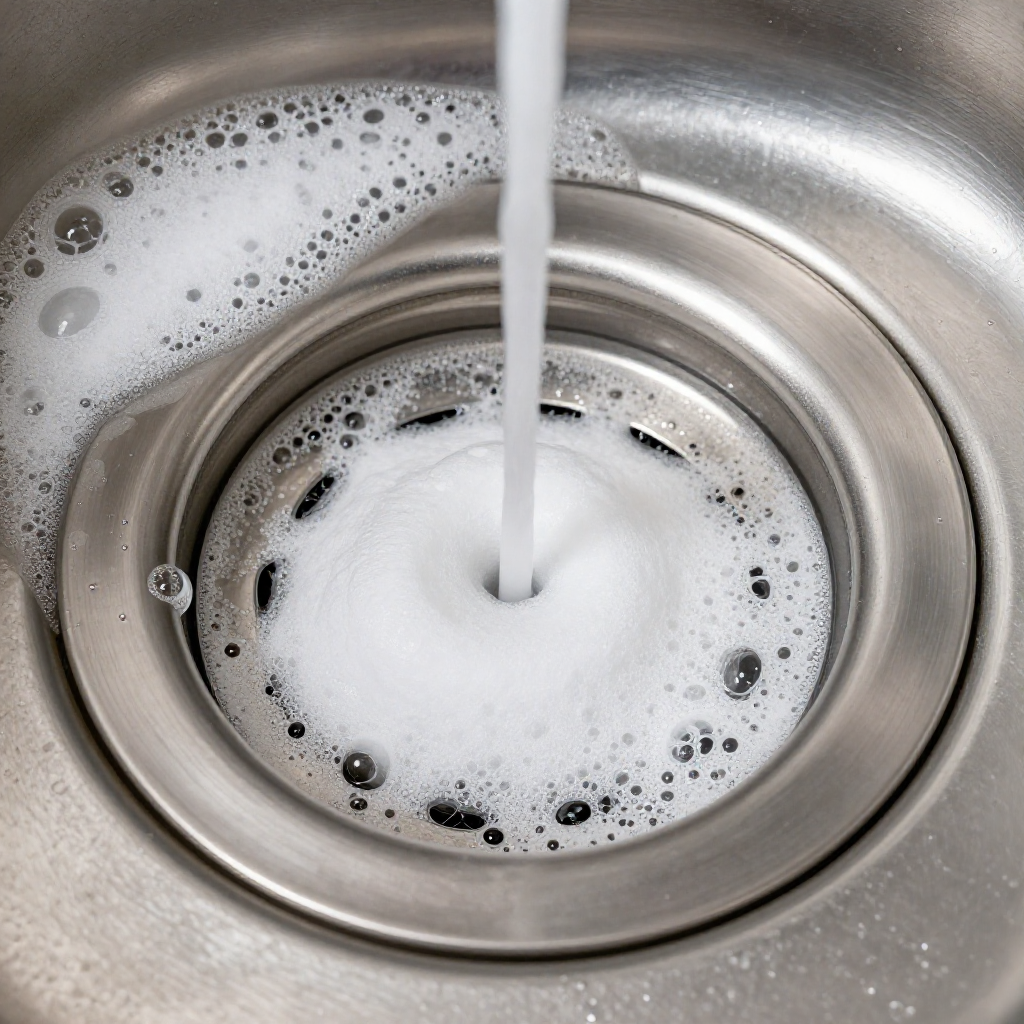
Step 4: Flush with hot water and vinegar
Flush with hot water and vinegarPour 1/2 cup baking soda followed by 1 cup white vinegar down the drain. Wait 15 minutes, then flush with boiling water to clear remaining residue.

autorenew4. If That Doesn't Work

Try the next recovery options.

Use a plungerCreate a seal over the drain and plunge vigorously to dislodge the clog.
chevron_right

Frequently Asked Questions

Can I use chemical drain cleaners?expand_more
Avoid chemical drain cleaners as they can damage pipes and are harmful to the environment. Stick to mechanical methods like plunging or snaking.
Why does my sink drain slowly only sometimes?expand_more
Intermittent slow draining often indicates a partial clog that shifts with water flow. Grease buildup is a common culprit, especially after washing greasy dishes.
How do I prevent future clogs?expand_more
Avoid pouring grease or oil down the drain. Use a sink strainer to catch food particles, and run hot water for 30 seconds after each use to flush debris.
What if snaking doesn't work?expand_more
If snaking fails, the clog may be in the main sewer line. Call a plumber to inspect with a camera or use a hydro-jetter.

warning5. Stop DIY If

Don't continue if any of these apply.

reportWater backs up into multiple drains (tub, toilet, sink)
reportYou see sewage or foul odor coming from the drain
reportYou have used a snake but the clog returns within a day
Still stuck?Get personalized help with AI Recovery.

Same Device Recovery States

Device index arrow_forward

Similar Failure Pattern

This page provides general DIY guidance.
If you're unsure, it's always best to consult a professional.