STUCKFIX
handymanDIY Friendly
shelves

Wall Shelf Bracket Pulling Loose from the Drywall

A shelf bracket pulling away from the wall can drop everything on it without warning. Fix the anchor problem before the whole shelf comes down — and learn what holds weight properly.

Category:Furniture
Difficulty:Easy
Time:15 min
Success:50%
Updated:May 28, 2026

quick_referenceQuick Answer

For Wall Shelf Bracket Pulling Loose from the Drywall, start with "Clear the shelf and remove the loose bracket screws": Stop loading the shelf — every item you add is pulling the anchor further out of the wall. Take everything off the shelf now, before it all comes down at once. Remove the loose screws and the failed anchors from the wall. If the anchor spins inside the hole without backing out, grip its outer flange with needle-nose pliers and pull while turning. Enlarged holes from failed anchors will need to be patched or abandoned in favor of a better mounting method. Stop DIY if the drywall around the bracket area feels soft, crumbly, or shows water stains — the wallboard is compromised and won't hold any anchor. This is listed as a easy recovery and usually takes about 15 min.

verifiedGuide Snapshot

Repair areaFurniture
Estimated time15 min
DifficultyEasy
Stop conditions4

Last updated May 28, 2026. Review the stop conditions before continuing.

account_treeRecovery State

DeviceShelf
Current stateBracket Pulling Out
Specific stateAnchor Failed
Failed stepShelf Installation
Likely failure typeWorn Part
DIY boundaryDIY recovery first
paymentsCost decision

help1. Understand the Problem

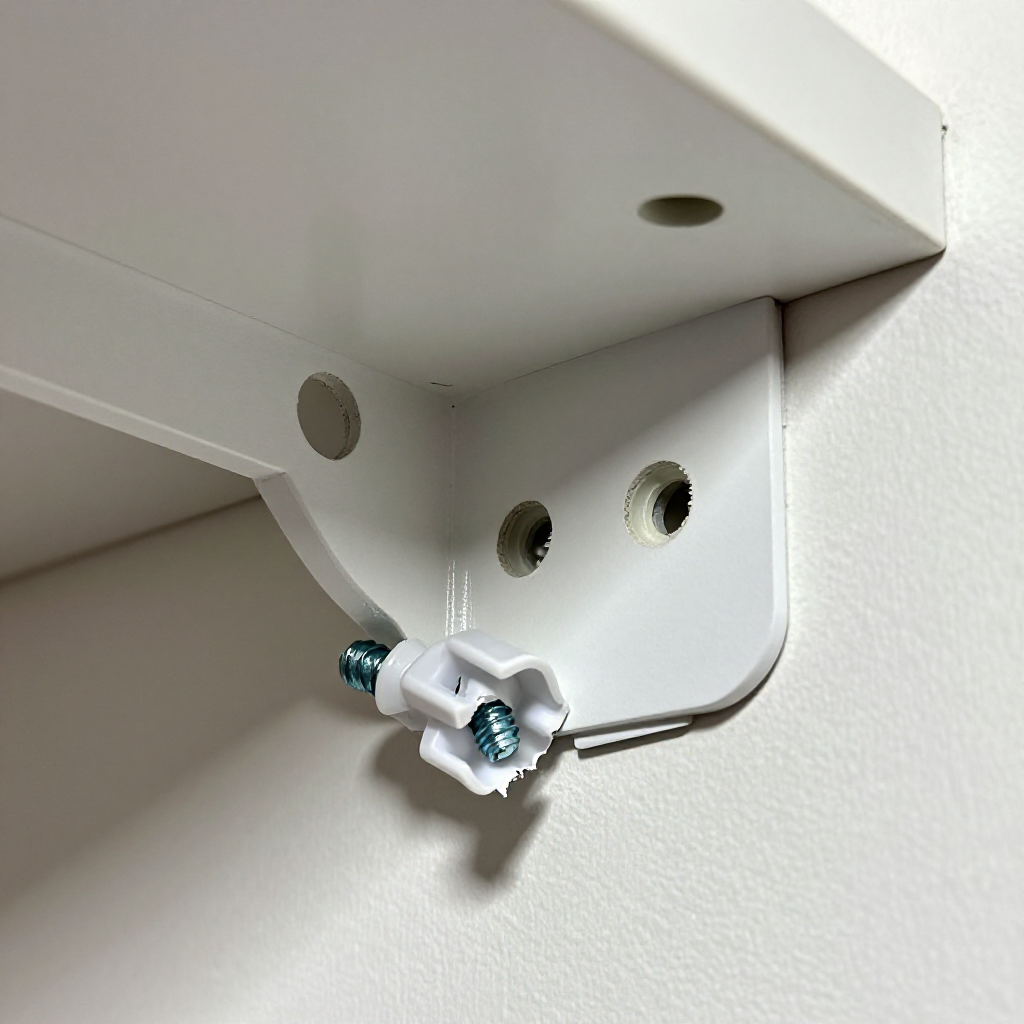
A shelf bracket pulling loose from drywall almost always means the anchors were wrong for the load. Plastic expansion anchors can only hold about 25-50 pounds in drywall, and that drops dramatically if the hole was drilled oversized or if the shelf has been overloaded repeatedly. The screws wiggle every time something is set on or taken off the shelf, slowly enlarging the hole until the anchor has nothing left to grip. In many cases, the bracket was installed into drywall alone when there was a stud just a few inches away.

build_circle2. Try This First
Best First Step
Clear the shelf and remove the loose bracket screws

Clear the shelf and remove the loose bracket screws

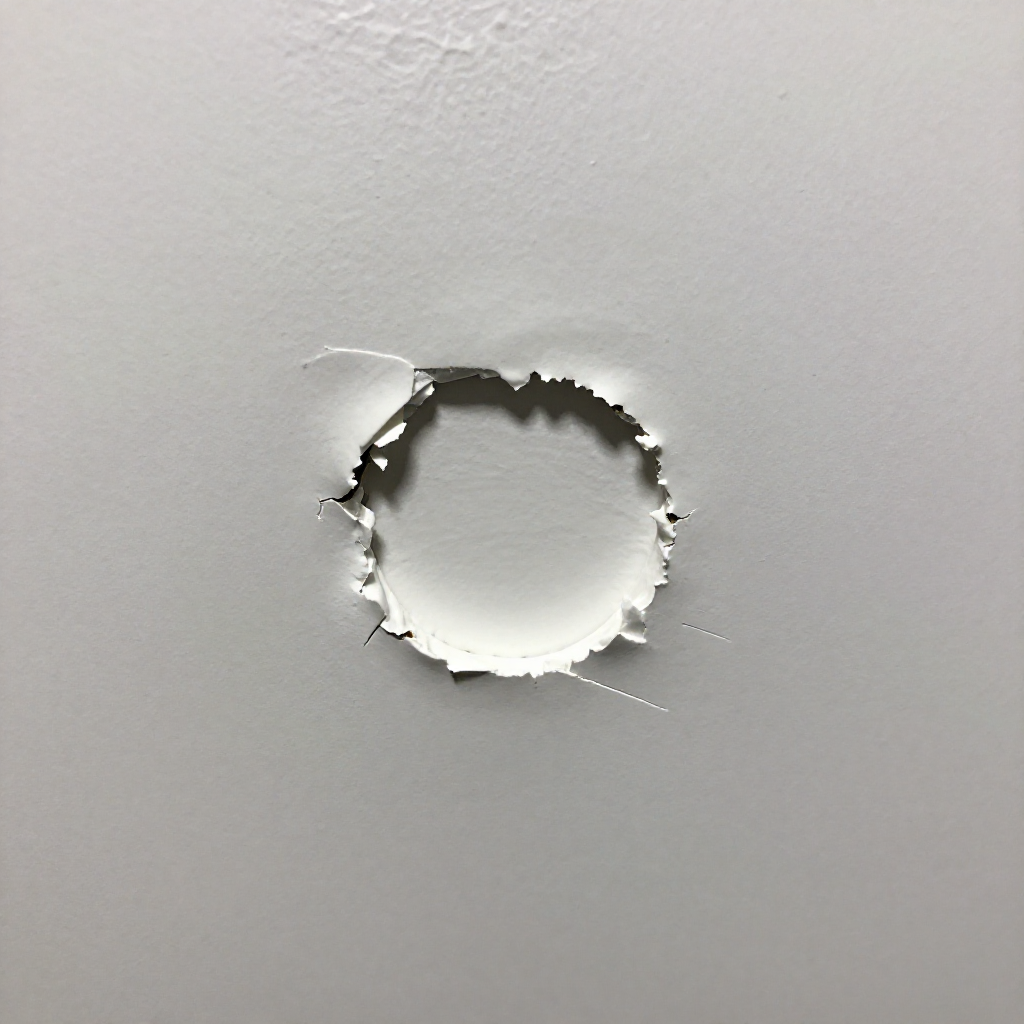
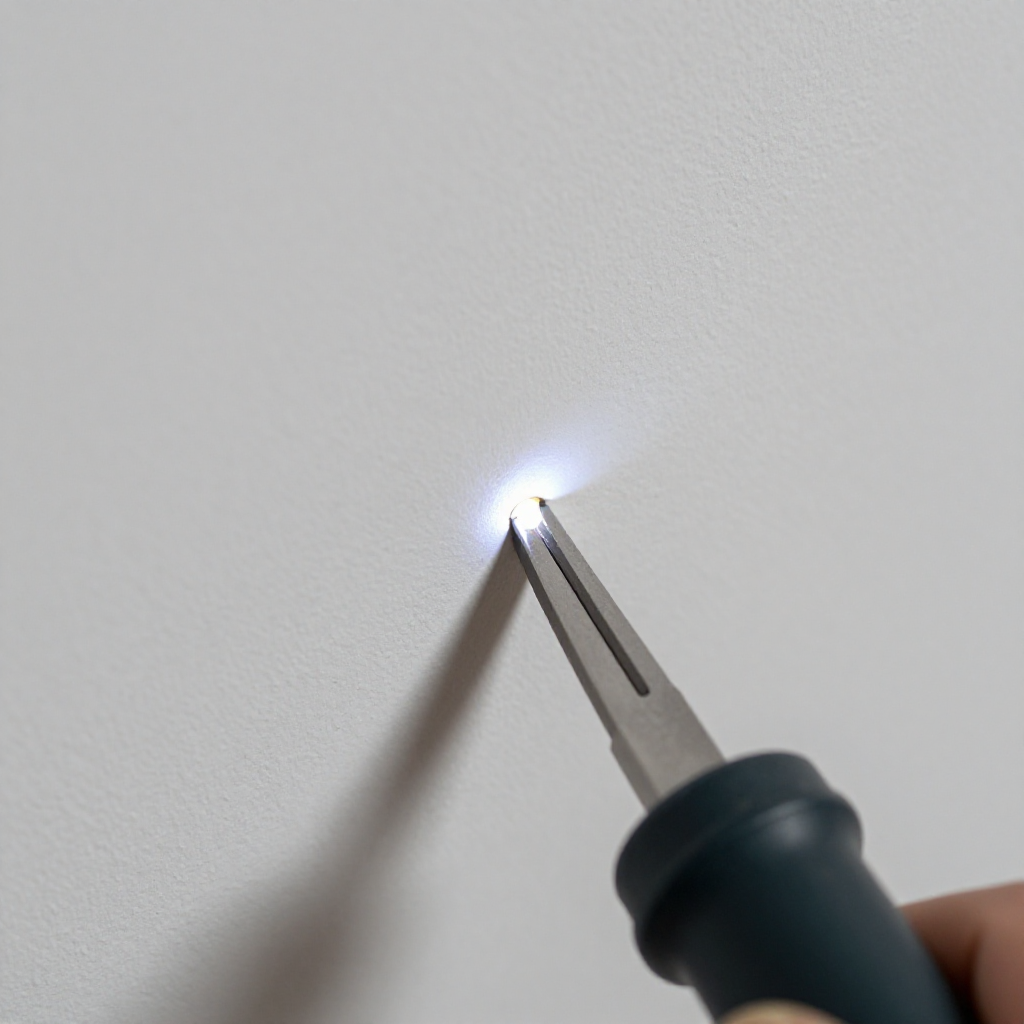
Stop loading the shelf — every item you add is pulling the anchor further out of the wall. Take everything off the shelf now, before it all comes down at once. Remove the loose screws and the failed anchors from the wall. If the anchor spins inside the hole without backing out, grip its outer flange with needle-nose pliers and pull while turning. Enlarged holes from failed anchors will need to be patched or abandoned in favor of a better mounting method.

visibility3. Visual Guidance

See what's happening and how to try the first recovery step.
1
Locate studs and remount into wood if possible
Locate studs and remount into wood if possibleUse a stud finder to locate the nearest wall stud. Even shifting the bracket two inches to hit a stud is worth it for the strength gain. A single screw into a stud holds 80-100 pounds — versus 25-50 pounds for the best drywall anchors. If the shelf layout won't let you hit studs with all brackets, mount at least the end brackets into studs and use heavy-duty toggles for the middle ones.
2
Patch old anchor holes if reusing the same position
Patch old anchor holes if reusing the same positionIf you must use the same bracket location, enlarge the stripped holes to 3/8 inch to remove the crumbled drywall. Fill each hole with setting-type joint compound — not spackle, which has no structural strength. Let it cure fully per the package instructions, sand flat, then redrill a clean hole and install a snap-toggle or molly bolt rated for the shelf load.
3
Install toggle bolts for the strongest drywall hold
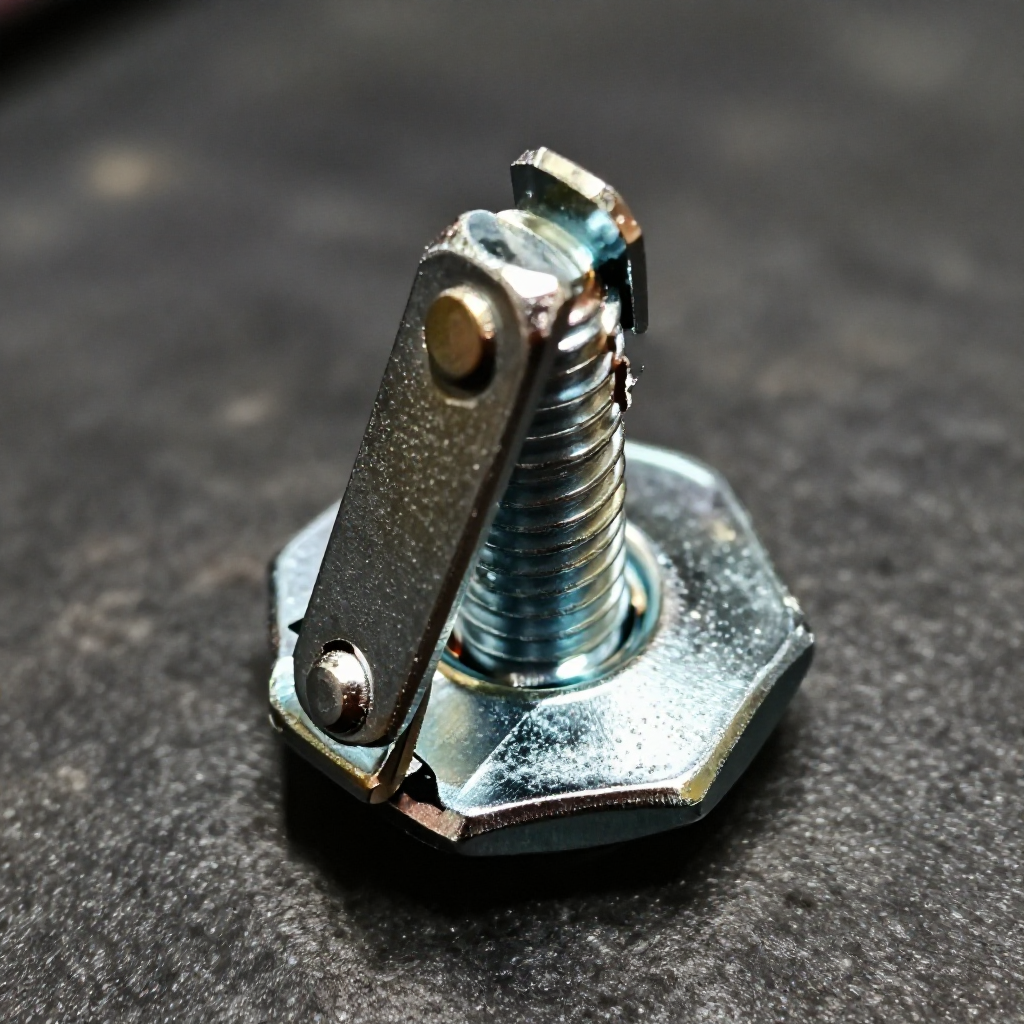
Install toggle bolts for the strongest drywall holdFor brackets that can't hit studs, drill a hole sized for the folded toggle bolt. Slide the toggle through the bracket hole first, then feed the folded toggle through the drywall until it springs open behind the wall. Pull the bracket tight against the wall while tightening the screw. Toggle bolts hold 80-100 pounds each in 1/2-inch drywall — they work by spreading the load across a much larger surface behind the wall. Just don't over-tighten, or the toggle can cut through the back of the drywall.
4
Level and test the shelf before reloading
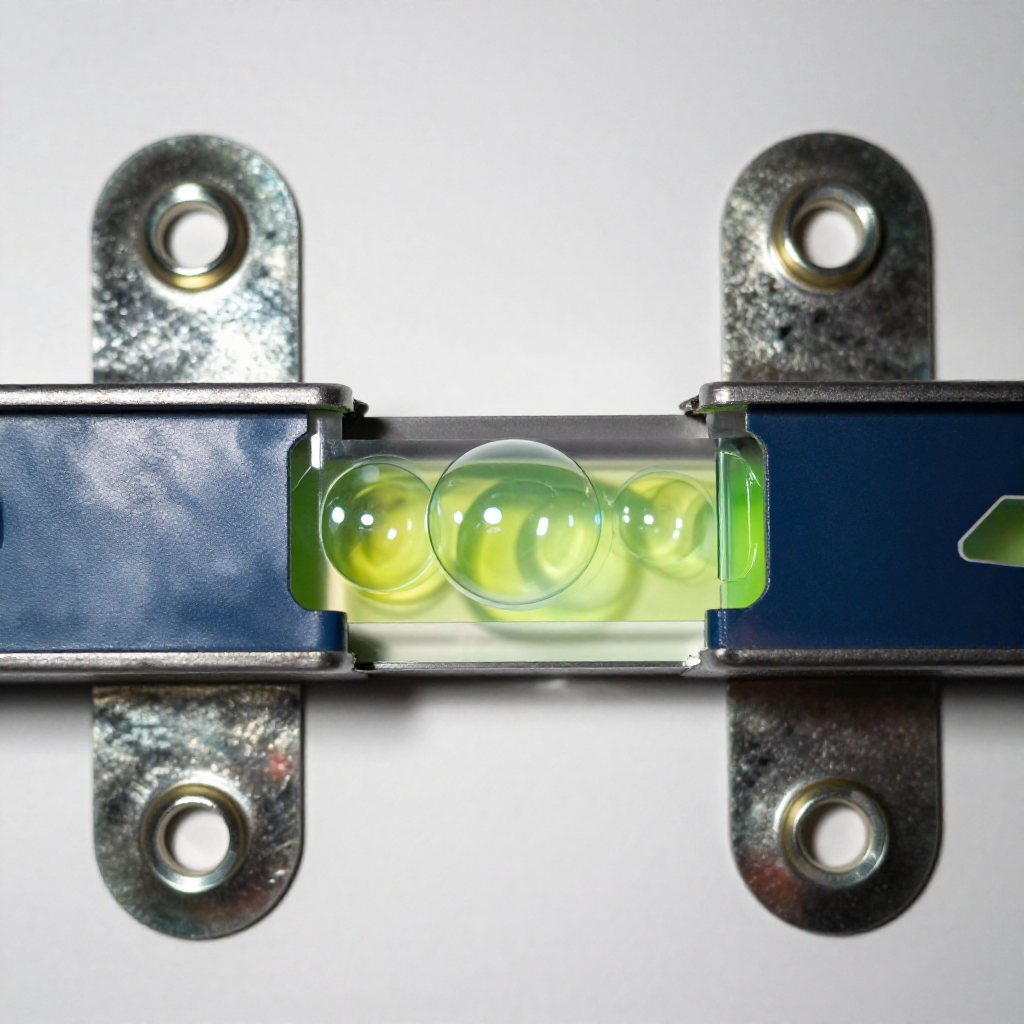
Level and test the shelf before reloadingRemount all brackets with the new anchors or stud screws. Place a level across the brackets to confirm they are aligned. Press down firmly on each bracket by hand — it should not flex, creak, or shift. Start reloading the shelf with the heaviest items near the bracket positions, not in the center span. Test with double the expected load first before trusting it with valuables.

autorenew4. If That Doesn't Work

Try the next recovery options.

carpenter
Install a French cleat for heavy-duty mountingIf you are hanging a shelf that needs to hold serious weight — books, microwave, heavy decor — ditch brackets entirely and cut a French cleat. The upper cleat screws into studs every 16 inches, and the shelf hangs on it. No anchors, no toggles, no worries.
chevron_right
view_list
Use a shelf pin strip system for adjustable shelvesFor between-stud locations that need adjustable shelving, install two vertical metal shelf standards. Each standard screws into the studs at multiple points and provides adjustable slots for brackets. This distributes the load along the whole standard instead of two anchor points.
chevron_right

Frequently Asked Questions

Why did my drywall anchors fail even though I used the weight-rated kind?expand_more
Weight ratings on anchor packaging assume perfect installation conditions: correct hole size, standard 1/2-inch drywall, and static load only. Real-world conditions — an oversized drill bit, drywall that's older and softer, and the repeated shock of setting items on the shelf — all reduce the actual hold capacity significantly. Always use anchors rated for at least double your expected load.
Can I just use longer screws instead of anchors?expand_more
No. A longer screw in drywall alone still only grabs the half-inch of gypsum. Without an anchor or a stud behind it, the length doesn't matter. A 3-inch screw pulls out of drywall just as easily as a 1-inch screw because there's nothing solid for the threads to bite into.
What's the strongest drywall anchor for a shelf bracket?expand_more
Snap-toggle bolts are the strongest practical option for 1/2-inch drywall, holding up to 100 pounds per anchor in shear. Molly bolts are second best at about 50-75 pounds. Plastic expansion anchors and self-drilling thread anchors are the weakest and should only be used for lightweight decorative shelves.

warning5. Stop DIY If

Don't continue if any of these apply.

reportThe drywall around the bracket area feels soft, crumbly, or shows water stains — the wallboard is compromised and won't hold any anchor.
reportThe shelf bracket itself is bent, cracked, or shows metal fatigue at the bend — replace it, don't remount it.
reportYou are mounting into a wall that might contain plumbing or electrical lines behind the bracket location.
reportThe shelf is holding more than 150 pounds total — at that weight consider floor-supported shelving instead of wall-mounted.
Still stuck?Get personalized help with AI Recovery.

Related Recovery Problems

View all arrow_forward

Similar Failure Pattern

This page provides general DIY guidance.
If you're unsure, it's always best to consult a professional.