STUCKFIX
handymanDIY Friendly
wallpaper

Drywall Anchor Spinning in Place and Won't Come Out

A drywall anchor that spins without catching or backing out stops any project cold. Learn how to snap, cut, or pull it without making a hole so big your new fixture can't cover it.

Category:Hardware
Difficulty:Easy
Time:10 min
Success:50%
Updated:May 25, 2026

quick_referenceQuick Answer

For Drywall Anchor Spinning in Place and Won't Come Out, start with "Pull outward while unscrewing to engage what's left of the drywall": Stop turning the screw without pulling — that's what reams the hole wider. Slide the claw of a hammer or a flat pry bar under the screw head with a thin piece of cardboard protecting the wall. Apply steady outward pressure while you slowly unscrew. Many times the anchor will catch a remaining drywall edge and walk itself out. If the screw just spins faster, move to cutting it off. Stop DIY if the anchor is near an electrical outlet and you feel resistance that might be a wire — stop and check with a non-contact voltage tester. This is listed as a easy recovery and usually takes about 10 min.

verifiedGuide Snapshot

Repair areaHardware
Estimated time10 min
DifficultyEasy
Stop conditions3

Last updated May 25, 2026. Review the stop conditions before continuing.

account_treeRecovery State

Current stateSpinning In Place
Specific stateDrywall Crumbled Or Anchor Stripped
Failed stepAnchor Removal
Likely failure typeWorn Part
DIY boundaryDIY recovery first
paymentsCost decision

help1. Understand the Problem

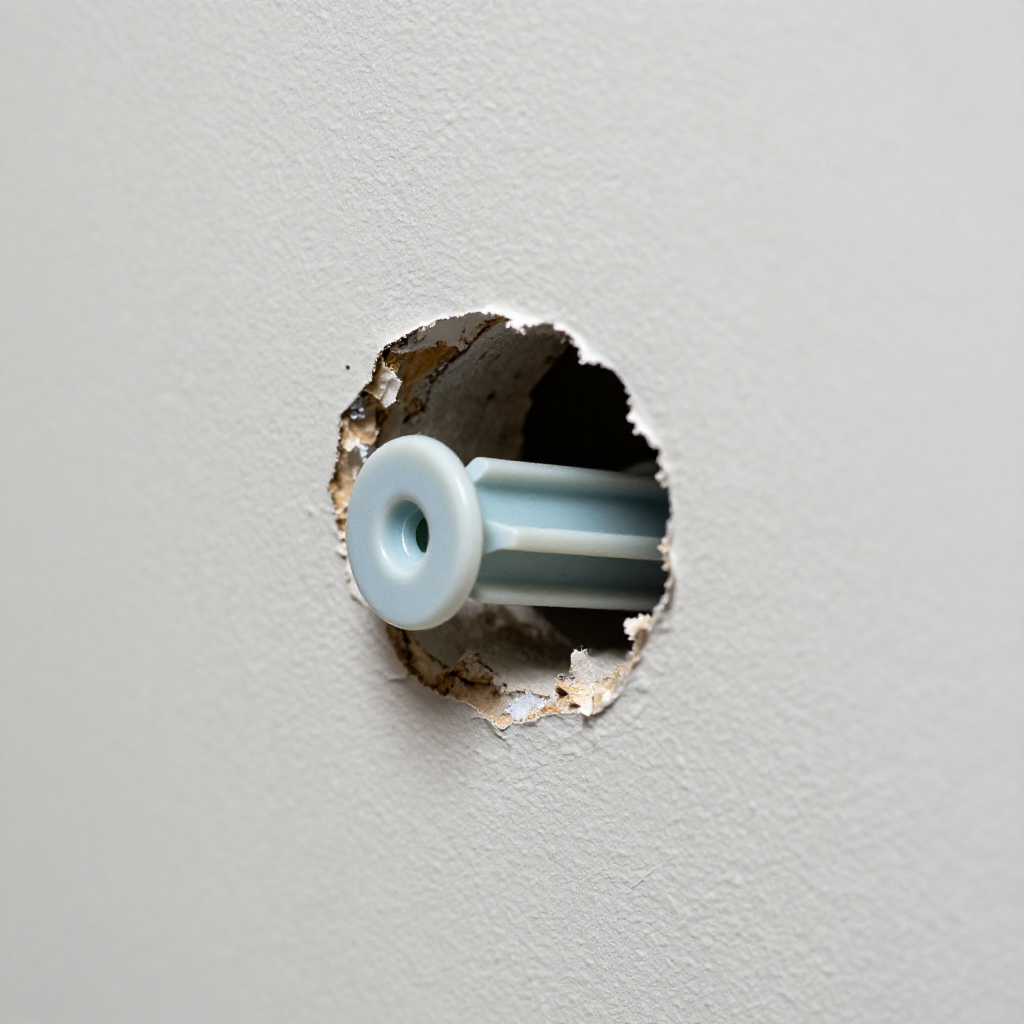
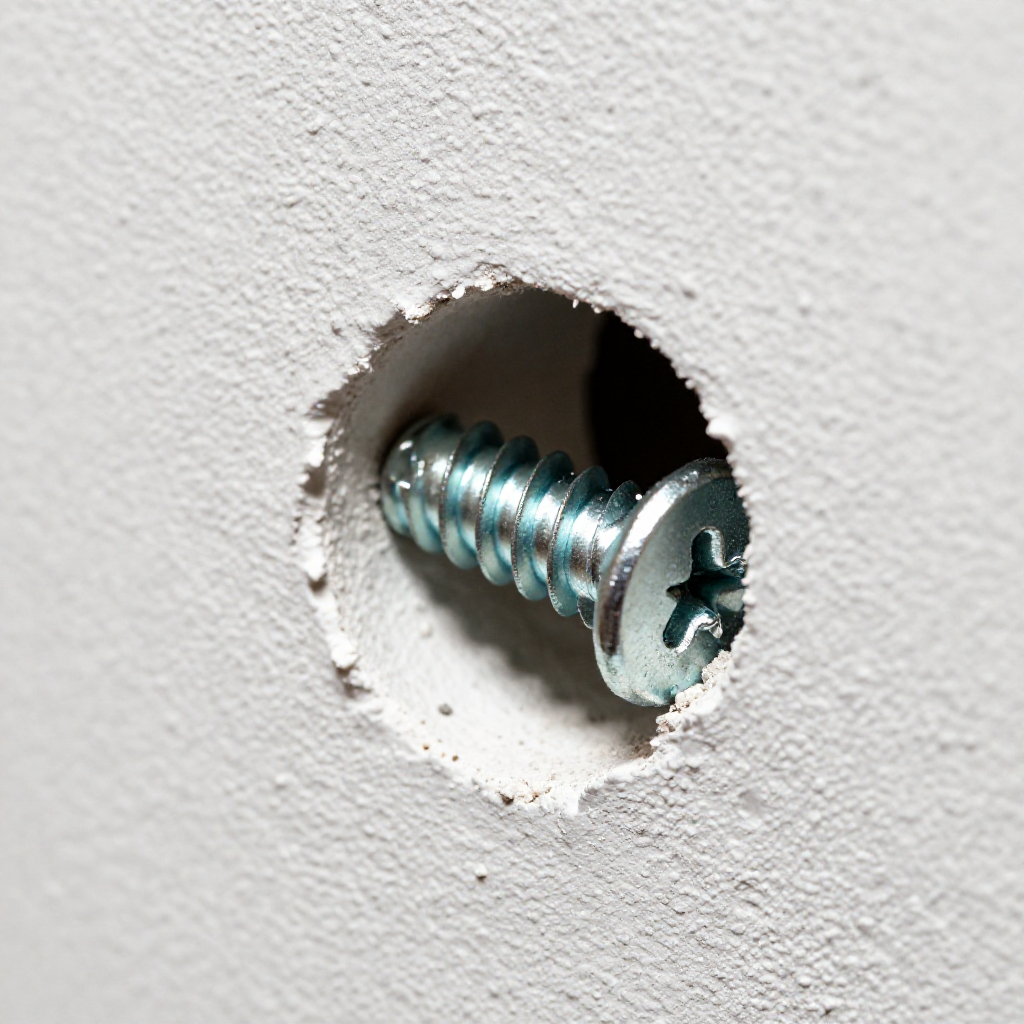
Plastic expansion anchors and self-drilling anchors spin when the drywall around them crumbles, the anchor body strips inside the hole, or the screw itself seized to the anchor. If you keep turning, you're just reaming the hole wider — which makes patching and remounting harder.

build_circle2. Try This First
Best First Step
Pull outward while unscrewing to engage what's left of the drywall

Pull outward while unscrewing to engage what's left of the drywall

Stop turning the screw without pulling — that's what reams the hole wider. Slide the claw of a hammer or a flat pry bar under the screw head with a thin piece of cardboard protecting the wall. Apply steady outward pressure while you slowly unscrew. Many times the anchor will catch a remaining drywall edge and walk itself out. If the screw just spins faster, move to cutting it off.

visibility3. Visual Guidance

See what's happening and how to try the first recovery step.
1
Grip the anchor head with needle-nose pliers while turning the screw
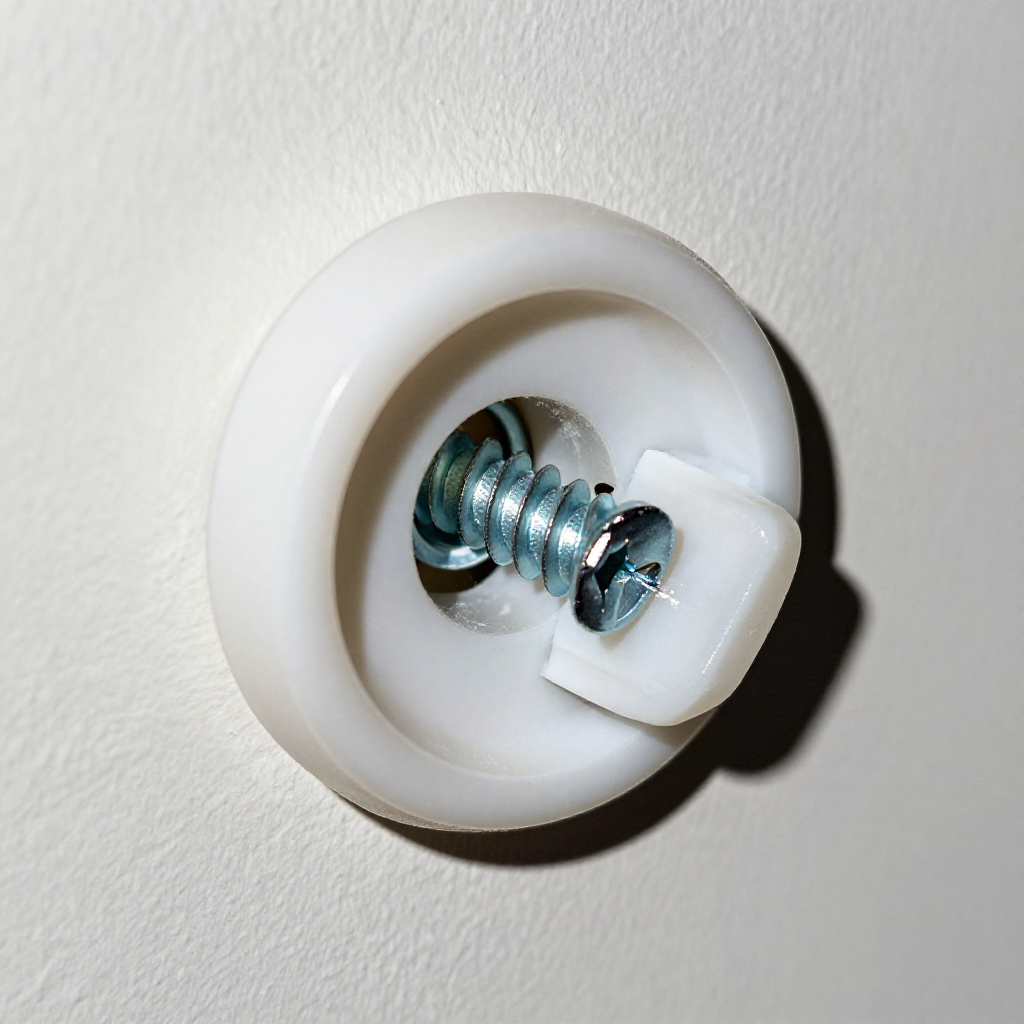
Grip the anchor head with needle-nose pliers while turning the screwIf there's enough of the plastic flange exposed, clamp needle-nose pliers onto it tight and hold it still while you back the screw out with a screwdriver in the other hand. This keeps the anchor body from spinning so the screw threads can back out of it.
2
Snap off the anchor head flush with the wall
Snap off the anchor head flush with the wallIf you can't back the screw out, cut your losses. Use a sharp utility knife to score around the anchor head, then grip the head with pliers and snap it side-to-side until the flange breaks off. Push what's left through the wall into the cavity — better a clean hole to patch than a mangled one.
3
Patch the hole and use a toggle bolt instead
Patch the hole and use a toggle bolt insteadOnce the old anchor is out or pushed through, fill the hole with spackle and let it dry. The hole is now too big for another expansion anchor, but a toggle bolt or snap-toggle needs a bigger hole anyway and holds 50+ lbs in 1/2-inch drywall — far more than a plastic anchor ever could.

autorenew4. If That Doesn't Work

Try the next recovery options.

construction
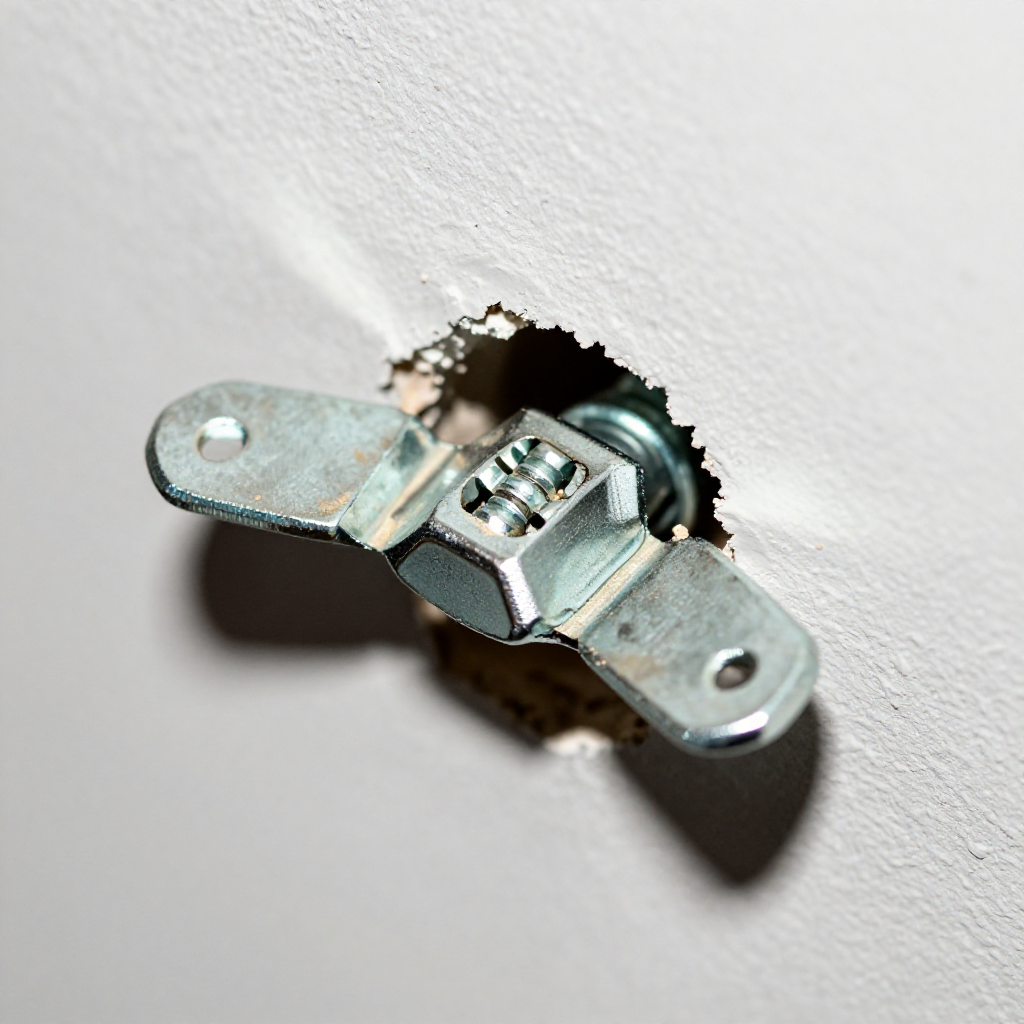
Drill it out with a bit larger than the screw shankFor metal self-drilling anchors that are really stuck, drill the head off with a bit slightly wider than the screw body. Go slow — you only want to decapitate the screw, not ream the drywall. The anchor body drops into the cavity.
chevron_right
hardware
Use a screw extractor for metal anchorsIf it's a metal anchor with a seized screw, a small screw extractor bit in a drill (reverse) can bite into the screw head and back it out. This only works if the metal anchor itself isn't spinning inside the wall.
chevron_right
crop_square
Cut around and use a larger decorative escutcheon plateIf you need to mount something in exactly this spot, saw out a clean square around the anchor, install a piece of plywood blocking inside the wall cavity, patch, and mount to the blocking. Then cover the larger patch with an oversized escutcheon plate.
chevron_right

Frequently Asked Questions

Why do drywall anchors start spinning?expand_more
The drywall around the anchor has crumbled from too much torque or weight. Once the anchor loses its grip on the drywall paper and gypsum, it just spins freely in the hole.
Can I reuse the same hole after removing a spinning anchor?expand_more
Generally no — the hole is now oversized and the drywall is weakened. Use a toggle bolt instead, which needs a larger hole anyway, or move the mounting point slightly.
What's better than plastic expansion anchors?expand_more
For anything heavier than a small picture, use toggle bolts (snap-toggle or butterfly), Molly bolts, or drive the screw directly into a wall stud. Plastic anchors are fine for light static loads only.
How much weight can a drywall anchor actually hold?expand_more
A standard plastic expansion anchor is rated for 25-50 lbs in 1/2-inch drywall, but that's static vertical shear. Any wiggling or outward pull drops that dramatically. For TV mounts, shelves, or grab bars, you must hit studs.

warning5. Stop DIY If

Don't continue if any of these apply.

reportThe anchor is near an electrical outlet and you feel resistance that might be a wire — stop and check with a non-contact voltage tester.
reportThe drywall around the anchor is soft, spongy, or damp — this indicates a water leak, and the wall cavity needs inspection.
reportYou've created a hole larger than 2 inches — at this point you need drywall patching skills and possibly a California patch.
Still stuck?Get personalized help with AI Recovery.

Related Recovery Problems

View all arrow_forward

Same Device Recovery States

Device index arrow_forward

Similar Failure Pattern

This page provides general DIY guidance.
If you're unsure, it's always best to consult a professional.