STUCKFIX
handymanDIY Friendly
build

Light Fixture Flickering? Check the Electrical Connection

A fluttering ceiling light usually points to a loose wire or bad bulb contact. Safely diagnose and tighten connections to restore steady illumination.

Category:Electrical
Difficulty:Moderate
Time:20 min
Success:50%
Updated:Jul 28, 2026

quick_referenceQuick Answer

For Light Fixture Flickering? Check the Electrical Connection, start with "Turn Off Power at the Breaker": Locate the correct circuit breaker for the light fixture and switch it off. Use a non-contact voltage tester at the wall switch to confirm no power is present. Stop DIY if the breaker trips immediately when you restore power. This is listed as a moderate recovery and usually takes about 20 min.

verifiedGuide Snapshot

Repair areaElectrical
Estimated time20 min
DifficultyModerate
Stop conditions4

Last updated Jul 28, 2026. Review the stop conditions before continuing.

account_treeRecovery State

Current stateFlickering
Specific stateLoose Connection
Failed stepLoose Wire Terminal
Likely failure typeElectrical Fault
DIY boundaryDIY recovery first
paymentsCost decision

help1. Understand the Problem

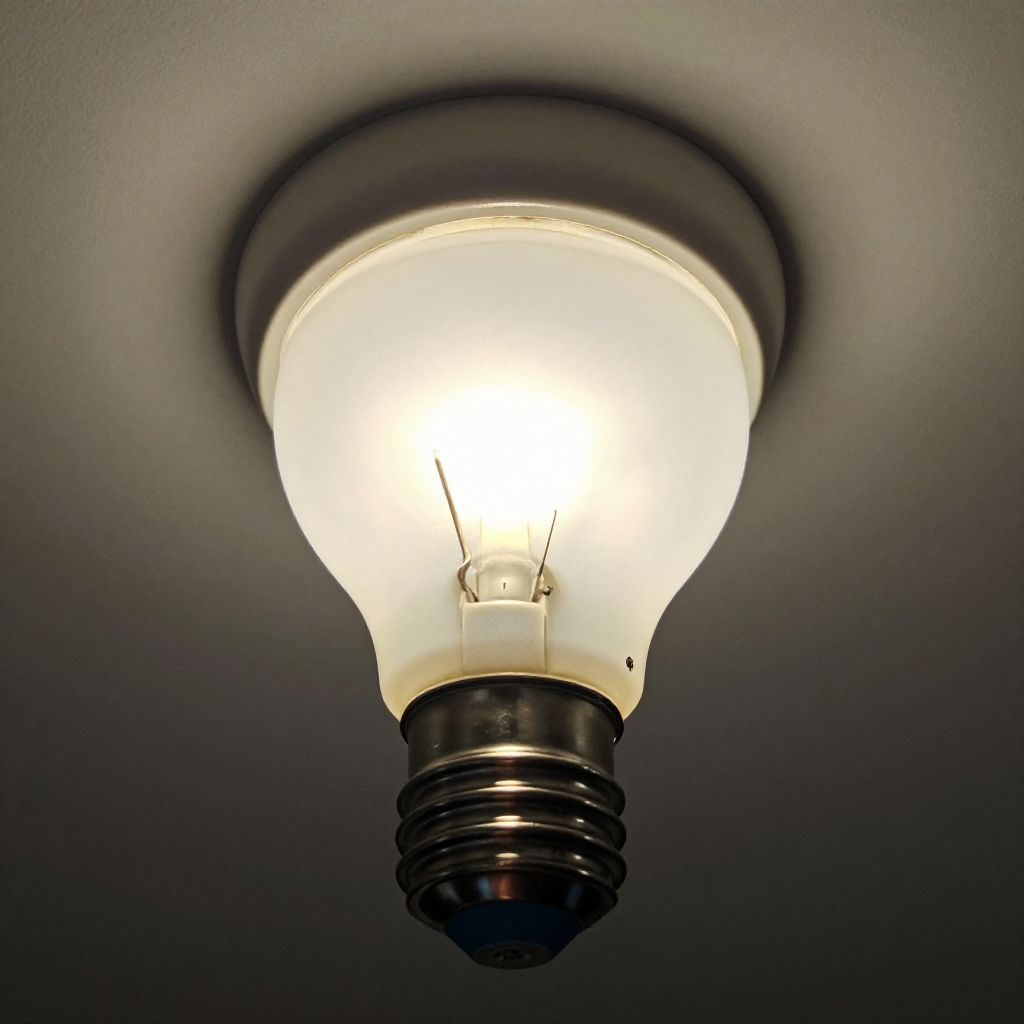
A flickering light fixture isn't just annoying—it can indicate a poor electrical connection that leads to arcing and overheating. Common causes include a loose bulb, faulty socket tab, or wire that has come undone at the screw terminal. Ignoring the issue can damage the fixture and pose a fire risk.

build_circle2. Try This First
Best First Step
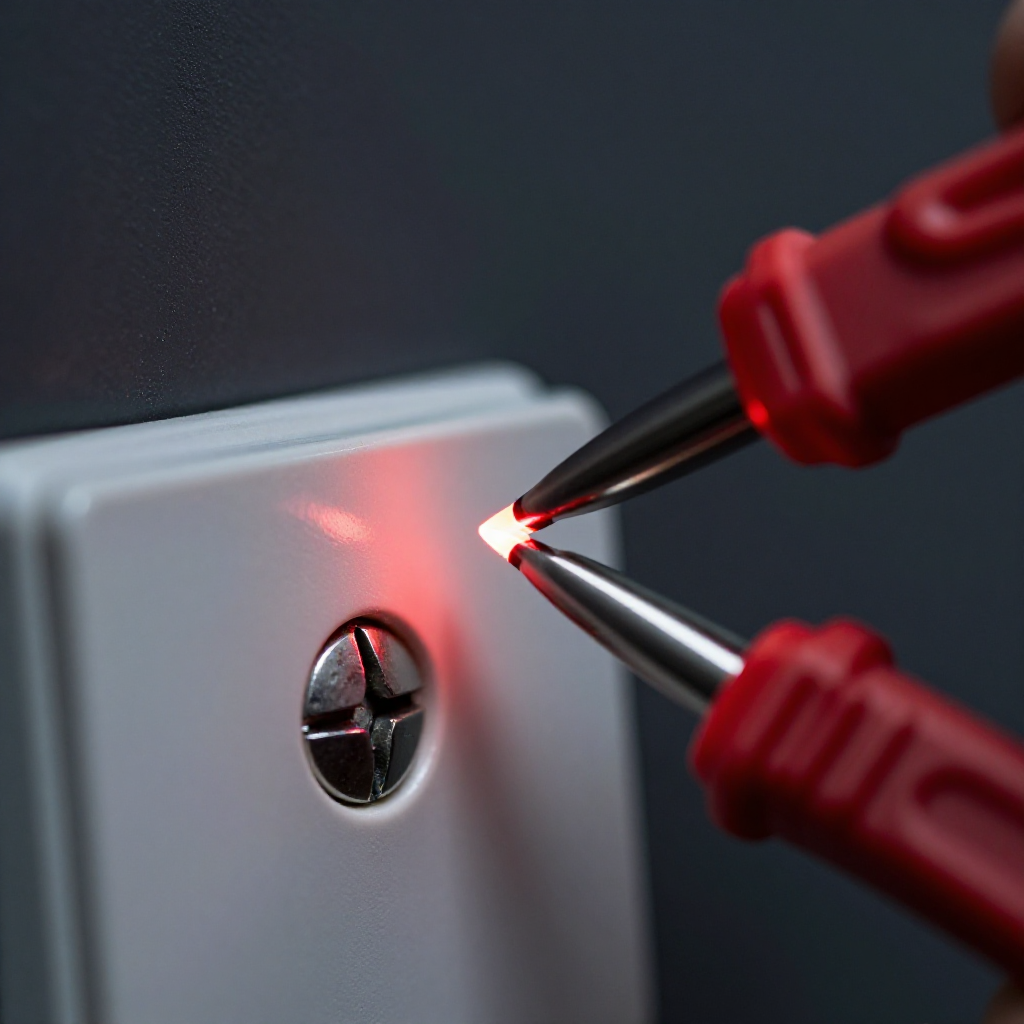
Turn Off Power at the Breaker

Turn Off Power at the Breaker

Locate the correct circuit breaker for the light fixture and switch it off. Use a non-contact voltage tester at the wall switch to confirm no power is present.

visibility3. Visual Guidance

See what's happening and how to try the first recovery step.
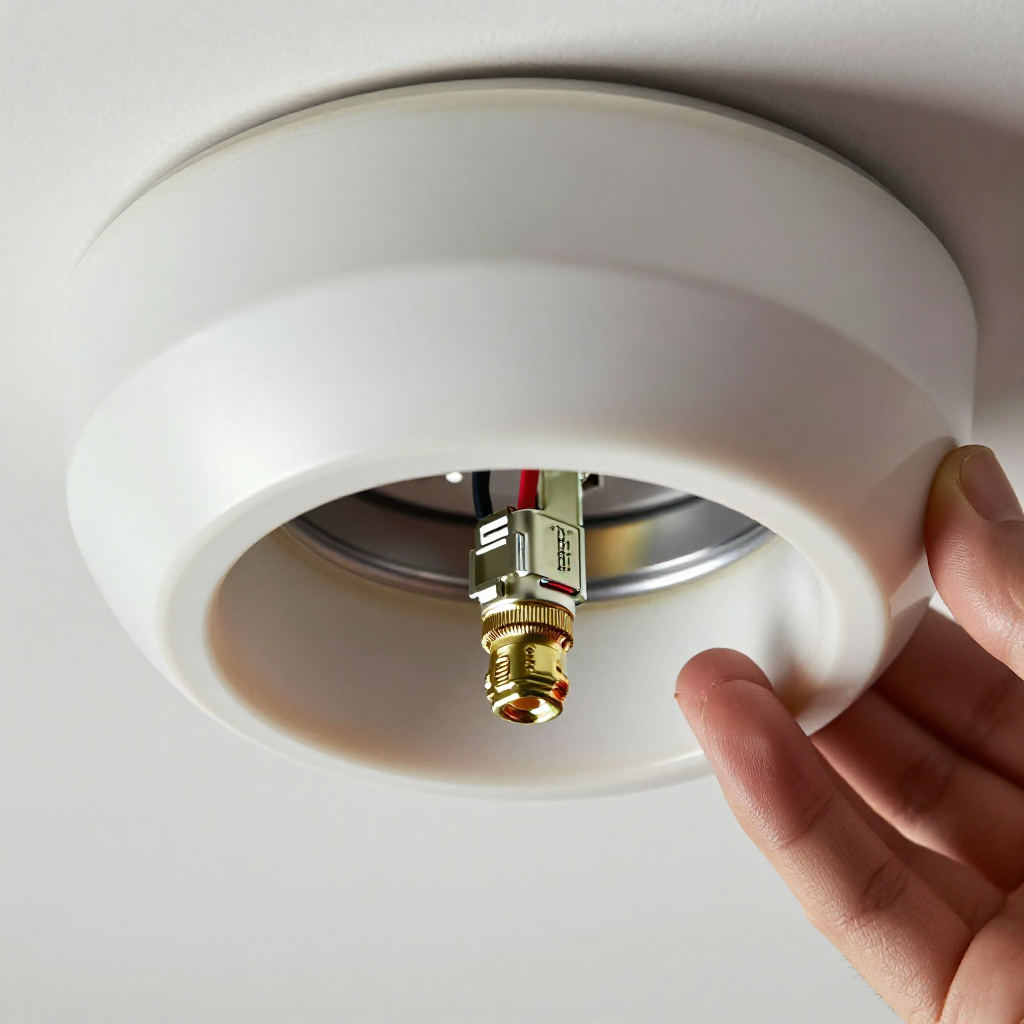
1
Remove the Fixture Canopy
Remove the Fixture CanopyUnscrew the canopy nut or screws securing the fixture to the ceiling box, and lower the housing to access wires.
2
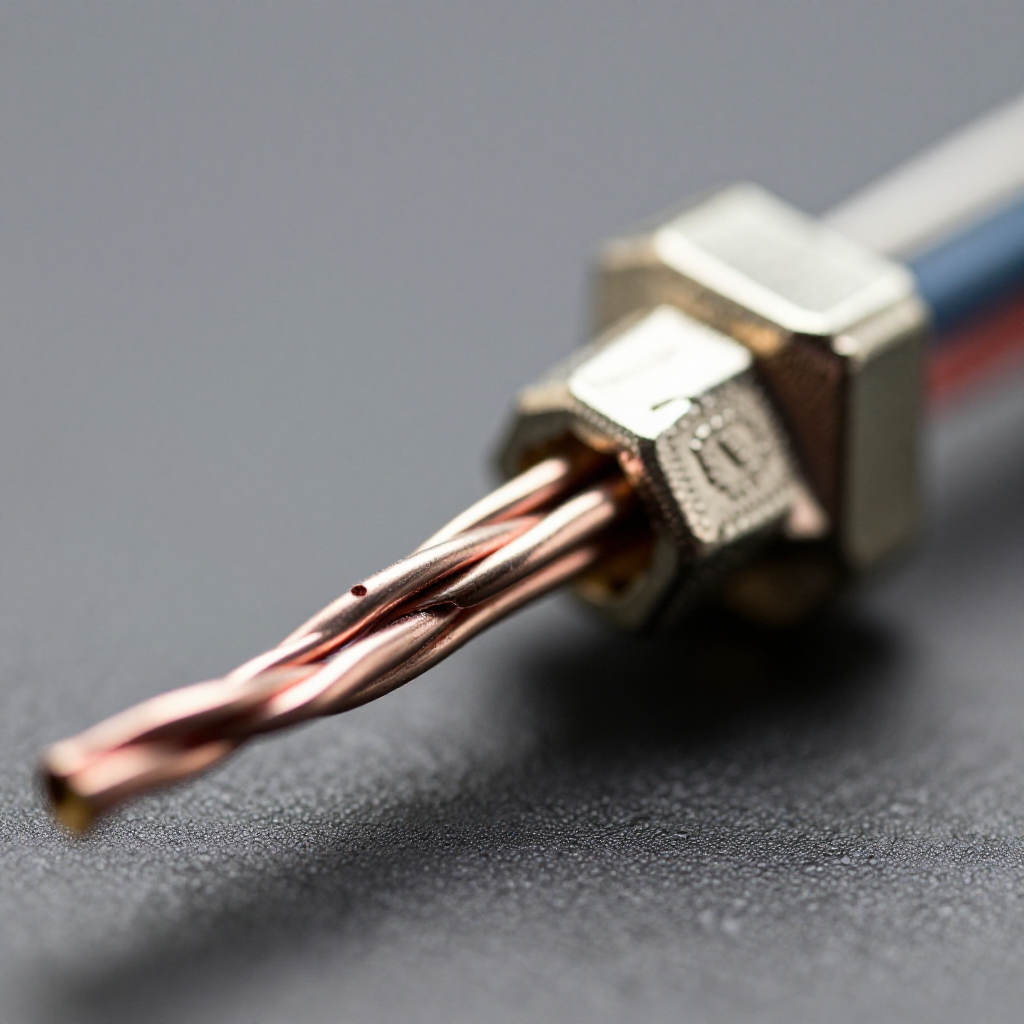
Inspect Wire Connections
Inspect Wire ConnectionsCheck the wire nuts for tightness. Twisted connections should have no exposed copper. Re-twist and cap if needed.
3
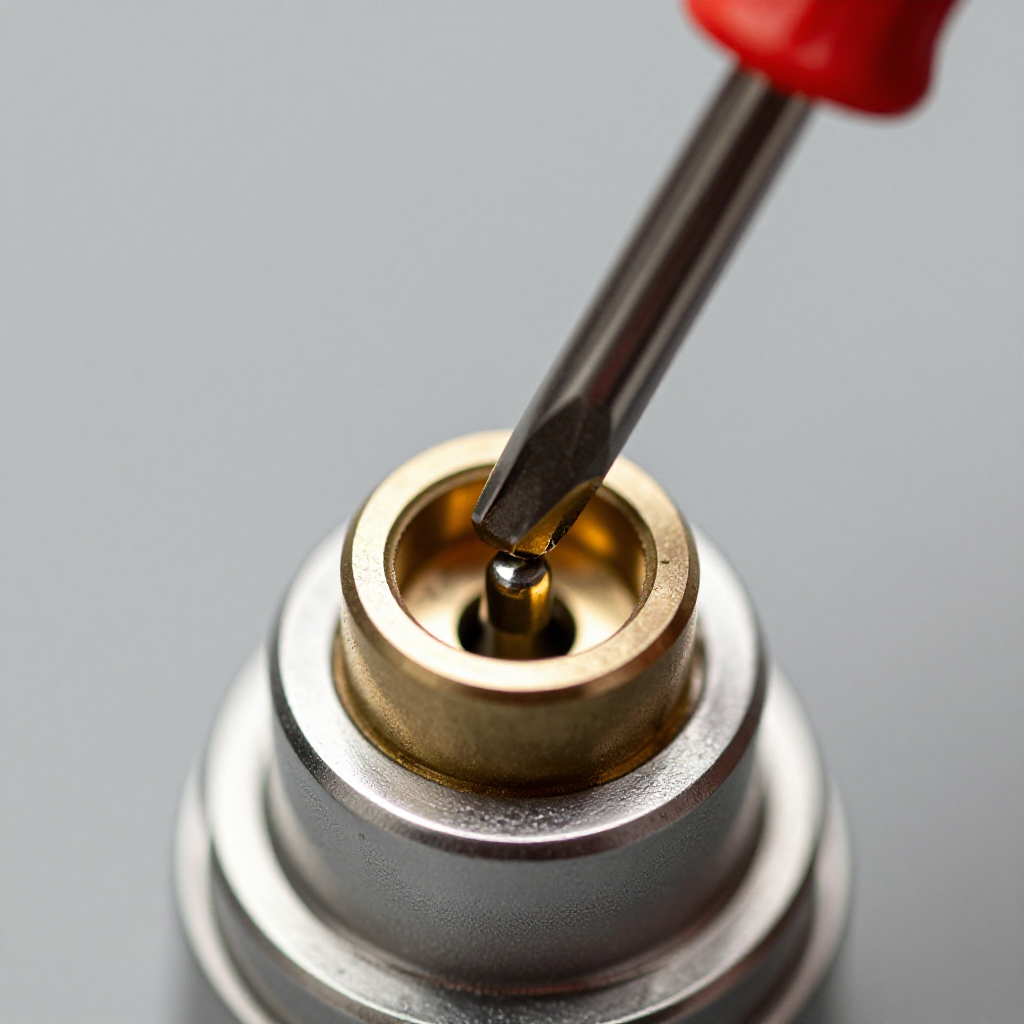
Check the Socket Tab
Check the Socket TabInside the bulb socket, the brass contact tab may be flattened. With power off, use a insulated screwdriver to gently pry it up.
4
Reassemble and Test
Reassemble and TestSecure the fixture canopy, install a bulb, then turn the breaker back on. Monitor for steady light without flicker or buzz.

autorenew4. If That Doesn't Work

Try the next recovery options.

Replace the Bulb FirstBefore opening the fixture, try a new LED bulb of correct wattage. Sometimes the bulb itself is failing and causing the flicker.
chevron_right
Check the Wall SwitchA worn dimmer switch can send irregular power. Replace the switch if it feels hot or makes noise.
chevron_right

Frequently Asked Questions

Is a flickering light dangerous?expand_more
It can be, yes. Loose connections cause arcing and heat, which can lead to electrical fires. Fix it promptly.
What if the flickering happens only on a dimmer?expand_more
Old dimmers and non-dimmable LEDs cause flicker. Upgrade to an LED-compatible dimmer or install a dimmable bulb.
Why does the flicker stop when I touch the fixture?expand_more
You may be temporarily completing a loose ground or neutral connection. This indicates a wiring fault that needs repair.
Can I fix it without turning off the breaker?expand_more
Absolutely not. Always de-energize the circuit to prevent shock. Use a voltage tester to confirm.

warning5. Stop DIY If

Don't continue if any of these apply.

reportThe breaker trips immediately when you restore power
reportYou see scorch marks or melted wire insulation
reportThe flickering is affecting multiple rooms on the same circuit
reportThe ceiling box contains aluminum wiring and you don't have special connectors
Still stuck?Get personalized help with AI Recovery.

Same Device Recovery States

Device index arrow_forward

Similar Failure Pattern

This page provides general DIY guidance.
If you're unsure, it's always best to consult a professional.