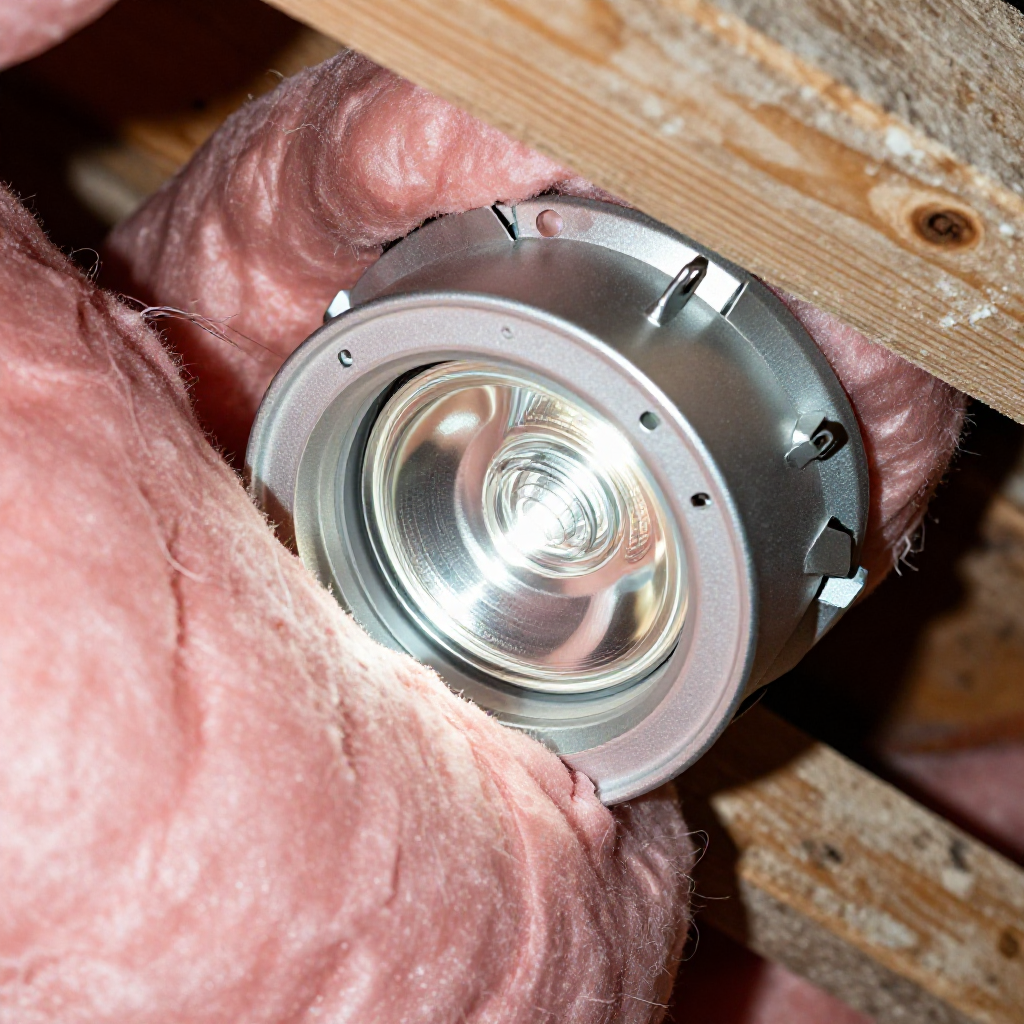
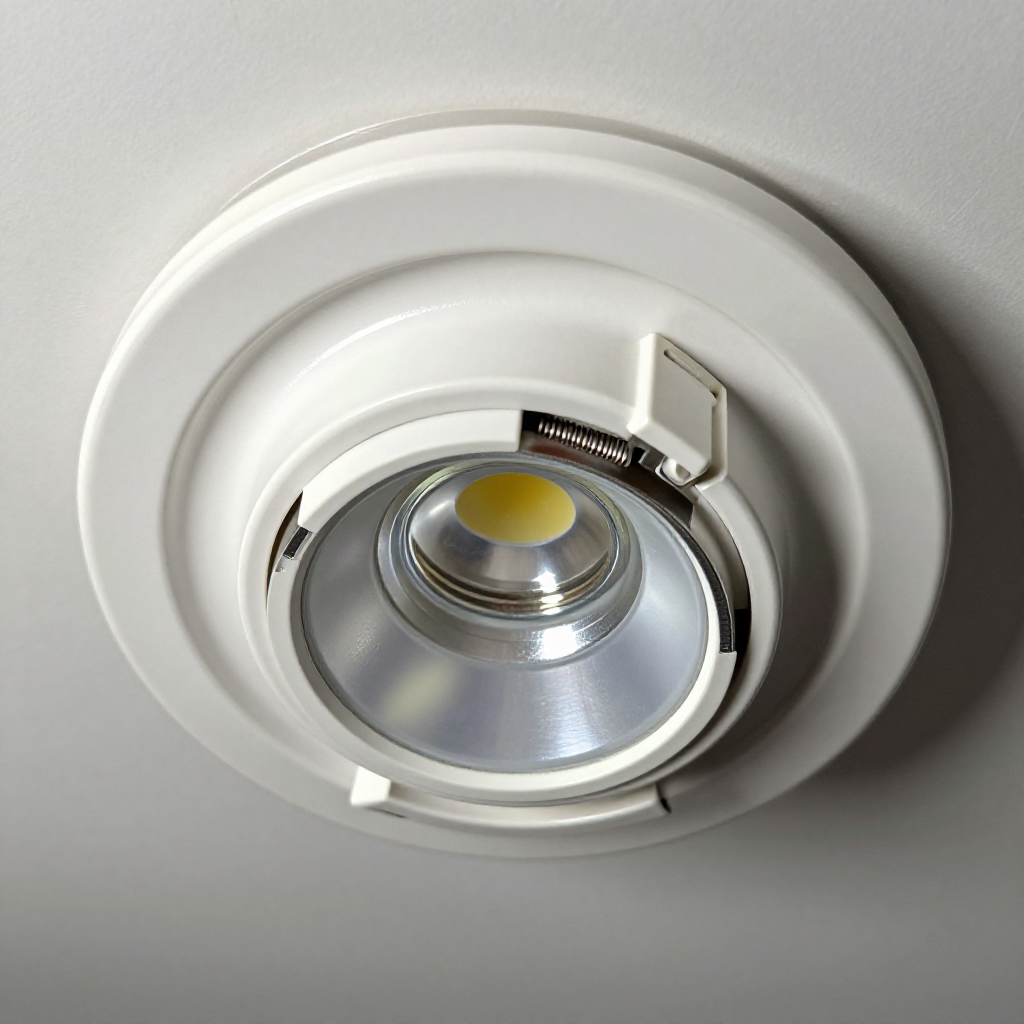
STUCKFIX
handymanDIY Friendly
light

Recessed Light Keeps Turning Off Then Back On Later

A recessed light that shuts off and comes back on later is tripping its thermal overload. Find whether it's the bulb, the housing, or attic insulation causing the cycle.

Category:Electrical
Difficulty:Moderate
Time:20 min
Success:50%
Updated:May 26, 2026

quick_referenceQuick Answer

For Recessed Light Keeps Turning Off Then Back On Later, start with "Check the bulb wattage against the fixture rating": Shut off the breaker before touching anything near a light fixture that has been cycling on and off — the thermal cutout is a safety device and cycling means something is overheating. Unscrew the bulb and read the wattage printed on its base. Now look inside the can housing for a label or sticker that states the maximum wattage allowed. If you have a 75W or 100W bulb in a fixture rated for 60W max, that's your problem. Drop down to an LED bulb — a 10W LED puts out the same light as a 60W incandescent with almost no heat. Stop DIY if you see melted or brittle wire insulation inside the housing — heat has already damaged the wiring and it's a fire risk. This is listed as a moderate recovery and usually takes about 20 min.

verifiedGuide Snapshot

Repair areaElectrical
Estimated time20 min
DifficultyModerate
Stop conditions4

Last updated May 26, 2026. Review the stop conditions before continuing.

account_treeRecovery State

Current stateThermal Overload Cycling
Specific stateOverheating Shutdown
Failed stepLight Fixture Operation
Likely failure typeSensor Fault
DIY boundaryDIY recovery first
paymentsCost decision

help1. Understand the Problem

Recessed can lights have a built-in thermal cutout that kills power when the housing gets too hot, then resets automatically after the fixture cools down. This almost always means something is trapping heat inside the can. Common culprits include a bulb wattage exceeding the fixture rating, attic insulation piled against a non-IC-rated housing, or a loose bulb connection that generates resistance heat at the socket.

build_circle2. Try This First
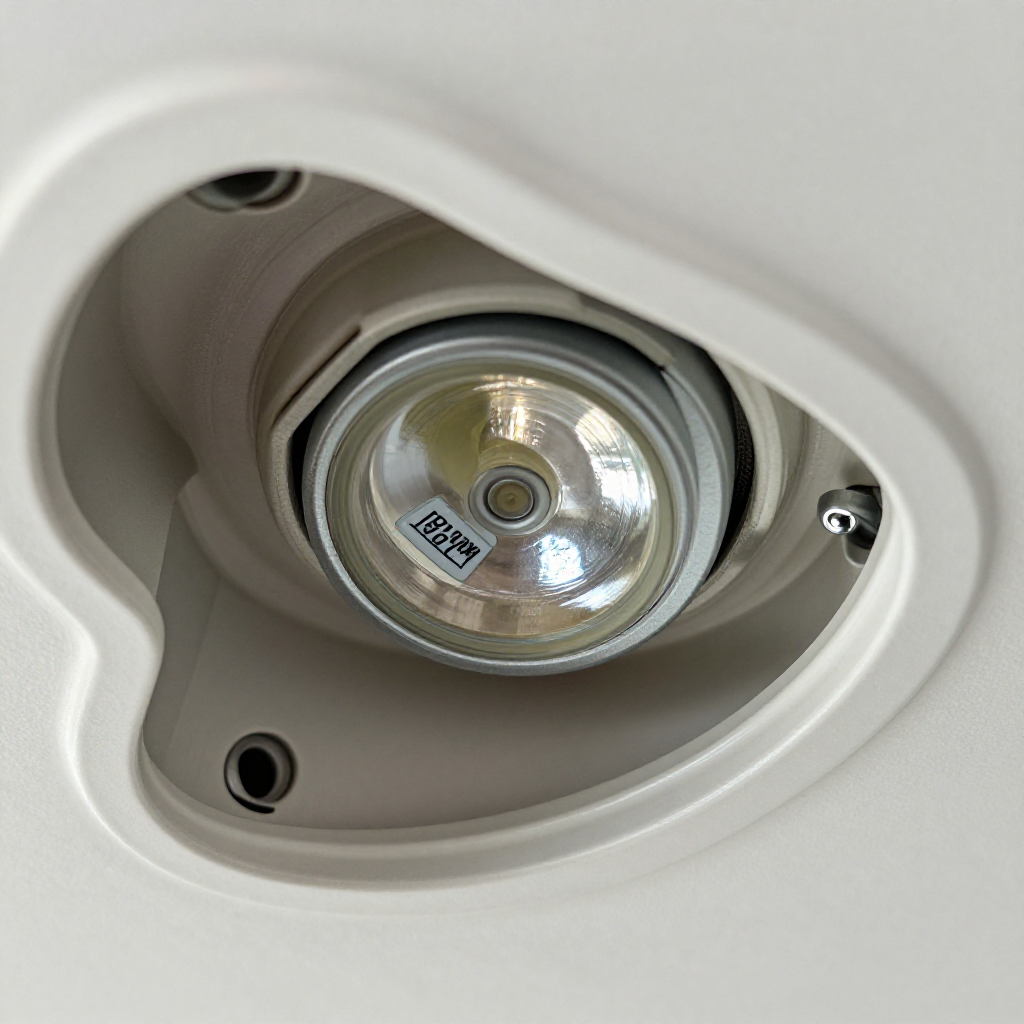
Best First Step
Check the bulb wattage against the fixture rating

Check the bulb wattage against the fixture rating

Shut off the breaker before touching anything near a light fixture that has been cycling on and off — the thermal cutout is a safety device and cycling means something is overheating. Unscrew the bulb and read the wattage printed on its base. Now look inside the can housing for a label or sticker that states the maximum wattage allowed. If you have a 75W or 100W bulb in a fixture rated for 60W max, that's your problem. Drop down to an LED bulb — a 10W LED puts out the same light as a 60W incandescent with almost no heat.

visibility3. Visual Guidance

See what's happening and how to try the first recovery step.
1
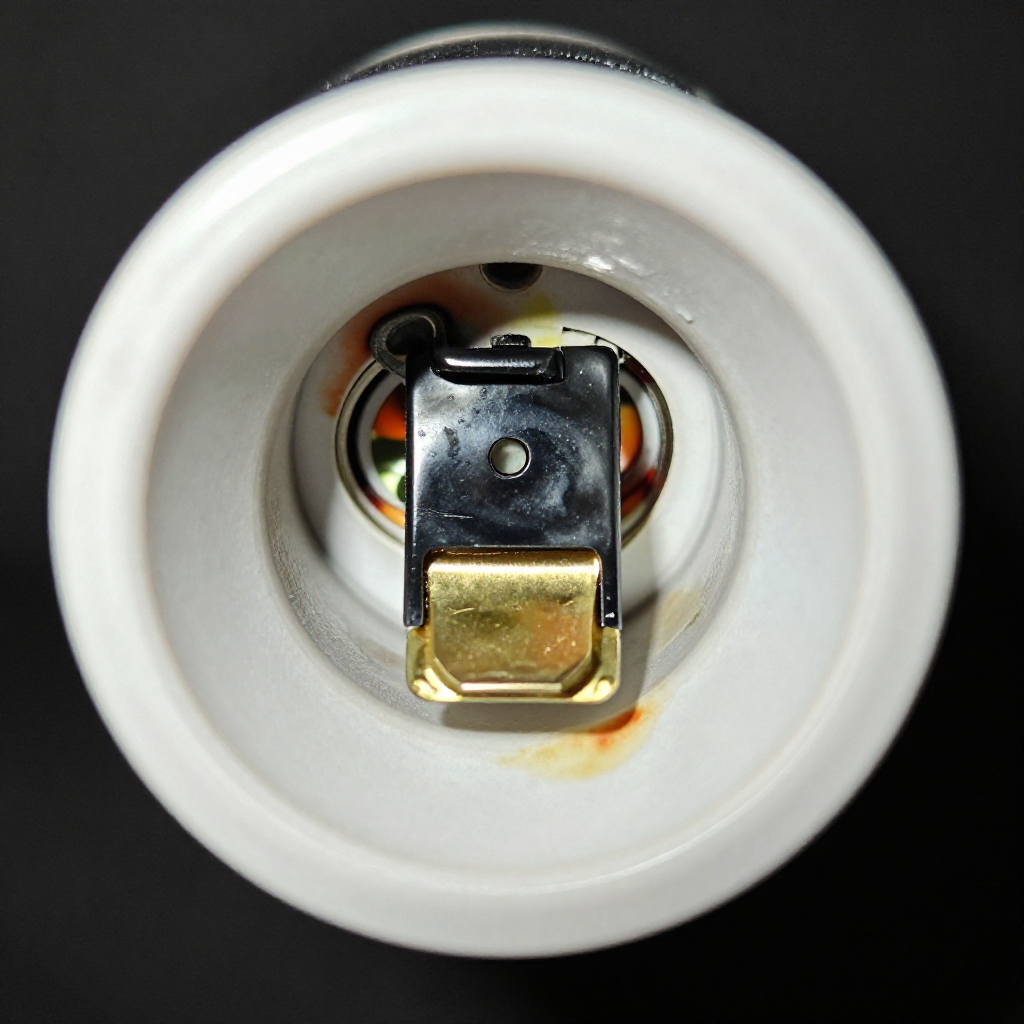
Inspect the bulb socket for corrosion or looseness
Inspect the bulb socket for corrosion or loosenessAfter confirming the breaker is off, look at the brass tab at the bottom of the socket. If it is burned black or pushed flat, it's making poor contact with the bulb base. Use needle-nose pliers — with the power off — to gently bend the tab up about 1/8 inch so it presses firmly against the bulb. If the tab is crumbled or the socket plastic is cracked and brittle from heat, the entire socket needs replacement.
2
Check the attic for insulation covering the housing
Check the attic for insulation covering the housingGo into the attic and find the problem fixture from above. If insulation is piled directly on top of or packed around the housing, it's trapping heat. IC-rated housings have a sticker that says IC and can contact insulation safely. If yours says NON-IC or has no rating visible, you must create at least 3 inches of clearance on all sides. Build a simple sheet metal or drywall dam around the fixture to hold insulation back — do not just shovel it away.
3
Replace with an LED retrofit trim kit
Replace with an LED retrofit trim kitThe permanent fix for an overheating recessed light is an LED retrofit kit. These screw into the existing socket, clip into the housing, and have their own heat sink built into the trim. They run far cooler than any incandescent or halogen, and most are IC-rated so insulation contact doesn't matter. A quality retrofit costs $15-$30 and installs with no wiring changes in under 5 minutes.

autorenew4. If That Doesn't Work

Try the next recovery options.

build
Replace the entire housing with an IC-rated canIf you have multiple fixtures overheating and adding dams is impractical, swapping the housings for IC-rated airtight models solves the problem at the source. This requires attic access and basic wiring.
chevron_right
light
Install a lower-profile LED disc lightIf the can housing is damaged or you want a more modern look, surface-mount LED disc lights attach to a standard junction box with a low-profile design that barely protrudes from the ceiling and runs cool.
chevron_right

Frequently Asked Questions

Why does my recessed light turn off after 15 minutes and come back on later?expand_more
The fixture has a thermal overload protector that cuts power when it overheats and resets after cooling. It means heat is trapped in the housing — check bulb wattage and attic insulation clearance.
Can I put insulation over a recessed light housing?expand_more
Only if the housing is labeled IC-rated for insulation contact. Non-IC housings must have 3 inches of clearance on all sides. LED retrofits with IC rating can be covered by insulation safely.
Is it safe to use a higher wattage bulb in a recessed fixture?expand_more
No. Exceeding the fixture's rated wattage will repeatedly trip the thermal cutout and can damage the socket wiring. It does not start fires instantly, but it does dangerous long-term heat damage.
Can I replace a recessed light thermal cutout myself?expand_more
The thermal cutout is built into the housing, not a replaceable part. If the fixture cycles with a low-wattage LED, the cutout itself has failed and the housing should be replaced as a unit.
Will switching to LED bulbs stop my recessed lights from cycling?expand_more
In most cases, yes. A 10W LED runs much cooler than a 60W incandescent. If the fixture still cycles with an LED, the problem is insulation contact or a failing thermal cutout.

warning5. Stop DIY If

Don't continue if any of these apply.

reportYou see melted or brittle wire insulation inside the housing — heat has already damaged the wiring and it's a fire risk.
reportThe thermal cutout itself is failing and the light cycles even with a cool-running LED — the fixture needs replacement by an electrician.
reportMultiple recessed lights on the same circuit are cycling — there may be a loose neutral at a junction box or the panel.
reportYou are not comfortable working in a hot, cramped attic — falls through the ceiling are a real risk.
Still stuck?Get personalized help with AI Recovery.

Related Recovery Problems

View all arrow_forward

Similar Failure Pattern

This page provides general DIY guidance.
If you're unsure, it's always best to consult a professional.