STUCKFIX
handymanDIY Friendly
monitor-heart

Carbon Monoxide Detector Beeping After New Battery

A CO detector beeping even after you replaced the battery usually means it's sensing carbon monoxide or the unit itself is failed. Here's how to tell which.

Category:Electrical
Difficulty:Easy
Time:10 min
Success:50%
Updated:May 25, 2026

quick_referenceQuick Answer

For Carbon Monoxide Detector Beeping After New Battery, start with "Get everyone (and pets) outside immediately — do not assume it's a false alarm": If the beeping is continuous (not a single chirp every 30–60 seconds), treat it as real CO until proven otherwise. Carbon monoxide is colorless and odorless — you cannot sense it. Open doors and windows, leave the home, and call 911 or the gas company from outside. Only after first responders clear the house should you come back to investigate the detector. False alarms happen, but CO deaths happen too — never ignore continuous beeping. Stop DIY if if the detector is beeping continuously and you smell gas or suspect a leak — leave the house immediately and call 911. This is listed as a easy recovery and usually takes about 10 min.

verifiedGuide Snapshot

Repair areaElectrical
Estimated time10 min
DifficultyEasy
Stop conditions4

Last updated May 25, 2026. Review the stop conditions before continuing.

account_treeRecovery State

Current stateFalse Alarm After Battery
Specific stateBeeping Continuous Or Patterned
Failed stepBattery Replacement
Likely failure typeSensor Fault
DIY boundaryDIY recovery first
paymentsCost decision

help1. Understand the Problem

A beeping CO detector after a battery change is your home telling you something. It could mean real danger — CO is invisible and lethal. Or it could mean the detector's sensor has drifted and is giving a false alarm. Photoelectric detectors can false-trigger from dust, aerosol chemicals, or age. The pattern matters: continuous beeping often means CO detected; one beep every 30–60 seconds usually means low battery or sensor failure. Older units (more than 7–10 years) should be replaced regardless — they lose sensitivity over time.

build_circle2. Try This First
Best First Step
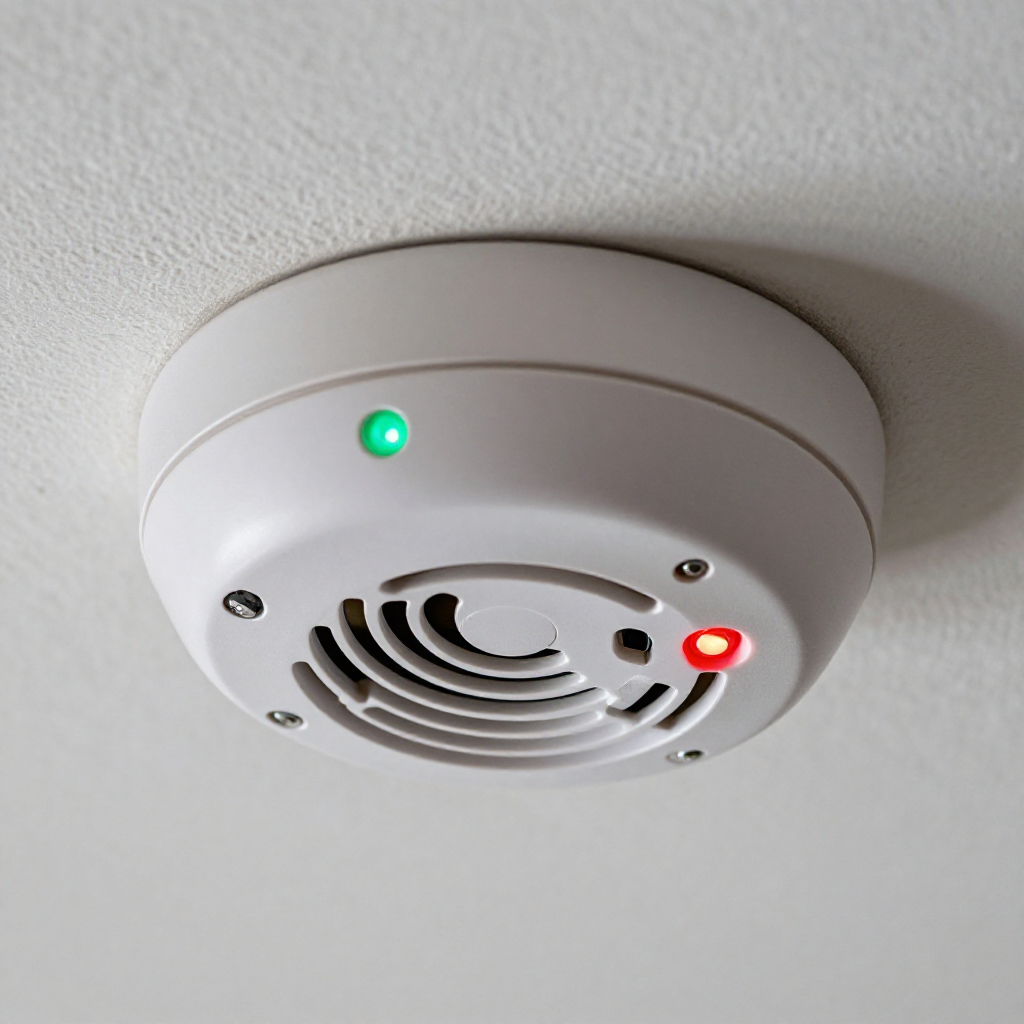
Get everyone (and pets) outside immediately — do not assume it's a false alarm

Get everyone (and pets) outside immediately — do not assume it's a false alarm

If the beeping is continuous (not a single chirp every 30–60 seconds), treat it as real CO until proven otherwise. Carbon monoxide is colorless and odorless — you cannot sense it. Open doors and windows, leave the home, and call 911 or the gas company from outside. Only after first responders clear the house should you come back to investigate the detector. False alarms happen, but CO deaths happen too — never ignore continuous beeping.

visibility3. Visual Guidance

See what's happening and how to try the first recovery step.
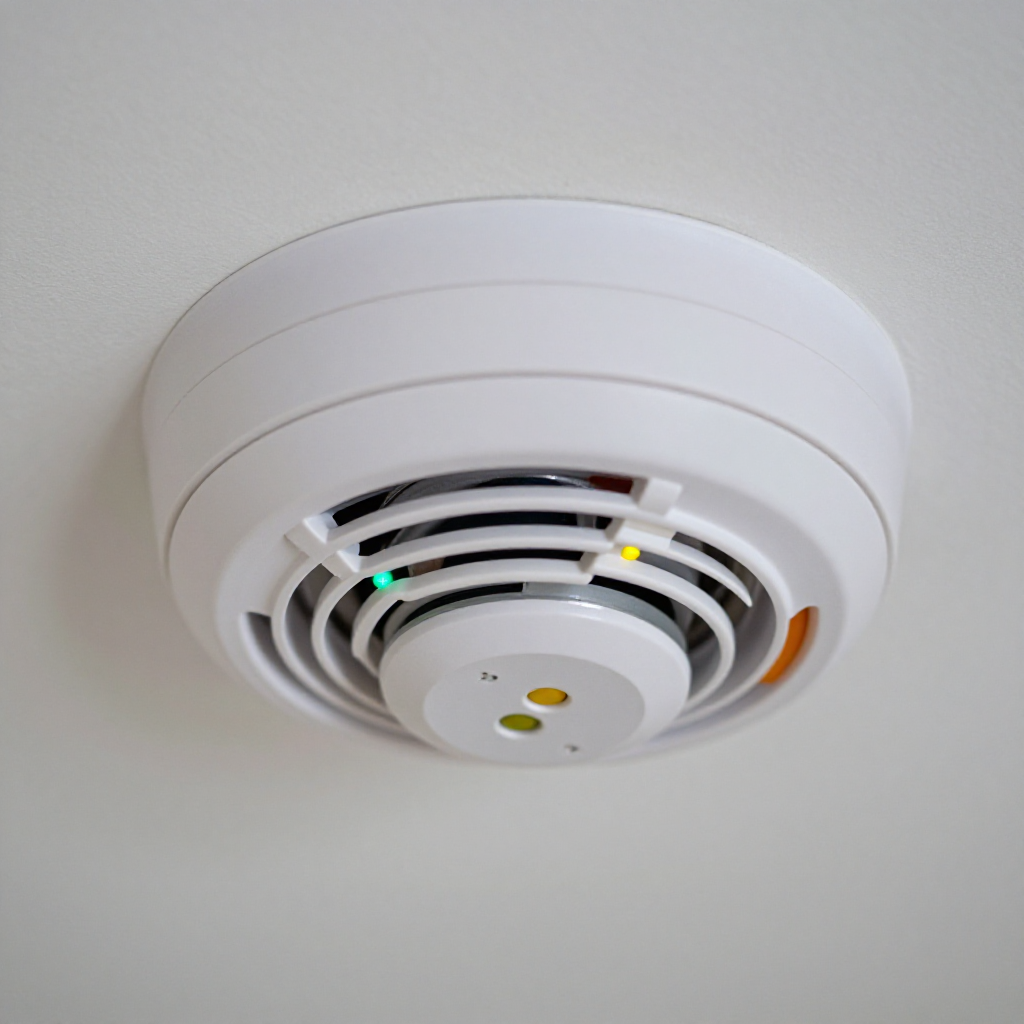
1
Confirm it's a CO detector and not a smoke detector
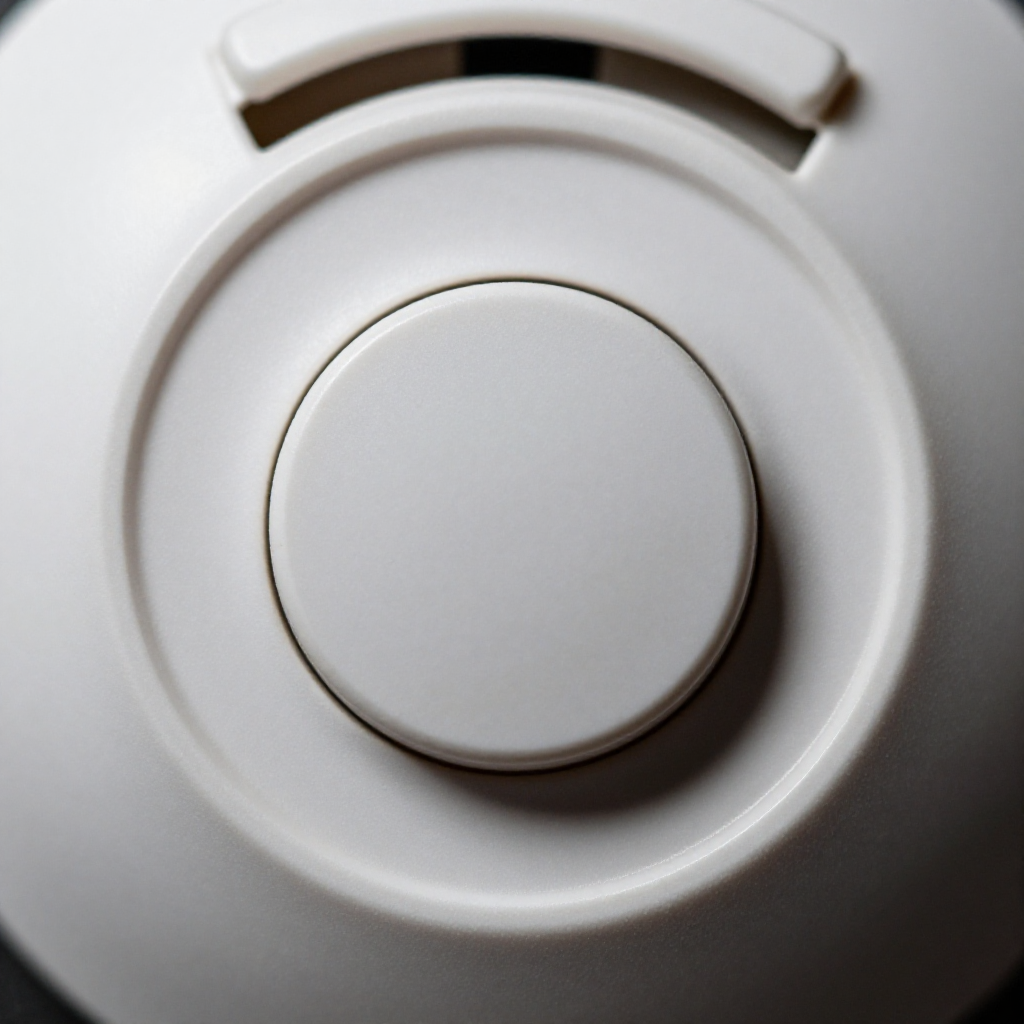
Confirm it's a CO detector and not a smoke detectorLook at the label on the front. If it says 'CO' or 'Carbon Monoxide' you're dealing with a CO issue. Smoke detectors beep differently (usually 3 beeps, pause, repeat). CO detectors typically beep in patterns — 4 beeps, pause, repeat means detected CO; 1 beep every 30–60 seconds means sensor failure or end-of-life. If you have a dual smoke/CO combo unit, check the display for error codes.
2
Press and hold the test/hush button for 5 seconds
Press and hold the test/hush button for 5 secondsMost CO detectors have a test button that doubles as a hush feature. Press and hold it for 5 seconds. If the alarm pauses for 10 minutes and then resumes, it's a real CO event — go outside and call 911. If pressing the button silences it permanently or triggers a self-test chirp sequence, the sensor may have drifted. If the alarm starts again within minutes of silencing, assume real CO is present.
3
Check the manufacture date on the back of the unit
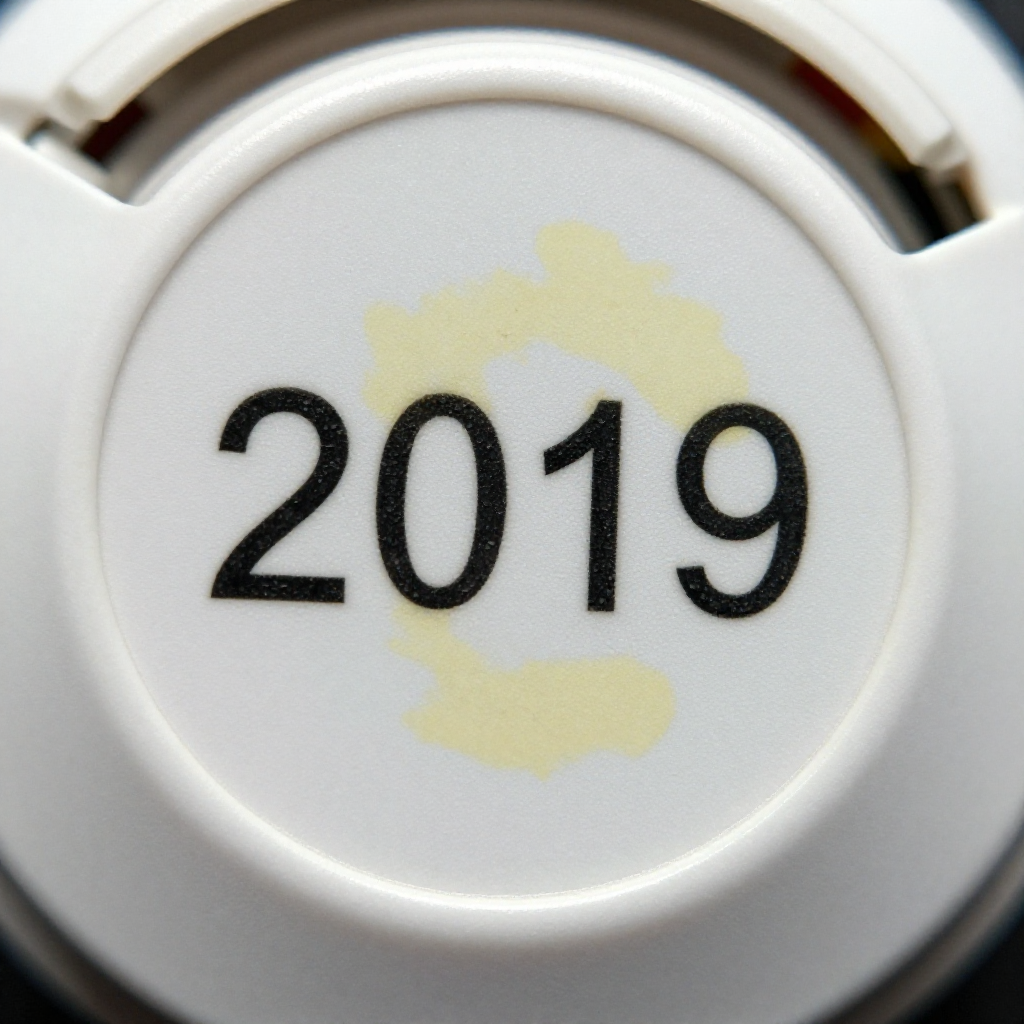
Check the manufacture date on the back of the unitFlip the detector over and find the label with the manufacture date. Most CO detectors are rated for 5–7 years — some up to 10. If yours is older than that, the sensor has degraded and false alarms are likely. Replace the entire unit, not just the battery. If it's relatively new and beeping with a fresh battery, you likely have a real CO problem and need to call the gas company or 911.
4
Replace with a new detector if it's over 7 years old
Replace with a new detector if it's over 7 years oldGo to a hardware store and buy a new CO detector. The standard 9V battery models (Kidde, First Alert, Honeywell) run $25–$45. Do not buy used or old stock. Install it on every level of the home — at minimum outside sleeping areas. If you have gas appliances, fireplace, or an attached garage, you need one on each floor. The new detector should chirp once to confirm it's powered, then go silent. If the old unit was the source of false alarms, your problem is solved.

autorenew4. If That Doesn't Work

Try the next recovery options.

local-fire-department
Call the gas company to check for leaksIf the detector keeps alarming and you can't identify a source, call your gas utility's emergency line. They will send someone to check your appliances for leaks. This is free or low-cost and rules out a real danger.
chevron_right
electrical-services
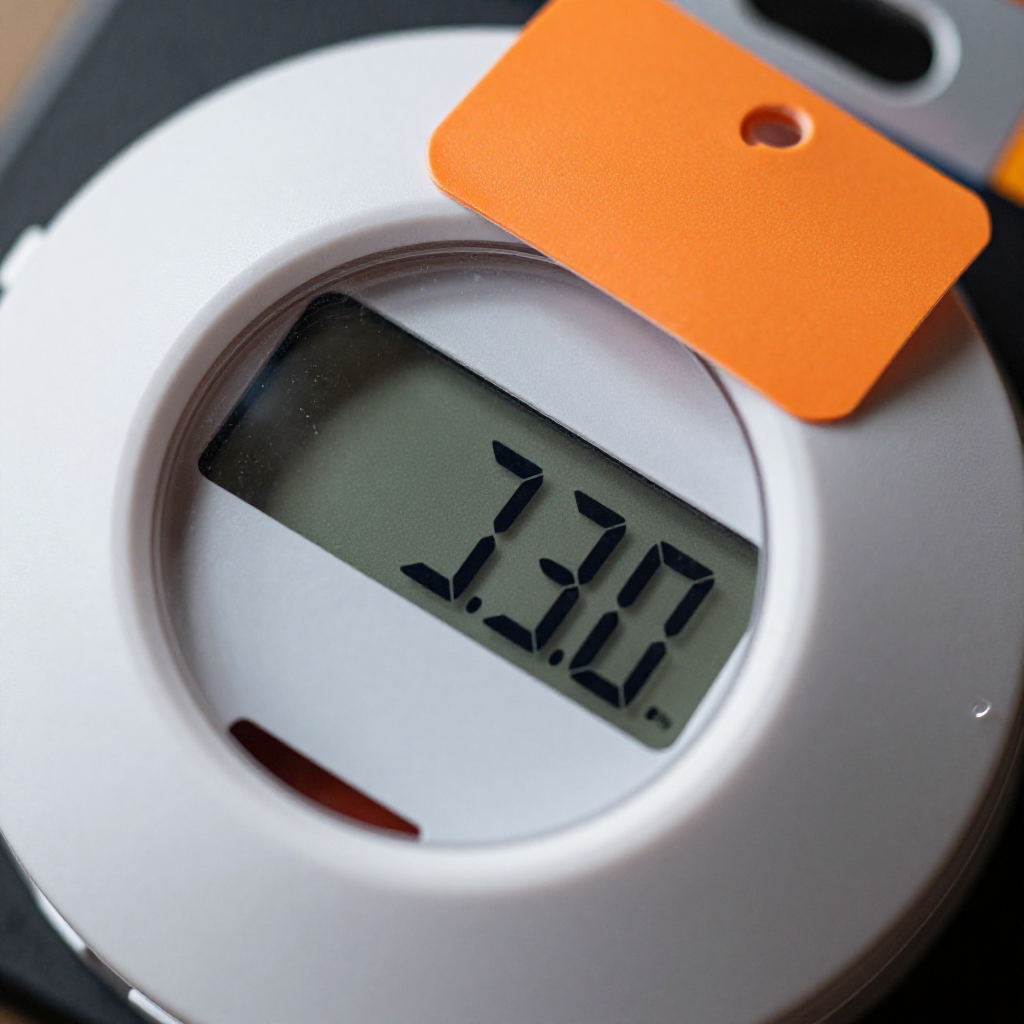
Buy a new plug-in CO detector with digital displayUpgrade to a plugin model with a digital readout (First Alert plug-in, Kidde Nighthawk). The display shows actual CO PPM levels, so you can tell if it's a real event (readings above 70 PPM) or a sensor drift (readings at 0). Helps you make a better call.
chevron_right

Frequently Asked Questions

Why is my CO detector still beeping after I replaced the battery?expand_more
It could be real carbon monoxide (leave the house and call 911), or the detector's sensor has failed and is giving a false alarm. New battery with continuous beeping = treat as real until proven otherwise. One chirp every 30–60 seconds after a new battery = sensor failure, replace the unit.
How long do carbon monoxide detectors last?expand_more
Most CO detectors are rated for 5–7 years, some for up to 10. Check the manufacture date on the back label. If it's older than the rating, replace it — the sensor degrades over time and can give false readings or fail to detect real CO.
What does 4 beeps and a pause mean on a CO detector?expand_more
Four beeps, pause, repeat is the standard CO alarm pattern. This means the detector is sensing carbon monoxide. Get everyone out of the house immediately and call 911 or your gas company's emergency line from outside.
Can I reset a CO detector to stop beeping?expand_more
Press the test/hush button for 5 seconds. If it silences and stays silent, it may have been a false alarm from dust or sensor drift. If it resumes beeping within minutes, real CO may be present. If the unit is old (over 7 years), replacing it is more reliable than resetting.
Where should I install CO detectors in my home?expand_more
At minimum one outside each sleeping area and one on every level. If you have gas appliances, a fireplace, or an attached garage, you need coverage on each level. Mount them at knee-height or higher — CO mixes with air, so placement matters less than having enough units.

warning5. Stop DIY If

Don't continue if any of these apply.

reportIf the detector is beeping continuously and you smell gas or suspect a leak — leave the house immediately and call 911.
reportIf you feel dizzy, nauseous, or headachy when in the house and the detector is beeping, that is a sign of real CO poisoning — get out and call 911.
reportIf the detector is more than 10 years old, replace it rather than troubleshoot — old sensors give false readings.
reportIf you cannot find the manufacture date or the detector is physically cracked or damaged, replace it — do not attempt repair.
Still stuck?Get personalized help with AI Recovery.

Related Recovery Problems

View all arrow_forward

Same Device Recovery States

Device index arrow_forward

Similar Failure Pattern

This page provides general DIY guidance.
If you're unsure, it's always best to consult a professional.