STUCKFIX
handymanDIY Friendly
build

Why Does My Light Switch Feel Warm to the Touch?

A warm light switch can indicate an overloaded circuit or loose wiring. This guide helps you diagnose and address the issue safely.

Category:Electrical
Difficulty:Moderate
Time:30 min
Success:50%
Updated:Jul 23, 2026

quick_referenceQuick Answer

For Why Does My Light Switch Feel Warm to the Touch?, start with "Turn Off Power at the Breaker": Locate the correct circuit breaker for the warm switch and flip it to OFF. Verify power is off by testing the switch with a non-contact voltage tester. Stop DIY if the switch or wires show signs of melting or burning. This is listed as a moderate recovery and usually takes about 30 min.

verifiedGuide Snapshot

Repair areaElectrical
Estimated time30 min
DifficultyModerate
Stop conditions3

Last updated Jul 23, 2026. Review the stop conditions before continuing.

account_treeRecovery State

Current stateOverheating
Specific stateWarm Touch
Failed stepLoose Wire Connection
Likely failure typeElectrical Fault
DIY boundaryDIY recovery first
paymentsCost decision

help1. Understand the Problem

Light switches are designed to stay cool during normal operation. Heat buildup usually points to a loose wire connection, an overloaded circuit, or a failing switch. Ignoring warmth can lead to arcing, melting, or electrical fire.

build_circle2. Try This First
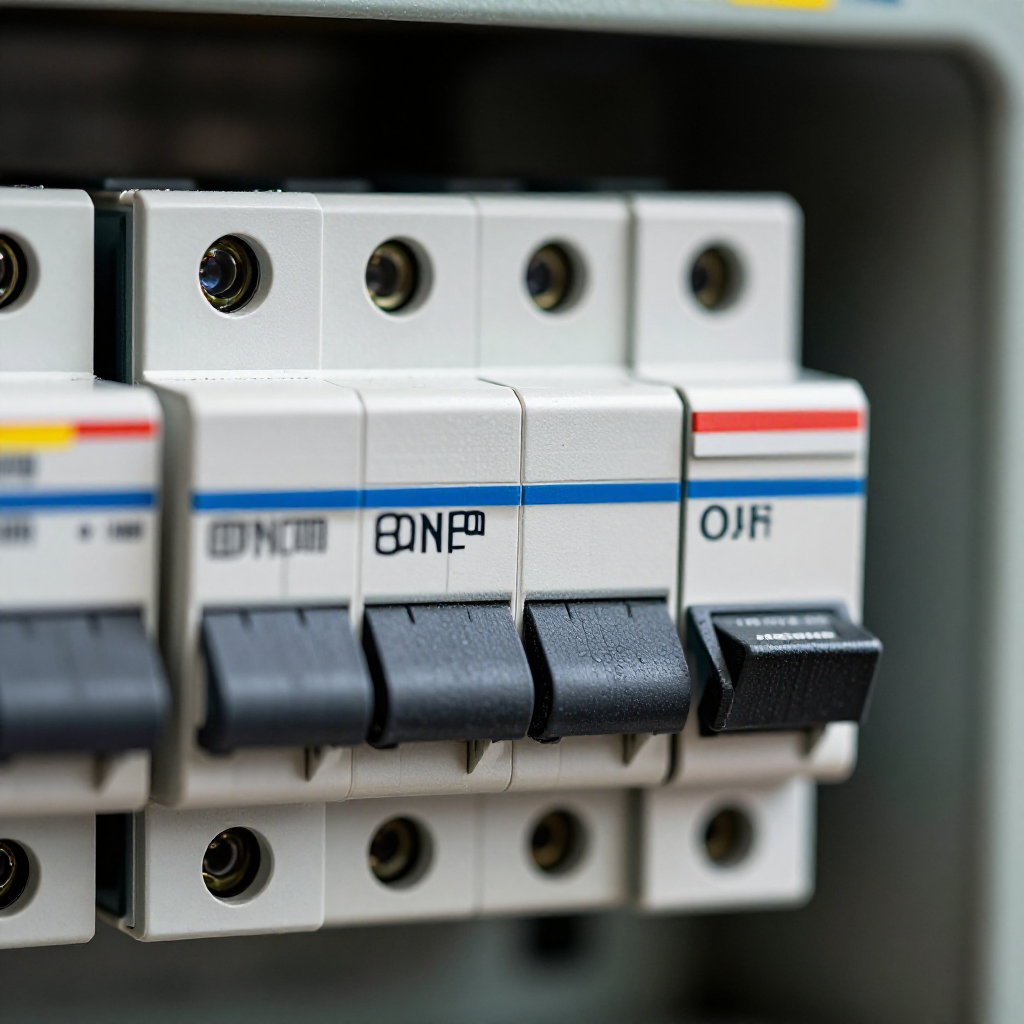
Best First Step
Turn Off Power at the Breaker

Turn Off Power at the Breaker

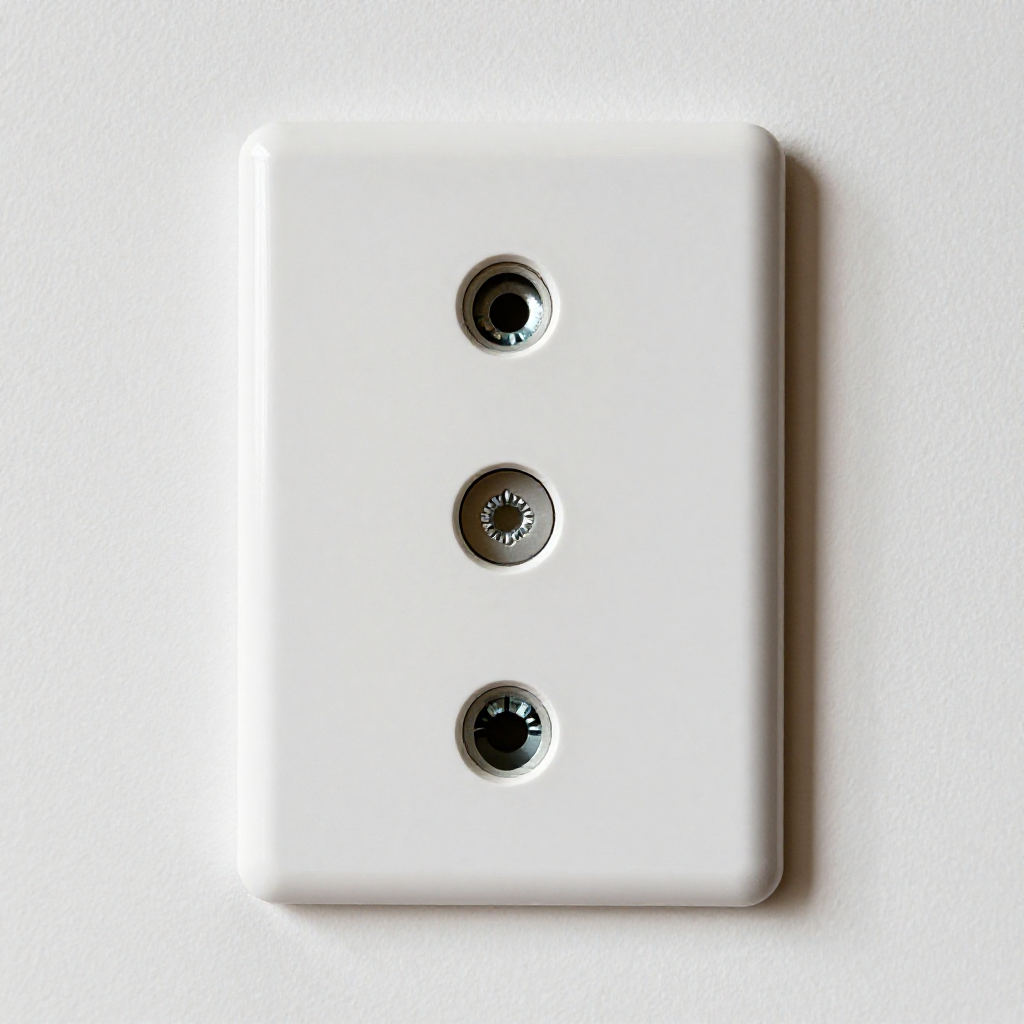
Locate the correct circuit breaker for the warm switch and flip it to OFF. Verify power is off by testing the switch with a non-contact voltage tester.

visibility3. Visual Guidance

See what's happening and how to try the first recovery step.
1
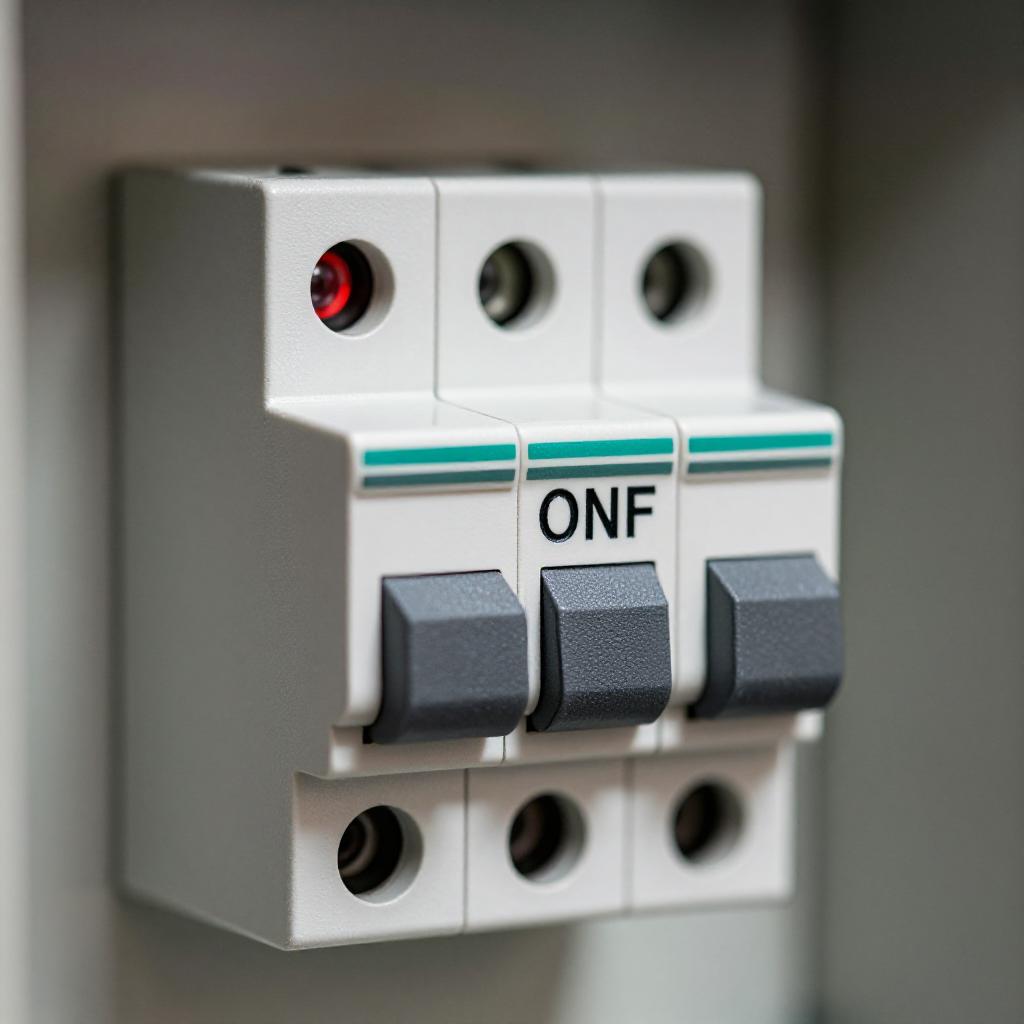
Step 1: Turn Off Power at the Breaker
Turn Off Power at the BreakerLocate the correct circuit breaker for the warm switch and flip it to OFF. Verify power is off by testing the switch with a non-contact voltage tester.
2
Step 2: Remove the Switch Plate
Remove the Switch PlateUnscrew the faceplate with a flathead screwdriver and set it aside. Do not touch the screws on the switch itself yet.
3
Step 3: Check Wire Connections
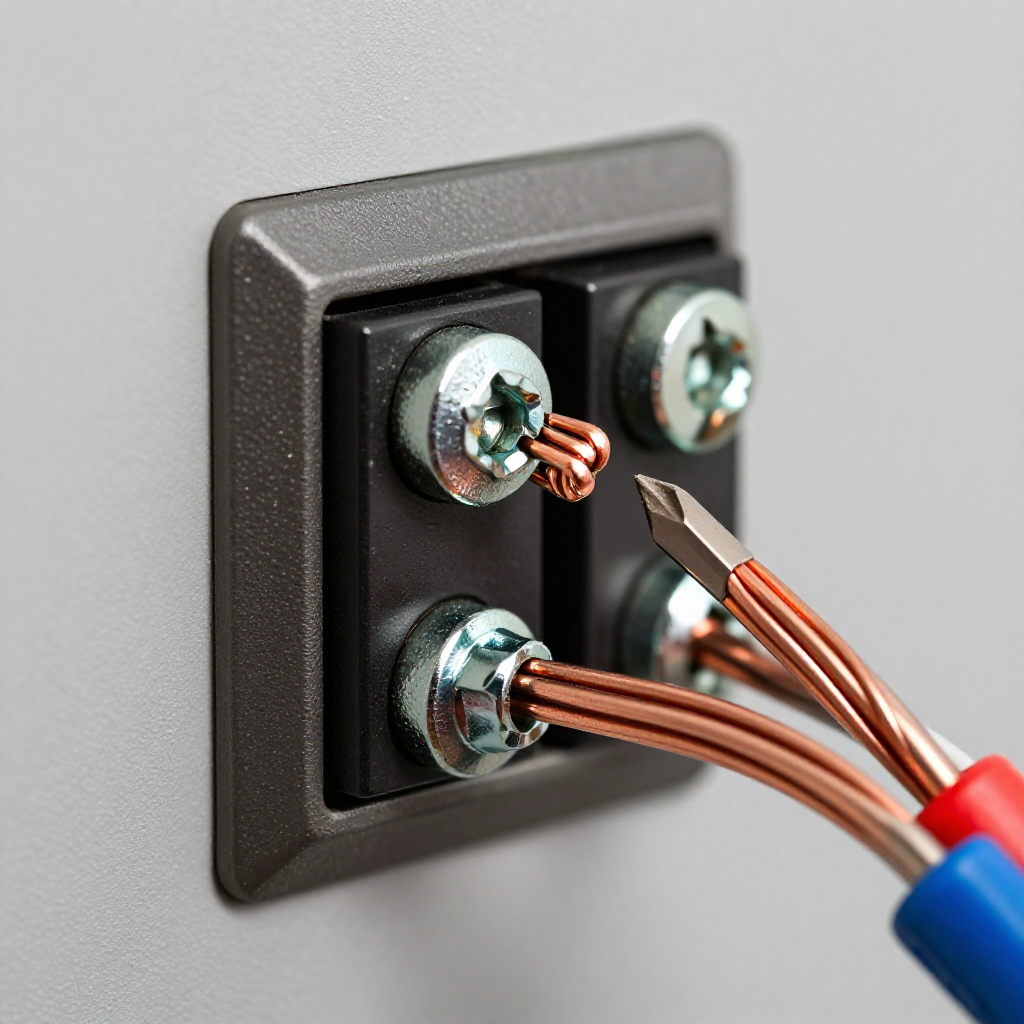
Check Wire ConnectionsUsing a screwdriver, gently tighten the terminal screws on the side of the switch. Look for melted insulation or burn marks.
4
Step 4: Inspect the Switch Rating
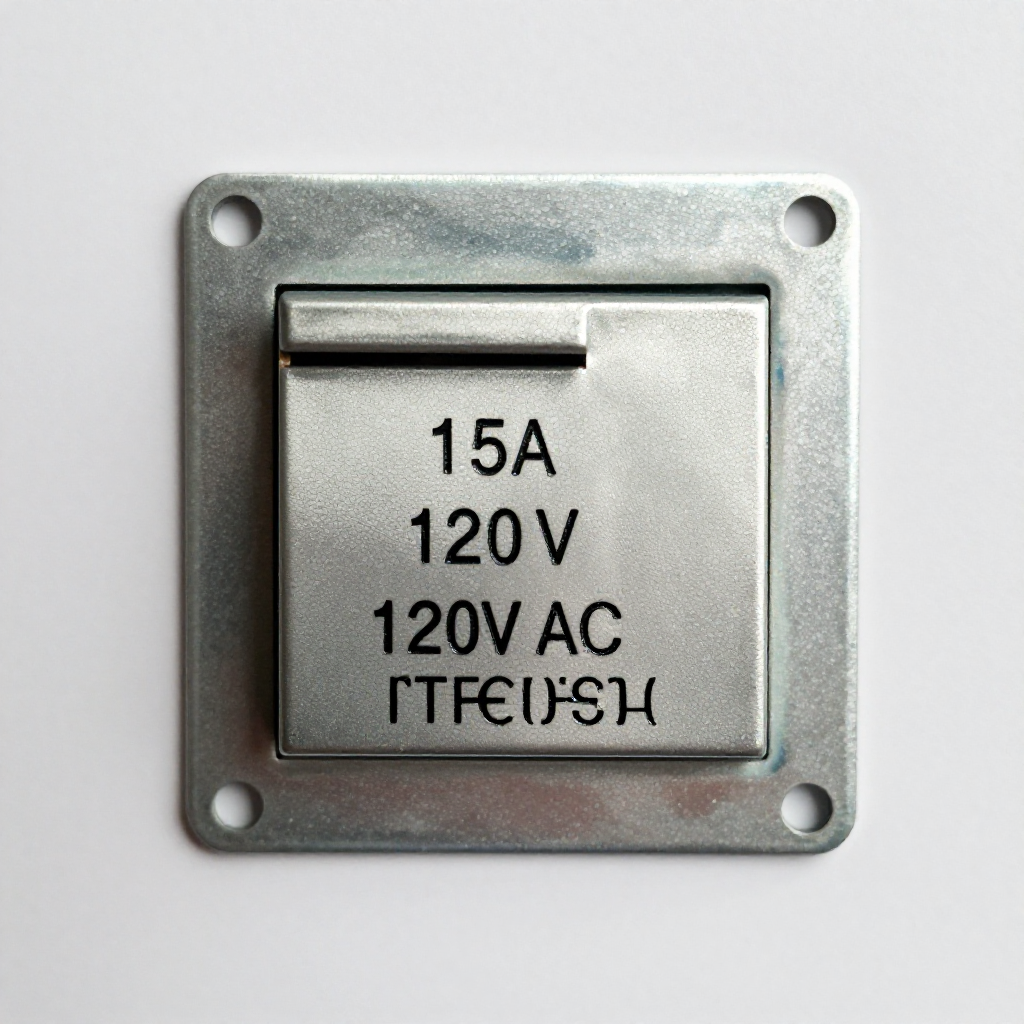
Inspect the Switch RatingCheck the amperage rating printed on the switch (typically 15A or 20A). Ensure it matches the circuit breaker rating.
5
Step 5: Reassemble and Test
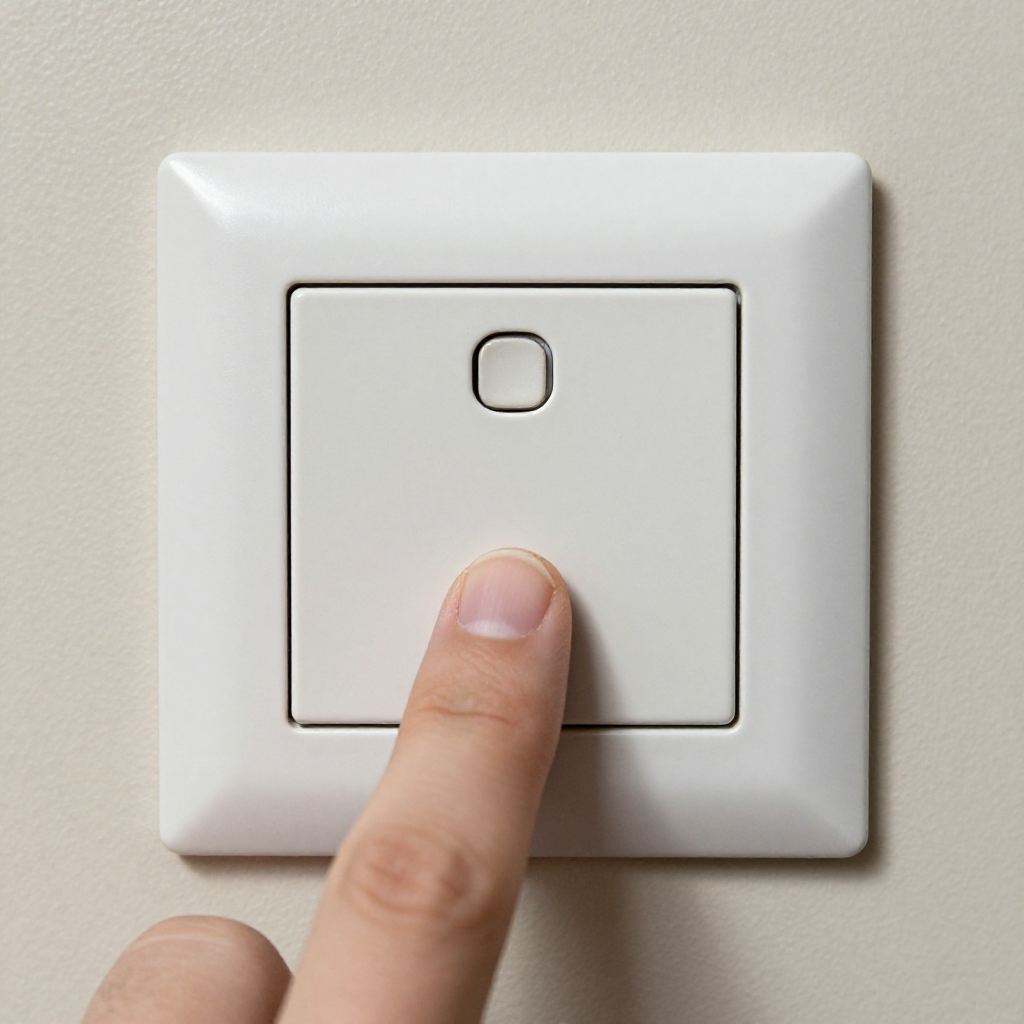
Reassemble and TestReplace the faceplate, restore power, and turn the switch on. Feel the faceplate after 5 minutes — it should remain cool.

autorenew4. If That Doesn't Work

Try the next recovery options.

Replace the SwitchTurn off power at the breaker, remove the switch, and install a new one of the same rating.
chevron_right
Call an ElectricianIf you're uncomfortable working with live wires or the switch is on a multi-gang box, hire a licensed electrician.
chevron_right

Frequently Asked Questions

What does a warm switch mean?expand_more
It usually means a loose wire connection or a switch that is undersized for the load. Both create resistance that generates heat.
Can a warm switch cause a fire?expand_more
Yes. If left unchecked, heat can melt insulation and cause arcing, which can ignite nearby combustible materials.
Should I use a dimmer switch instead?expand_more
Dimmers can also run warm, but they are designed to handle heat. If a standard switch is warm, do not replace it with a dimmer without checking the load.
How tight should terminal screws be?expand_more
Tighten until the wire is snug under the screw head, then give it an extra quarter turn. Overtightening can strip the threads.

warning5. Stop DIY If

Don't continue if any of these apply.

reportThe switch or wires show signs of melting or burning
reportYou smell burning plastic or ozone near the switch
reportThe switch is part of a three-way or four-way circuit
Still stuck?Get personalized help with AI Recovery.

Related Recovery Problems

View all arrow_forward

Same Device Recovery States

Device index arrow_forward

Similar Failure Pattern

This page provides general DIY guidance.
If you're unsure, it's always best to consult a professional.