STUCKFIX
handymanDIY Friendly
battery-full

Sump Pump Battery Backup Won't Activate

When your battery backup sump pump won't turn on during a storm, the battery is usually the culprit. Here's how to diagnose and fix it before the next rain.

Category:Plumbing
Difficulty:Easy
Time:30 min
Success:50%
Updated:May 26, 2026

quick_referenceQuick Answer

For Sump Pump Battery Backup Won't Activate, start with "Pour a bucket of water into the pit to manually trigger the backup float": Before ordering parts, confirm the backup pump is actually dead and not just stuck. Fill a 5-gallon bucket and slowly pour it into the sump pit — enough to raise the water level and lift the backup float. If the backup pump kicks on and runs, the motor is fine — you have a float switch or activation problem. If it doesn't run, it's likely the battery or the pump motor. This test takes 2 minutes and tells you which direction to go. Stop DIY if if the pump is making a clicking sound but not running, the motor may be seized — do not keep trying to run it, this will damage the motor further. This is listed as a easy recovery and usually takes about 30 min.

verifiedGuide Snapshot

Repair areaPlumbing
Estimated time30 min
DifficultyEasy
Stop conditions4

Last updated May 26, 2026. Review the stop conditions before continuing.

account_treeRecovery State

DeviceSump Pump
Current stateBackup Not Activating
Specific stateBattery Discharged Sulfated
Failed stepPower Failure Heavy Rain
Likely failure typeWorn Part
DIY boundaryDIY recovery first
paymentsCost decision

help1. Understand the Problem

Battery backup sump pumps sit dormant until the primary pump fails or the pit floods. The backup system has three weak points: the battery itself, the float switch, and the charger. Lead-acid batteries (the most common type in backup systems) lose capacity after 3–5 years and may show full voltage but not deliver amperage under load — a discharged battery will read 13V with a multimeter but collapse to 9V the second the pump tries to run. The float switch can also get jammed by debris in the pit, or the charger connection can corrode. The pump itself is the least likely culprit — backup pumps rarely seize.

build_circle2. Try This First
Best First Step
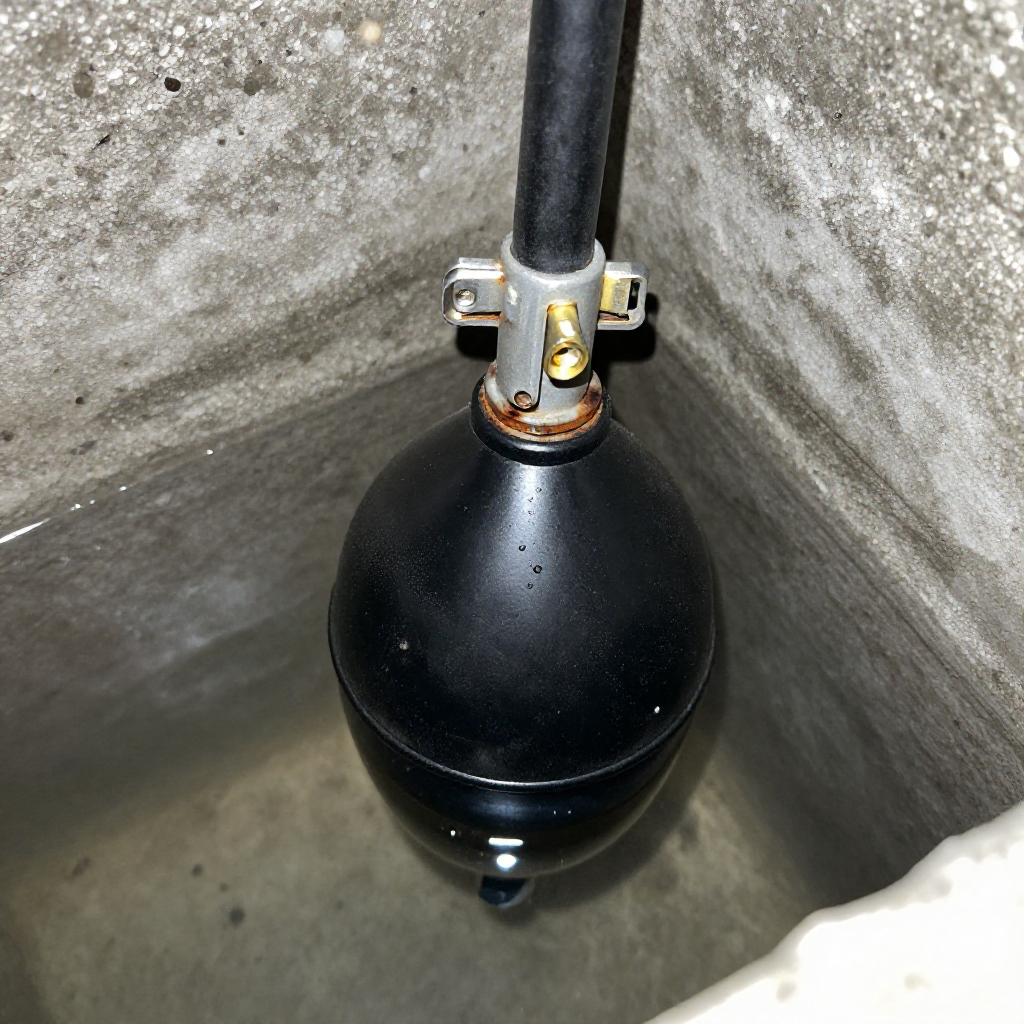
Pour a bucket of water into the pit to manually trigger the backup float

Pour a bucket of water into the pit to manually trigger the backup float

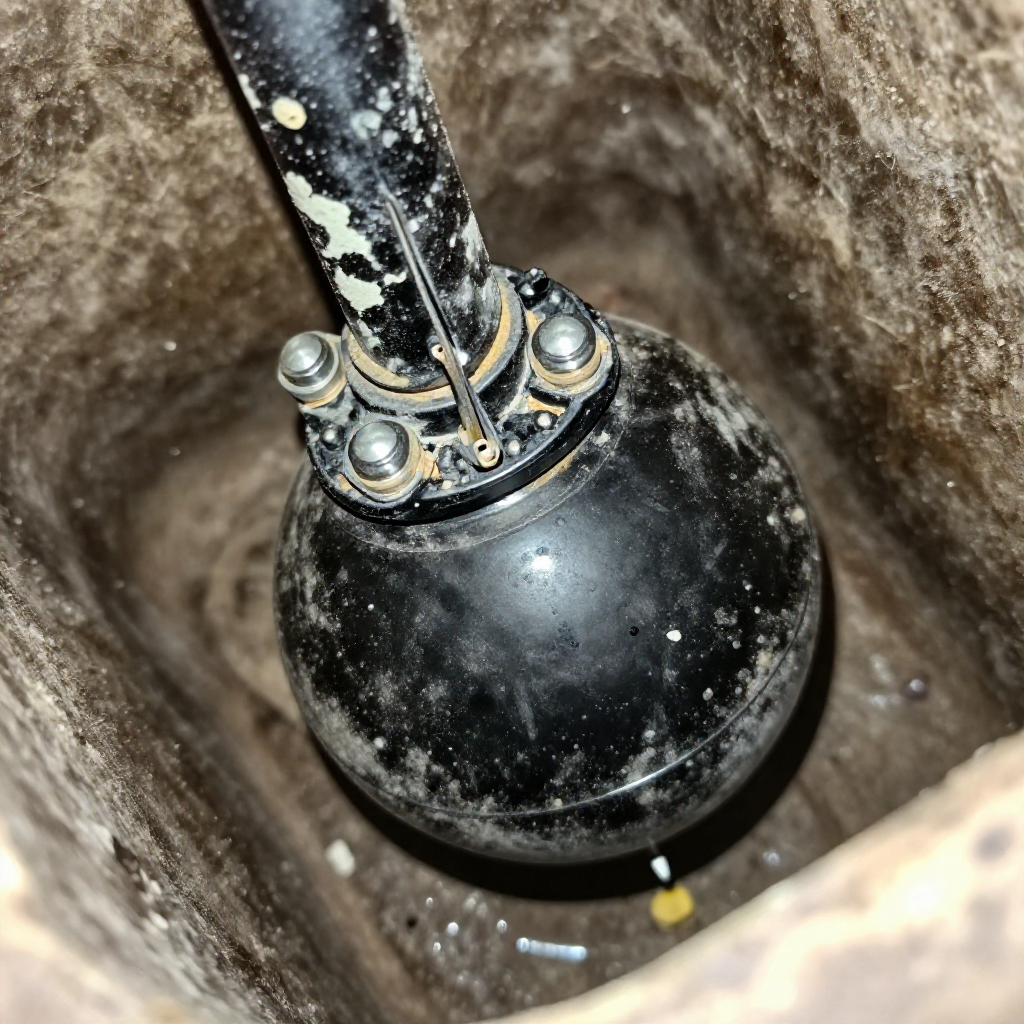
Before ordering parts, confirm the backup pump is actually dead and not just stuck. Fill a 5-gallon bucket and slowly pour it into the sump pit — enough to raise the water level and lift the backup float. If the backup pump kicks on and runs, the motor is fine — you have a float switch or activation problem. If it doesn't run, it's likely the battery or the pump motor. This test takes 2 minutes and tells you which direction to go.

visibility3. Visual Guidance

See what's happening and how to try the first recovery step.
1
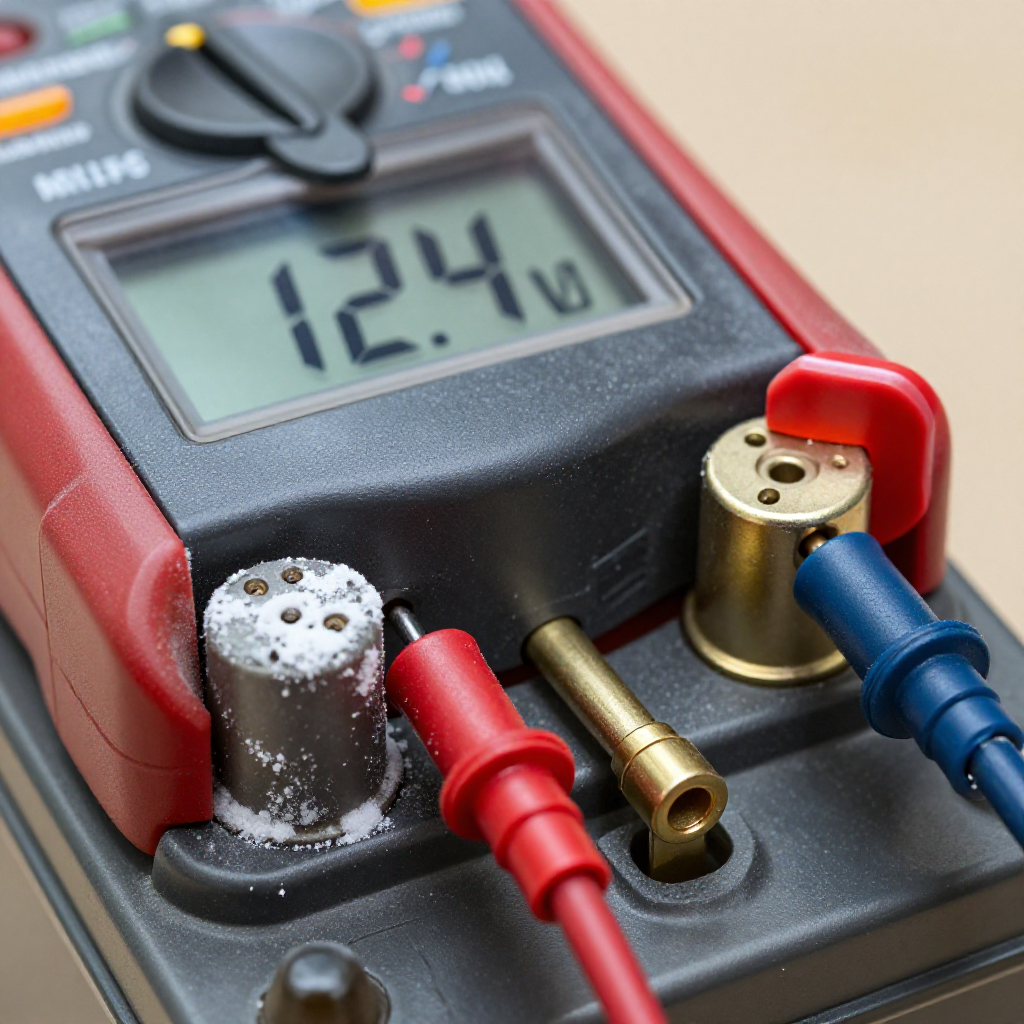
Test the battery voltage with a multimeter
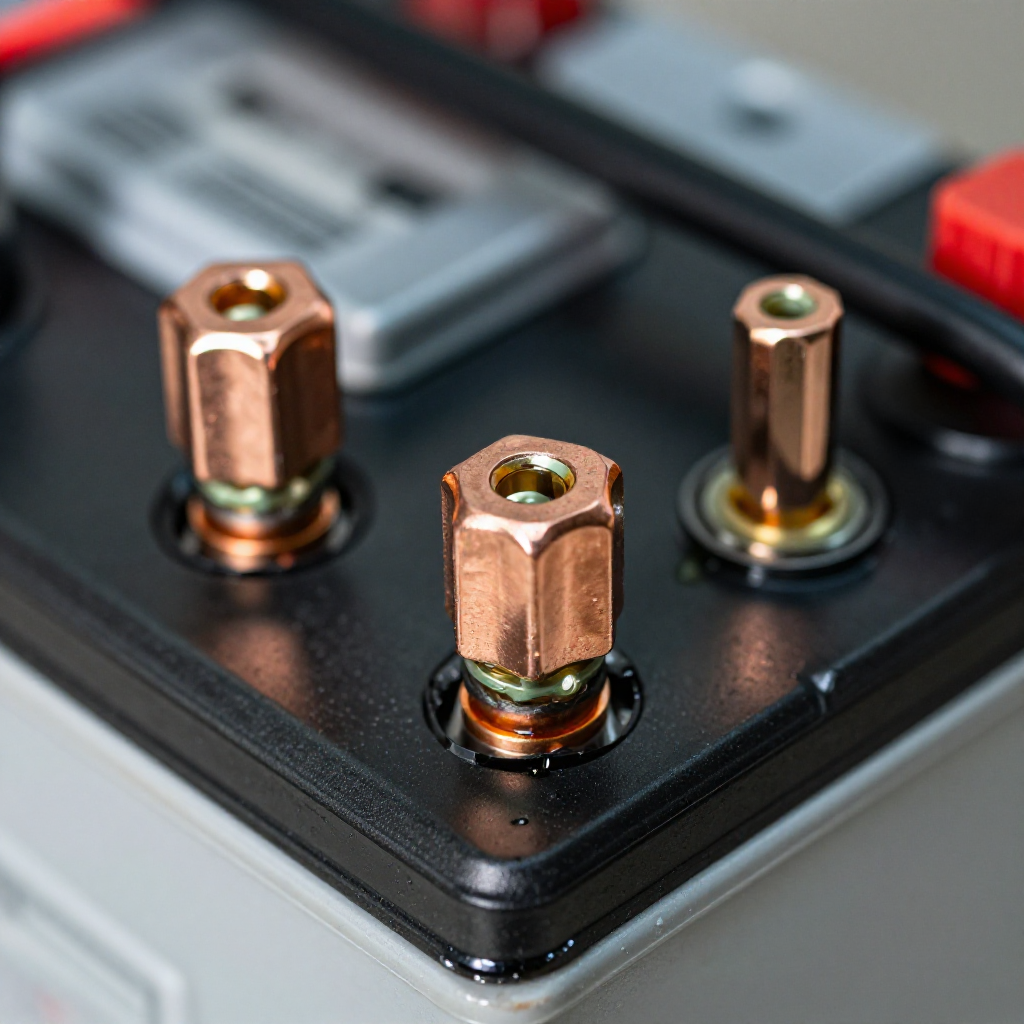
Test the battery voltage with a multimeterSet your multimeter to DC voltage (20V range). Disconnect the battery from the charger and pump. Touch the red probe to the positive terminal and black to negative. A fully charged 12V lead-acid battery should read 12.6–12.8V. If it reads 12.0V or below, it's discharged — charge it overnight and retest. If it reads 10V or less, the battery is sulfated and won't hold a charge — replace it. A battery that reads OK but fails under load is still bad.
2
Clean the battery terminals and check connections
Clean the battery terminals and check connectionsCorrosion (white powdery buildup) on battery terminals is a common failure point. Mix 1 tablespoon of baking soda with 1 cup of warm water. Dip an old toothbrush in the solution and scrub the terminals and cable connectors until clean. Rinse with plain water and dry with a rag. Tighten the connections — loose or corroded terminals can make a good battery appear dead. Apply a thin layer of petroleum jelly or terminal grease after cleaning to prevent future corrosion.
3
Check the float switch for debris or obstruction
Check the float switch for debris or obstructionSump pits collect dirt, sand, and debris that can jam the backup pump's float switch. Pull the backup pump up and out of the pit (it's designed to be removable). Inspect the float — it should move freely up and down with no resistance. Move it by hand through its full range of motion. If it sticks or drags, clean the slot in the float mechanism with a brush. Check that the activation height is set correctly — the backup float should activate at a higher water level than the primary pump's float.
4
Replace the battery if it's more than 3 years old
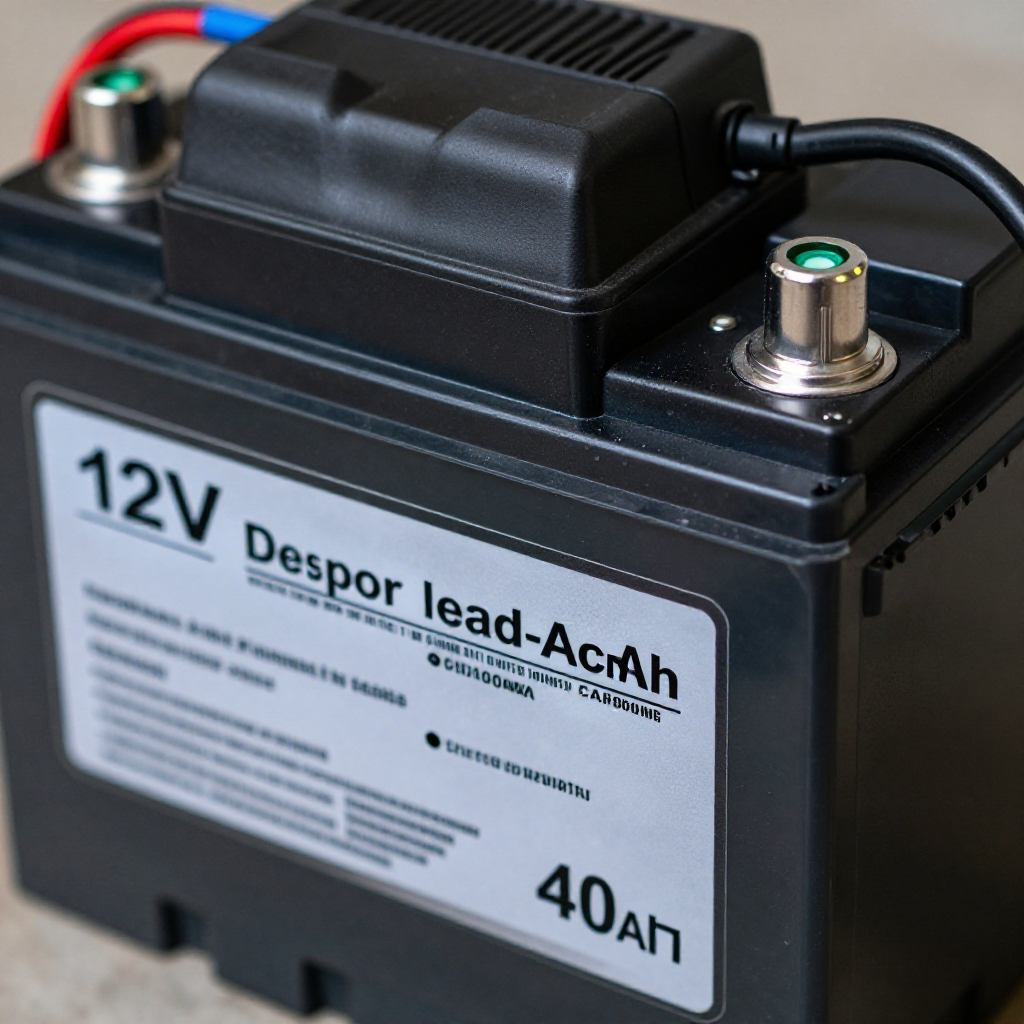
Replace the battery if it's more than 3 years oldGo to a home center or auto parts store and buy a 12V deep-cycle lead-acid battery (same type used in backup systems). The label will say 'deep cycle' or 'marine' — not a regular car battery. A car battery can't handle the repeated discharge/recharge cycle that a sump pump demands. Size and capacity vary by system — check your existing battery label. Typical backup batteries are 35–75 amp-hours. Replace the old battery, connect the terminals (red to red, black to black), and verify the charger is running (most have a green LED when charging).

autorenew4. If That Doesn't Work

Try the next recovery options.

water
Upgrade to a combination unit with a water-powered backupIf you live in an area with frequent heavy rain and rely heavily on the backup pump, install a water-powered backup pump (Basement Watchdog Water Watch or similar). These use your house water pressure to pump the pit dry — they need no battery and activate automatically when water rises. They require a 1-inch standpipe and access to a municipal water line. Effective as a secondary backup to the battery backup.
chevron_right
wifi
Install a WiFi water alarm as an early warning systemInstall a WiFi-enabled water sensor (e.g., Flo by Moen, LeakSmart, or a simple $30 Water Sensor) in the sump pit. It will push an alert to your phone when water rises above the normal level — giving you time to act before the pit overflows if the backup fails. This is not a fix but it buys you time and awareness.
chevron_right

Frequently Asked Questions

How long does a sump pump backup battery last?expand_more
A lead-acid battery in a sump pump backup typically lasts 3–5 years, sometimes longer in areas with infrequent outages. Batteries lose capacity gradually — they may show full voltage but can't deliver the amperage the pump needs. If your pump has been in service more than 3 years and the backup failed during a storm, replace the battery.
Can I use a car battery for my sump pump backup?expand_more
No — a car battery is a starting battery, not a deep-cycle battery. It's designed for short bursts of high amperage to start an engine, not for slow discharge over hours like a sump pump backup requires. A car battery will fail quickly in a sump pump application. Use a deep-cycle or marine-rated 12V battery.
Why does my backup pump only run for a few seconds then stop?expand_more
This is almost always a discharged or dying battery. The pump draws high amperage to start, the voltage collapses, and the pump stops. The charger brings the voltage back up, the pump starts again, and the cycle repeats. Replace the battery. If the new battery does the same thing, check the charger — it may not be fully charging the battery.
How do I test if my sump pump backup is working?expand_more
Disconnect the primary pump from power (unplug it). Pour a bucket of water into the pit until the backup float triggers. The backup pump should run. If it doesn't, check the battery voltage with a multimeter. If the battery is good and the pump still doesn't run, the pump motor or float switch is the problem.
What size battery do I need for my sump pump backup?expand_more
Check the label on your existing battery — it will show the amp-hour (Ah) rating. Most backup systems use 35Ah to 75Ah batteries depending on the pump's power draw. If you can't read the label, measure the battery physically (length x width x height) and match it. The most common size is a Group 24 or Group 27 deep-cycle battery.

warning5. Stop DIY If

Don't continue if any of these apply.

reportIf the pump is making a clicking sound but not running, the motor may be seized — do not keep trying to run it, this will damage the motor further.
reportIf there is any sign of oil or fuel contamination in the sump pit (oil sheen, smell), do not run any pump — call a professional to diagnose the source.
reportIf your home's power is out and the battery backup is also dead, do not attempt to run an extension cord from a neighbor's house into a wet basement — call a plumber or water damage service.
reportIf the discharge pipe is frozen or blocked, no pump (battery or primary) will help — trace the discharge line outdoors and confirm it's clear before assuming the pump is the problem.
Still stuck?Get personalized help with AI Recovery.

Related Recovery Problems

View all arrow_forward

Same Device Recovery States

Device index arrow_forward

Similar Failure Pattern

This page provides general DIY guidance.
If you're unsure, it's always best to consult a professional.