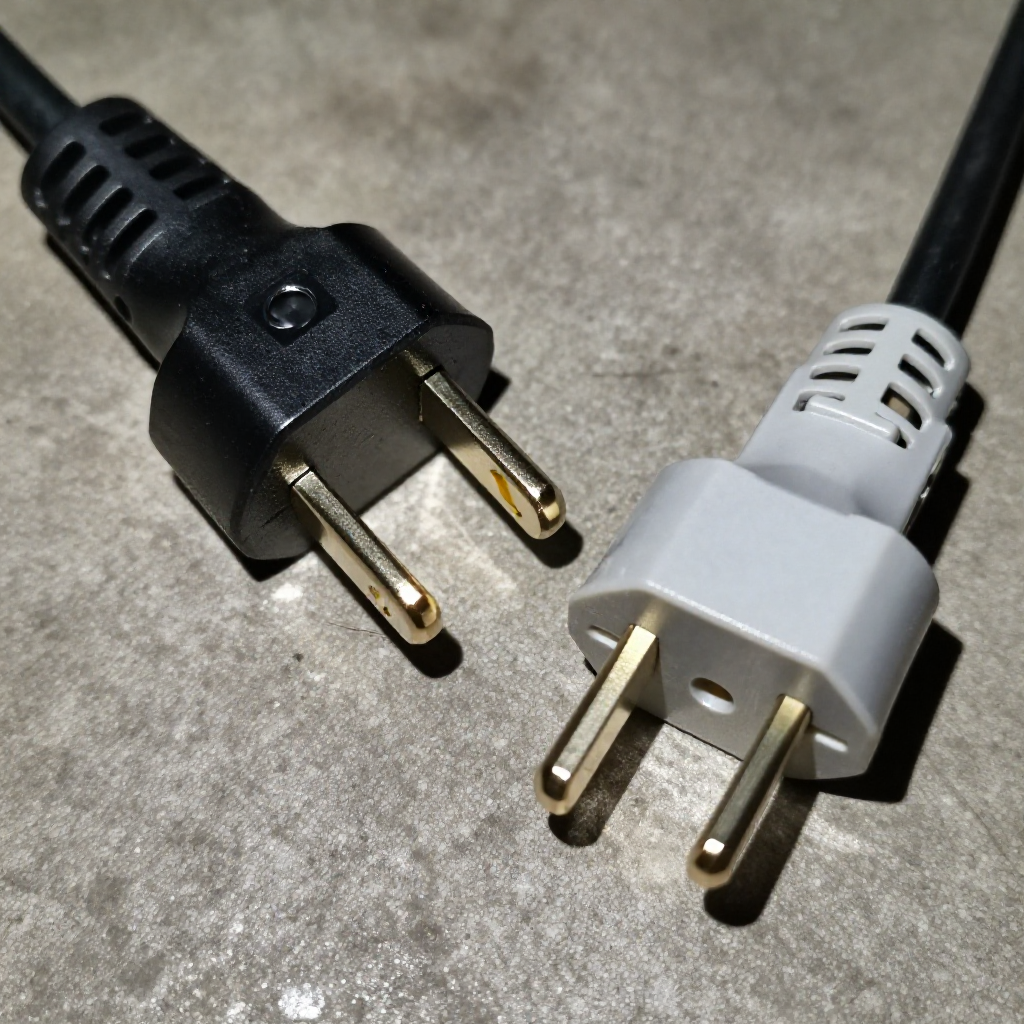
STUCKFIX
handymanDIY Friendly
water_pump

Sump Pump Won't Turn On During a Storm? Diagnose It Before You Flood

A silent sump pump when the pit is full means you're one heavy rain from a flooded basement. Track down the failure fast — float switch, power, or motor.

Category:Plumbing
Difficulty:Moderate
Time:20-30 min
Success:50%
Updated:May 22, 2026

quick_referenceQuick Answer

For Sump Pump Won't Turn On During a Storm? Diagnose It Before You Flood, start with "Check the float switch isn't stuck before touching anything electrical": Stop resetting the breaker and unplugging things blindly. Open the sump pit cover, grab a flashlight, and look at the float switch. It's the bulbous plastic ball or cylindrical float on a cord or arm. If it's pinned against the pit wall by debris, a rock, or the discharge pipe, that's your problem — it can't rise to trigger the pump. Reach in and free it, then manually lift the float with a stick or your hand. If the pump kicks on immediately, the motor and electrical are fine. If lifting the float does nothing, move on to the electrical checks. Stop DIY if you're standing in water when you approach the sump pit or the electrical outlet — that's an electrocution risk. don't touch anything. cut power at the main breaker first. This is listed as a moderate recovery and usually takes about 20-30 min.

verifiedGuide Snapshot

Repair areaPlumbing
Estimated time20-30 min
DifficultyModerate
Stop conditions4

Last updated May 22, 2026. Review the stop conditions before continuing.

account_treeRecovery State

DeviceSump Pump
Current stateNot Turning On
Specific stateFull Pit No Start
Failed stepFloat Activation
Likely failure typeElectrical Fault
DIY boundaryDIY recovery first
paymentsCost decision

help1. Understand the Problem

Sump pumps fail to start for three reasons: the float switch is stuck or failed, power isn't reaching the pump, or the motor is burned out. The float switch is the most common culprit — debris in the pit jams the float arm against the wall, or the switch mechanism itself corrodes and stops making contact. Power failures happen when the dedicated GFCI outlet trips or the cord gets knocked loose. Motor burnout usually comes from running dry too many times or old age beyond 7-10 years.

build_circle2. Try This First
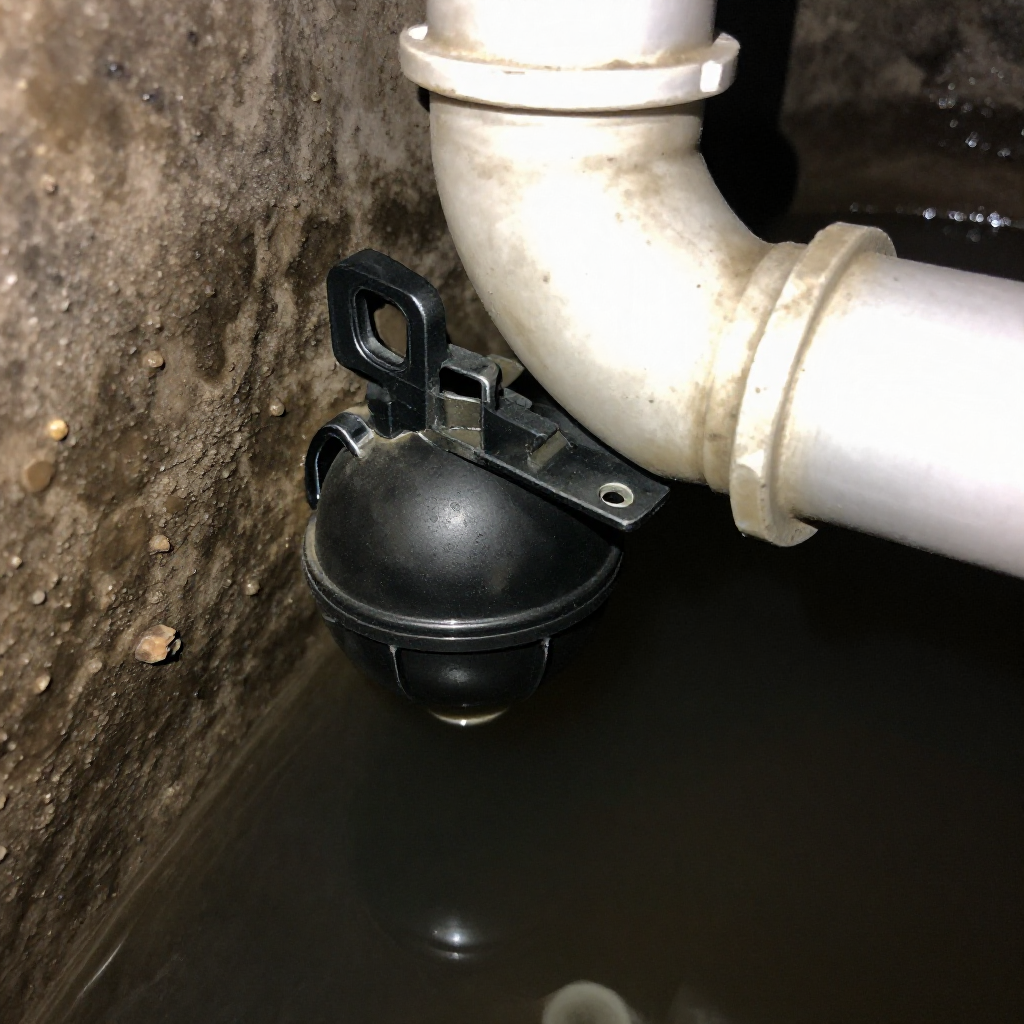
Best First Step
Check the float switch isn't stuck before touching anything electrical

Check the float switch isn't stuck before touching anything electrical

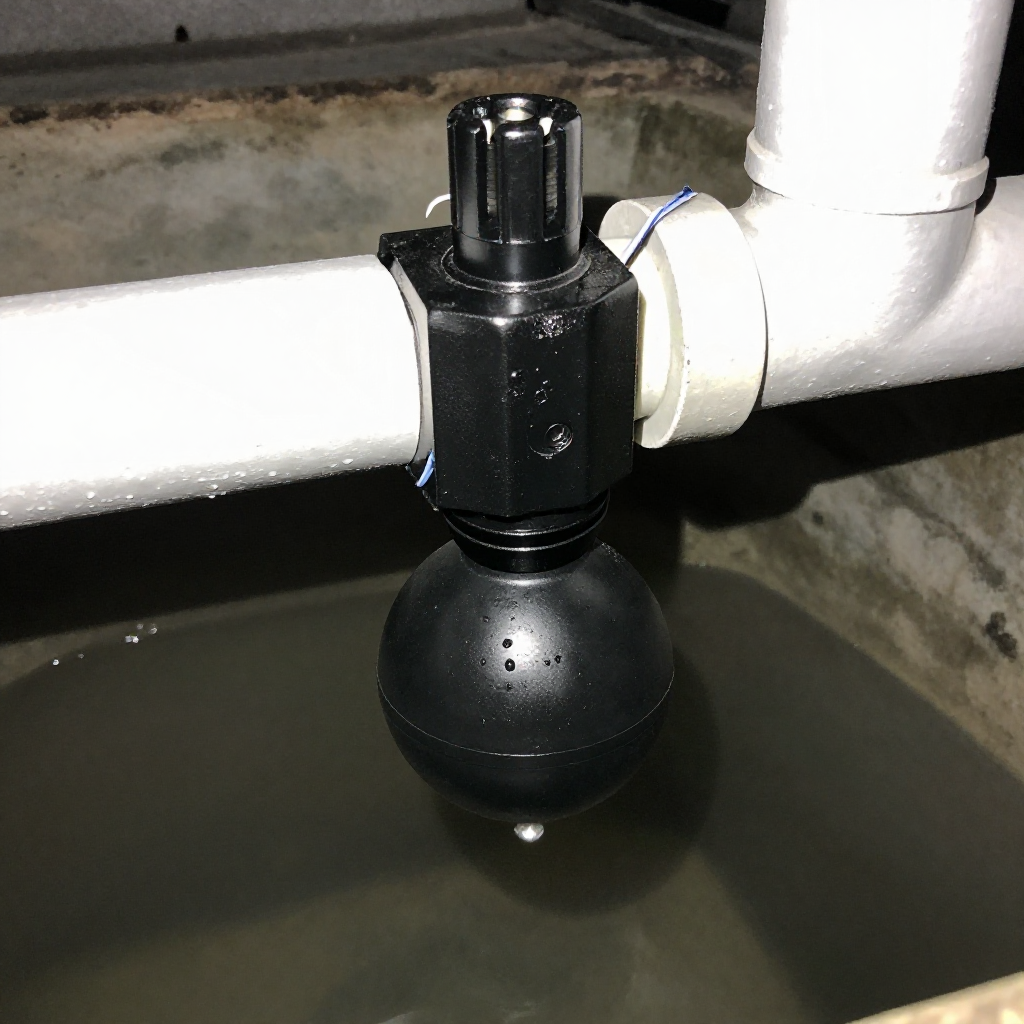
Stop resetting the breaker and unplugging things blindly. Open the sump pit cover, grab a flashlight, and look at the float switch. It's the bulbous plastic ball or cylindrical float on a cord or arm. If it's pinned against the pit wall by debris, a rock, or the discharge pipe, that's your problem — it can't rise to trigger the pump. Reach in and free it, then manually lift the float with a stick or your hand. If the pump kicks on immediately, the motor and electrical are fine. If lifting the float does nothing, move on to the electrical checks.

visibility3. Visual Guidance

See what's happening and how to try the first recovery step.
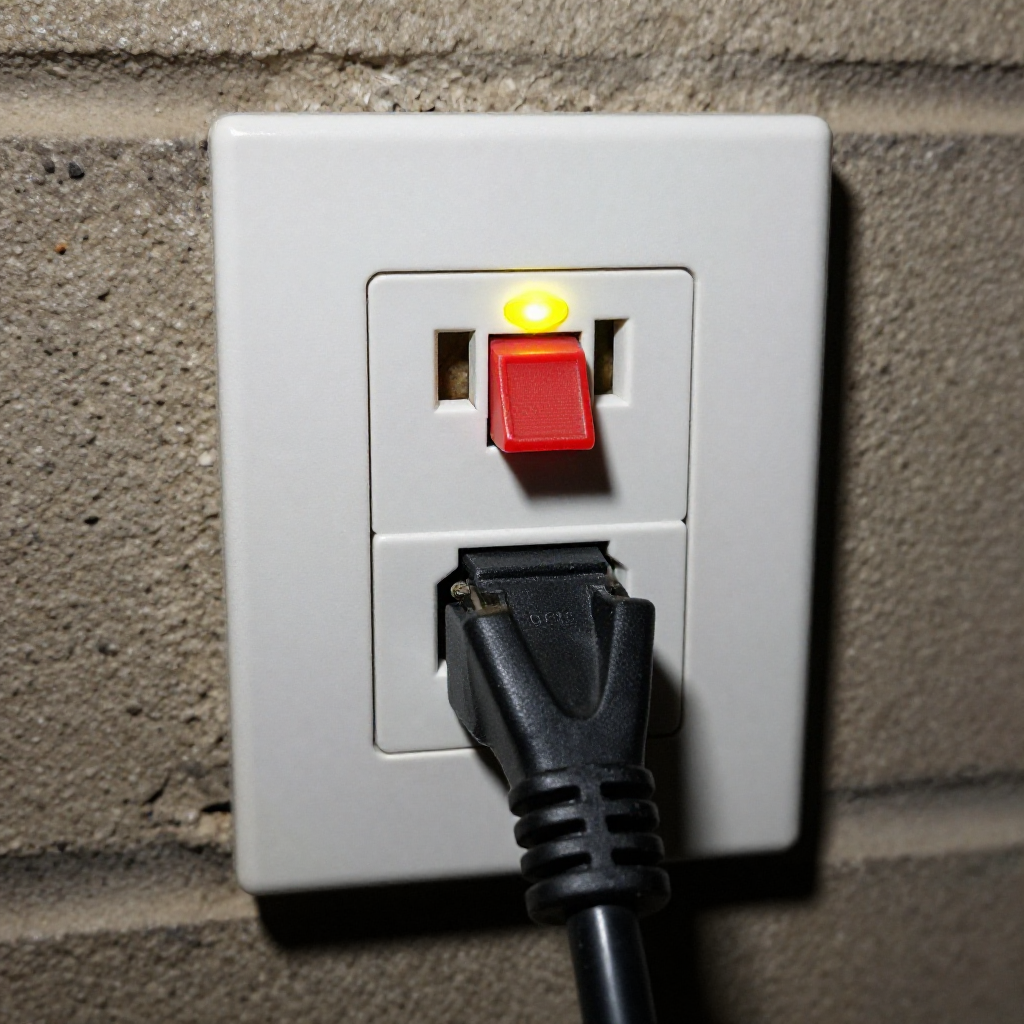
1
Test the outlet and check the GFCI
Test the outlet and check the GFCIThe pump should be on a dedicated GFCI outlet. Press the Test then Reset button on the outlet to make sure it hasn't tripped. Then plug a lamp or radio into the outlet the pump uses to confirm power. No power? Check the breaker panel — sump pump circuits sometimes get labeled incorrectly. If the outlet is dead and the breaker is on, you've got a tripped GFCI upstream or a wiring fault.
2
Plug the pump directly into the outlet to bypass the float switch
Plug the pump directly into the outlet to bypass the float switchUnplug the pump from the float switch piggyback plug. Plug the pump cord directly into the wall outlet. If the pump runs immediately, the float switch is bad — replace it. If the pump hums but doesn't pump water, the impeller is jammed or the motor is seized. If nothing happens at all (no hum, no movement), the motor is dead.
3
Replace the float switch or the entire pump depending on what failed
Replace the float switch or the entire pump depending on what failedIf only the float switch failed: buy a universal replacement float switch ($15-30), zip-tie the new switch cord to the pump discharge pipe at the same height as the original, and plug the pump into the new switch, then the switch into the outlet. If the motor is dead or the pump is over 7 years old, replace the whole unit — pedestal pumps run $80-150, submersibles $100-250. Match the discharge pipe diameter and horsepower.

autorenew4. If That Doesn't Work

Try the next recovery options.

plumbing
Install a water-powered backup pumpIf your sump pump fails during storms because of power outages, not mechanical failure, a water-powered backup pump runs off municipal water pressure. It needs no electricity and kicks in when the primary pump fails or the water rises above the primary float level. Requires professional plumbing connection.
chevron_right
battery_charging_full
Add a battery backup systemFor pumps that fail from power loss during storms, a deep-cycle marine battery with an inverter-charger keeps a secondary pump running for 6-12 hours. Costs $200-400 but buys you peace of mind if your basement floods every time the power goes out.
chevron_right
cleaning_services
Clear a jammed impeller by removing the pump from the pitIf the pump hums but doesn't move water when direct-plugged into the outlet, pull the pump out of the pit. Disconnect the discharge pipe, flip the pump over, and check the intake screen on the bottom. Gravel, debris, or a wad of roots can lock the impeller. Clear the obstruction and the pump should spin freely.
chevron_right

Frequently Asked Questions

Should my sump pump run during every rainstorm?expand_more
Yes, if the water table rises under your foundation. Some pumps cycle every few minutes during heavy rain — that's normal. What's not normal is the pump running every 30 seconds when it hasn't rained, which usually means the check valve failed and water is flowing back into the pit.
How long does a sump pump last?expand_more
Seven to ten years is typical for a residential submersible pump in a home that sees regular use. Pedestal pumps last longer (10-15 years) because the motor stays above the water. If your pump is past year eight and acting up, don't bother replacing parts — swap the whole unit.
Can I test my sump pump without waiting for a storm?expand_more
Pour a 5-gallon bucket of water into the pit slowly. The float should rise and the pump should kick on at the normal water level. If it doesn't, diagnose it now — not when there's 3 inches of rain forecast for tonight.
Why does my sump pump short-cycle — runs for 2 seconds then shuts off?expand_more
Either the float switch is set too low and the pump is emptying the pit too fast and bouncing, or the check valve is missing or failed and water rushes back in as soon as the pump stops. Adjust the float tether length or install a new check valve on the discharge pipe.

warning5. Stop DIY If

Don't continue if any of these apply.

reportYou're standing in water when you approach the sump pit or the electrical outlet — that's an electrocution risk. Don't touch anything. Cut power at the main breaker first.
reportThe GFCI outlet trips again immediately after you reset it — there's a ground fault in the pump motor or wiring that won't fix itself.
reportThe pump cord or outlet shows burn marks, melting, or smells like burnt plastic — there's been a serious electrical fault.
reportYour basement has already flooded above the outlet level — water and live electricity don't mix. Call a water mitigation pro and an electrician.
Still stuck?Get personalized help with AI Recovery.

Related Recovery Problems

View all arrow_forward

Same Device Recovery States

Device index arrow_forward

Similar Failure Pattern

This page provides general DIY guidance.
If you're unsure, it's always best to consult a professional.