STUCKFIX
handymanDIY Friendly
door_sliding

Sliding Patio Door Is Hard to Open and Close

A sliding patio door that drags or sticks is usually dirty rollers, a clogged track, or worn bearings. Restore smooth operation in 30 minutes with basic cleaning.

Category:Doors & Windows
Difficulty:Moderate
Time:30 min
Success:50%
Updated:May 24, 2026

quick_referenceQuick Answer

For Sliding Patio Door Is Hard to Open and Close, start with "Deep clean the bottom track with a vacuum and brush": Stop forcing the door — you're grinding grit into the rollers. Grab a shop vac with a crevice tool and vacuum every inch of the bottom track. Then spray the track with an all-purpose cleaner and scrub it with a stiff nylon brush or old toothbrush. Pay special attention to the corners where the door parks — that's where debris piles up. Wipe the track dry with a rag. Test the door. If it's still hard to slide, the rollers themselves need attention — but a clean track is always step one, and it fixes the problem about half the time. Stop DIY if the door is too heavy to lift safely with one helper — a standard sliding glass door with dual-pane glass weighs 100-200 pounds. This is listed as a moderate recovery and usually takes about 30 min.

verifiedGuide Snapshot

Repair areaDoors & Windows
Estimated time30 min
DifficultyModerate
Stop conditions4

Last updated May 24, 2026. Review the stop conditions before continuing.

account_treeRecovery State

DeviceDoor
Current stateSliding Door Hard To Slide
Specific stateRollers Clogged Or Worn
Failed stepDoor Sliding Operation
Likely failure typeWorn Part
DIY boundaryDIY recovery first
paymentsCost decision

help1. Understand the Problem

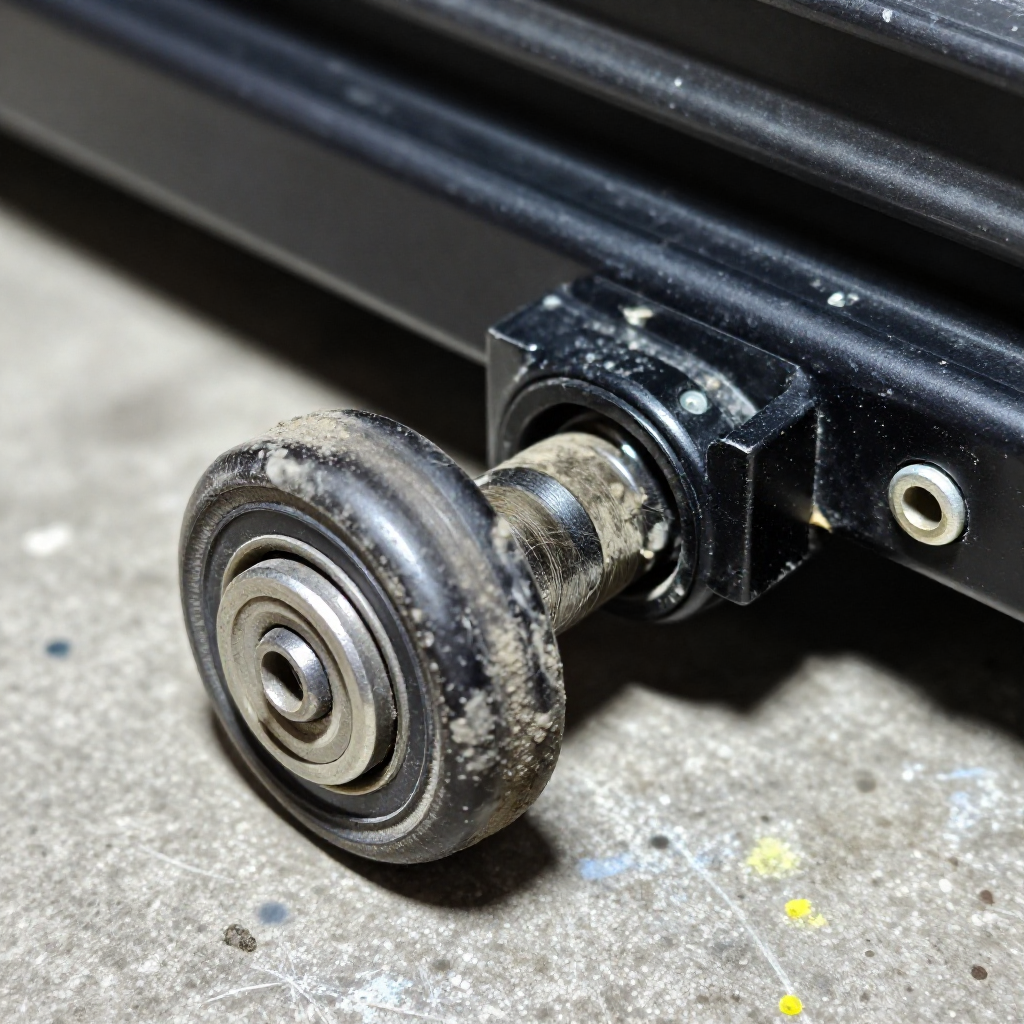
Sliding patio doors get progressively harder to move over time because debris, dirt, and grit work their way into the bottom track and roller assemblies. The rollers themselves are small ball-bearing wheels that eventually flatten, seize, or clog with gunk. This is a physics problem — more friction at the bottom means more force to move the door. Often the track just needs a deep clean, but if the door has been dragging for months, the rollers themselves may be shot and need replacement.

build_circle2. Try This First
Best First Step
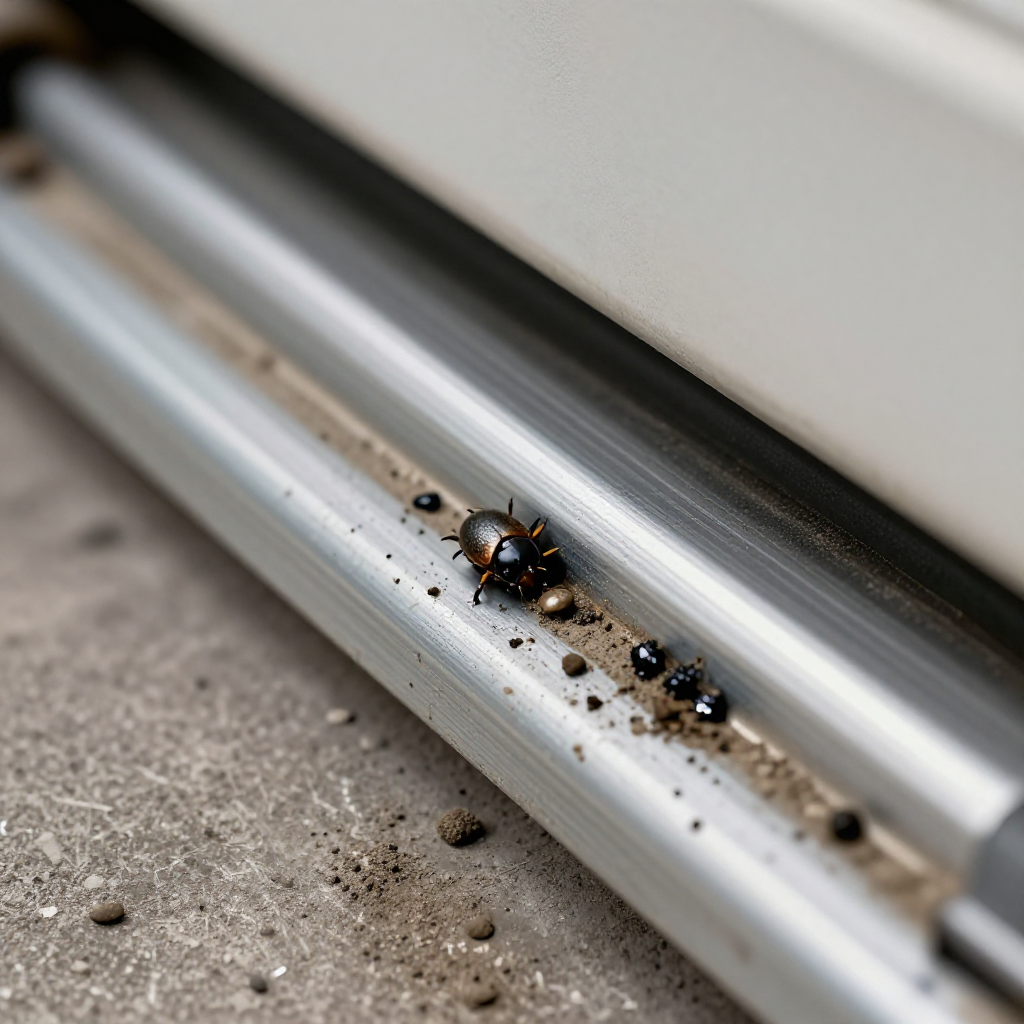
Deep clean the bottom track with a vacuum and brush

Deep clean the bottom track with a vacuum and brush

Stop forcing the door — you're grinding grit into the rollers. Grab a shop vac with a crevice tool and vacuum every inch of the bottom track. Then spray the track with an all-purpose cleaner and scrub it with a stiff nylon brush or old toothbrush. Pay special attention to the corners where the door parks — that's where debris piles up. Wipe the track dry with a rag. Test the door. If it's still hard to slide, the rollers themselves need attention — but a clean track is always step one, and it fixes the problem about half the time.

visibility3. Visual Guidance

See what's happening and how to try the first recovery step.
1
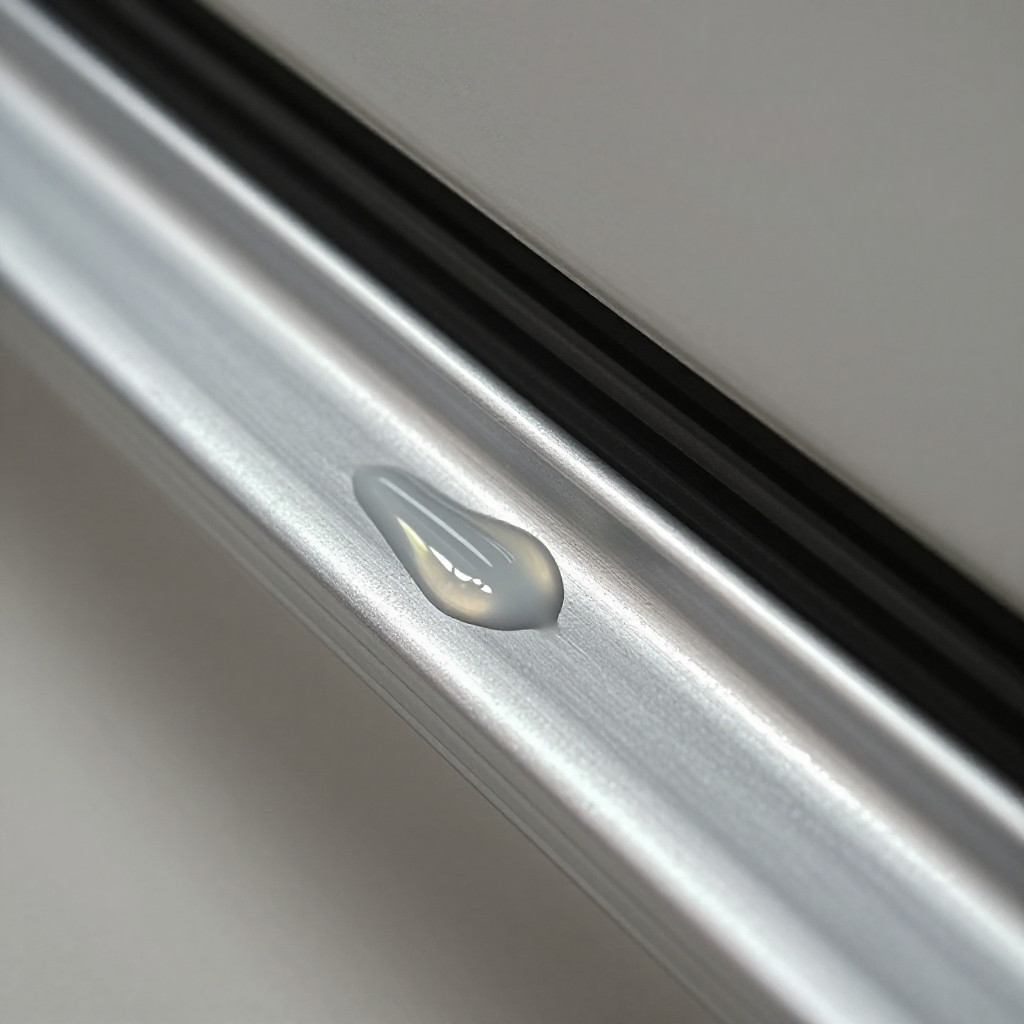
Lubricate the track with silicone spray — not WD-40
Lubricate the track with silicone spray — not WD-40After the track is clean and dry, spray a light coat of dry silicone lubricant along the entire track. Do NOT use WD-40, grease, or oil-based lubricants — they attract and trap dirt, making the problem worse within weeks. Silicone is dry, won't collect dust, and provides lasting low-friction glide. Spray, then run the door back and forth a few times to distribute it evenly.
2
Remove the door to access and clean the rollers
Remove the door to access and clean the rollersIf cleaning the track didn't work, the rollers are the problem. Most sliding doors lift out: remove the anti-lift block or stop at the top track, then tilt the door inward from the bottom and lift it out of the track. It's heavy — get a helper. Lay the door on its side on a drop cloth. Use a flathead screwdriver to pry out the roller assemblies from the bottom edge. They're usually held in by friction or a small retaining clip. Clean each roller wheel with a wire brush and spray the bearing with silicone. Spin the wheels — they should roll freely without grinding.
3
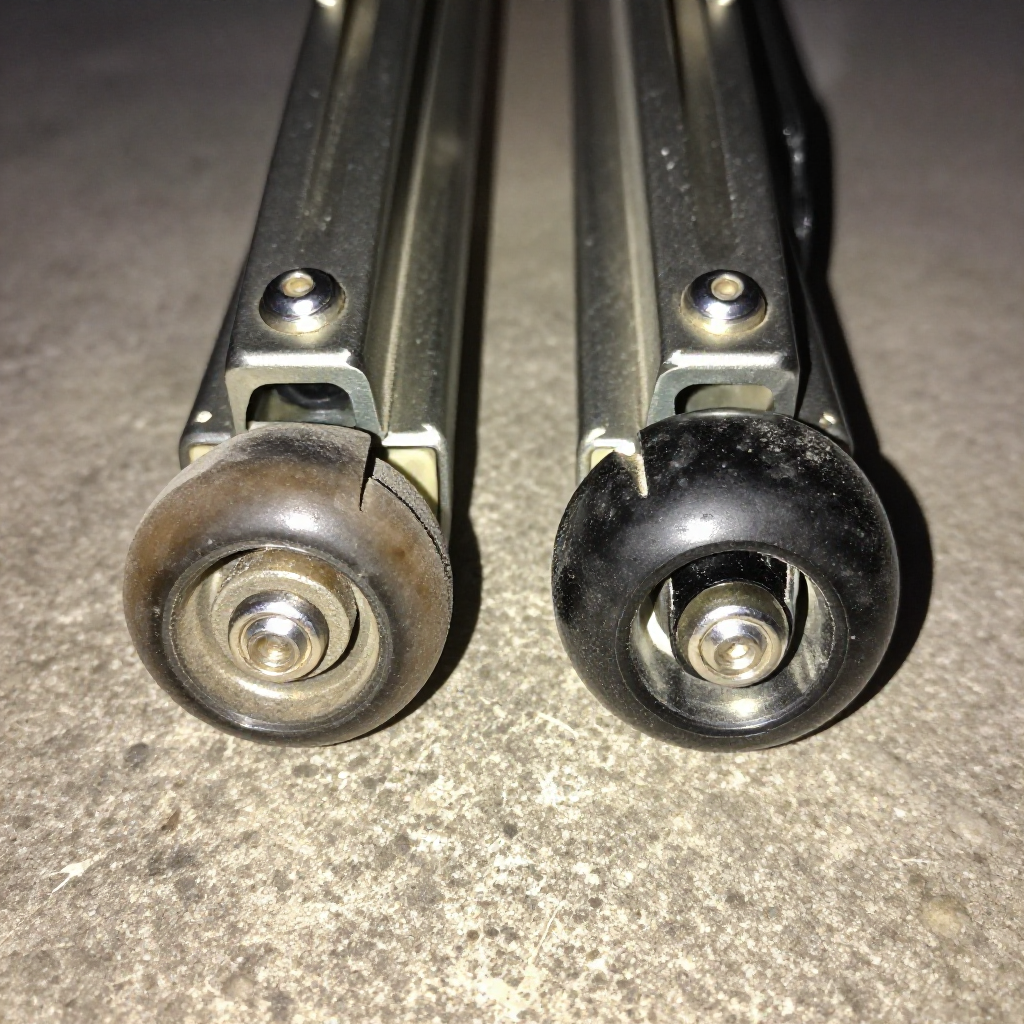
Replace worn flat-spotted rollers with new ones
Replace worn flat-spotted rollers with new onesIf the roller wheels have flat spots, wobble, or won't spin even after cleaning, they need replacement. Take the old roller assembly to the hardware store to match the style — there are dozens of variations. Most pop out and the new ones snap in. Before reinstalling the door, adjust the new rollers to their lowest position using the adjustment screw in the bottom edge of the door (accessible with a Phillips screwdriver through the adjustment holes). Once the door is back in the track, turn the adjustment screws clockwise to raise the door until it's level and clears the track evenly.

autorenew4. If That Doesn't Work

Try the next recovery options.

tune
Check and adjust the door height screwsBefore pulling the door, try adjusting the roller height first. Look for two small holes on the bottom edge of the door near each corner. Insert a Phillips screwdriver and turn clockwise to raise the door. If the door is dragging on one side only, adjust just that corner until the gap between door and track is even.
chevron_right
door_back
Replace the entire sliding door assemblyIf the frame is warped, the glass seal is broken (fog between panes), or the track is permanently gouged and deformed, a new door is the right call. Modern sliding doors start around $400-600 and are significantly more energy-efficient than 20-year-old units.
chevron_right

Frequently Asked Questions

Can I use WD-40 on my sliding door track instead of silicone spray?expand_more
No. WD-40 is a solvent, not a dry lubricant. It'll work for a few days, then collect dust and form a sticky paste that makes the door harder to slide than before. Use only dry silicone or PTFE-based spray lubricants.
How do I know if my sliding door rollers are bad vs. just dirty?expand_more
If you clean the track thoroughly and the door still drags or makes a grinding sound, the rollers themselves are seized or flat-spotted. Also, if the door sits lower on one side and adjustment screws don't raise it, the rollers are worn out.
Can one person remove a sliding patio door?expand_more
Not safely. A standard dual-pane sliding glass door weighs 100-200 pounds. Always have a second person to help lift. If you're alone, focus on cleaning and adjusting from inside the track — don't try to remove it solo.
What's the difference between steel and nylon rollers?expand_more
Steel rollers last longer but are louder and can wear grooves into an aluminum track. Nylon rollers are quieter and gentler on the track but wear out faster. Match what your door came with unless you're upgrading to a stainless steel roller with sealed bearings.

warning5. Stop DIY If

Don't continue if any of these apply.

reportThe door is too heavy to lift safely with one helper — a standard sliding glass door with dual-pane glass weighs 100-200 pounds.
reportThe glass is cracked or the seal between the panes has failed and there's moisture between the glass layers.
reportThe frame is bent, rotted, or the track is so deformed that new rollers won't help — this requires full door replacement.
reportYou have a multi-panel sliding system with interlocking mechanisms — the complexity increases significantly beyond a basic 2-panel slider.
Still stuck?Get personalized help with AI Recovery.

Related Recovery Problems

View all arrow_forward

Same Device Recovery States

Device index arrow_forward

Similar Failure Pattern

This page provides general DIY guidance.
If you're unsure, it's always best to consult a professional.