STUCKFIX
handymanDIY Friendly
build

Why Does My Door Stick and Not Close Properly?

A door that rubs against the jamb or won't latch often needs hinge adjustment or seasonal sanding. This guide covers the common fixes.

Category:Doors & Windows
Difficulty:Easy
Time:15 min
Success:50%
Updated:Jul 1, 2026

quick_referenceQuick Answer

For Why Does My Door Stick and Not Close Properly?, start with "Tighten the hinge screws": Open the door and inspect the hinges. Use a screwdriver to tighten all screws on both the jamb side and door side. If a screw spins freely, replace it with a longer 2.5-inch screw to grab the wall stud. Stop DIY if door frame is visibly warped or cracked. This is listed as a easy recovery and usually takes about 15 min.

verifiedGuide Snapshot

Repair areaDoors & Windows
Estimated time15 min
DifficultyEasy
Stop conditions3

Last updated Jul 1, 2026. Review the stop conditions before continuing.

account_treeRecovery State

DeviceDoor
Current stateMisalignment
Specific stateBinding
Failed stepHinge Sag
Likely failure typeMisalignment
DIY boundaryDIY recovery first
paymentsCost decision

help1. Understand the Problem

Doors swell in humid weather or settle over time, causing the top or side to rub against the frame. Loose hinge screws can also pull the door out of alignment. In most cases, adjusting the hinges or lightly sanding the binding edge resolves the issue.

build_circle2. Try This First
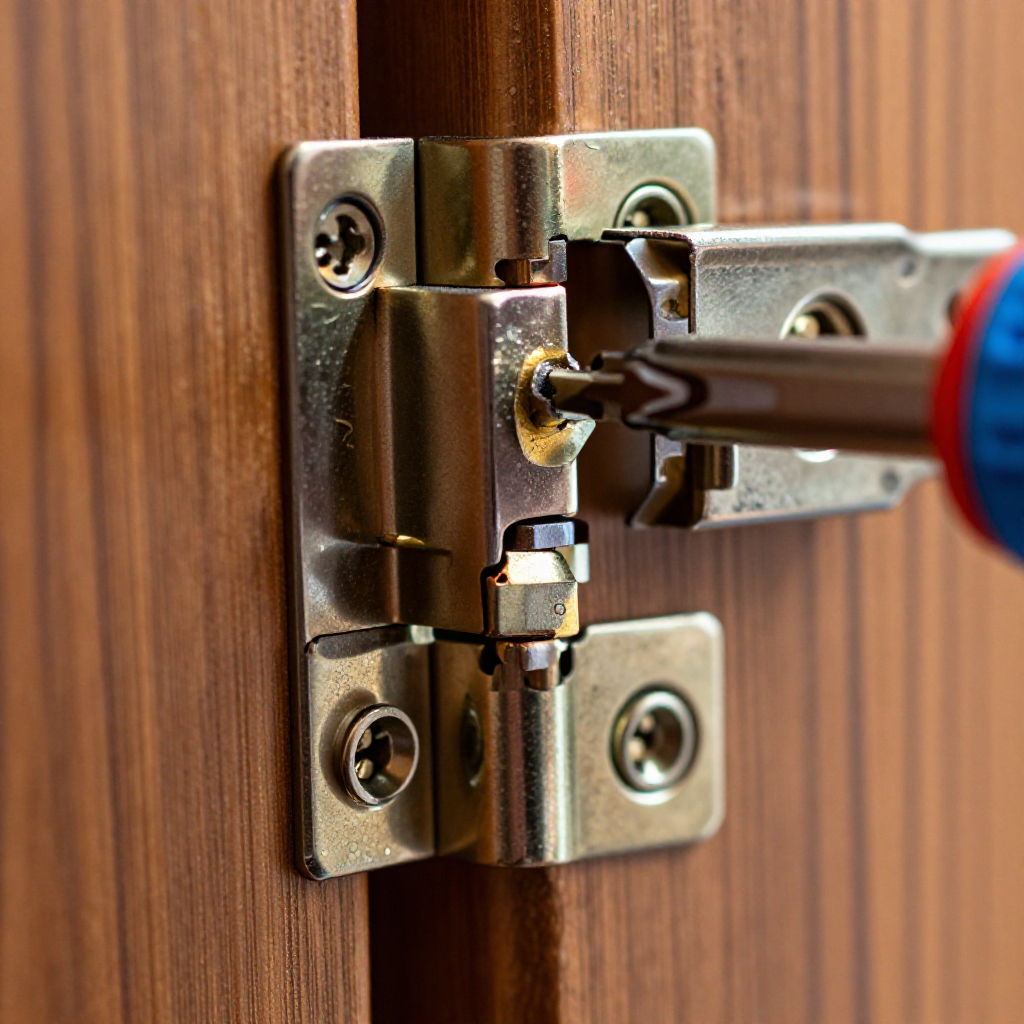
Best First Step
Tighten the hinge screws

Tighten the hinge screws

Open the door and inspect the hinges. Use a screwdriver to tighten all screws on both the jamb side and door side. If a screw spins freely, replace it with a longer 2.5-inch screw to grab the wall stud.

visibility3. Visual Guidance

See what's happening and how to try the first recovery step.
1
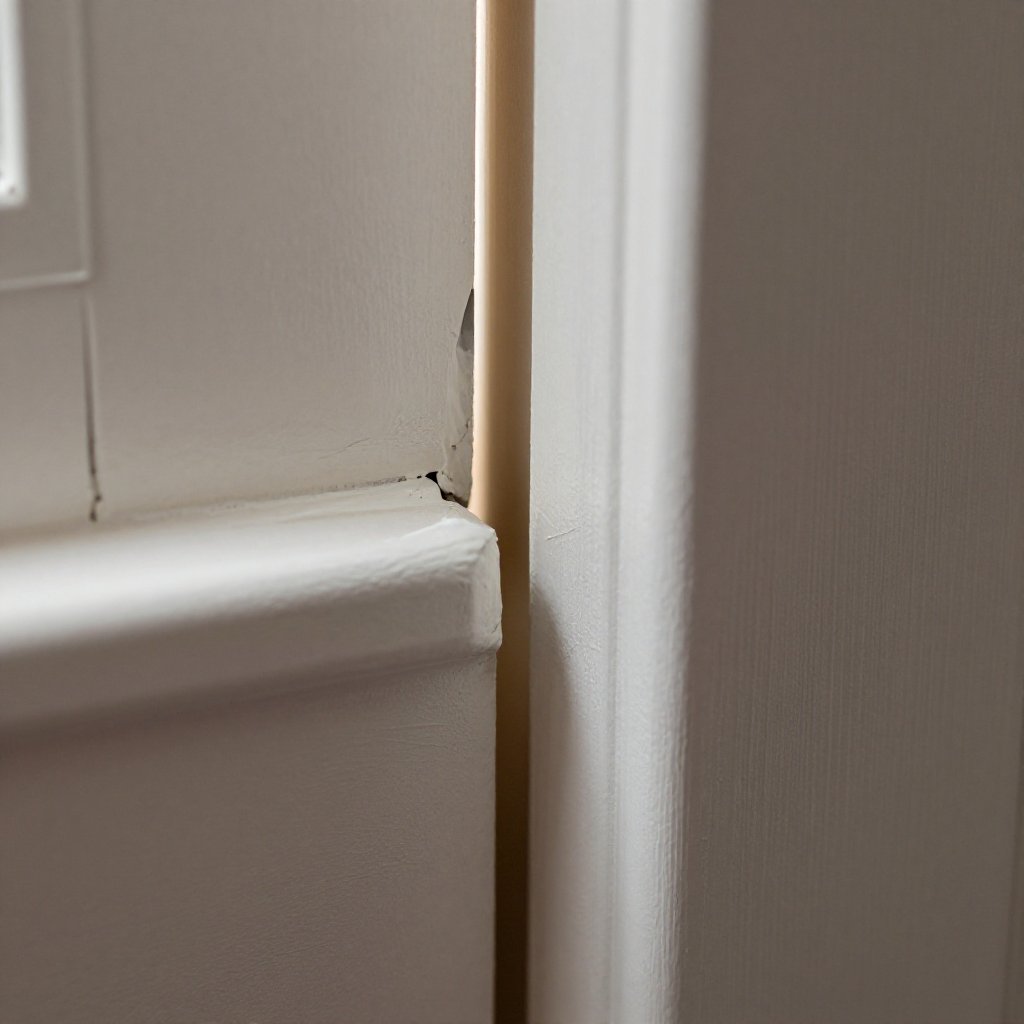
Identify where the door is binding
Identify where the door is bindingClose the door slowly and watch where it contacts the jamb. Look for paint transfer or scuff marks. Common spots are the top corner or the latch side near the strike plate.
2
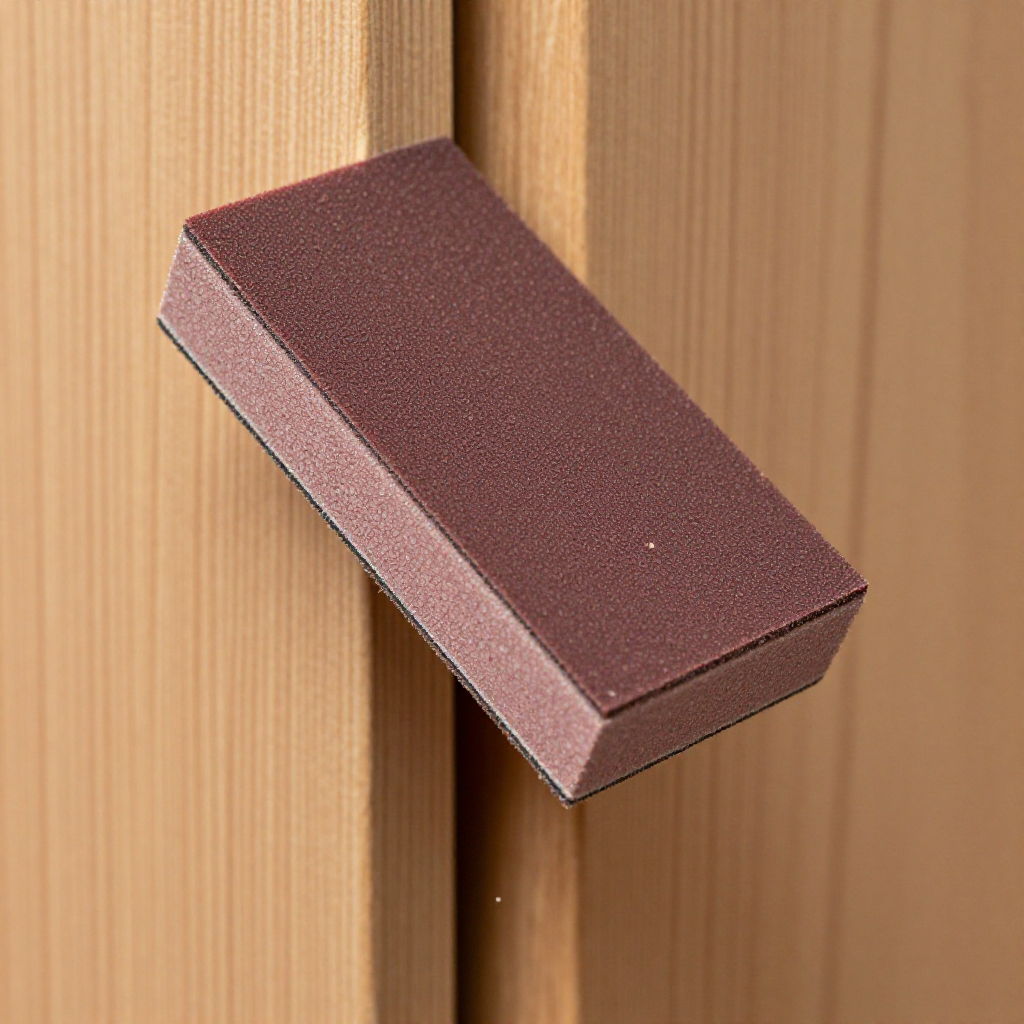
Sand the binding edge
Sand the binding edgeIf the door rubs on the jamb, open the door and sand the binding edge with 80-grit sandpaper on a sanding block. Sand in the direction of the grain. Wipe away dust and test the fit.
3
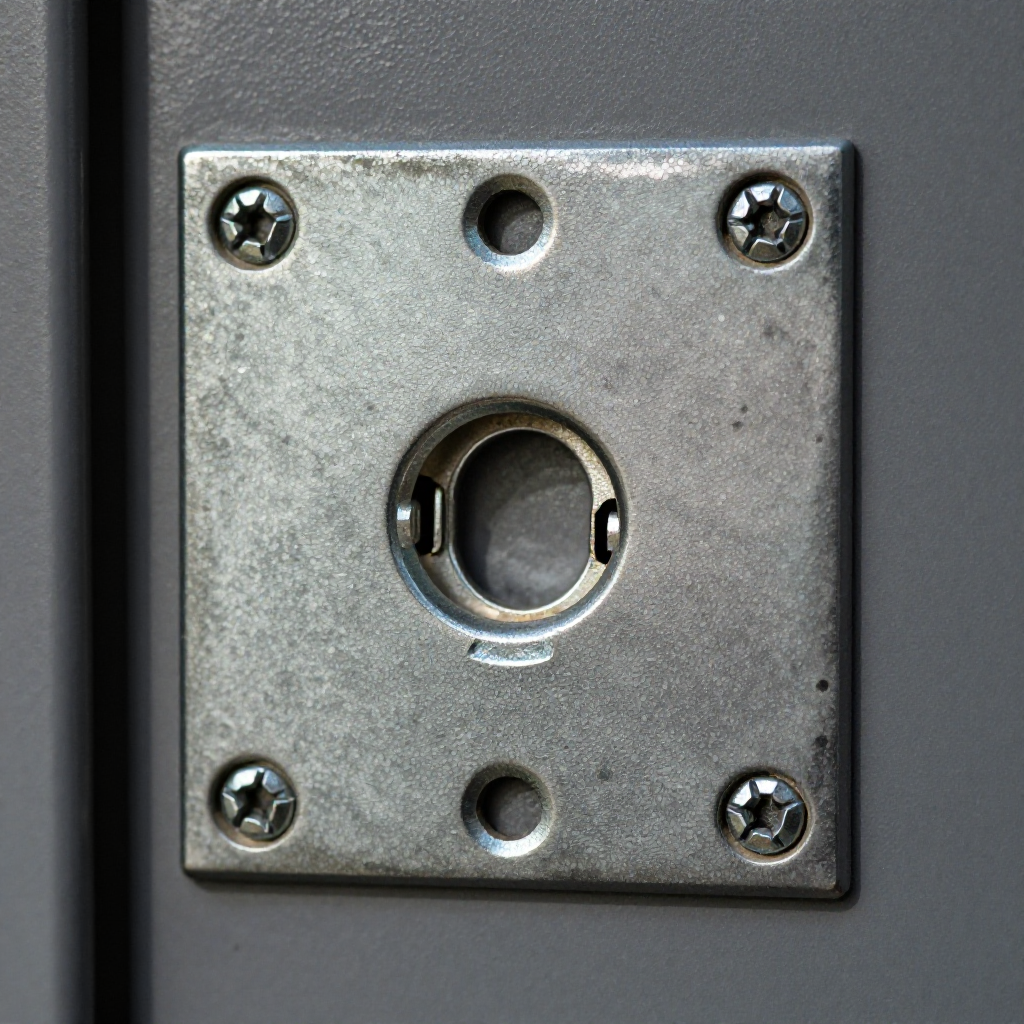
Adjust the strike plate
Adjust the strike plateIf the door doesn't latch, check if the latch bolt aligns with the strike plate hole. Use a metal file to enlarge the hole slightly on the side where the bolt hits, or reposition the strike plate.
4
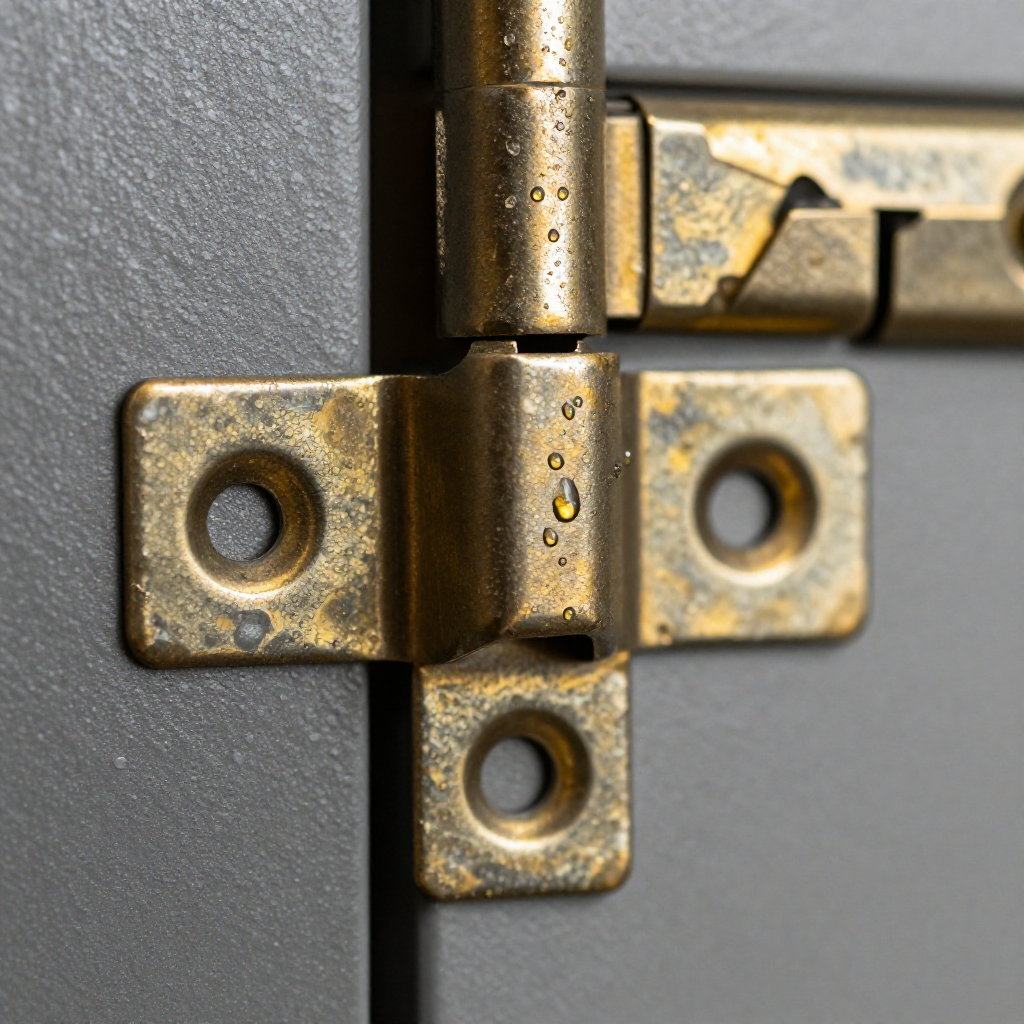
Lubricate the hinges
Lubricate the hingesIf the door squeaks or binds at the hinge pin, apply a few drops of WD-40 or silicone lubricant to the top of each hinge pin. Work the door back and forth to distribute the lubricant.

autorenew4. If That Doesn't Work

Try the next recovery options.

Plane the door edgeIf sanding doesn't work, remove the door and use a hand plane to shave 1/16 inch off the binding edge. Repaint or seal the exposed wood.
chevron_right

Frequently Asked Questions

Why does my door stick more in summer?expand_more
Wood expands in humid summer weather. This is normal. Sanding the edge slightly or running a dehumidifier in the room can help.
Can I fix a sticking door without removing it?expand_more
Yes, often you can tighten hinges or sand the edge with the door in place. Only remove the door if you need to plane it.
What if the door is sticking at the top?expand_more
Tighten the top hinge screws first. If that doesn't work, place a thin shim behind the bottom hinge to tilt the door away from the top jamb.
How do I fix a door that won't stay closed?expand_more
Check the latch alignment with the strike plate. If it's off, adjust the strike plate or bend the latch tab slightly inward for a tighter grip.

warning5. Stop DIY If

Don't continue if any of these apply.

reportDoor frame is visibly warped or cracked
reportHinge screws won't tighten even with longer screws
reportDoor is rubbing on the floor and needs the bottom trimmed
Still stuck?Get personalized help with AI Recovery.

Same Device Recovery States

Device index arrow_forward

Similar Failure Pattern

This page provides general DIY guidance.
If you're unsure, it's always best to consult a professional.