STUCKFIX
handymanDIY Friendly
kitchen

Freezer Is Freezing but Fridge Is Warm? The Damper or Fan Is Stuck

When the freezer is 0°F but the fridge side won't drop below 50°F, cold air isn't getting where it needs to go. The damper control or evaporator fan is the fix — not a new fridge.

Category:Appliances
Difficulty:Moderate
Time:30-45 min
Success:50%
Updated:May 22, 2026

quick_referenceQuick Answer

For Freezer Is Freezing but Fridge Is Warm? The Damper or Fan Is Stuck, start with "Empty the fridge and check if the damper opening is blocked by ice or food": Stop adjusting the temperature dial — if the freezer is working, the cooling system is fine. The damper is a small vent (usually near the top back of the fridge compartment) that opens and closes to let cold air in from the freezer. Empty the top shelf and look at the damper opening. If you see frost or ice blocking it, you've found the problem. Don't chip at the ice — you'll crack plastic. Unplug the fridge and leave the doors open for 2 hours to defrost naturally. Stop DIY if the compressor is clicking every few minutes but not running — this is a failed start relay or compressor, not a damper issue. This is listed as a moderate recovery and usually takes about 30-45 min.

verifiedGuide Snapshot

Repair areaAppliances
Estimated time30-45 min
DifficultyModerate
Stop conditions4

Last updated May 22, 2026. Review the stop conditions before continuing.

account_treeRecovery State

Current stateFridge Warm Freezer Cold
Specific stateDamper Not Opening
Failed stepCold Air Transfer
Likely failure typeMechanical Jam
DIY boundaryDIY recovery first
paymentsCost decision

help1. Understand the Problem

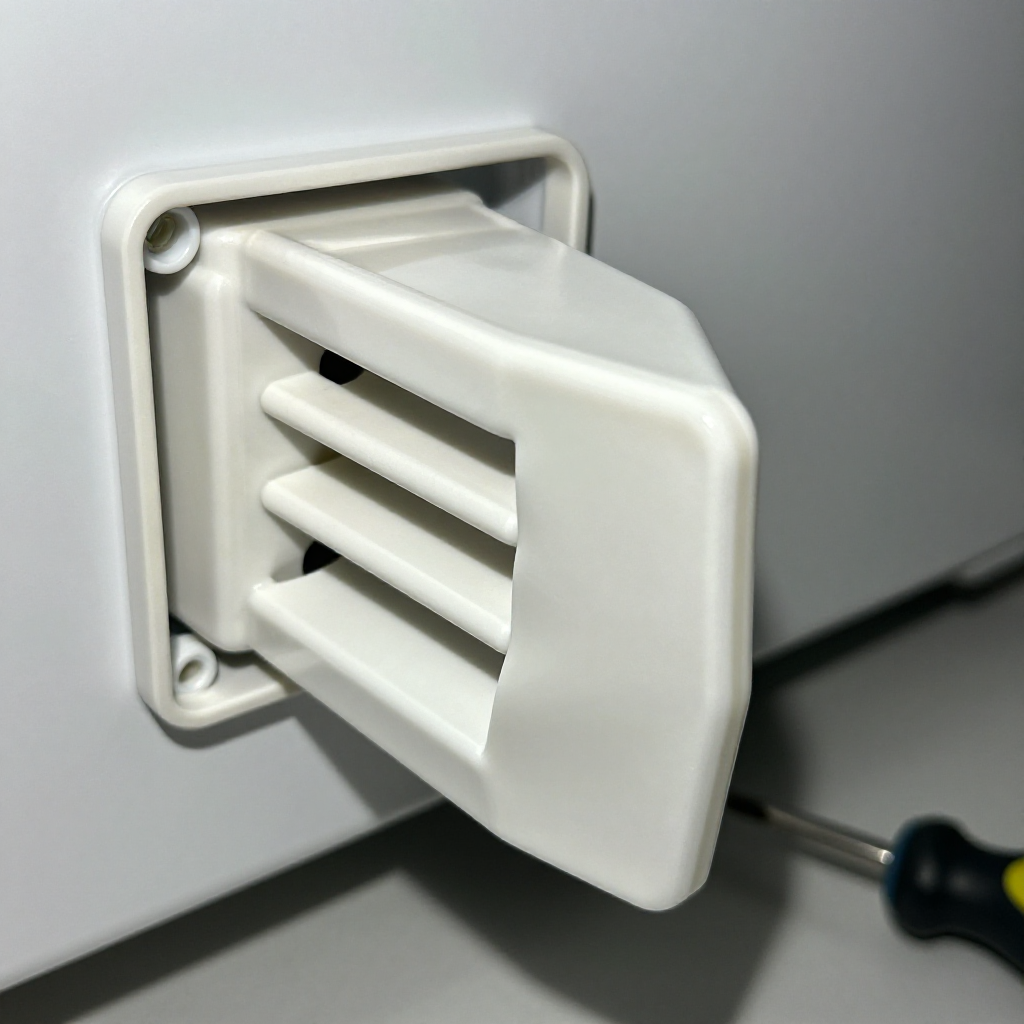
Most refrigerators with a single evaporator use a damper to control how much cold air flows from the freezer compartment into the fridge. When the damper gets stuck closed — often from ice buildup or a failed damper motor — the freezer keeps getting cold but the fridge warms up. The evaporator fan motor can also fail, especially if ice builds up around it from a defrost system problem.

build_circle2. Try This First
Best First Step
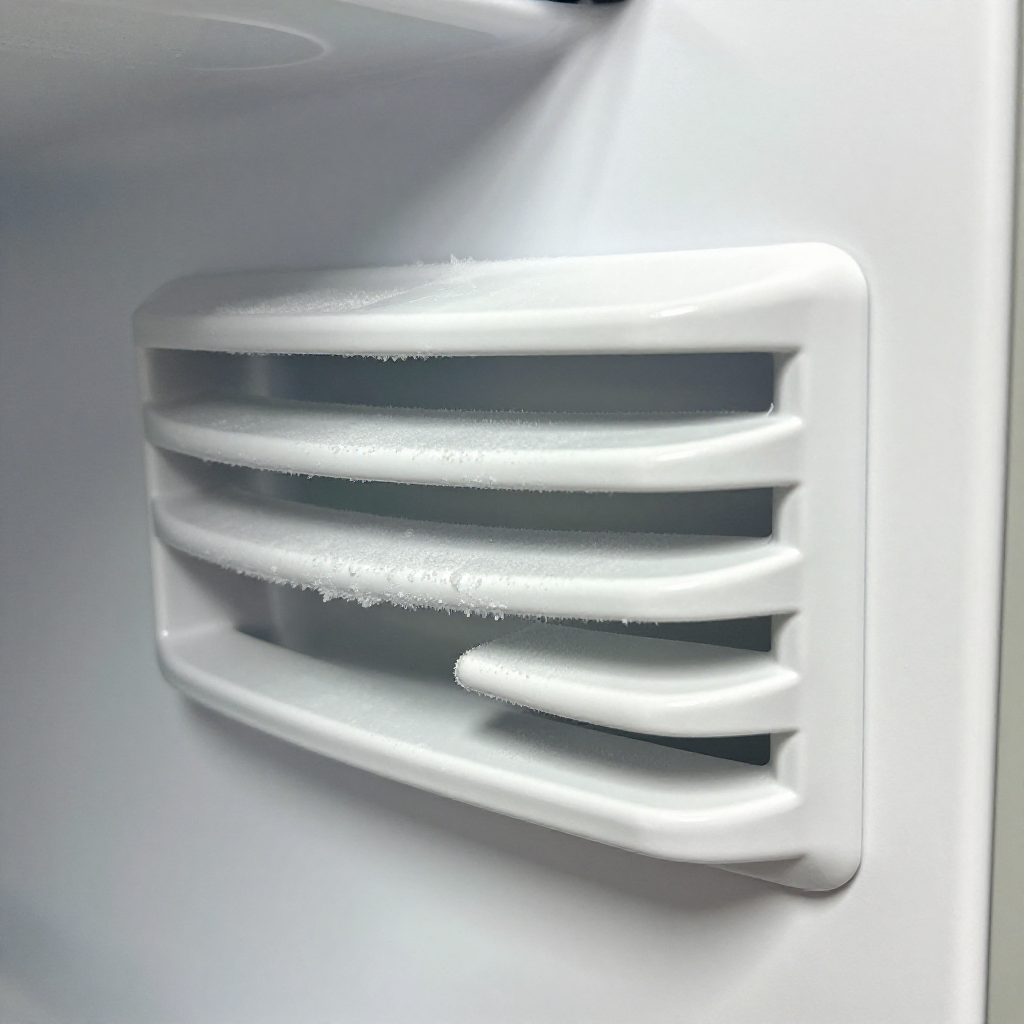
Empty the fridge and check if the damper opening is blocked by ice or food

Empty the fridge and check if the damper opening is blocked by ice or food

Stop adjusting the temperature dial — if the freezer is working, the cooling system is fine. The damper is a small vent (usually near the top back of the fridge compartment) that opens and closes to let cold air in from the freezer. Empty the top shelf and look at the damper opening. If you see frost or ice blocking it, you've found the problem. Don't chip at the ice — you'll crack plastic. Unplug the fridge and leave the doors open for 2 hours to defrost naturally.

visibility3. Visual Guidance

See what's happening and how to try the first recovery step.
1
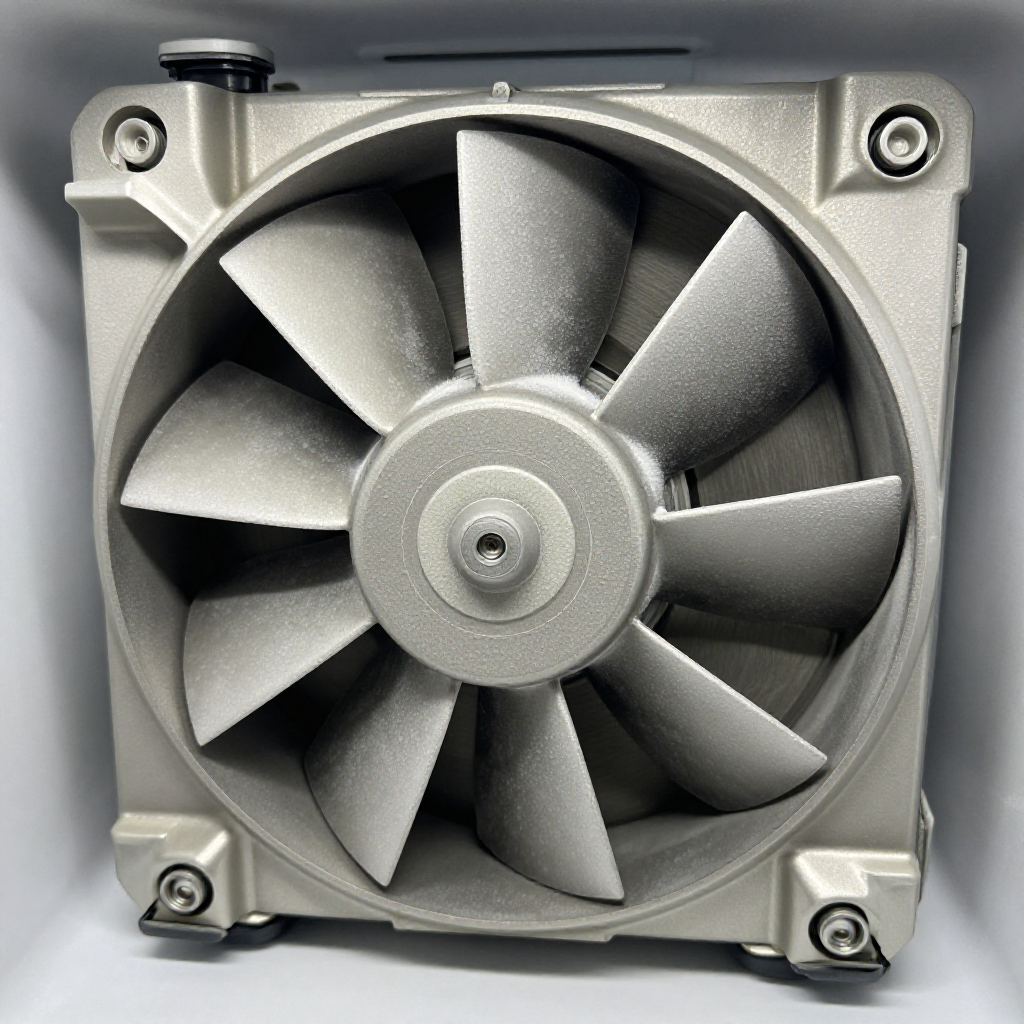
Pull the evaporator cover and check the fan
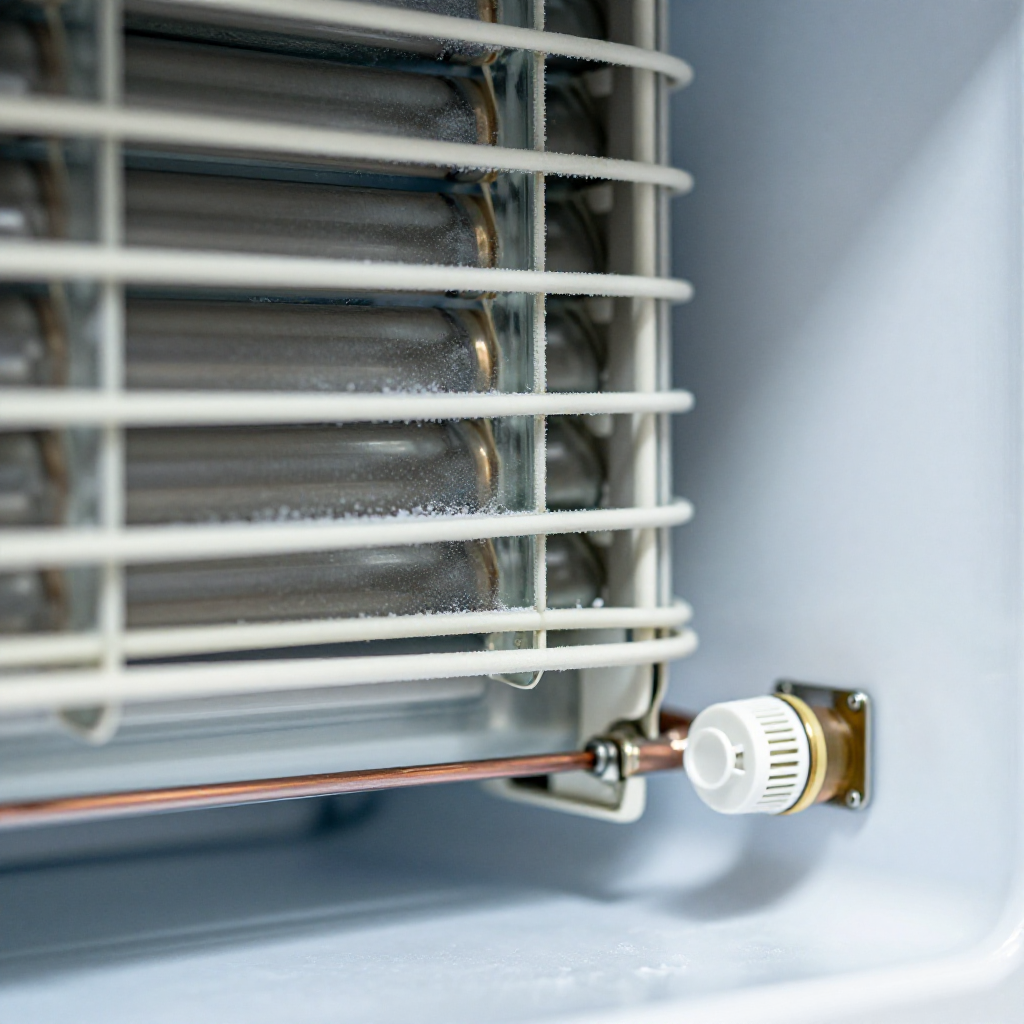
Pull the evaporator cover and check the fanUnplug the fridge. In the freezer compartment, remove the screws holding the back panel (evaporator cover). Behind it is the evaporator coil and a fan. If the fan blades are encased in a block of ice, the defrost system has failed. If the fan spins freely by hand but doesn't run, test it with a multimeter — it should read 120V AC when the compressor is running.
2
Test and replace the damper control assembly
Test and replace the damper control assemblyThe damper is typically a motorized flap on the fridge side. Remove the damper cover. Turn the fridge back on briefly and watch the damper door when you adjust the temperature setting. It should open and close. If it stays shut, the damper motor has failed. Order the exact replacement part by model number — aftermarket dampers rarely fit. Disconnect the old one (2 screws and one wiring harness plug) and install the new one.
3
Check the defrost heater and thermostat if ice was present
Check the defrost heater and thermostat if ice was presentIf you found ice on the evaporator, the automatic defrost system failed. The defrost heater is a glass tube or metal element at the bottom of the evaporator coil. Test it for continuity with a multimeter — an open circuit means it's burned out. Also test the defrost thermostat (a small round disc clipped to the evaporator tube). It should read closed (0 ohms) when frozen and open when above 40°F.

autorenew4. If That Doesn't Work

Try the next recovery options.

cleaning_services
Check the condenser coils — if they're coated in dust, nothing cools properlyPull the fridge away from the wall. The condenser coils are either on the back (older models) or underneath behind a kick plate (newer). Vacuum them with a brush attachment. Coils caked in dust can't dissipate heat, which reduces cooling capacity across both compartments.
chevron_right
door_front
Check the door seals with the dollar bill testClose a dollar bill in the fridge door gasket. If you can pull it out with zero resistance, warm air is leaking in. Clean the gasket with warm soapy water. If the magnet strip inside the gasket has lost magnetism or the rubber is cracked, replace the gasket.
chevron_right
memory
Replace the main control board if sensors test fine but damper still won't openThe damper motor gets its signal from the main control board. If the damper motor tests fine (12V DC at the connector when it should open) but the fridge is still warm, the thermistor that senses fridge temperature may have failed. Replace the thermistor first — it's $15 vs. $150 for a board.
chevron_right

Frequently Asked Questions

Why is my fridge warm but the freezer is working perfectly?expand_more
In a single-evaporator fridge, the freezer gets priority for cold air. The damper is the gatekeeper — when it fails closed, the freezer stays at 0°F while the fridge climbs to room temperature. It's never a refrigerant problem if one compartment works and the other doesn't.
How long should I wait for the fridge to cool down after fixing the damper?expand_more
An empty fridge takes 4-6 hours to drop from room temperature to 37°F. A full fridge takes 12-24 hours because the thermal mass of the food absorbs cold. Don't keep opening the door to check — you're just letting cold air out.
Can I bypass the damper to get cold air into the fridge?expand_more
Manually wedging the damper open will cool the fridge but it'll freeze everything on the top shelf and the freezer will struggle to maintain temperature. It's an emergency fix to save food for 24 hours while you wait for the replacement part.
What does it mean if the evaporator fan makes noise?expand_more
A squealing or clicking evaporator fan means the fan motor bearings are worn. Sometimes ice is hitting the blades. Either way, the fan will fail soon and both compartments will lose cooling. Replace the fan motor before it dies completely.

warning5. Stop DIY If

Don't continue if any of these apply.

reportThe compressor is clicking every few minutes but not running — this is a failed start relay or compressor, not a damper issue.
reportYou smell refrigerant (a sweet chemical smell like nail polish remover) — the sealed system has a leak and requires an EPA-certified technician.
reportThe evaporator coil has a solid block of ice covering more than half of it — the sealed system may have a restriction or low charge, not just a defrost problem.
reportBoth compartments are warm — this is a compressor or sealed system failure, not an airflow problem.
Still stuck?Get personalized help with AI Recovery.

Related Recovery Problems

View all arrow_forward

Same Device Recovery States

Device index arrow_forward

Similar Failure Pattern

This page provides general DIY guidance.
If you're unsure, it's always best to consult a professional.