STUCKFIX
handymanDIY Friendly
kitchen

Refrigerator Icemaker Stopped Making Ice Completely

An icemaker that quit making ice often has a frozen fill tube, a bad water inlet valve, or a stuck feeler arm. Fix it without calling a tech.

Category:Appliances
Difficulty:Moderate
Time:30 min
Success:50%
Updated:May 24, 2026

quick_referenceQuick Answer

For Refrigerator Icemaker Stopped Making Ice Completely, start with "Check the feeler arm and reset the icemaker": Before you pull the refrigerator out and start chasing water lines, look at the icemaker's feeler arm — the wire or plastic arm that senses ice level. If it's stuck in the raised (full) position, the icemaker thinks the bin is full and won't make ice. Push it down firmly. If there's ice jammed behind it, clear the obstruction. Then find the reset procedure for your model: most have a small on/off switch or you hold the feeler arm up for 3 seconds until you hear a chime or the mold begins to cycle. Wait 24 hours before deciding it hasn't worked. Stop DIY if you need to access wiring behind the refrigerator and are uncomfortable working with electrical connections — unplug the fridge first. This is listed as a moderate recovery and usually takes about 30 min.

verifiedGuide Snapshot

Repair areaAppliances
Estimated time30 min
DifficultyModerate
Stop conditions4

Last updated May 24, 2026. Review the stop conditions before continuing.

account_treeRecovery State

Current stateIcemaker Not Making Ice
Specific stateNo Water To Mold
Failed stepIce Production Harvest Cycle
Likely failure typeBlocked Path
DIY boundaryDIY recovery first
paymentsCost decision

help1. Understand the Problem

When a refrigerator icemaker stops producing ice entirely, the problem is usually upstream — either water isn't reaching the ice mold, the feeler arm is stuck in the 'full' position, or the freezer temperature isn't cold enough to trigger the harvest cycle. It's rarely the icemaker module itself. Most failures trace back to a frozen fill tube, a clogged water filter, or a failed water inlet valve that isn't opening when signaled.

build_circle2. Try This First
Best First Step
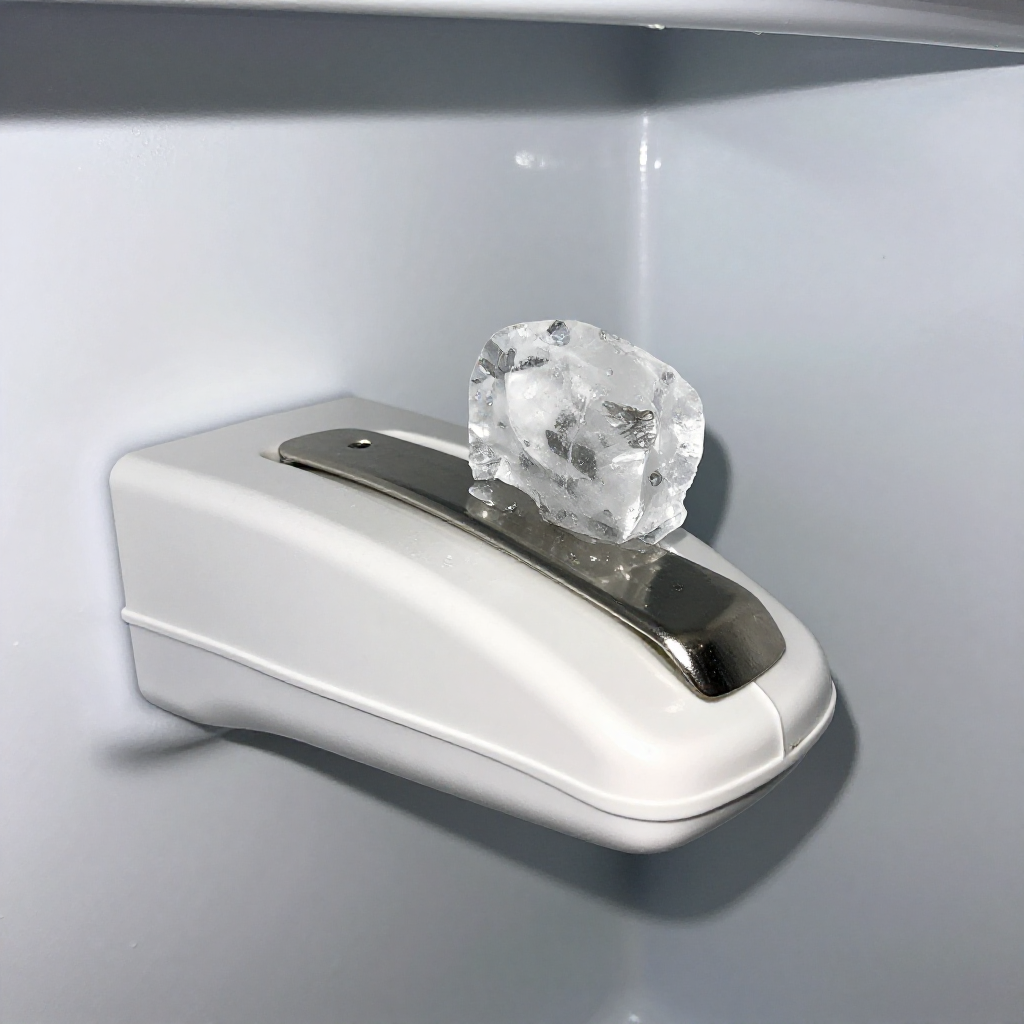
Check the feeler arm and reset the icemaker

Check the feeler arm and reset the icemaker

Before you pull the refrigerator out and start chasing water lines, look at the icemaker's feeler arm — the wire or plastic arm that senses ice level. If it's stuck in the raised (full) position, the icemaker thinks the bin is full and won't make ice. Push it down firmly. If there's ice jammed behind it, clear the obstruction. Then find the reset procedure for your model: most have a small on/off switch or you hold the feeler arm up for 3 seconds until you hear a chime or the mold begins to cycle. Wait 24 hours before deciding it hasn't worked.

visibility3. Visual Guidance

See what's happening and how to try the first recovery step.
1
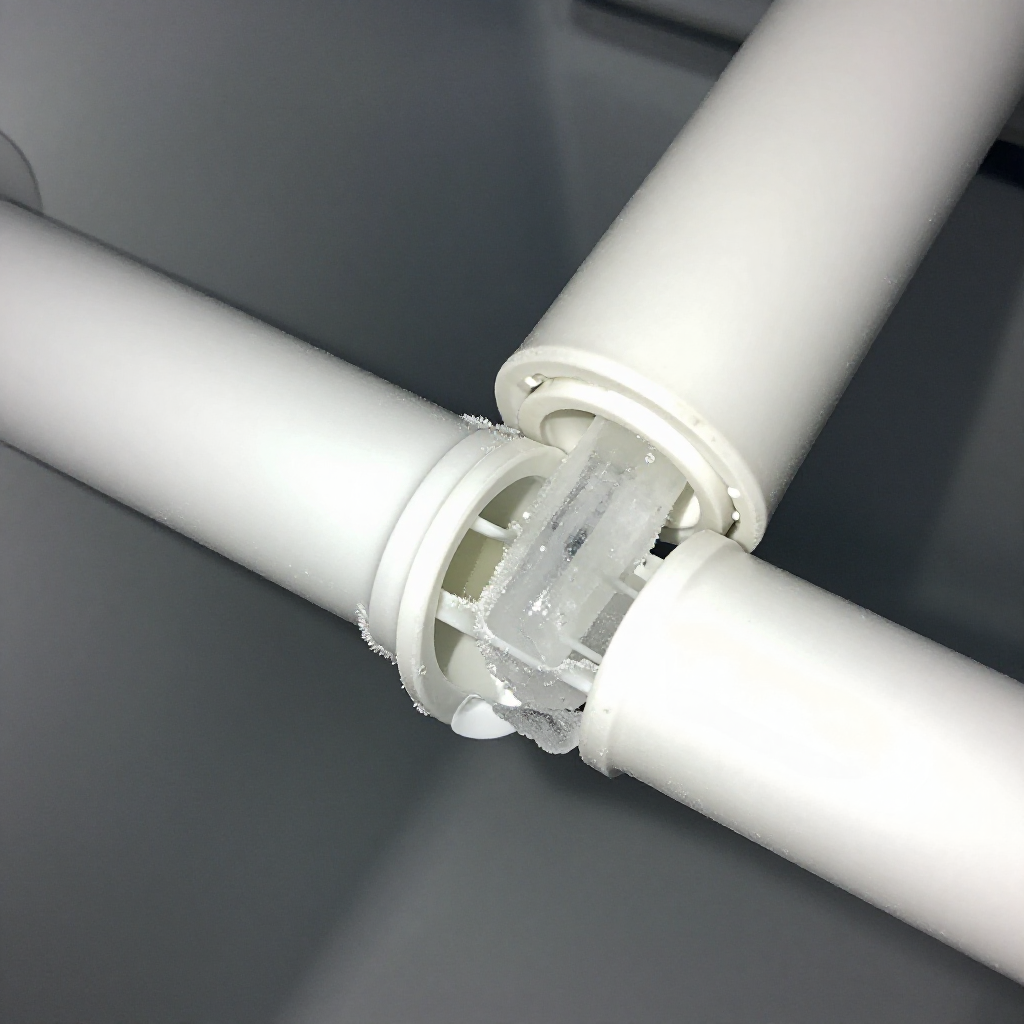
Thaw a frozen fill tube with a hair dryer
Thaw a frozen fill tube with a hair dryerThe fill tube is the small plastic tube that delivers water from the back of the fridge into the icemaker mold. If it's frozen solid, no water gets through. Unplug the refrigerator. Remove the icemaker cover and inspect the fill tube where it enters the ice mold — if you see an ice plug, use a hair dryer on low heat to thaw it gently. Don't use anything sharp to chip the ice — you'll puncture the tube. Once thawed, the fill tube should be clear and hollow when you look through it.
2
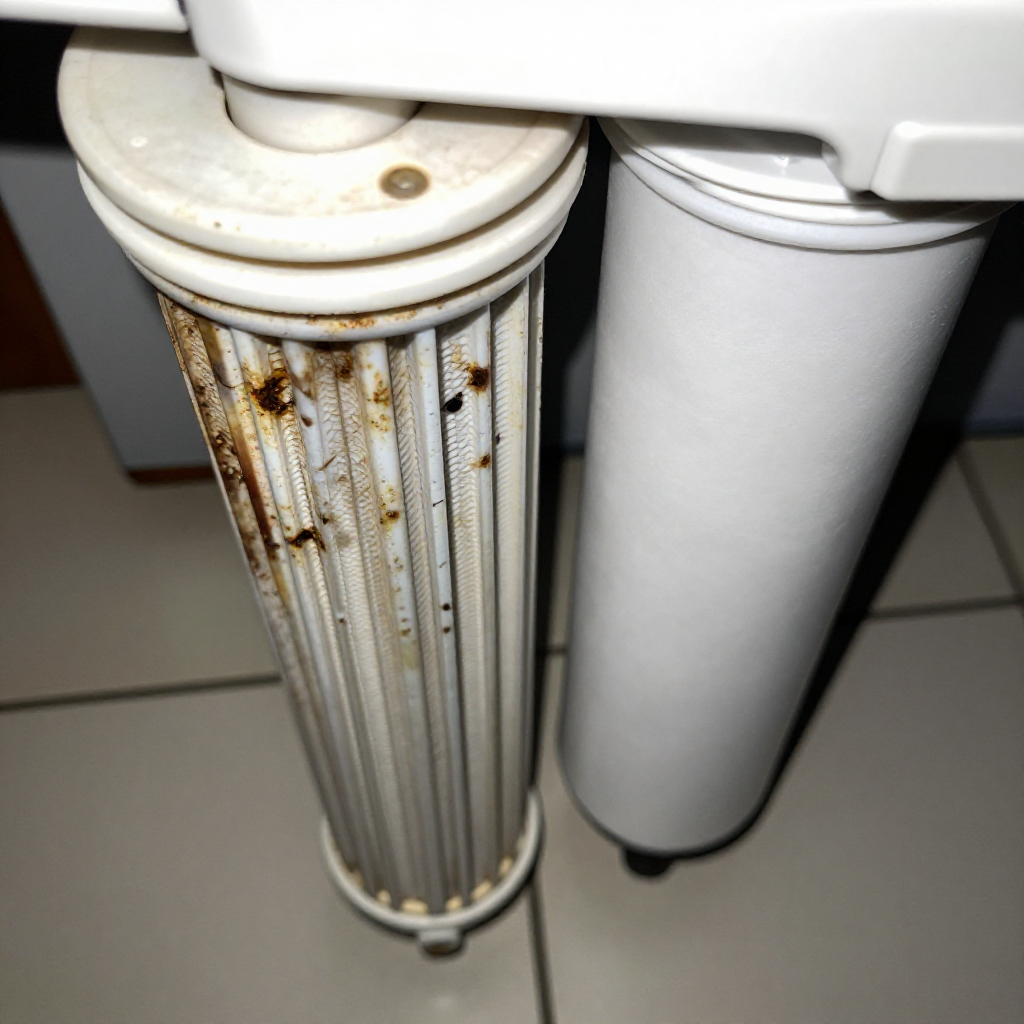
Replace a clogged water filter
Replace a clogged water filterA fully clogged water filter blocks water to both the dispenser and the icemaker. If your water dispenser is also slow or stopped, the filter is the culprit. The filter is usually in the grille at the bottom front or inside the refrigerator ceiling compartment. Twist the old one out, install a new one, and run 2-3 gallons of water through the dispenser to flush it. If the dispenser works fine but the icemaker doesn't, skip this step — you have a valve or fill tube issue.
3
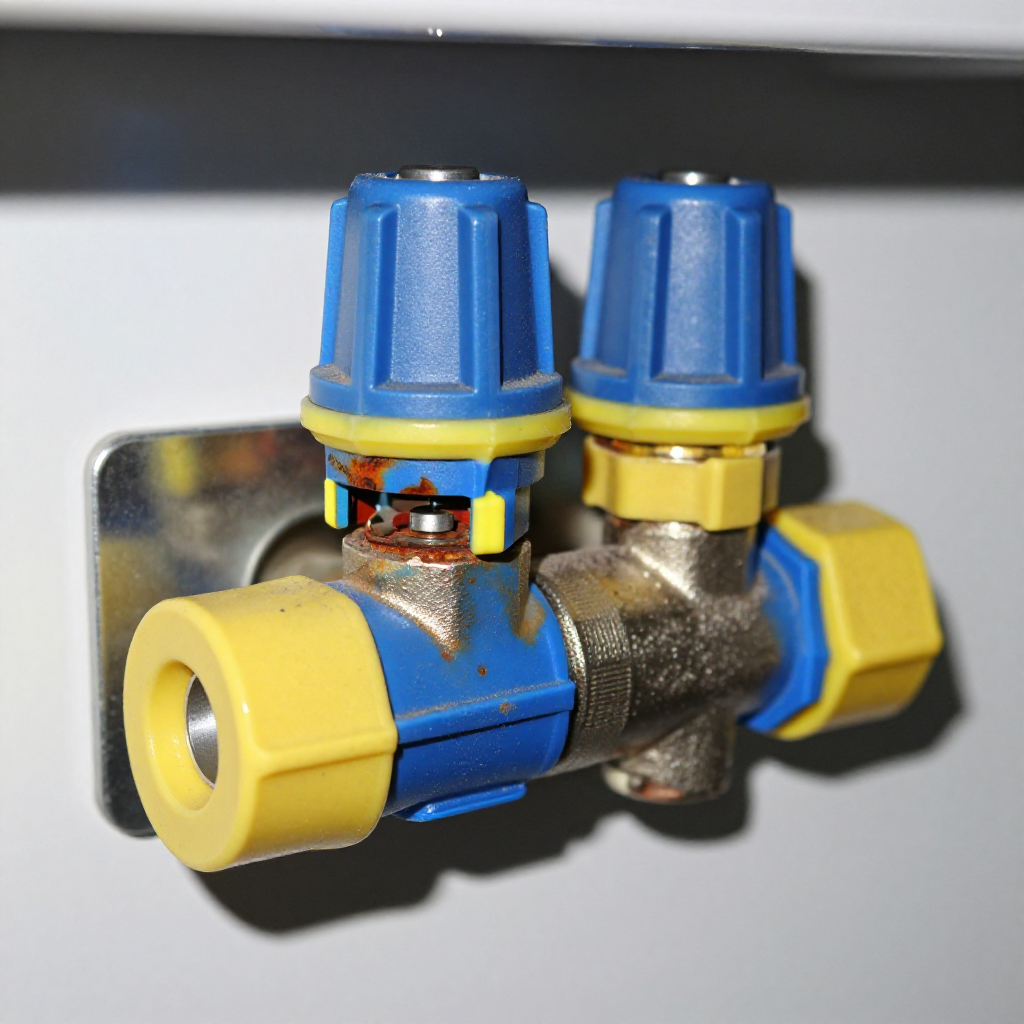
Test and replace the water inlet valve
Test and replace the water inlet valveThe water inlet valve is at the back of the refrigerator, where the water supply line connects. It has two solenoids — one for the dispenser, one for the icemaker. Unplug the fridge, pull it out, and remove the lower back panel. Use a multimeter to test the icemaker solenoid for continuity (should read 200-500 ohms). If it reads open (no continuity), the solenoid is dead. Replace the entire inlet valve assembly — they're not sold as individual solenoids. Swap the supply line, electrical connectors, and mounting bracket. Reconnect and test.

autorenew4. If That Doesn't Work

Try the next recovery options.

thermostat
Check freezer temperature — it must be below 10°FThe icemaker thermostat won't trigger the harvest cycle if the freezer is above 10-15°F. Place a thermometer in the freezer overnight. If it's too warm, check the door seal, clean the condenser coils, and verify the evaporator fan is running.
chevron_right
settings
Manually advance the icemaker cycleSome icemakers have a test mode. On Whirlpool/KitchenAid models, you can jump terminals T and H on the module with a piece of insulated wire to force a harvest cycle. If the mold heats up and the fingers eject ice, the module is fine — focus on the water supply side.
chevron_right
build_circle
Replace the icemaker module as a last resortIf water reaches the mold but the icemaker never cycles — no harvest, no fill — after confirming temperature and water supply are good, the control module is bad. A replacement icemaker assembly runs $60-100 and takes 3 screws and one electrical plug to swap.
chevron_right

Frequently Asked Questions

Why did my icemaker suddenly stop working after I changed the water filter?expand_more
Air got trapped in the line when you swapped the filter. Run water through the dispenser for 2-3 minutes to purge the air pocket. The icemaker should start filling within a few cycles.
How long after resetting the icemaker should I wait for ice?expand_more
A working icemaker produces one batch every 90-120 minutes. Wait at least 24 hours after a reset before concluding it's broken. A full bin typically takes 2-3 days from empty.
Can a bad water filter really stop the icemaker completely?expand_more
Yes. If the filter is clogged enough to block flow entirely, nothing reaches the icemaker — or the dispenser. Most filters should be replaced every 6 months.

warning5. Stop DIY If

Don't continue if any of these apply.

reportYou need to access wiring behind the refrigerator and are uncomfortable working with electrical connections — unplug the fridge first.
reportThe water supply line connection at the wall or fridge is seized and starts to leak when you try to disconnect it.
reportYou suspect a refrigerant leak (oily residue on coils, fridge not cooling at all) — refrigerant work requires EPA certification.
reportThe icemaker mold is cracked or the heating element is visibly burned.
Still stuck?Get personalized help with AI Recovery.

Related Recovery Problems

View all arrow_forward

Same Device Recovery States

Device index arrow_forward

Similar Failure Pattern

This page provides general DIY guidance.
If you're unsure, it's always best to consult a professional.