STUCKFIX
handymanDIY Friendly
faucet

Kitchen Faucet Pressure Dropped to a Weak Trickle Overnight

When a kitchen faucet suddenly loses pressure while other fixtures run fine, the aerator is likely clogged with sediment or a supply line is kinked — both quick fixes.

Category:Kitchen
Difficulty:Easy
Time:10 min
Success:50%
Updated:May 21, 2026

quick_referenceQuick Answer

For Kitchen Faucet Pressure Dropped to a Weak Trickle Overnight, start with "Unscrew the aerator and clean the screen": The aerator is the small round piece at the tip of the faucet spout where the water comes out. Wrap a cloth around it to protect the finish, grip it with pliers, and unscrew it counterclockwise. Inside you'll find a screen, a flow restrictor, and sometimes rubber gaskets. Rinse the screen under running water, use an old toothbrush to scrub off mineral buildup, and pick out any visible debris. Reassemble and thread it back on hand-tight. Run the faucet — if pressure is back, you're done. Stop DIY if water is leaking from the faucet body or handle base, not just dripping from the spout — the internal seals may be blown. This is listed as a easy recovery and usually takes about 10 min.

verifiedGuide Snapshot

Repair areaKitchen
Estimated time10 min
DifficultyEasy
Stop conditions4

Last updated May 21, 2026. Review the stop conditions before continuing.

account_treeRecovery State

Current stateLow Pressure
Failed stepUnscrew The Aerator And Clean The Screen
Likely failure typeMineral Buildup
DIY boundaryDIY recovery first
paymentsCost decision

help1. Understand the Problem

Sudden pressure loss at a single fixture almost always points to debris in the faucet aerator or a partially closed supply valve. Municipal water work, water heater sediment, or old galvanized pipes can release particles that collect at the faucet's final restriction point — the aerator screen. If every fixture in the house has low pressure, that's a different problem. But one bad faucet while others run strong? Pop the aerator off and you'll usually find the culprit.

build_circle2. Try This First
Best First Step
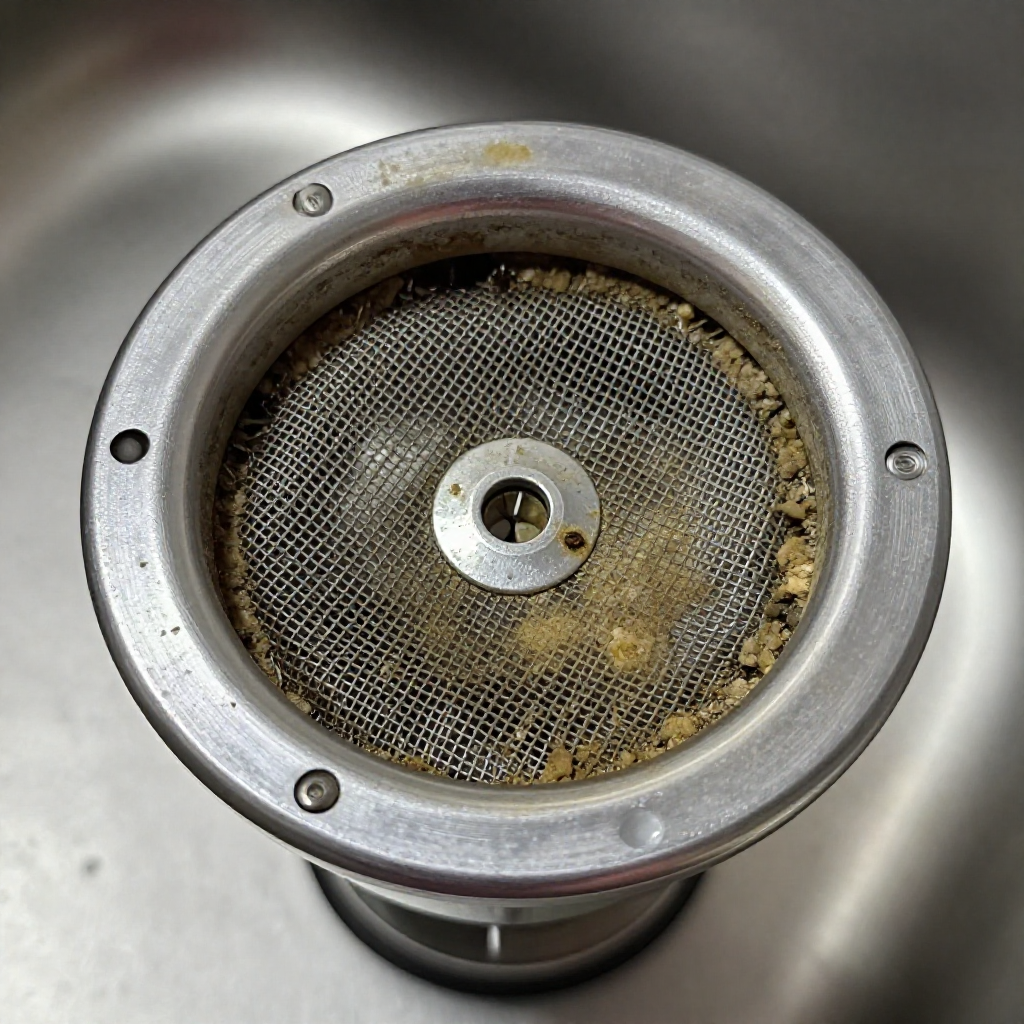
Unscrew the aerator and clean the screen

Unscrew the aerator and clean the screen

The aerator is the small round piece at the tip of the faucet spout where the water comes out. Wrap a cloth around it to protect the finish, grip it with pliers, and unscrew it counterclockwise. Inside you'll find a screen, a flow restrictor, and sometimes rubber gaskets. Rinse the screen under running water, use an old toothbrush to scrub off mineral buildup, and pick out any visible debris. Reassemble and thread it back on hand-tight. Run the faucet — if pressure is back, you're done.

visibility3. Visual Guidance

See what's happening and how to try the first recovery step.
1
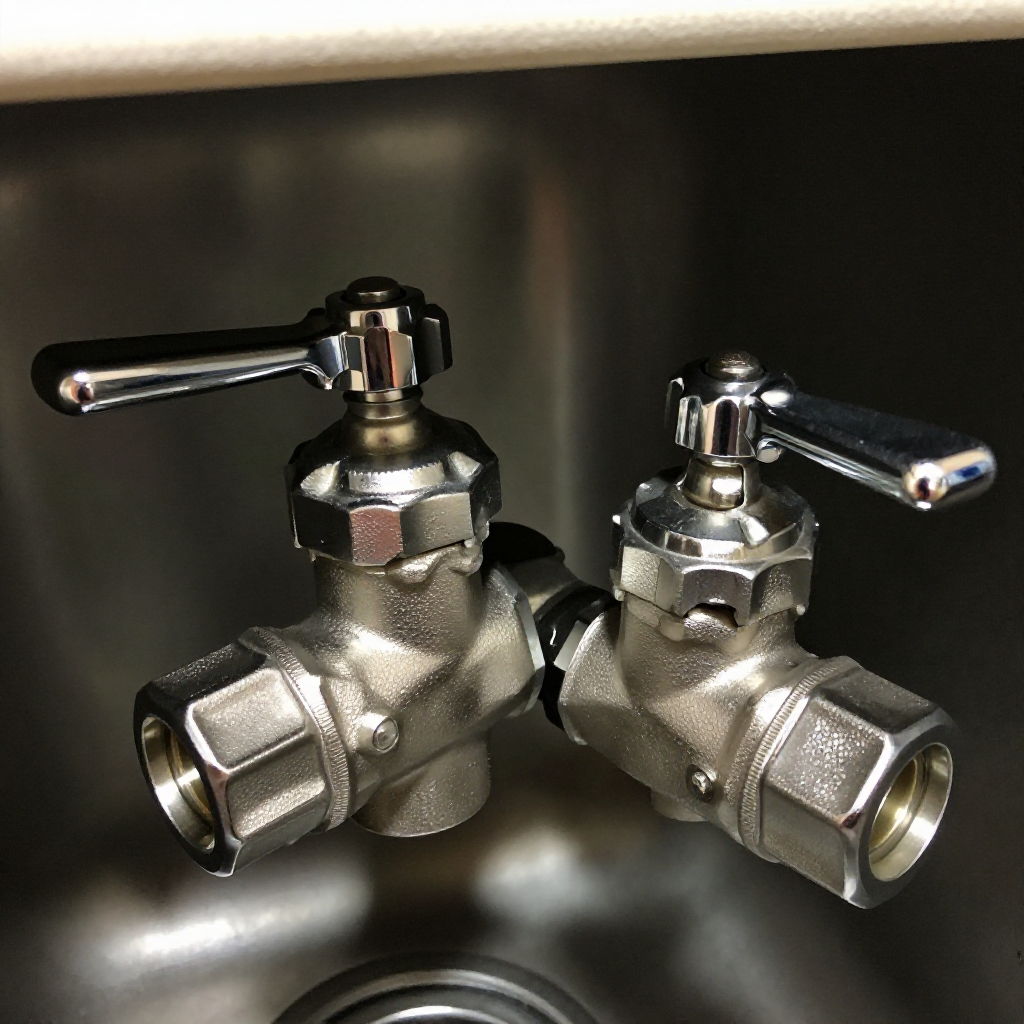
Check the supply valves under the sink
Check the supply valves under the sinkOpen the cabinet under the sink and find the two shutoff valves on the hot and cold supply lines. Make sure both are fully open — the handle should be parallel to the pipe. Sometimes a valve gets bumped during cabinet cleanup and ends up partially closed.
2
Inspect the supply lines for kinks
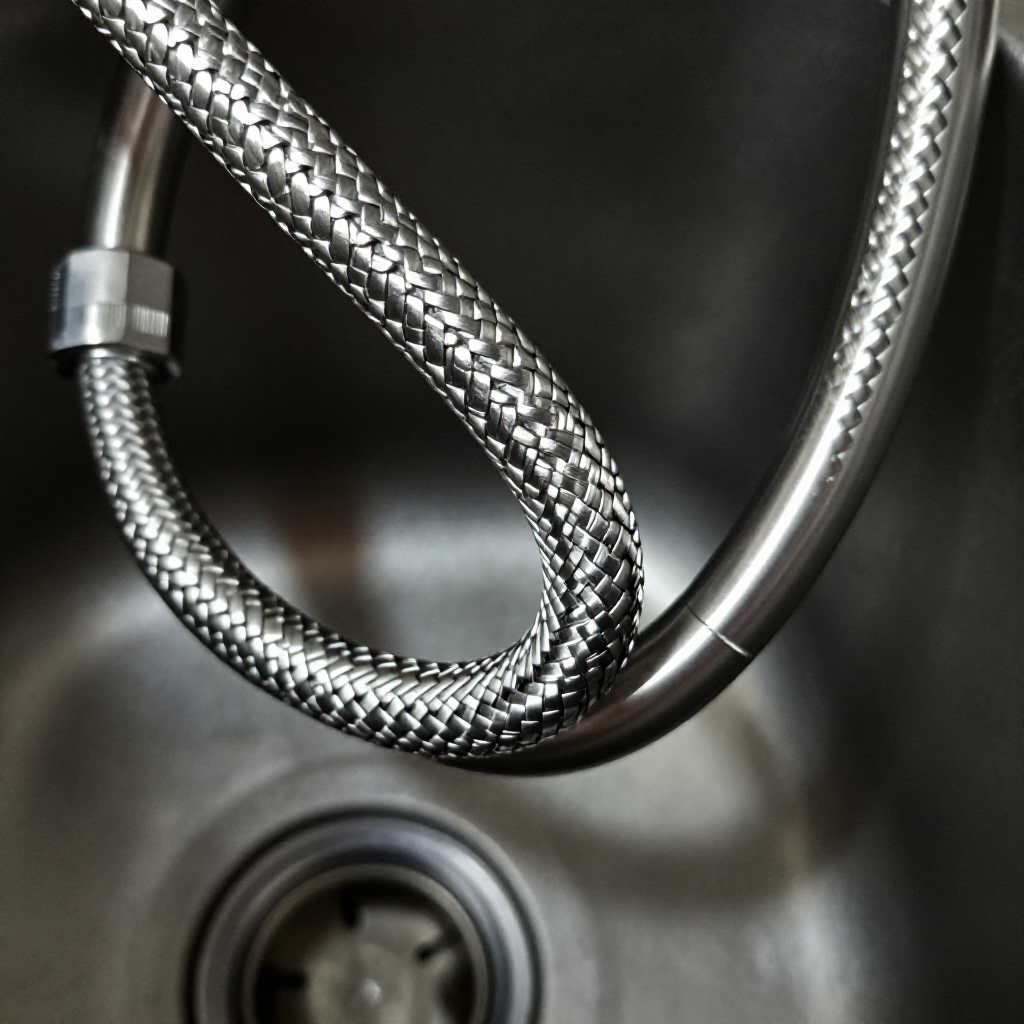
Inspect the supply lines for kinksTrace the flexible braided supply lines from the shutoff valves up to the faucet. A kinked or sharply bent line chokes off water flow. If you find a kink, gently straighten the line — don't force it or you'll crack the braiding. If the line is permanently creased, replace it.
3
Flush the supply lines into a bucket
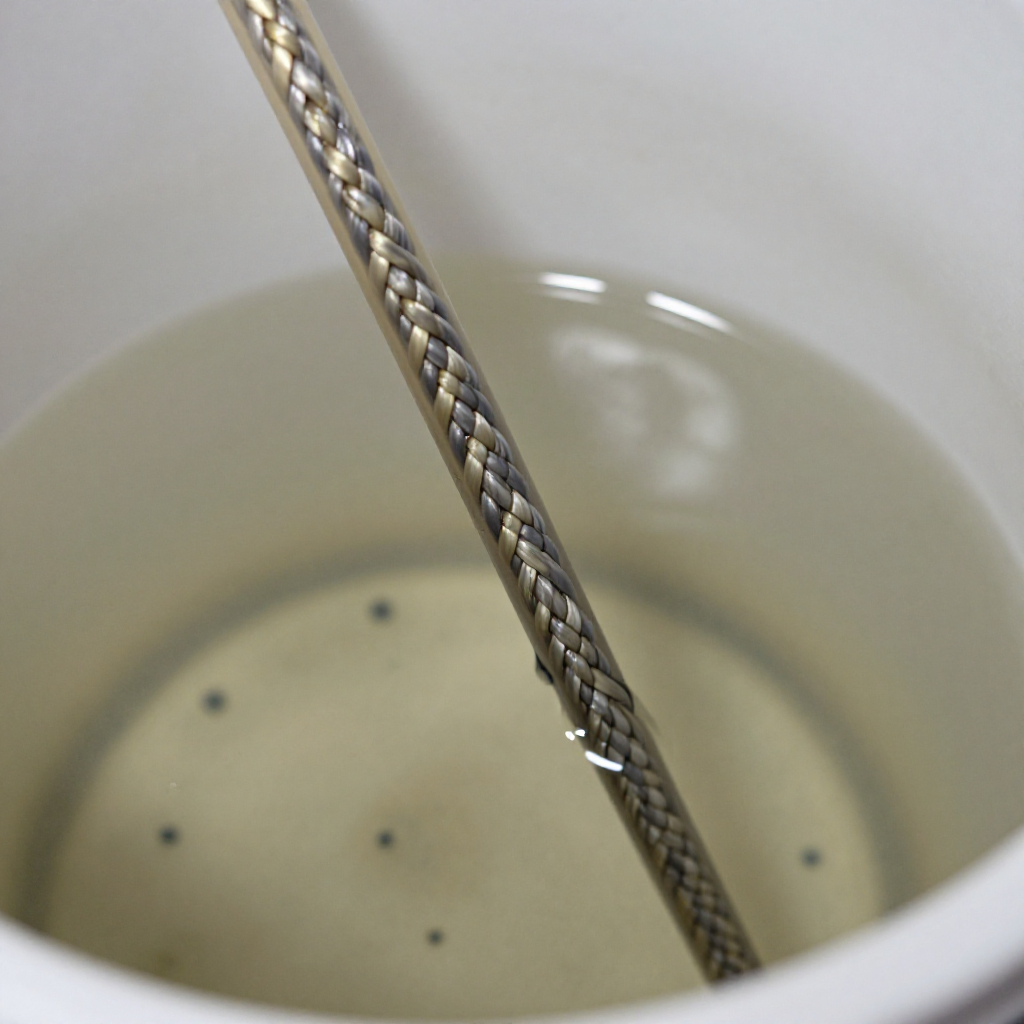
Flush the supply lines into a bucketIf the aerator was clean and the valves are open, sediment may be stuck in the faucet cartridge or the supply lines themselves. Turn off both shutoff valves, disconnect the supply lines from the faucet shanks, aim them into a bucket, and turn the valves back on briefly. This flushes debris out of the lines before it reaches the faucet.
4
Clean or replace the faucet cartridge
Clean or replace the faucet cartridgeIf pressure is still weak, the faucet cartridge itself is likely clogged. Shut off the water, remove the faucet handle (usually a set screw under a decorative cap), and pull the cartridge. Soak it in white vinegar for 30 minutes to dissolve mineral scale, or replace it with a new one matched to your faucet brand.

autorenew4. If That Doesn't Work

Try the next recovery options.

science
Soak the aerator in vinegar overnightIf the aerator screen is crusted with hard water minerals that won't brush off, drop the whole assembly in a cup of white vinegar overnight. The acid dissolves calcium deposits. Rinse and reinstall in the morning.
chevron_right
speed
Check the main water pressure regulatorIf ALL fixtures have low pressure, your whole-house pressure regulator may have failed. Check pressure at a hose bib with a pressure gauge — it should read 40-60 PSI. If it's lower, adjust or replace the regulator.
chevron_right
pipe
Replace old galvanized supply pipesIf your home has original galvanized steel pipes, internal rust can choke flow to the point where cleaning aerators doesn't help. The long-term fix is re-piping with PEX or copper.
chevron_right

Frequently Asked Questions

Why does only my kitchen faucet have low pressure but the bathroom is fine?expand_more
Single-fixture low pressure is almost always a clogged aerator or a partially closed supply valve under that specific sink. Because the kitchen faucet is used most often, its aerator collects sediment faster. Check that first — it's a 2-minute fix.
How often should I clean my faucet aerator?expand_more
Every 6 months is a good routine, especially if you have hard water or old pipes. If you notice pressure gradually dropping over weeks, the aerator is the first thing to check. In homes with galvanized pipes, quarterly cleaning isn't excessive.
Can I run the faucet without the aerator temporarily?expand_more
Yes, but expect splashing and higher water usage. The aerator restricts flow and shapes the stream. Running without it is fine for testing whether the aerator was the issue, but don't leave it off permanently.
Should I replace the whole faucet if the cartridge is clogged?expand_more
Almost never. Cartridges are replaceable wear items that cost $10-30. Soaking a clogged cartridge in vinegar often restores it. Only replace the entire faucet if the body is cracked, corroded through, or you're upgrading for cosmetic reasons.

warning5. Stop DIY If

Don't continue if any of these apply.

reportWater is leaking from the faucet body or handle base, not just dripping from the spout — the internal seals may be blown.
reportYou disconnect a supply line and the shutoff valve won't close completely — you can't stop the water to work safely.
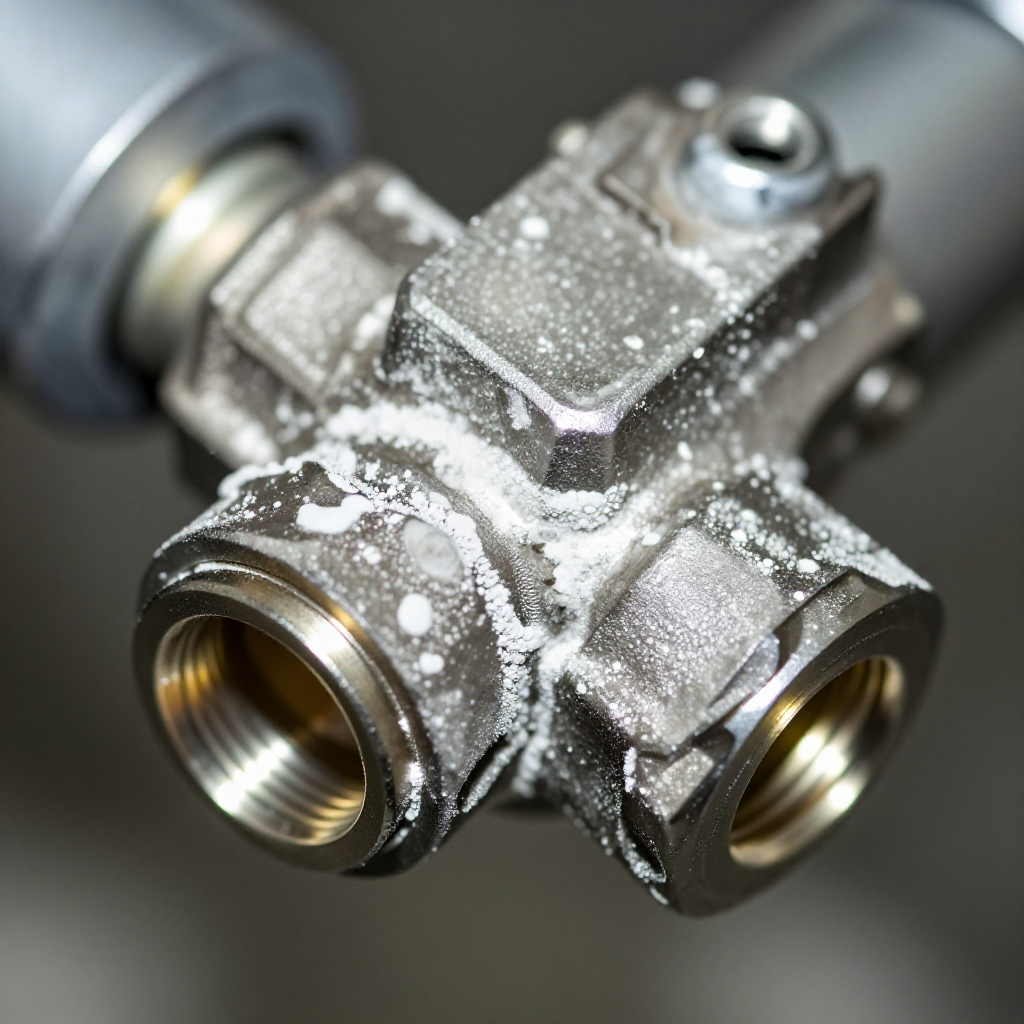
reportThe faucet is encrusted with corrosion at the base where it meets the sink, indicating a long-term leak that may have damaged the countertop.
reportYou find the aerator threads are seized so tight that you're at risk of cracking the faucet spout trying to remove it.
Still stuck?Get personalized help with AI Recovery.

Related Recovery Problems

View all arrow_forward

Same Device Recovery States

Device index arrow_forward

Similar Failure Pattern

This page provides general DIY guidance.
If you're unsure, it's always best to consult a professional.