Why Is My Dishwasher Leaving White Spots on Glasses?
White spots on glassware often mean hard water minerals or rinse aid issues. Learn how to diagnose and fix the problem fast.
quick_referenceQuick Answer
For Why Is My Dishwasher Leaving White Spots on Glasses?, start with "Check and Refill the Rinse Aid Dispenser": Open the dishwasher door and locate the rinse aid dispenser cap (usually next to the detergent cup). Twist it open and fill the reservoir with rinse aid until the indicator shows full. Close the cap securely. Stop DIY if the dishwasher leaks during the rinse cycle after cleaning. This is listed as a easy recovery and usually takes about 30 min.
verifiedGuide Snapshot
Last updated Jul 19, 2026. Review the stop conditions before continuing.
account_treeRecovery State
help1. Understand the Problem
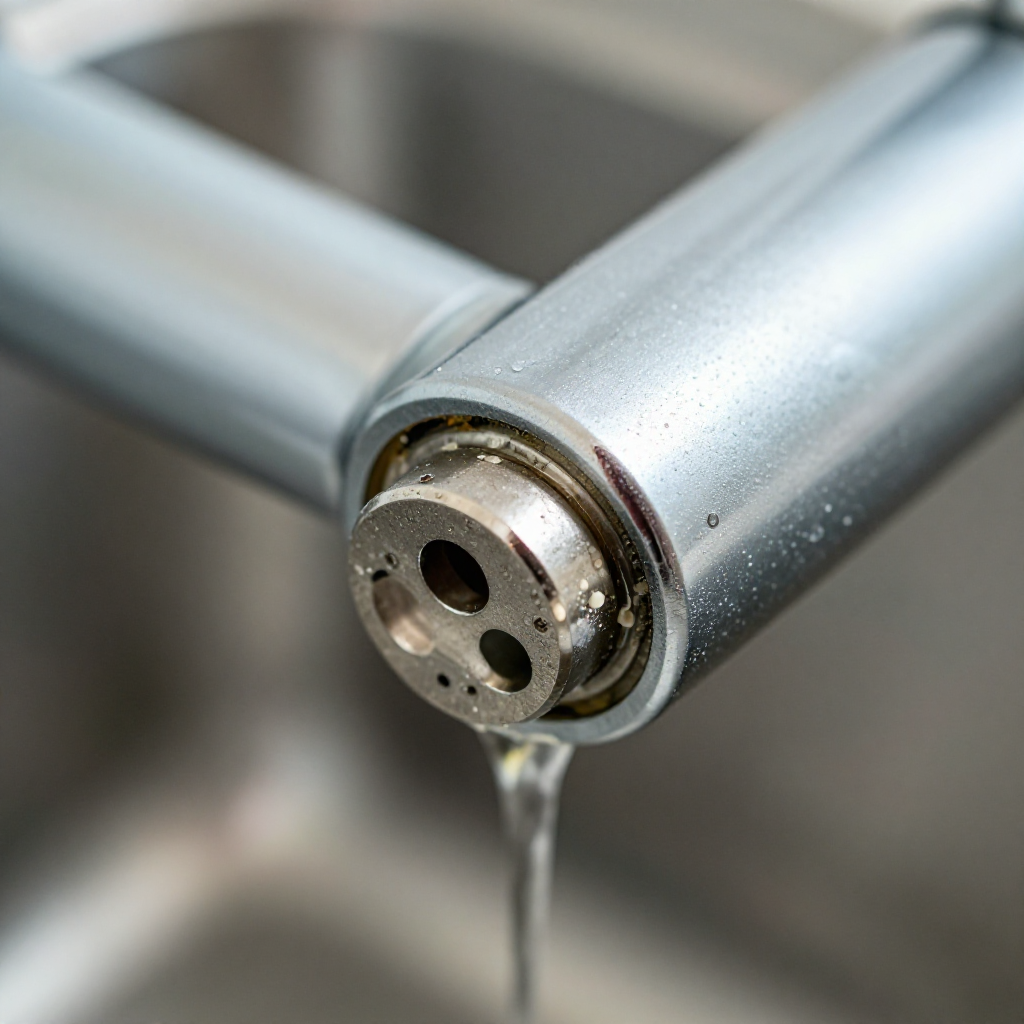
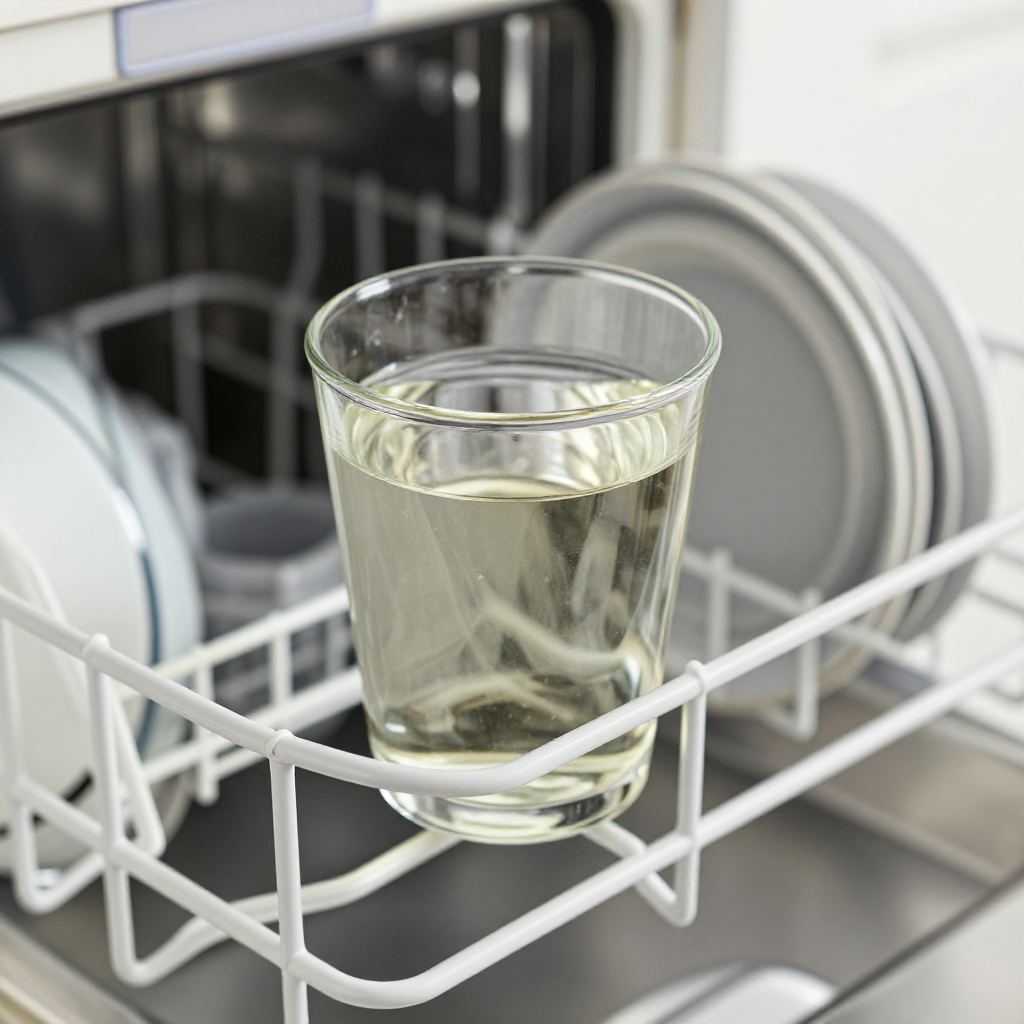
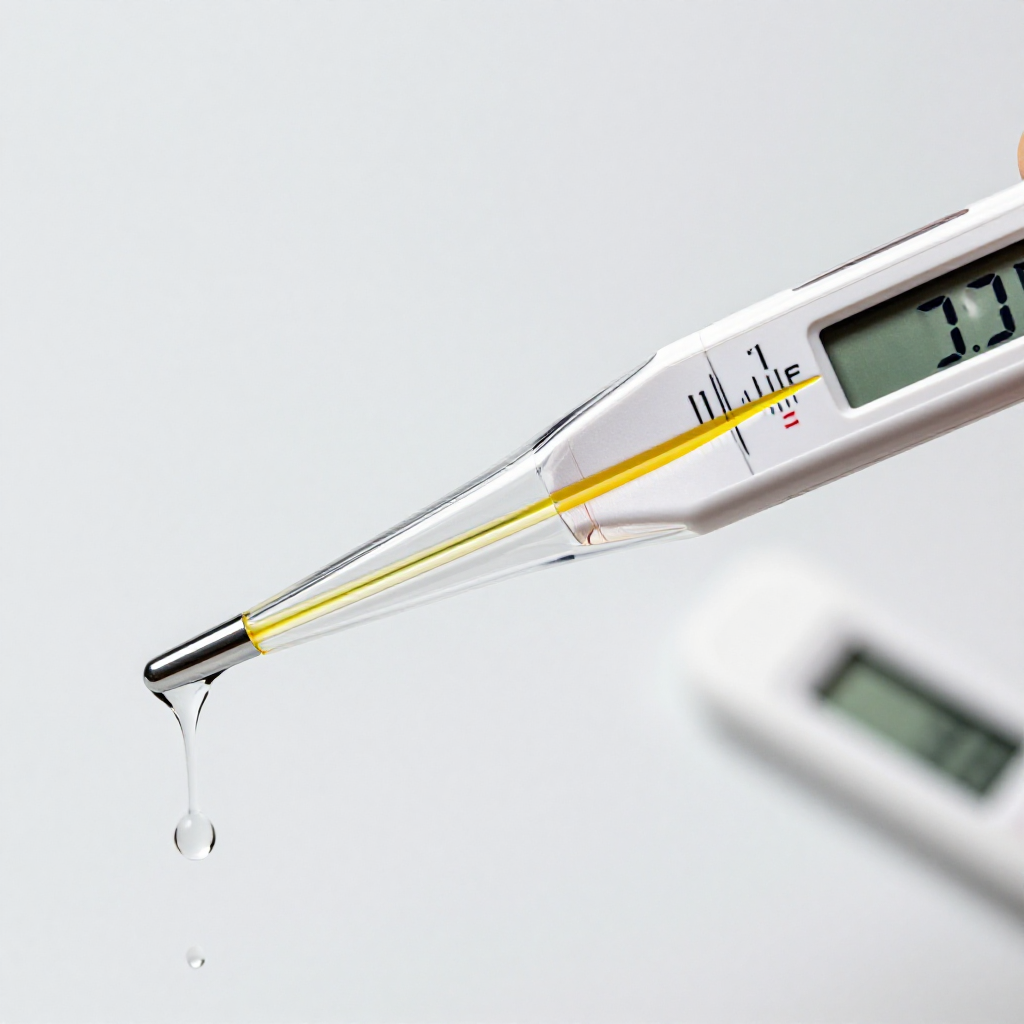
White spots on dishes are typically caused by hard water mineral deposits (calcium and magnesium) that remain after the wash cycle. This can happen when the rinse aid dispenser is empty, the water temperature is too low, or the dishwasher's water softener is not functioning. In some cases, a clogged spray arm or detergent residue can also contribute to the spotting.
build_circle2. Try This First
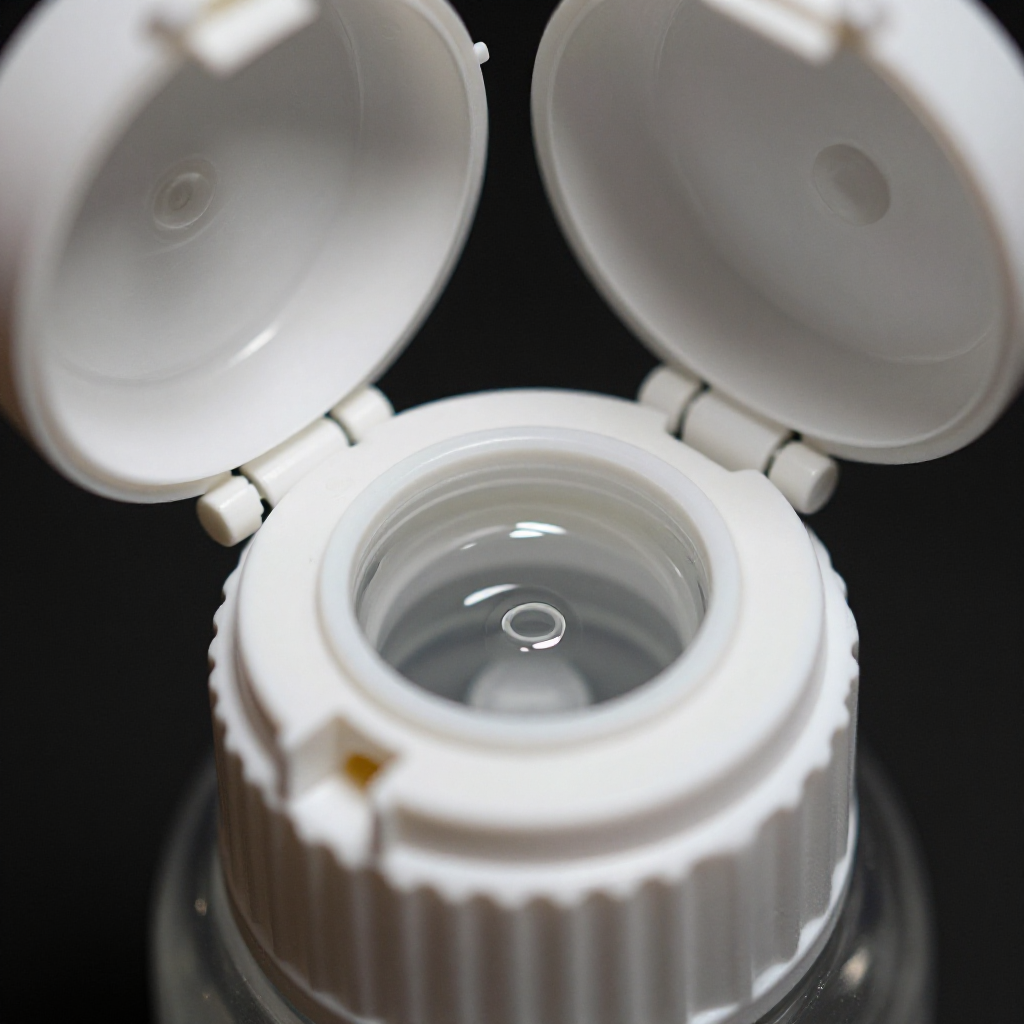
Check and Refill the Rinse Aid Dispenser
Open the dishwasher door and locate the rinse aid dispenser cap (usually next to the detergent cup). Twist it open and fill the reservoir with rinse aid until the indicator shows full. Close the cap securely.
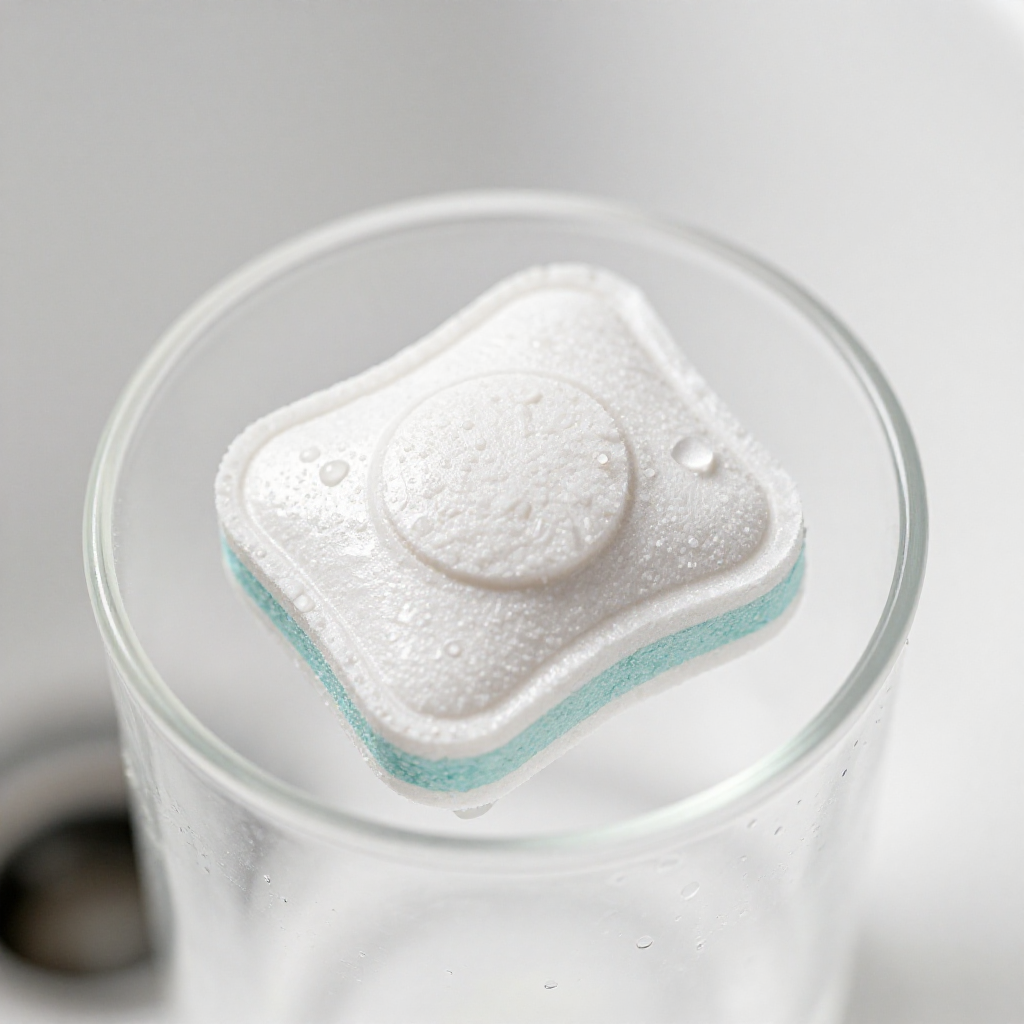
visibility3. Visual Guidance
See what's happening and how to try the first recovery step.
autorenew4. If That Doesn't Work
Try the next recovery options.
Frequently Asked Questions
Can I use vinegar instead of rinse aid?expand_more
Why do white spots only appear on glasses, not plates?expand_more
How often should I refill the rinse aid?expand_more
What if the spots are rainbow-colored instead of white?expand_more
warning5. Stop DIY If
Don't continue if any of these apply.
Same Device Recovery States
Device index arrow_forwardSimilar Failure Pattern
This page provides general DIY guidance.
If you're unsure, it's always best to consult a professional.