STUCKFIX
handymanDIY Friendly
build

Why is my dishwasher leaving white spots on glasses?

White spots on glasses are usually hard water mineral deposits. Clean the spray arms and use rinse aid to restore shine.

Category:Appliances
Difficulty:Easy
Time:20 min
Success:50%
Updated:Jun 30, 2026

quick_referenceQuick Answer

For Why is my dishwasher leaving white spots on glasses?, start with "Check and refill rinse aid": Open the rinse aid compartment in the dishwasher door. If empty, fill it to the max line with rinse aid. Stop DIY if the spray arms are cracked or broken and need replacement. This is listed as a easy recovery and usually takes about 20 min.

verifiedGuide Snapshot

Repair areaAppliances
Estimated time20 min
DifficultyEasy
Stop conditions3

Last updated Jun 30, 2026. Review the stop conditions before continuing.

account_treeRecovery State

Current statePoor Cleaning
Specific stateHard Water Deposits
Failed stepSpray Arm Clog
Likely failure typeBlocked Path
DIY boundaryDIY recovery first
paymentsCost decision

help1. Understand the Problem

White spots or film on glassware are caused by calcium and magnesium in hard water. When the dishwasher's spray arms are clogged or rinse aid is empty, minerals deposit on dishes instead of being washed away. Regular maintenance and a rinse aid can solve the problem.

build_circle2. Try This First
Best First Step
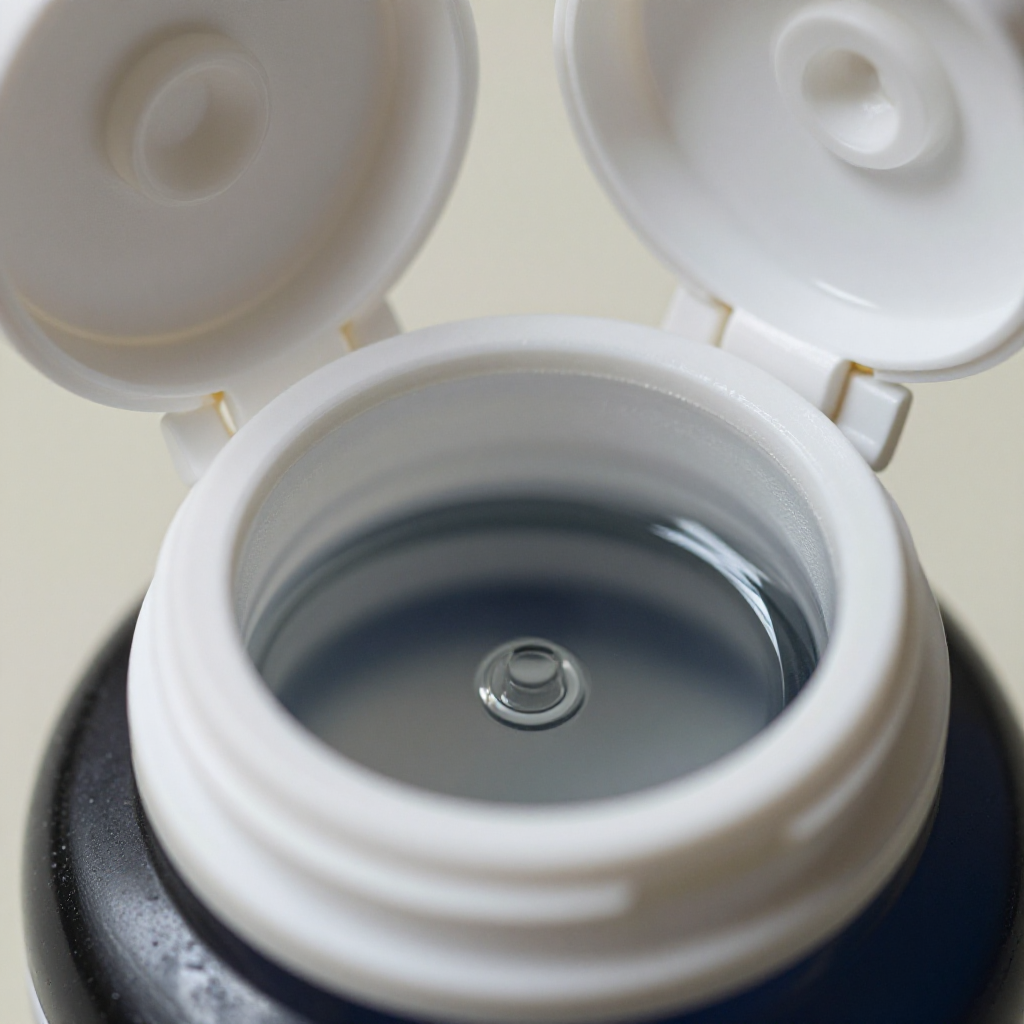
Check and refill rinse aid

Check and refill rinse aid

Open the rinse aid compartment in the dishwasher door. If empty, fill it to the max line with rinse aid.

visibility3. Visual Guidance

See what's happening and how to try the first recovery step.
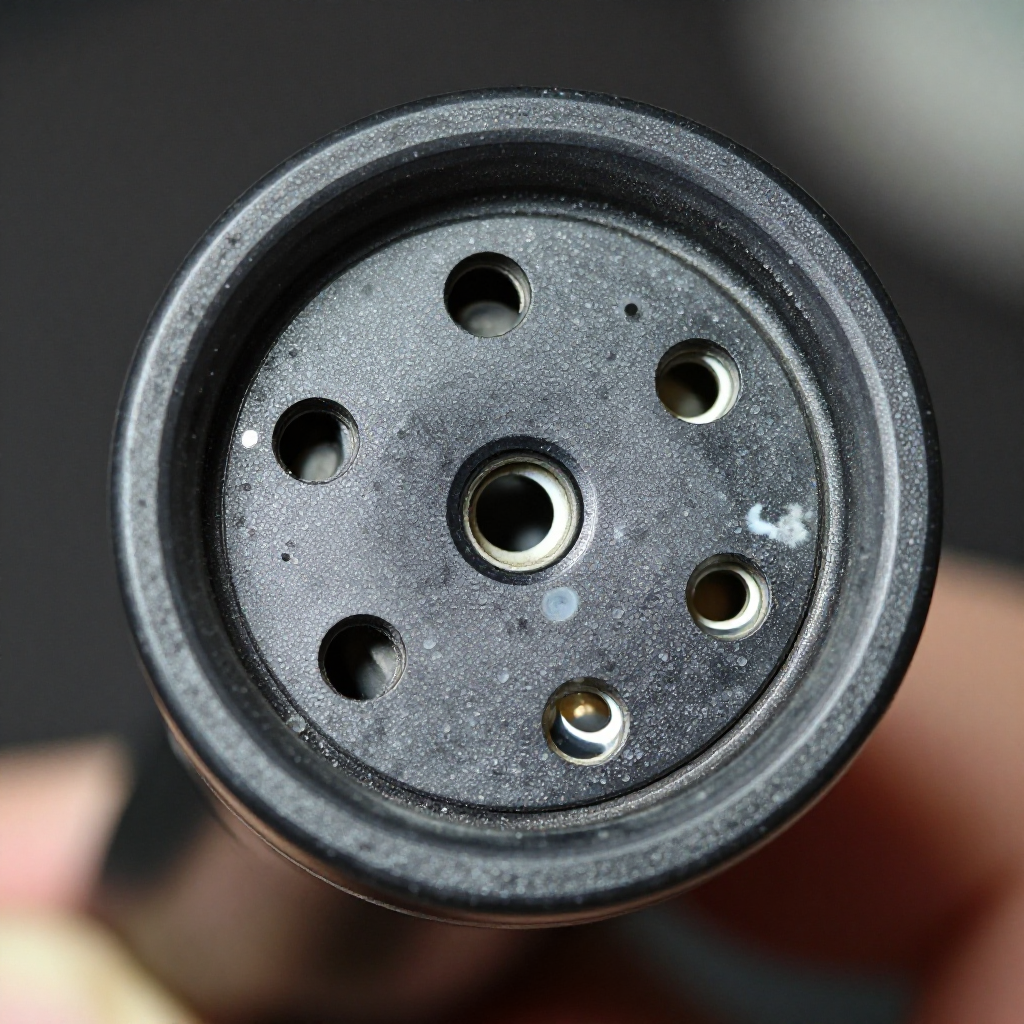
1
Step 1: Remove and inspect lower spray arm
Remove and inspect lower spray armTwist the lower spray arm counterclockwise to remove it. Hold it up to light—look for clogged holes or debris.
2
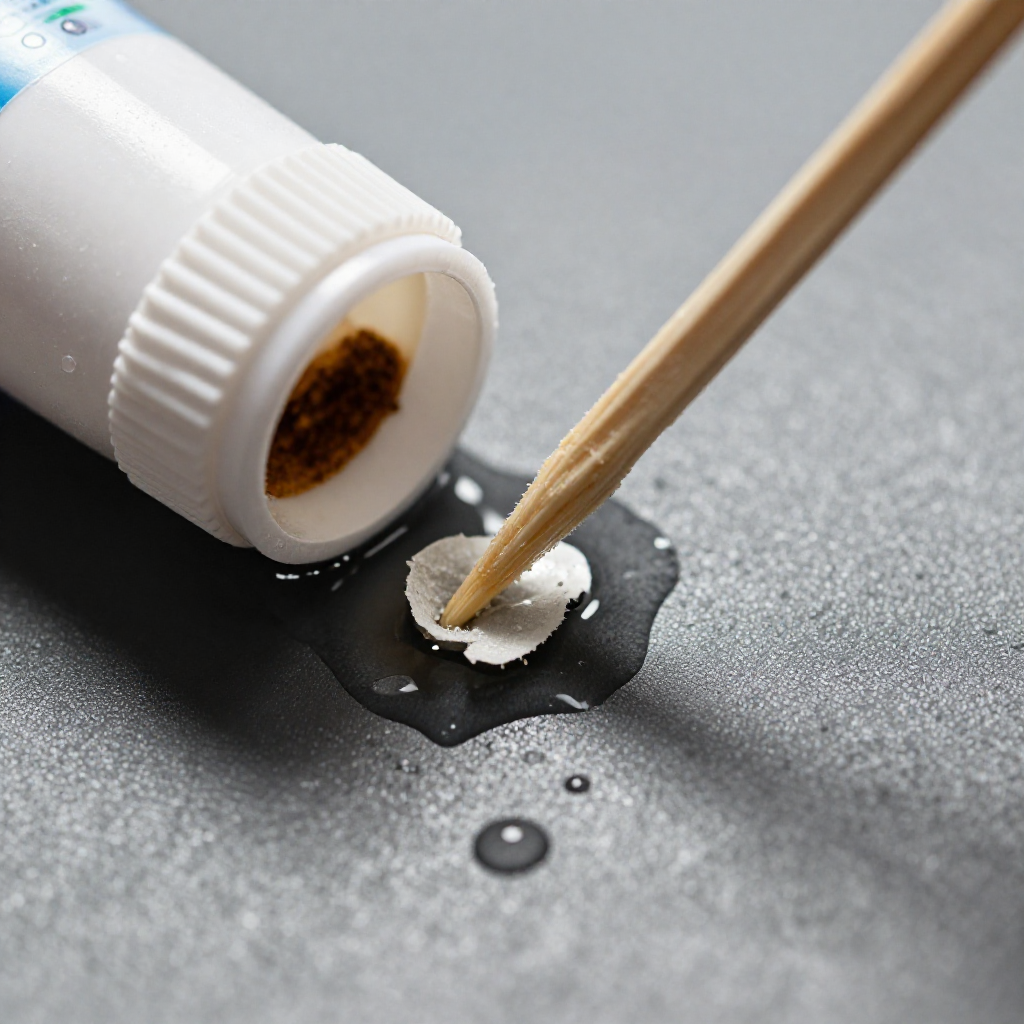
Step 2: Clean spray arm holes
Clean spray arm holesUse a toothpick or small wire to poke through each clogged hole. Rinse the arm under running water.
3
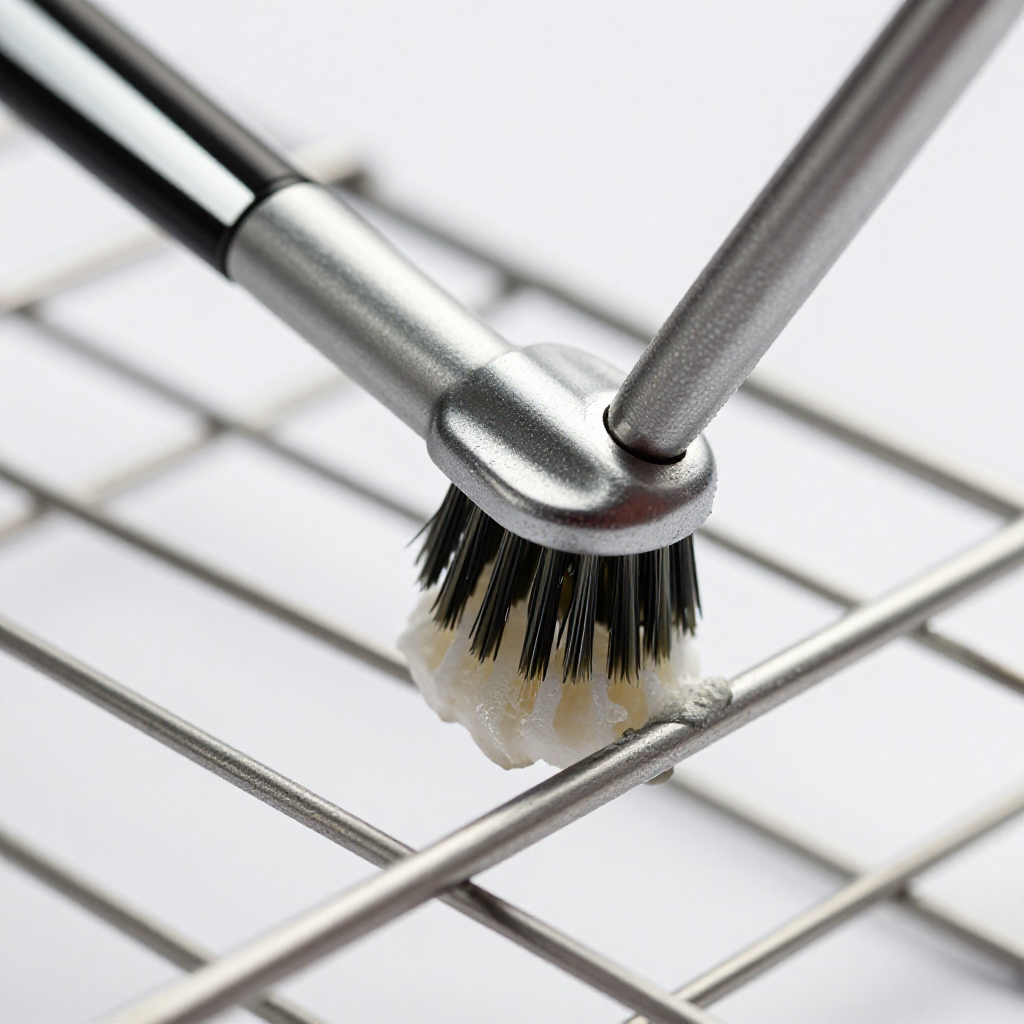
Step 3: Clean the upper spray arm
Clean the upper spray armPull the upper rack out and unscrew the upper spray arm. Clean its holes the same way and reinstall.
4
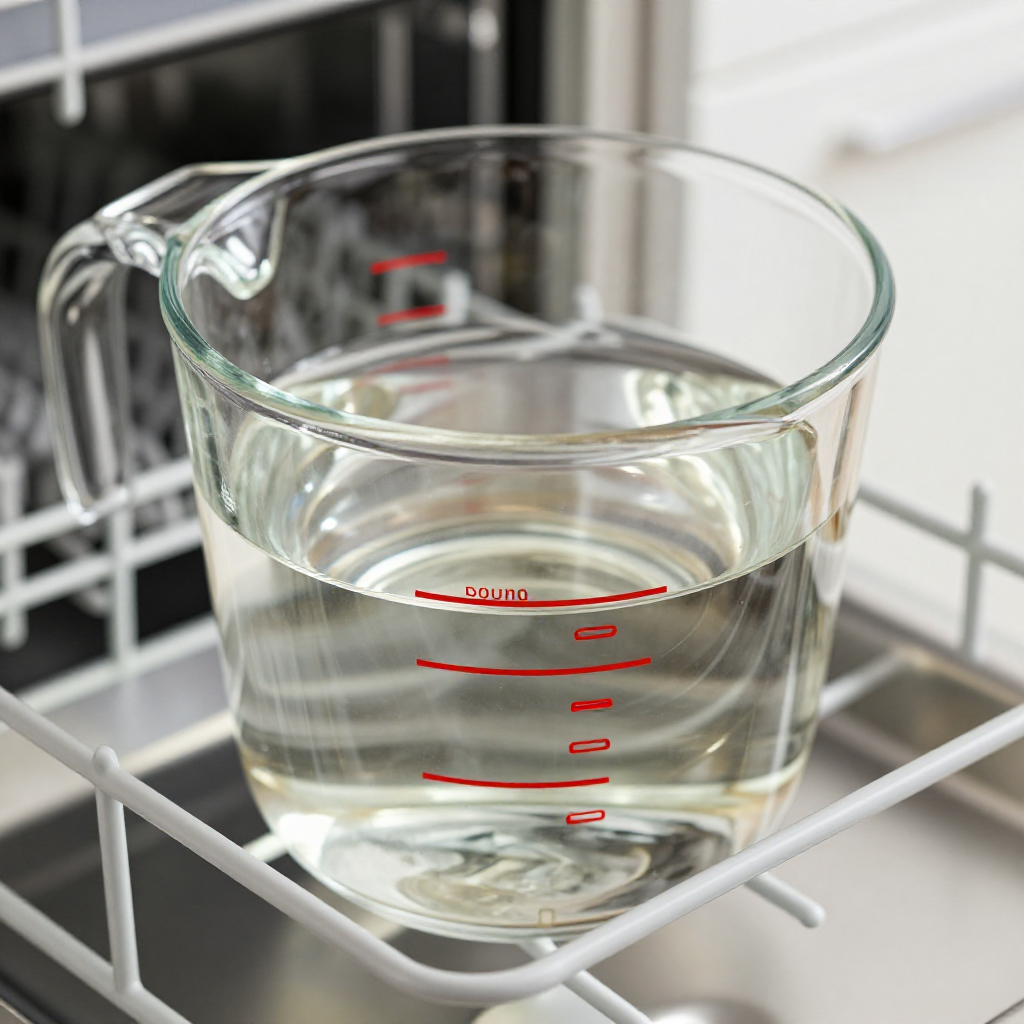
Step 4: Run a vinegar rinse cycle
Run a vinegar rinse cyclePlace a cup of white vinegar on the top rack and run a hot water cycle. This dissolves remaining mineral film.

autorenew4. If That Doesn't Work

Try the next recovery options.

Use a commercial dishwasher cleanerRun a cleaning cycle with a packet of dishwasher cleaner (e.g., Affresh) to remove hidden buildup.
chevron_right
Install a water softenerFor severe hard water, a whole-house water softener or inline dishwasher softener can prevent scale entirely.
chevron_right

Frequently Asked Questions

Can I use lemon juice instead of vinegar?expand_more
Yes, but vinegar is more effective at dissolving mineral deposits. Use 1 cup of white vinegar per cycle.
How often should I clean the spray arms?expand_more
Every 3-6 months, or sooner if you notice spots or poor cleaning. Hard water areas may need monthly cleaning.
Is rinse aid really necessary?expand_more
Yes. Rinse aid helps water sheet off dishes, preventing spots. It also aids drying. Skip it only if you have a water softener.
What if spots appear only on plastic items?expand_more
Plastic doesn't dry as well as glass. Use a heated dry cycle or open the door slightly after the cycle to release steam.

warning5. Stop DIY If

Don't continue if any of these apply.

reportThe spray arms are cracked or broken and need replacement
reportWater is pooling at the bottom of the dishwasher after a cycle
reportYou smell burning plastic when the dishwasher runs
Still stuck?Get personalized help with AI Recovery.

Related Recovery Problems

View all arrow_forward

Same Device Recovery States

Device index arrow_forward

Similar Failure Pattern

This page provides general DIY guidance.
If you're unsure, it's always best to consult a professional.