STUCKFIX
handymanDIY Friendly
local_laundry_service

Why is my washing machine not draining water at the end of cycle?

A washing machine that leaves water in the drum after the cycle ends is usually clogged with lint, coins, or a blocked pump. Here's how to clear it.

Category:Appliances
Difficulty:Moderate
Time:30 min
Success:70%
Updated:Jun 27, 2026

quick_referenceQuick Answer

For Why is my washing machine not draining water at the end of cycle?, start with "Drain remaining water and access the filter": Unplug the washer. Place towels under the front access panel. Remove the panel and locate the drain pump filter — usually a round cap at the bottom front. Stop DIY if you hear a loud grinding noise when the pump tries to drain. This is listed as a moderate recovery and usually takes about 30 min.

verifiedGuide Snapshot

Repair areaAppliances
Estimated time30 min
DifficultyModerate
Stop conditions3

Last updated Jun 27, 2026. Review the stop conditions before continuing.

account_treeRecovery State

Current stateDrainage Failure
Specific stateClogged Filter
Failed stepDrain Pump Clog
Likely failure typeBlocked Path
DIY boundaryDIY recovery first
paymentsCost decision

help1. Understand the Problem

When your washer fails to drain, water sits in the drum and clothes come out soaking wet. The most common causes are a clogged drain filter, a kinked drain hose, or a failed drain pump. Debris like coins, buttons, and lint often accumulate and block the flow.

build_circle2. Try This First
Best First Step
Drain remaining water and access the filter

Drain remaining water and access the filter

Unplug the washer. Place towels under the front access panel. Remove the panel and locate the drain pump filter — usually a round cap at the bottom front.

visibility3. Visual Guidance

See what's happening and how to try the first recovery step.
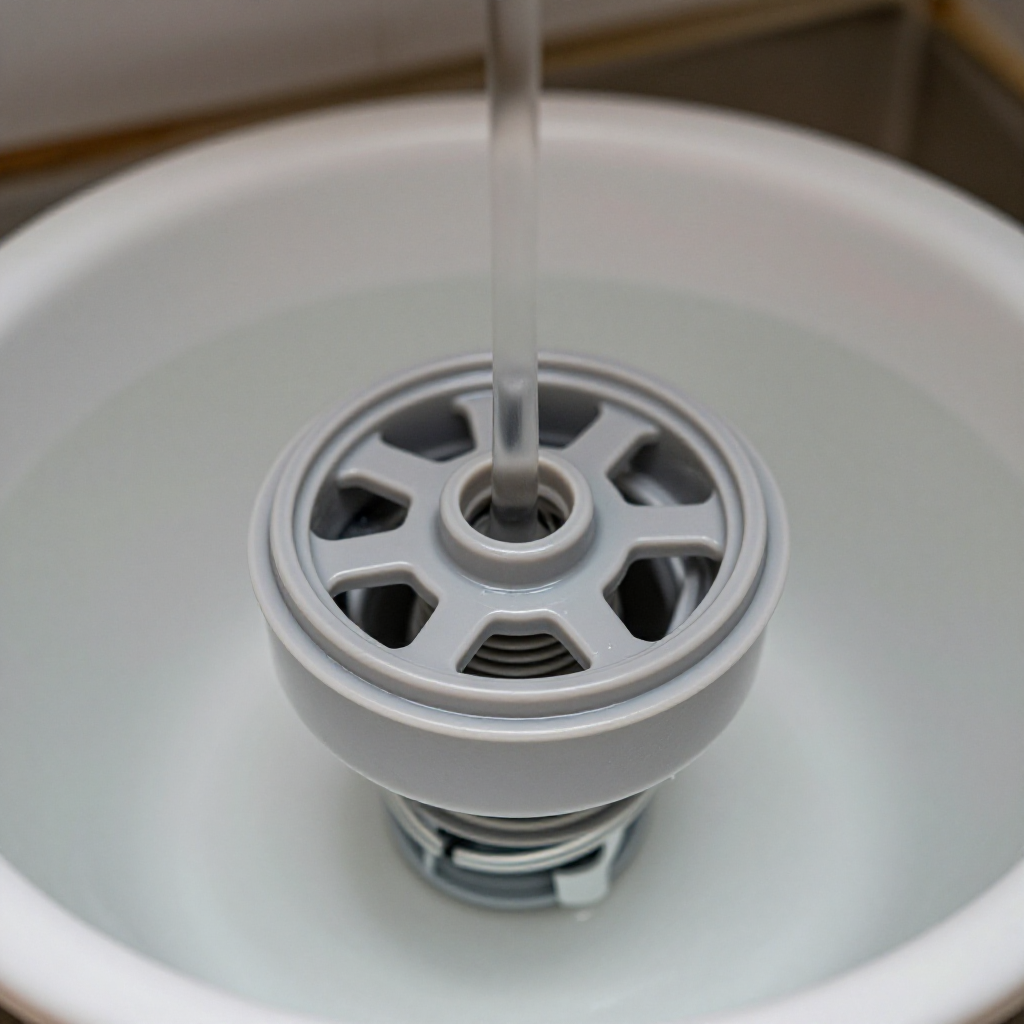
1
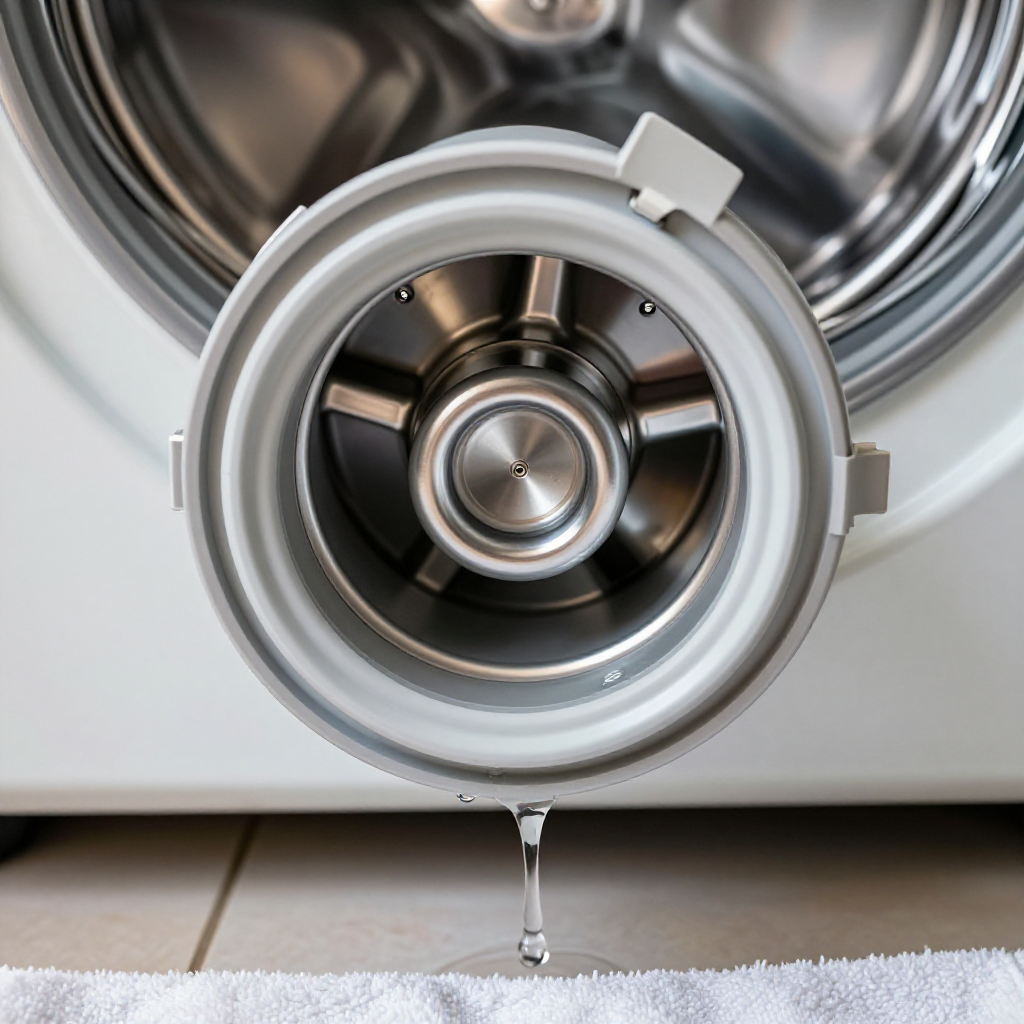
Open the filter and drain water
Open the filter and drain waterSlowly twist the filter cap counterclockwise. Have a shallow pan ready — water will spill out. Let all water drain into the pan.
2
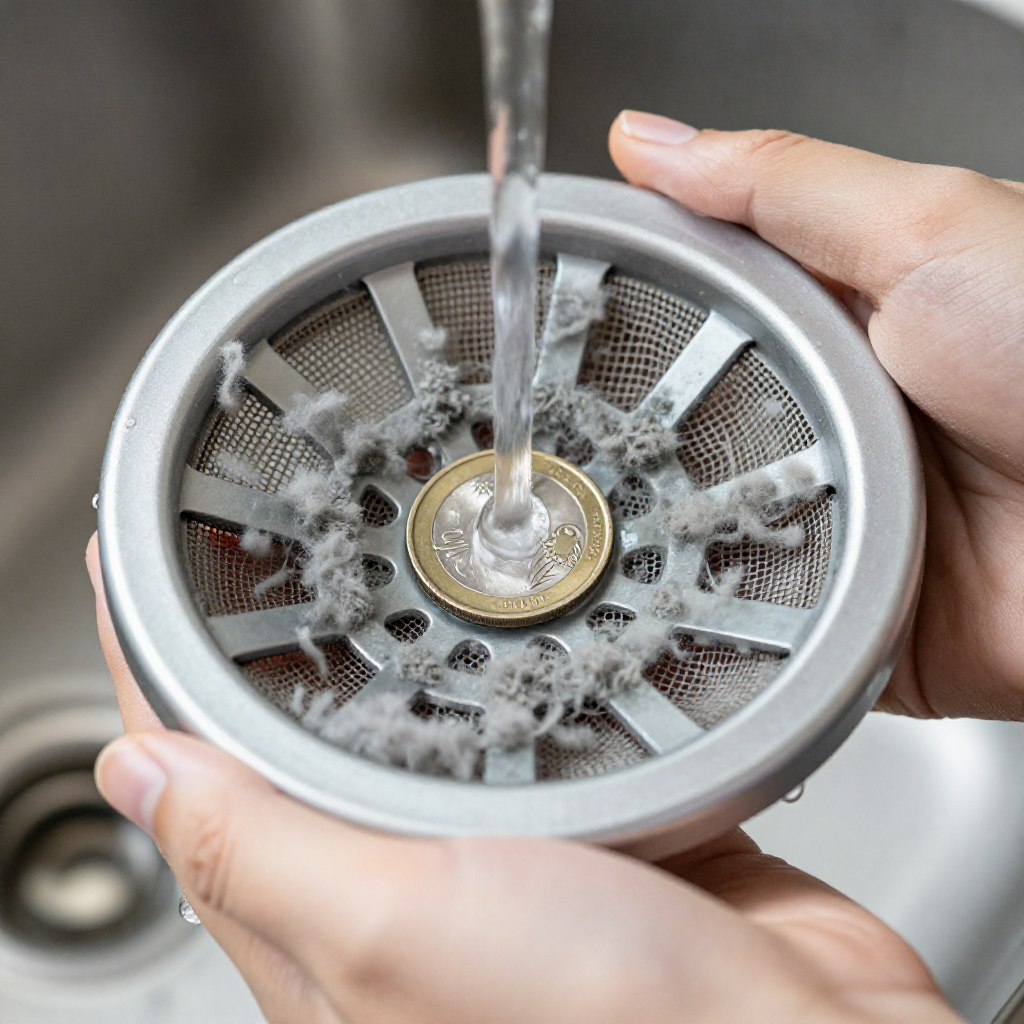
Remove debris from the filter
Remove debris from the filterPull out the filter screen. Remove lint, coins, hairpins, and any foreign objects. Rinse the screen under hot water.
3
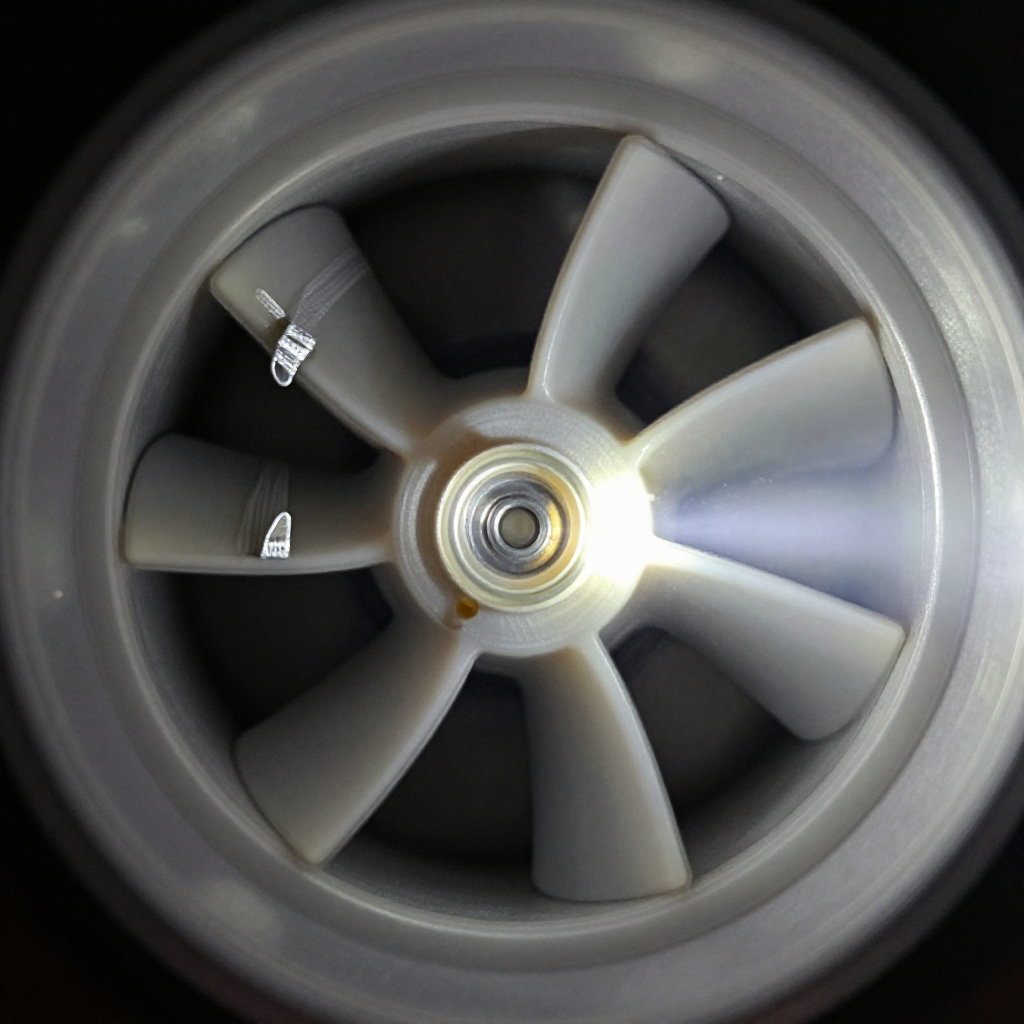
Check the pump impeller
Check the pump impellerShine a flashlight into the pump housing. Look for small objects stuck in the impeller blades. Remove with long-nose pliers.
4
Reinstall the filter and test
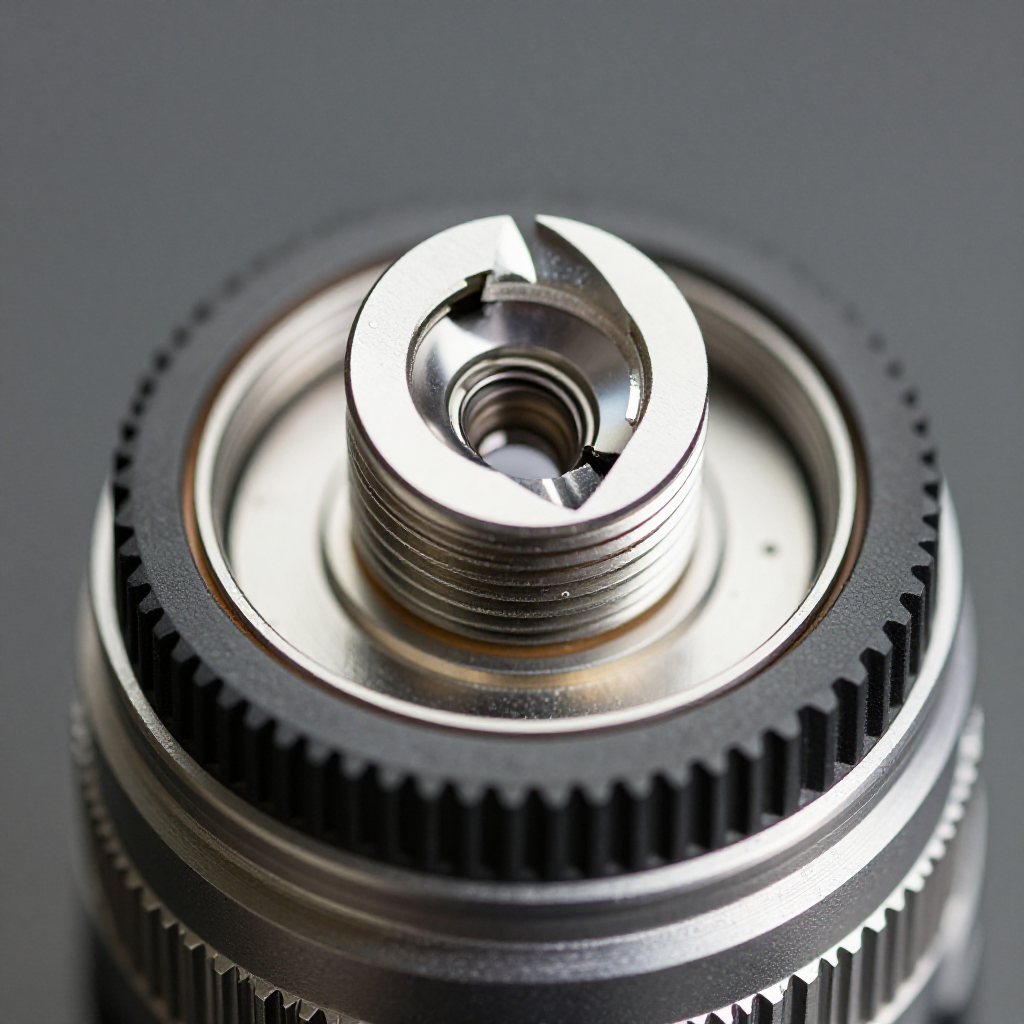
Reinstall the filter and testClean the filter cap gasket, screw it back in tightly, replace the access panel, and run a rinse/spin cycle to verify drainage.

autorenew4. If That Doesn't Work

Try the next recovery options.

Check and unkink the drain hosePull the washer away from the wall and inspect the drain hose for bends or twists. Straighten any kinks.
chevron_right
Replace the drain pumpIf the pump is humming but not moving water, the impeller may be broken. Replace the pump assembly.
chevron_right

Frequently Asked Questions

Why does my washing machine drain slowly?expand_more
Slow drainage usually means a partial clog in the filter, hose, or standpipe. Clean the filter first — if that doesn't help, check the hose for kinks.
Can I run the washer without the filter?expand_more
No — the filter catches debris that would otherwise damage the pump. Running without it can cause pump failure and void your warranty.
How often should I clean the drain filter?expand_more
Every 3-6 months, or more frequently if you wash heavily soiled items or notice drainage issues.
What if the washer still won't drain after cleaning the filter?expand_more
Check the drain hose for clogs, and verify the standpipe isn't blocked. If both are clear, the drain pump may need replacement.

warning5. Stop DIY If

Don't continue if any of these apply.

reportYou hear a loud grinding noise when the pump tries to drain
reportThe washer displays an error code related to the drain pump
reportWater leaks from the bottom of the machine after reassembling
Still stuck?Get personalized help with AI Recovery.

Same Device Recovery States

Device index arrow_forward

Similar Failure Pattern

This page provides general DIY guidance.
If you're unsure, it's always best to consult a professional.