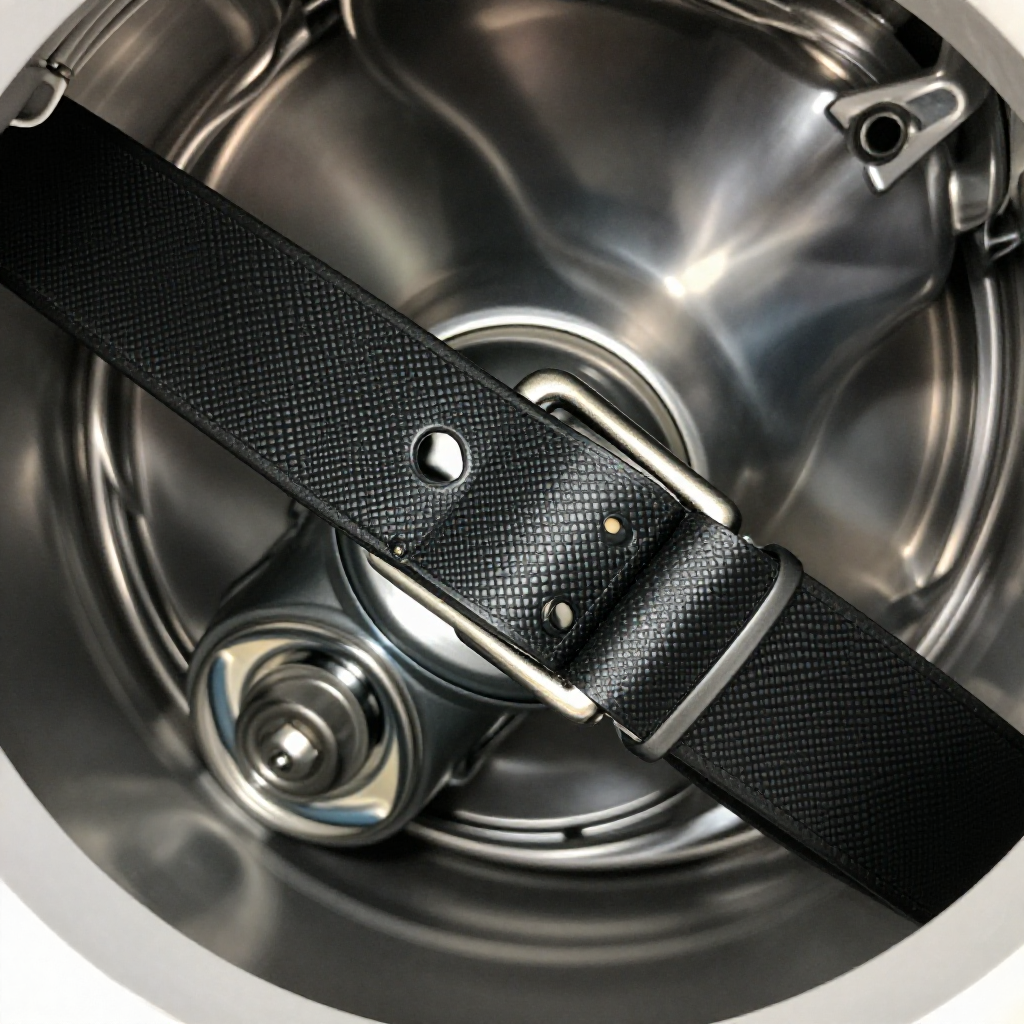
STUCKFIX
handymanDIY Friendly
local_laundry_service

Washing Machine Fills but Drum Won't Spin? Lid Switch or Belt

Washer fills with water but the agitator and drum won't budge? The lid switch or drive belt is broken — two cheap fixes that don't need a service call.

Category:Appliances
Difficulty:Moderate
Time:30 min
Success:50%
Updated:May 22, 2026

quick_referenceQuick Answer

For Washing Machine Fills but Drum Won't Spin? Lid Switch or Belt, start with "Bypass the lid switch to test if it's the culprit": Stop pressing the lid harder — you're bending the hinge. Unplug the washer. Pop the two spring clips holding the front panel (for most top-loaders, slide a putty knife under the front corners). The lid switch is a small plastic box with two or three wires on the cabinet rim. Jump the two outer wires with an insulated jumper wire or paperclip (temporarily, for testing only). Plug the washer back in, put it on spin, and close the lid. If it spins, the switch is bad — $15 part, 10-minute fix. If it still doesn't spin, the belt is the next suspect. Stop DIY if the washer leaks oil or grease from the transmission area — the transmission seal has failed and a rebuild costs more than a used washer. This is listed as a moderate recovery and usually takes about 30 min.

verifiedGuide Snapshot

Repair areaAppliances
Estimated time30 min
DifficultyModerate
Stop conditions4

Last updated May 22, 2026. Review the stop conditions before continuing.

account_treeRecovery State

Current stateNot Spinning
Specific stateLid Switch Or Belt
Failed stepDrum Rotation
Likely failure typeMechanical Jam
DIY boundaryDIY recovery first
paymentsCost decision

help1. Understand the Problem

Top-load washers use a lid switch as a safety lockout — the motor won't run if the switch thinks the lid is open. On belt-drive machines, a worn or broken belt slips on the pulley and the drum stops spinning even though the motor is running. Either problem costs under $20 in parts.

build_circle2. Try This First
Best First Step
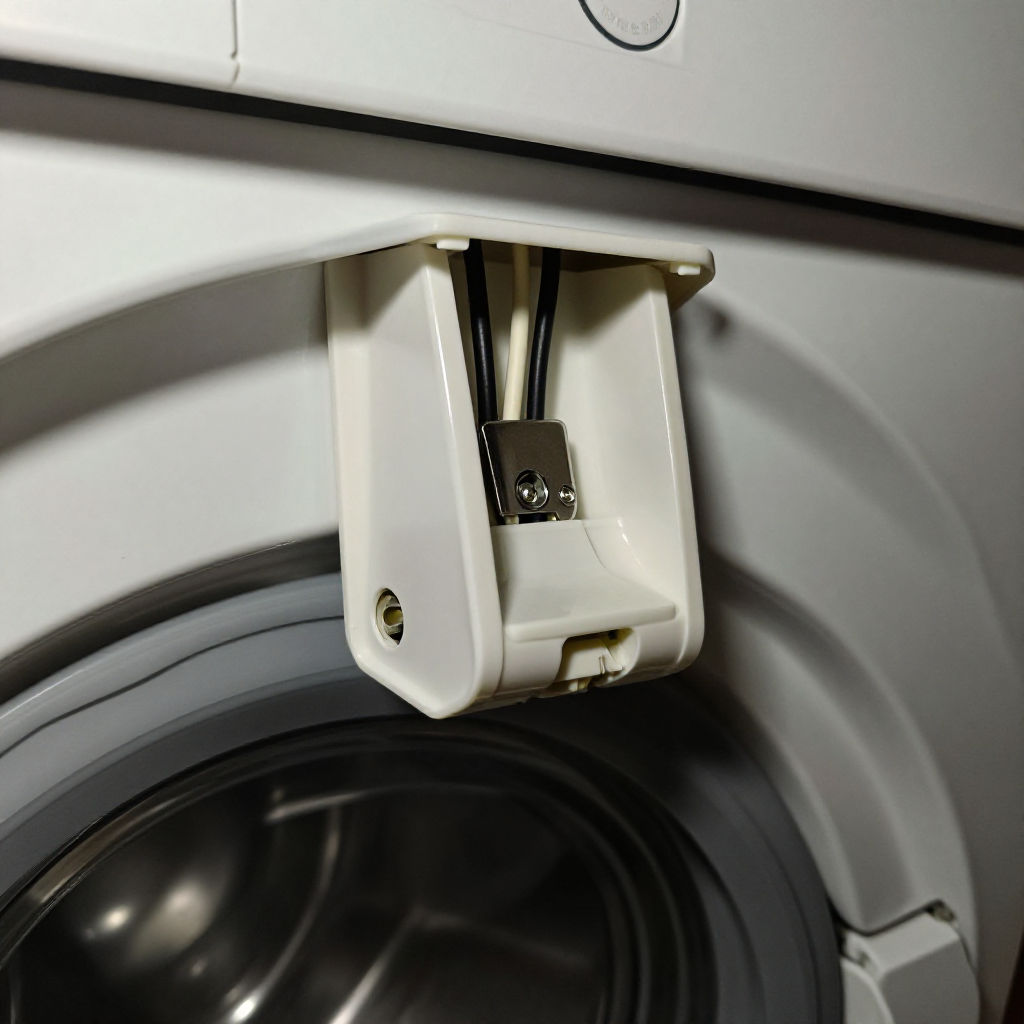
Bypass the lid switch to test if it's the culprit

Bypass the lid switch to test if it's the culprit

Stop pressing the lid harder — you're bending the hinge. Unplug the washer. Pop the two spring clips holding the front panel (for most top-loaders, slide a putty knife under the front corners). The lid switch is a small plastic box with two or three wires on the cabinet rim. Jump the two outer wires with an insulated jumper wire or paperclip (temporarily, for testing only). Plug the washer back in, put it on spin, and close the lid. If it spins, the switch is bad — $15 part, 10-minute fix. If it still doesn't spin, the belt is the next suspect.

visibility3. Visual Guidance

See what's happening and how to try the first recovery step.
1
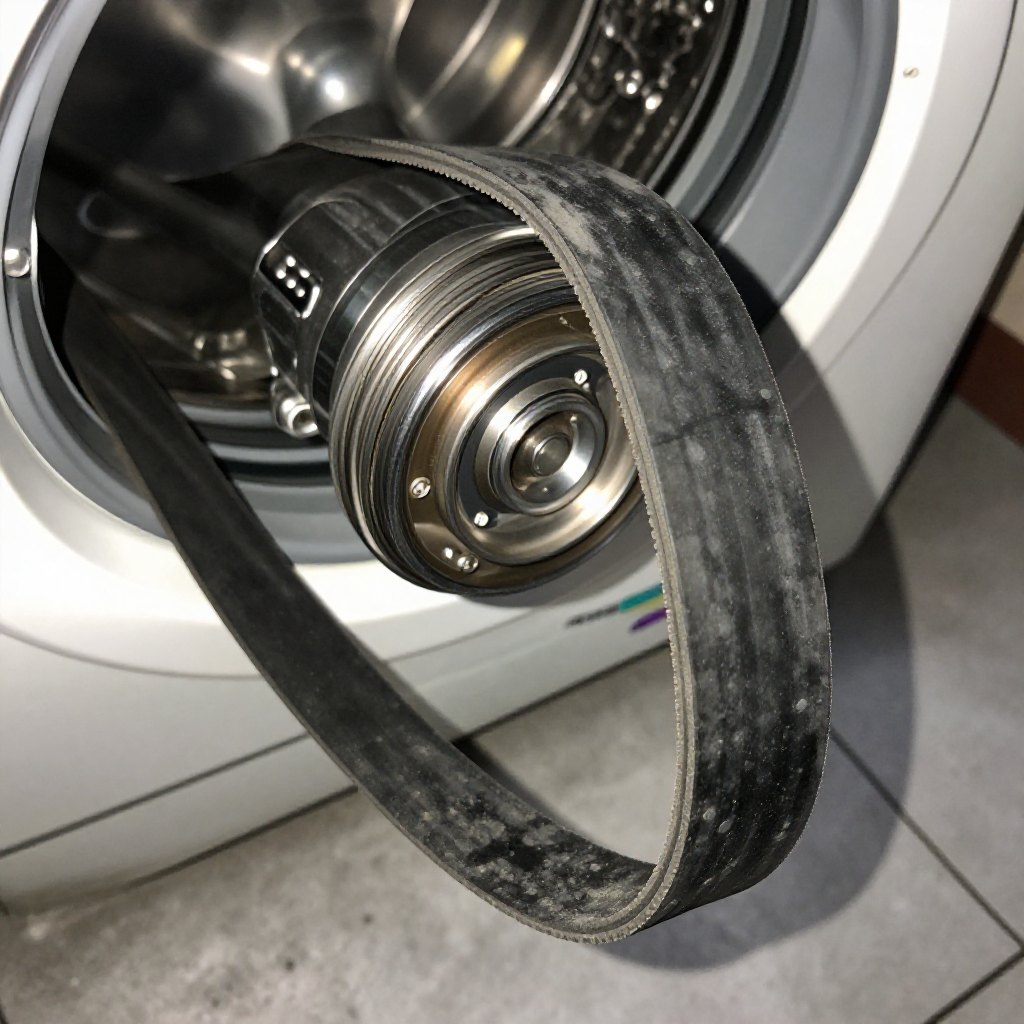
Tip the washer back and check the drive belt
Tip the washer back and check the drive beltUnplug the washer and disconnect the water hoses. Tip the machine back against a wall (get help — a washer weighs 150+ lbs). The drive belt loops between the motor pulley and the main drive pulley on the transmission. If the belt is broken, frayed, or completely loose, that's your problem. A new belt is $10-20.
2
Replace the belt — match the routing diagram on the machine
Replace the belt — match the routing diagram on the machineCheck the belt routing diagram (usually a sticker on the inside of the front panel or back of the cabinet). Loop the new belt around the motor pulley first, then stretch it over the large transmission pulley. Belt-drive washers use belt tension to engage spin — the belt needs to be tight. If you can deflect it more than half an inch with your thumb, it's too loose. Adjust the motor mount to tension it.
3
Test the motor coupler on direct-drive Whirlpool/Kenmore models
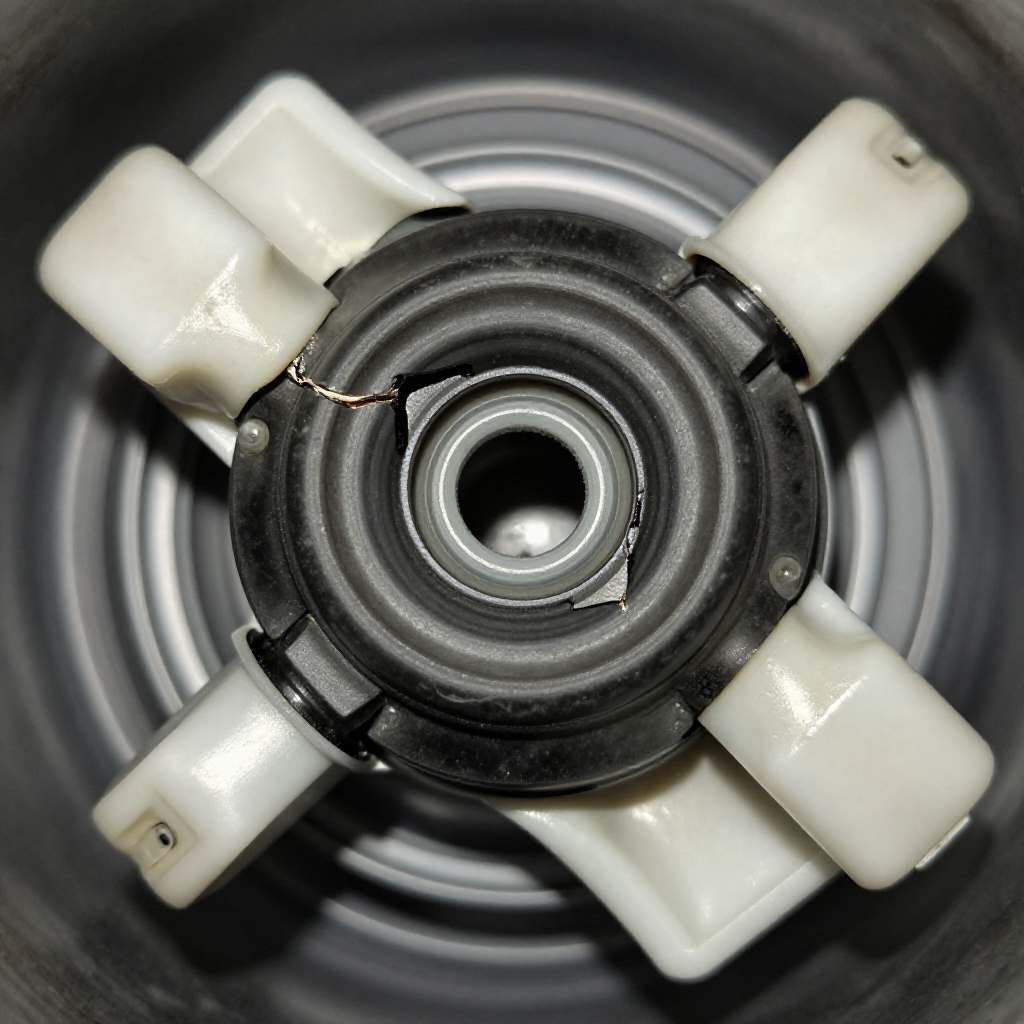
Test the motor coupler on direct-drive Whirlpool/Kenmore modelsIf your washer doesn't have a belt (most Whirlpool-made machines are direct-drive), the motor coupler is a plastic-and-rubber sacrificial part between the motor and transmission. If the washer fills and drains but won't agitate or spin, the coupler has broken. Tip the machine, remove the pump, then the motor. The coupler is three pieces — if the rubber middle piece is cracked or the plastic ends are stripped, replace the whole $8 kit.

autorenew4. If That Doesn't Work

Try the next recovery options.

power
Replace the lid switch if bypassing it fixed the spinOrder the exact lid switch for your model (they're not universal). Remove 2 screws, disconnect the wiring harness, plug the new switch in, screw it down. The plunger must line up with the lid striker — if it's off by even 1/8 inch, the switch won't engage.
chevron_right
settings
Check the drive block on a direct-drive Whirlpool if it spins weaklyIf the washer spins but the drum slips and makes a grinding noise, the drive block (a plastic piece at the top of the transmission shaft) has worn smooth. The spin basket has splines that engage with the drive block — when the block wears, the basket just freewheels.
chevron_right

Frequently Asked Questions

Why does my washer fill and drain but skip the spin cycle?expand_more
This is the classic lid switch failure. The washer goes through wash and drain, then instead of spinning, it just stops. The timer advances through the cycle but the motor never receives the signal to engage spin because the lid switch is telling the control board the lid is open.
Can I jump the lid switch permanently?expand_more
No — the lid switch is a safety device. Jumping it permanently means the washer will spin with the lid open, which can catch clothing, hands, or a child. Replace the switch ($10-15) instead. It's a 10-minute job.
Do front-load washers have the same problem?expand_more
Front-load washers don't have lid switches — they have door lock assemblies that are more complex (and more expensive, $50-100). If a front-loader won't spin, first check the drain pump filter for obstructions. A clogged filter prevents the machine from draining, and it won't spin until the water is gone.
How do I know if it's the motor or the belt?expand_more
During the spin cycle, listen carefully. If you hear the motor humming or running but the drum isn't moving, it's the belt. If the motor is completely silent (no hum, no click), the lid switch is open or the motor has lost power entirely.

warning5. Stop DIY If

Don't continue if any of these apply.

reportThe washer leaks oil or grease from the transmission area — the transmission seal has failed and a rebuild costs more than a used washer.
reportThe drum is rusted through or has a sharp edge — you'll cut yourself and the machine is beyond repair.
reportYou smell electrical burning from the motor area — the motor windings have shorted. Stop immediately.
reportWater has been sitting in the tub for more than 24 hours — mold and bacteria growth is a health hazard. Drain it immediately using the drain hose bypass method.
Still stuck?Get personalized help with AI Recovery.

Related Recovery Problems

View all arrow_forward

Same Device Recovery States

Device index arrow_forward

Similar Failure Pattern

This page provides general DIY guidance.
If you're unsure, it's always best to consult a professional.