STUCKFIX
handymanDIY Friendly
build

Why is my dishwasher leaving white spots on glasses?

White spots on glassware are usually hard water mineral deposits. Here is how to clean the dishwasher and adjust rinse aid settings to get sparkling dishes.

Category:Appliances
Difficulty:Easy
Time:30 min
Success:50%
Updated:Jul 14, 2026

quick_referenceQuick Answer

For Why is my dishwasher leaving white spots on glasses?, start with "Check and refill the rinse aid dispenser": Open the dishwasher door, locate the rinse aid cap near the detergent compartment, and fill it to the max line with rinse aid. Stop DIY if the dishwasher leaks during the cleaning cycle. This is listed as a easy recovery and usually takes about 30 min.

verifiedGuide Snapshot

Repair areaAppliances
Estimated time30 min
DifficultyEasy
Stop conditions3

Last updated Jul 14, 2026. Review the stop conditions before continuing.

account_treeRecovery State

Current stateSpotting
Specific stateHard Water Deposits
Failed stepMineral Buildup
Likely failure typeMineral Buildup
DIY boundaryDIY recovery first
paymentsCost decision

help1. Understand the Problem

Hard water contains calcium and magnesium that precipitate onto glass during the drying cycle. Insufficient rinse aid or a clogged spray arm can worsen the problem. Regular maintenance of the dishwasher's interior and water softener (if equipped) resolves the issue.

build_circle2. Try This First
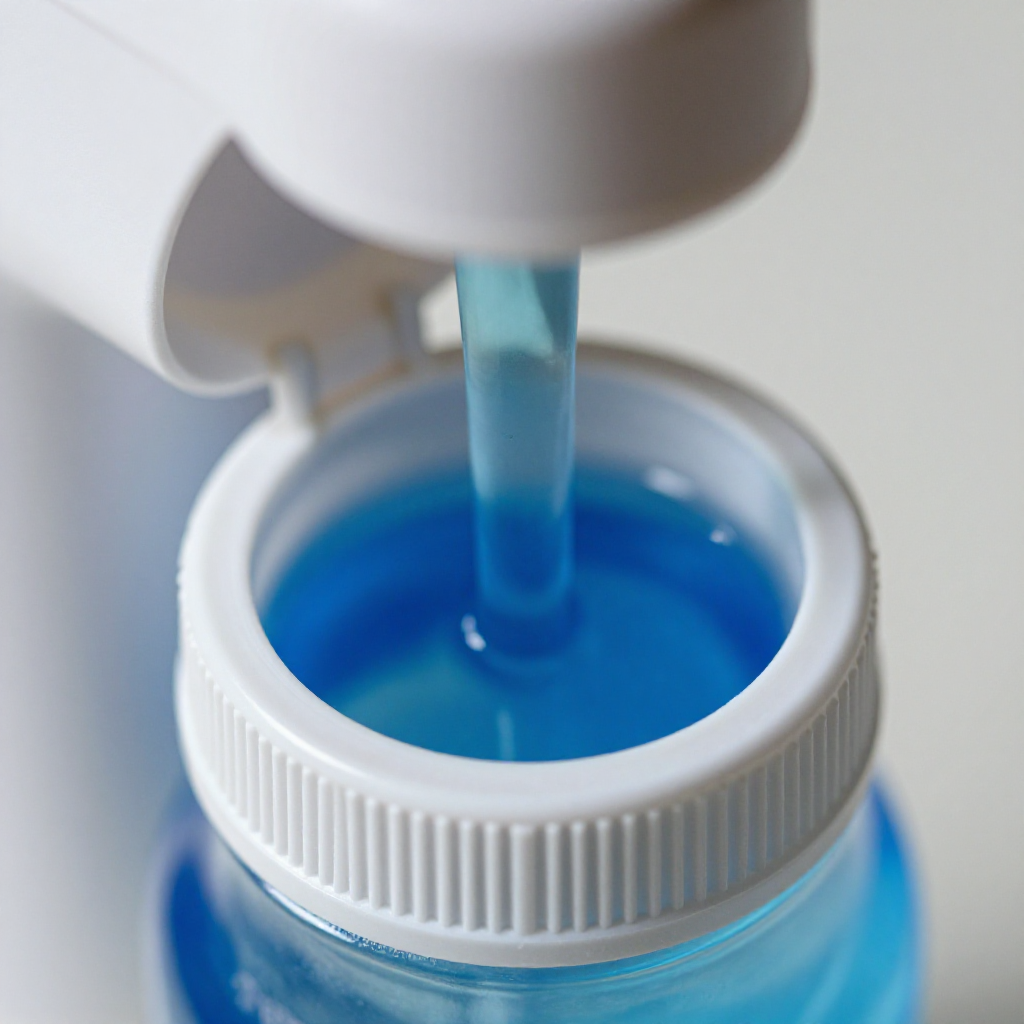
Best First Step
Check and refill the rinse aid dispenser

Check and refill the rinse aid dispenser

Open the dishwasher door, locate the rinse aid cap near the detergent compartment, and fill it to the max line with rinse aid.

visibility3. Visual Guidance

See what's happening and how to try the first recovery step.
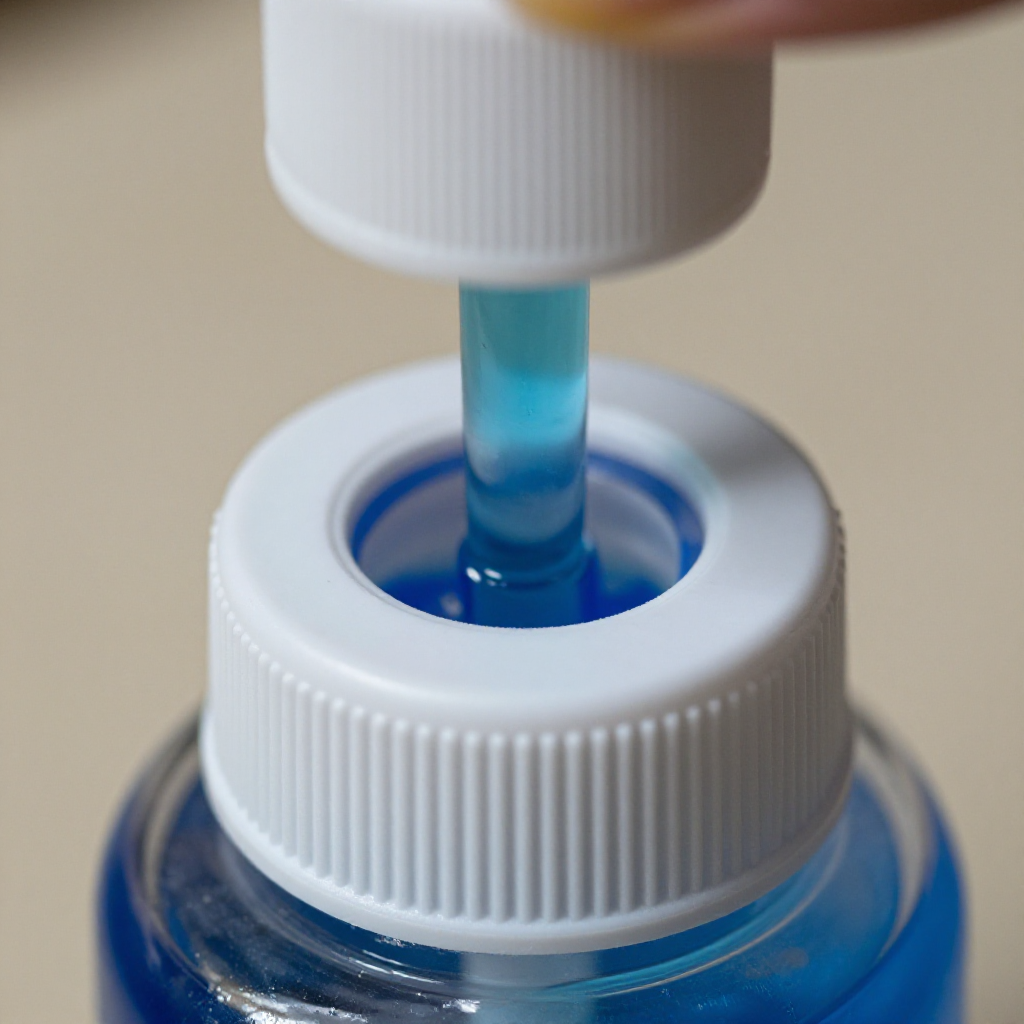
1
Step 1: Check and refill the rinse aid dispenser
Check and refill the rinse aid dispenserOpen the dishwasher door, locate the rinse aid cap near the detergent compartment, and fill it to the max line with rinse aid.
2
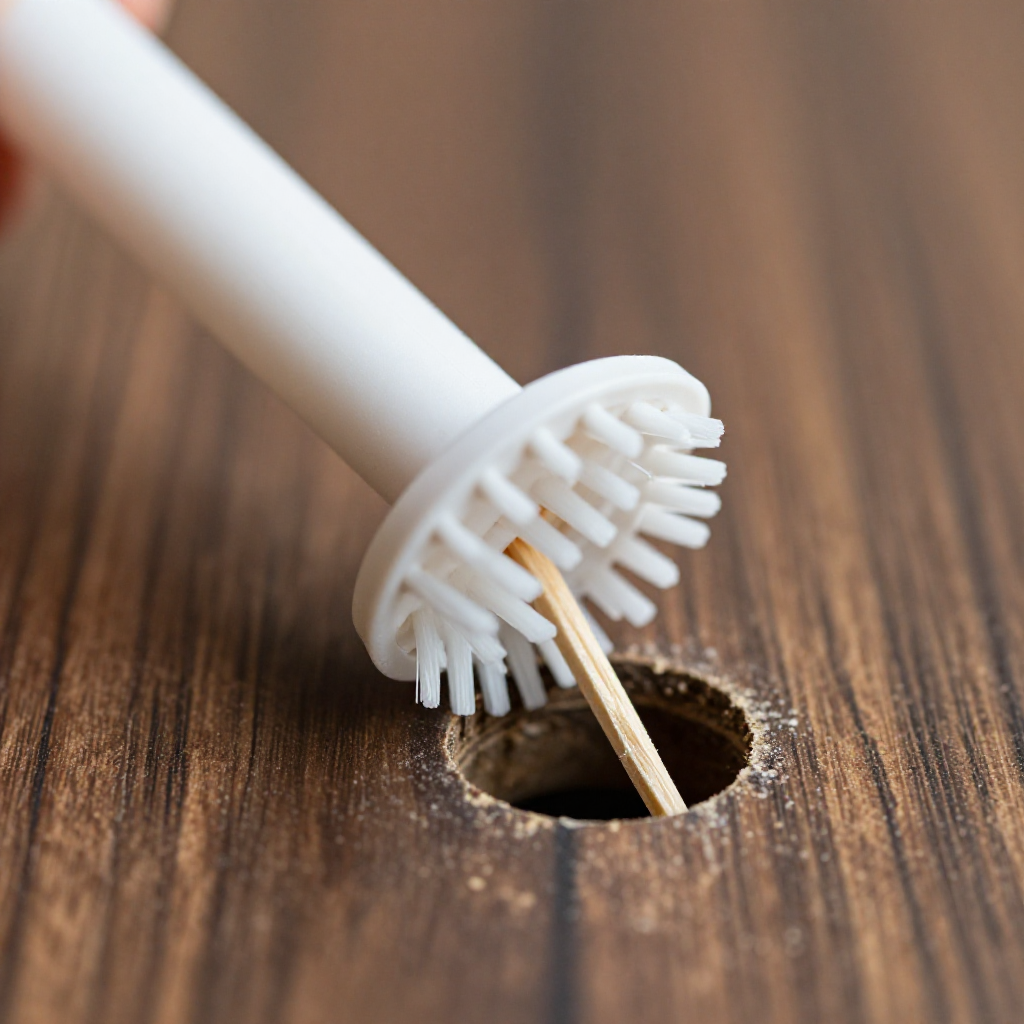
Step 2: Clean the spray arms
Clean the spray armsRemove the lower and upper spray arms. Rinse under running water and use a toothpick to clear any blocked spray holes.
3
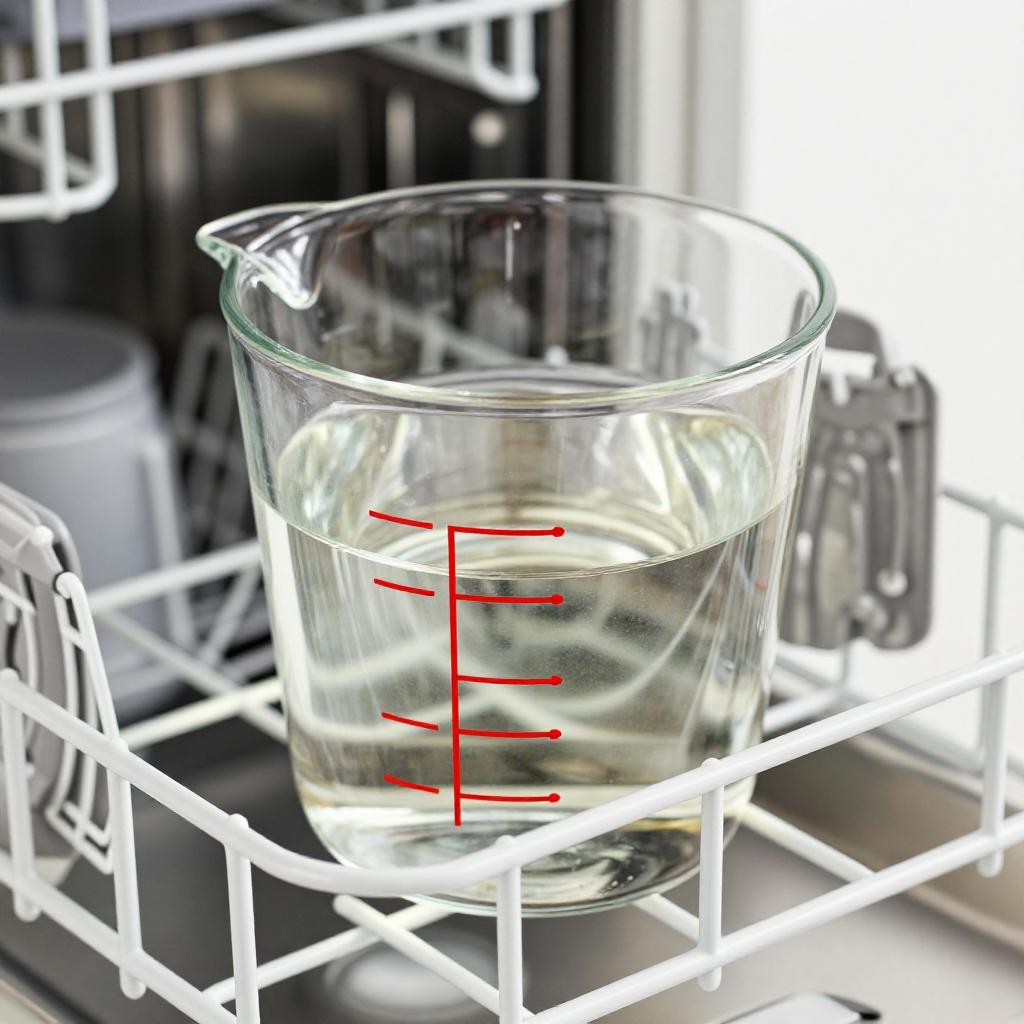
Step 3: Run a cleaning cycle with vinegar
Run a cleaning cycle with vinegarPlace a cup of white vinegar on the top rack and run a hot water cycle. This dissolves mineral deposits inside the tub.
4
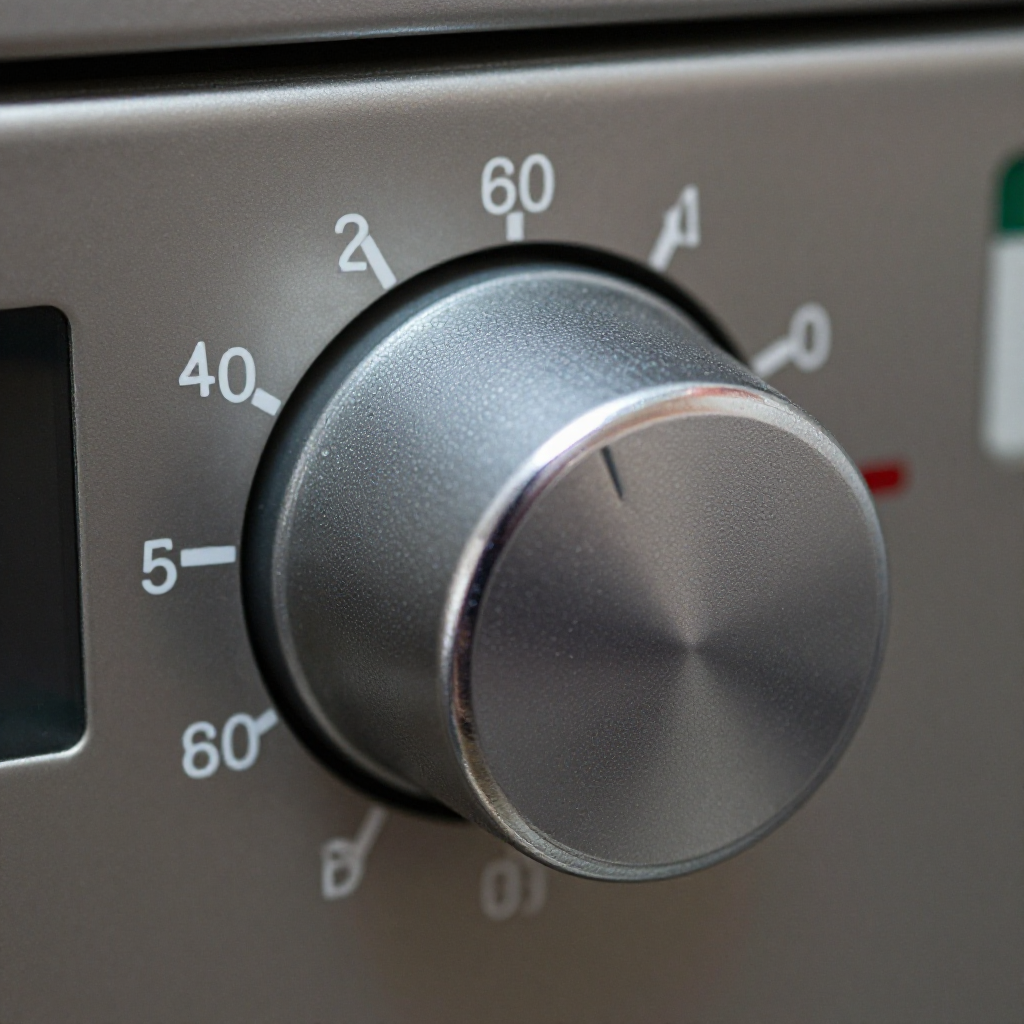
Step 4: Adjust water softener settings (if equipped)
Adjust water softener settings (if equipped)Consult your manual to set the internal water softener to match your home's water hardness level.
5
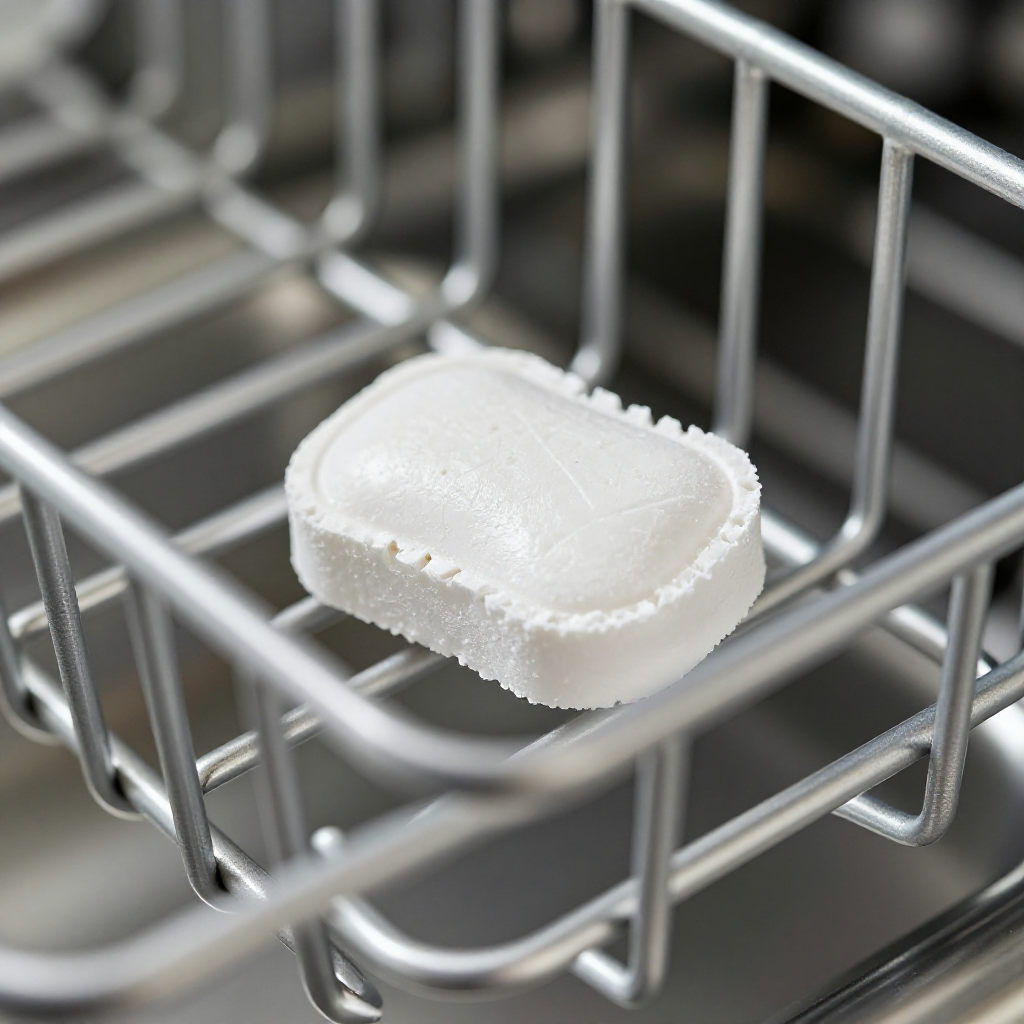
Step 5: Use a dishwasher cleaner monthly
Use a dishwasher cleaner monthlyPlace a commercial dishwasher cleaner tablet in the silverware basket and run a hot cycle to prevent future buildup.

autorenew4. If That Doesn't Work

Try the next recovery options.

Install a whole-house water softenerIf hard water is severe, a water softener removes calcium and magnesium before water enters your appliances.
chevron_right

Frequently Asked Questions

Can I use lemon juice instead of rinse aid?expand_more
Lemon juice can work temporarily, but it may clog the dispenser. Stick to a commercial rinse aid for best results.
Will white spots damage my glasses?expand_more
No, the spots are purely cosmetic. However, prolonged buildup can etch glass permanently.
How often should I clean my dishwasher?expand_more
Every 1 to 3 months, depending on water hardness. Monthly cleaning with a dishwasher cleaner is recommended for hard water areas.

warning5. Stop DIY If

Don't continue if any of these apply.

reportThe dishwasher leaks during the cleaning cycle
reportThe spray arm is cracked and needs replacement
reportThe control board shows error codes you cannot clear
Still stuck?Get personalized help with AI Recovery.

Same Device Recovery States

Device index arrow_forward

Similar Failure Pattern

This page provides general DIY guidance.
If you're unsure, it's always best to consult a professional.