Why Is My Kitchen Sink Sprayer Losing Water Pressure?
Is your kitchen sink sprayer trickling instead of spraying? Learn how to diagnose and fix low water pressure caused by debris or a worn diverter valve.
quick_referenceQuick Answer
For Why Is My Kitchen Sink Sprayer Losing Water Pressure?, start with "Clean the Sprayer Head": Unscrew the sprayer head from the hose. Soak it in a 50/50 white vinegar and water solution for 30 minutes to dissolve mineral deposits. Rinse and reattach. Stop DIY if water leaks from the faucet body when reassembled. This is listed as a easy recovery and usually takes about 30 min.
verifiedGuide Snapshot
Last updated Jul 20, 2026. Review the stop conditions before continuing.
account_treeRecovery State
help1. Understand the Problem
A kitchen sink sprayer relies on a diverter valve inside the faucet body to redirect water from the spout to the sprayer hose. Over time, mineral deposits or debris can clog the diverter, or the sprayer head itself can become blocked. This typically results in weak flow or no water from the sprayer while the faucet runs normally.
build_circle2. Try This First
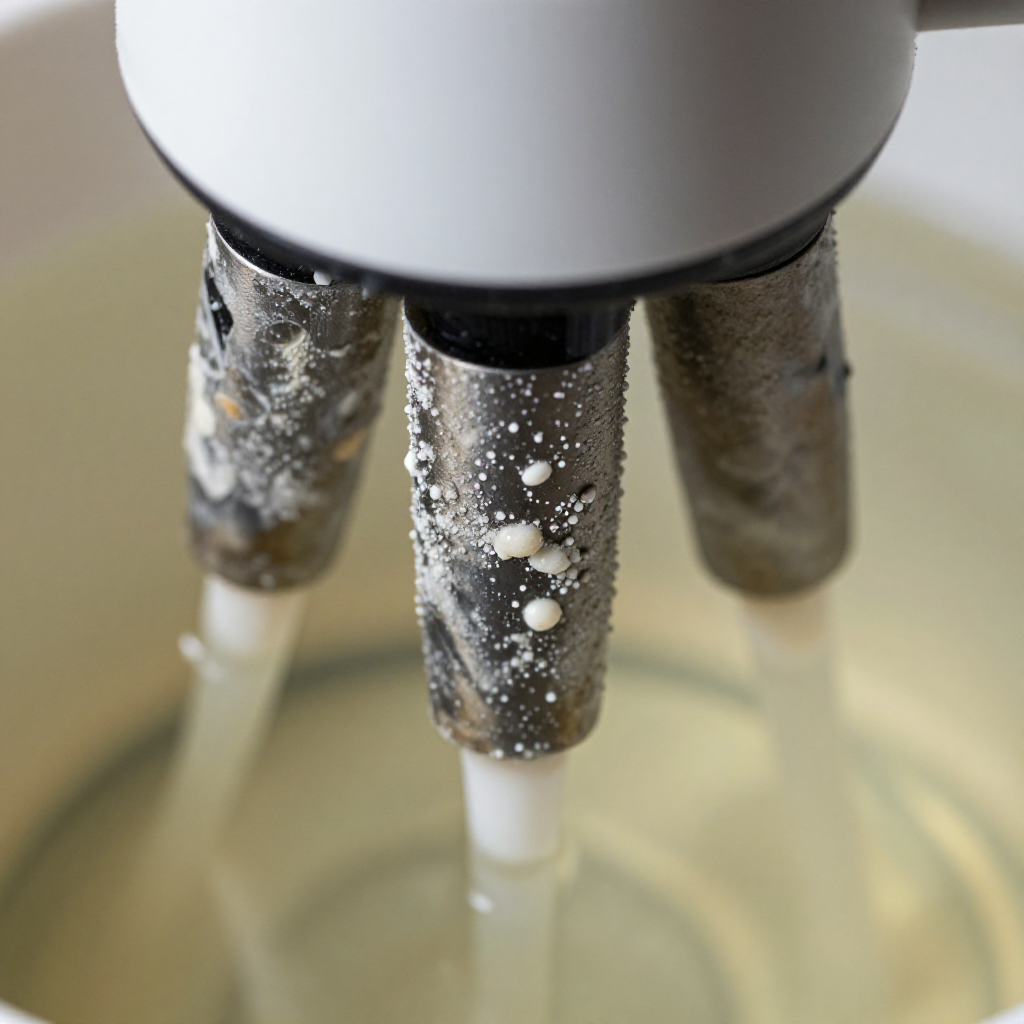
Clean the Sprayer Head
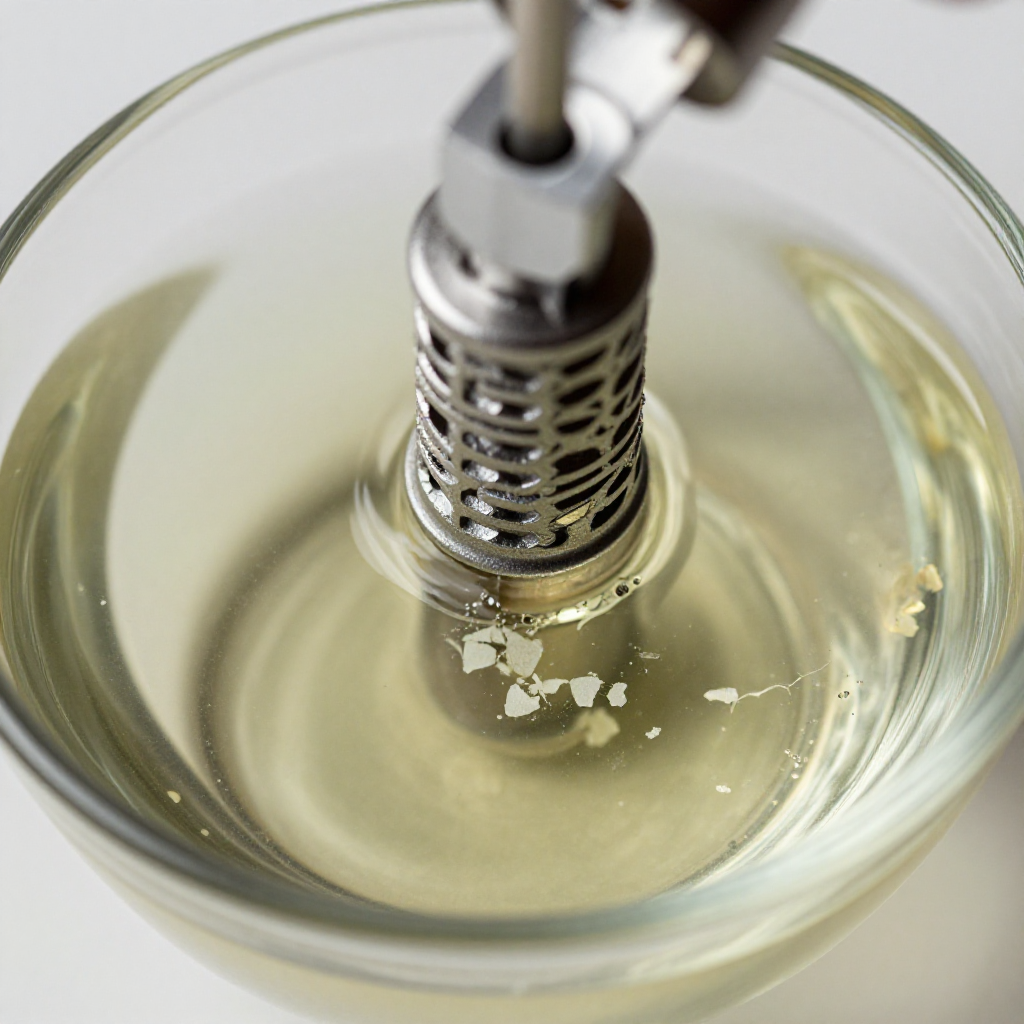
Unscrew the sprayer head from the hose. Soak it in a 50/50 white vinegar and water solution for 30 minutes to dissolve mineral deposits. Rinse and reattach.
visibility3. Visual Guidance
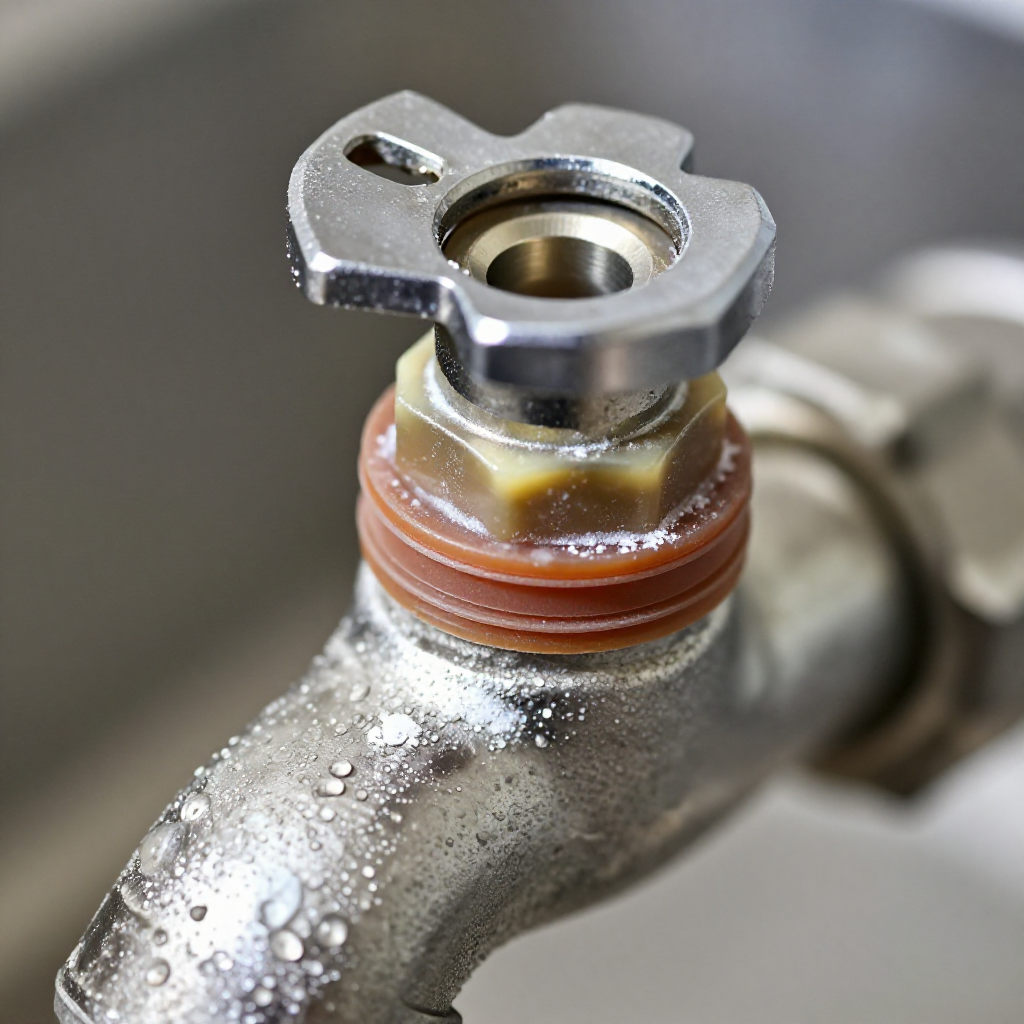
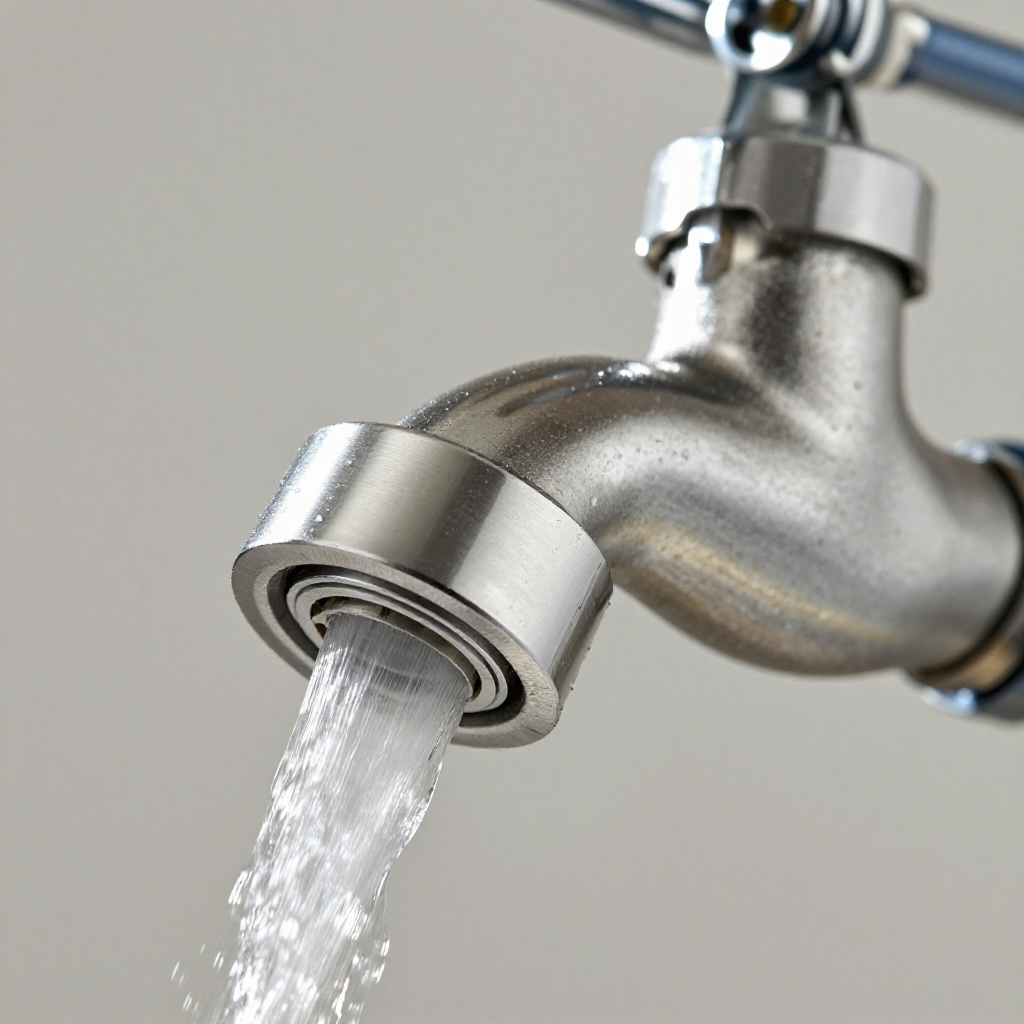
See what's happening and how to try the first recovery step.
autorenew4. If That Doesn't Work
Try the next recovery options.
Frequently Asked Questions
Can I use CLR instead of vinegar to clean the diverter?expand_more
How do I know if the sprayer hose is the problem?expand_more
Why does the sprayer work sometimes but not others?expand_more
Do I need to remove the entire faucet to replace the diverter?expand_more
warning5. Stop DIY If
Don't continue if any of these apply.
Same Device Recovery States
Device index arrow_forwardSimilar Failure Pattern
This page provides general DIY guidance.
If you're unsure, it's always best to consult a professional.