STUCKFIX
handymanDIY Friendly
build

Why Is My Dishwasher Leaving Food on Dishes?

Get sparkling dishes again by cleaning filters, unclogging spray arms, and checking water temperature in your dishwasher.

Category:Appliances
Difficulty:Easy
Time:30 min
Success:50%
Updated:Jul 3, 2026

quick_referenceQuick Answer

For Why Is My Dishwasher Leaving Food on Dishes?, start with "Clean the Dishwasher Filter": Remove the bottom rack and twist the cylindrical filter assembly counterclockwise to lift it out. Rinse under hot water and scrub off any debris with a soft brush. Stop DIY if the dishwasher is leaking water during operation. This is listed as a easy recovery and usually takes about 30 min.

verifiedGuide Snapshot

Repair areaAppliances
Estimated time30 min
DifficultyEasy
Stop conditions3

Last updated Jul 3, 2026. Review the stop conditions before continuing.

account_treeRecovery State

Current statePoor Cleaning
Specific stateClogged Filter
Failed stepFilter Clog
Likely failure typeBlocked Path
DIY boundaryDIY recovery first
paymentsCost decision

help1. Understand the Problem

A dishwasher that leaves food residue often has a clogged filter, blocked spray arm jets, or low water temperature. Hard water deposits or using the wrong detergent can also prevent proper cleaning.

build_circle2. Try This First
Best First Step
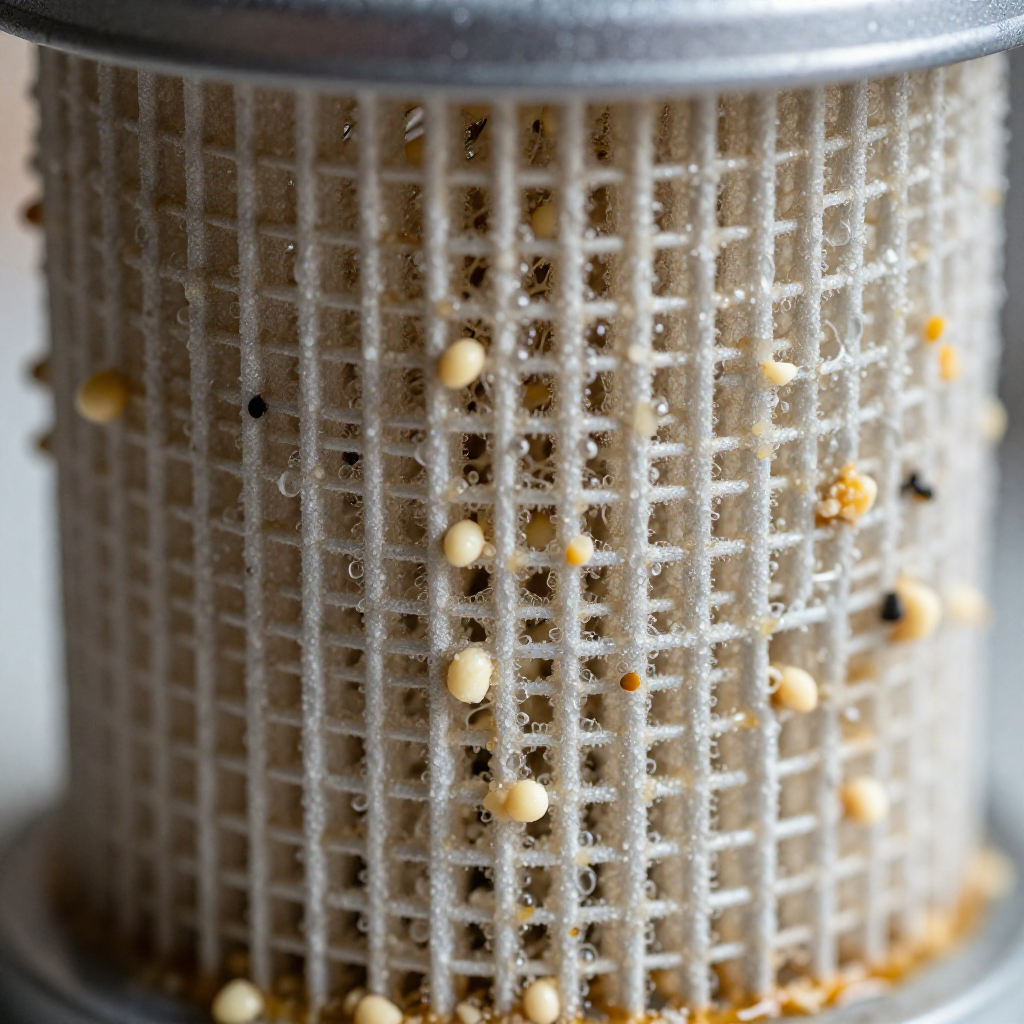
Clean the Dishwasher Filter

Clean the Dishwasher Filter

Remove the bottom rack and twist the cylindrical filter assembly counterclockwise to lift it out. Rinse under hot water and scrub off any debris with a soft brush.

visibility3. Visual Guidance

See what's happening and how to try the first recovery step.
1
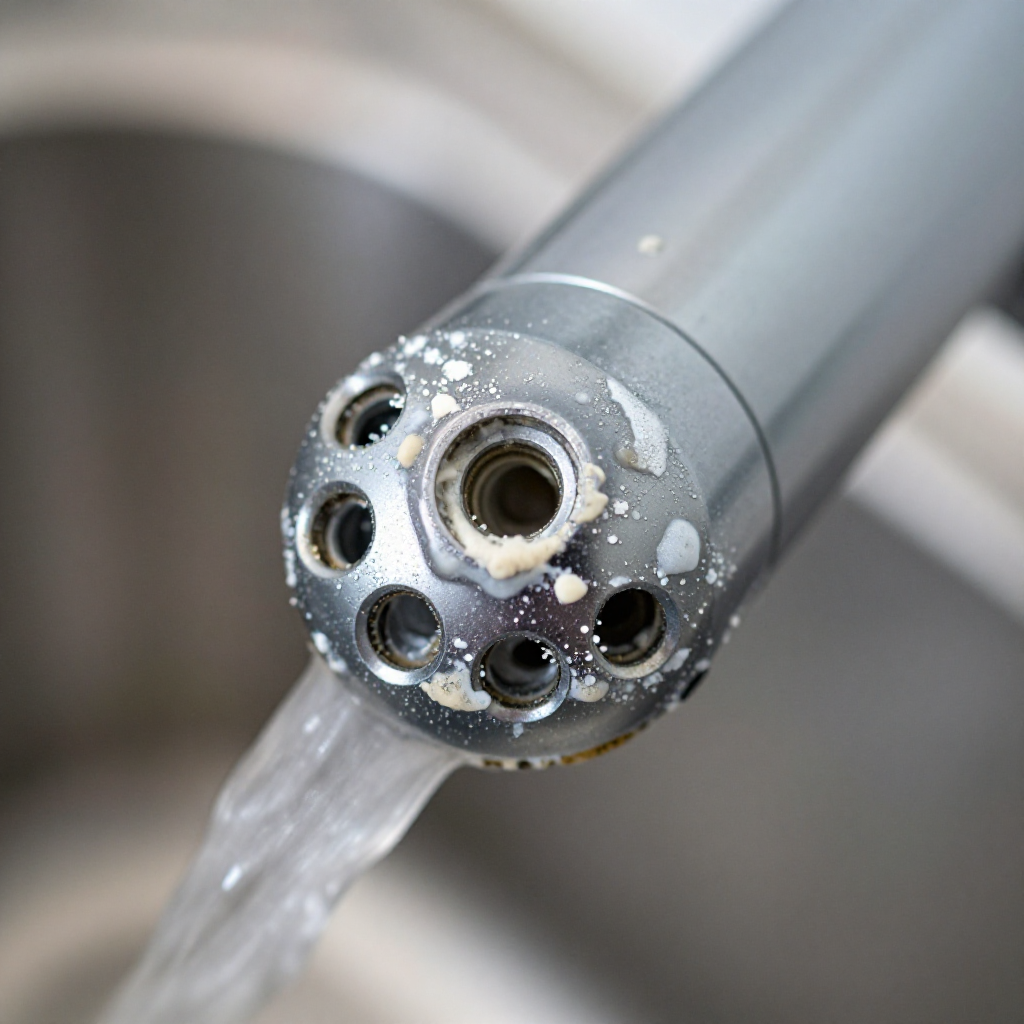
Inspect Spray Arm Holes
Inspect Spray Arm HolesRemove both spray arms and check if the small holes are clogged with mineral deposits or food. Use a toothpick to clear each hole.
2
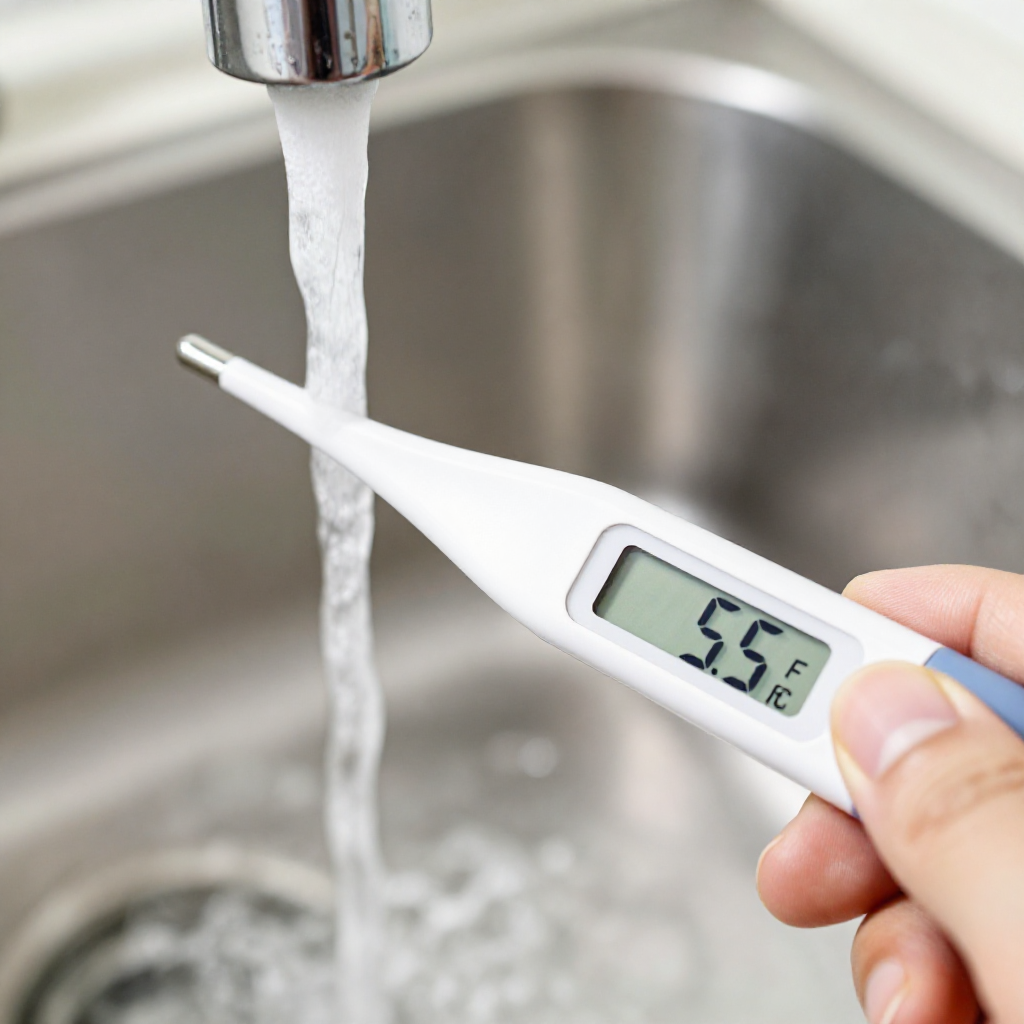
Check Water Temperature
Check Water TemperatureRun the kitchen faucet hot for a minute, then use a thermometer to ensure water entering the dishwasher is at least 120°F (49°C).
3
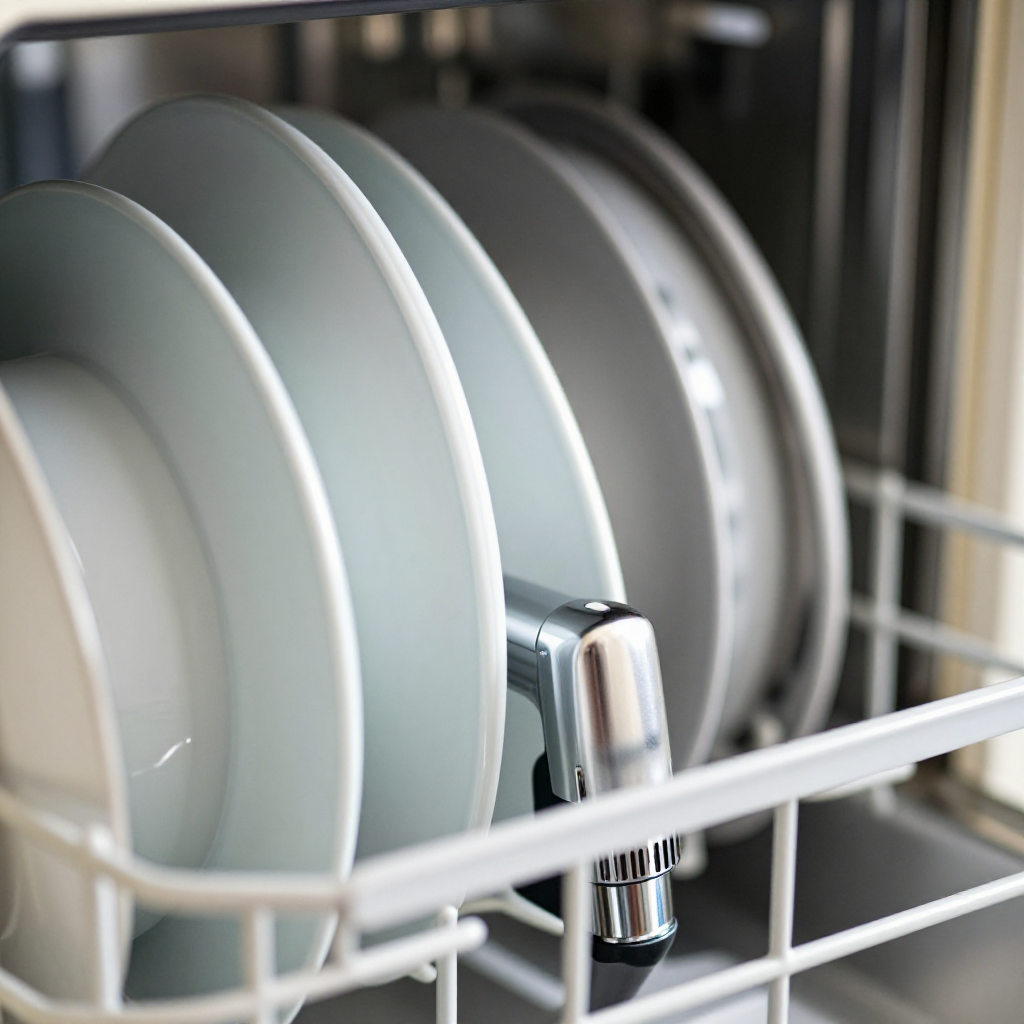
Load Dishes Correctly
Load Dishes CorrectlyEnsure dishes face the spray arms and aren't nesting together. Large items should not block the detergent dispenser or spray arms.
4
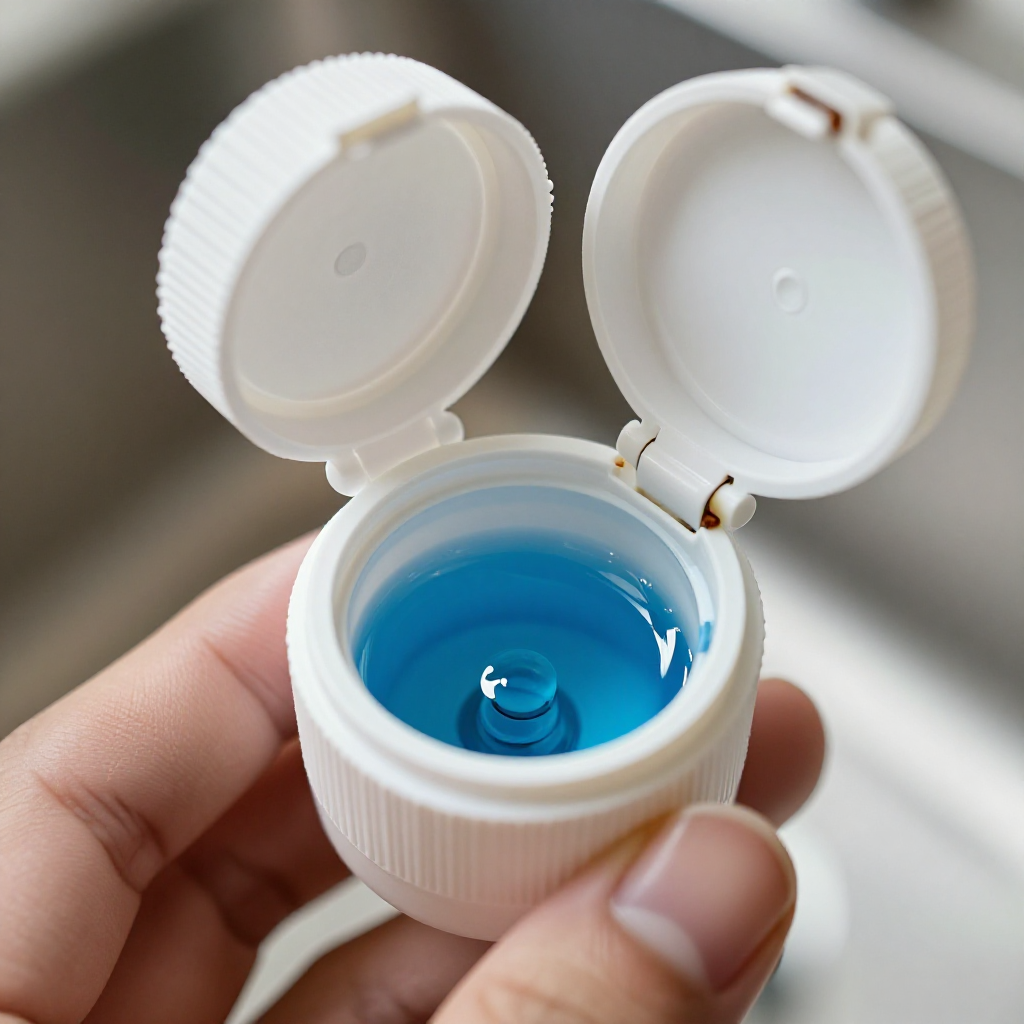
Use Rinse Aid
Use Rinse AidFill the rinse aid reservoir to improve drying and prevent water spots. Adjust the dispenser setting to 3 or 4 for hard water.

autorenew4. If That Doesn't Work

Try the next recovery options.

Deep Clean with Vinegar and Baking SodaRun an empty cycle with a cup of vinegar on the top rack, then sprinkle baking soda on the bottom for a second short cycle to remove buildup.
chevron_right

Frequently Asked Questions

How often should I clean the dishwasher filter?expand_more
Every 1-3 months, depending on usage. If you notice food on dishes, start by cleaning the filter.
Can hard water cause poor cleaning?expand_more
Yes, mineral deposits can clog spray arms and reduce detergent effectiveness. Use a water softener or add a dishwasher cleaner monthly.
Why is my dishwasher not drying dishes?expand_more
Low rinse aid, a broken heating element, or using the air-dry setting can cause poor drying. Check the heating element for continuity.
Should I pre-rinse dishes before loading?expand_more
No, modern dishwashers rely on food particles for the sensors to adjust cycles. Scrape off large scraps but don't rinse.

warning5. Stop DIY If

Don't continue if any of these apply.

reportThe dishwasher is leaking water during operation
reportThe spray arms are broken or won't spin
reportThe heating element is visibly damaged or not heating at all
Still stuck?Get personalized help with AI Recovery.

Related Recovery Problems

View all arrow_forward

Same Device Recovery States

Device index arrow_forward

Similar Failure Pattern

This page provides general DIY guidance.
If you're unsure, it's always best to consult a professional.