STUCKFIX
handymanDIY Friendly
faucet

Kitchen Sink Sprayer Won't Turn Off After Using It

A sink sprayer that won't shut off wastes water and pushes pressure back through the faucet. Diagnose the diverter and sprayer head before replacing parts you don't need.

Category:Kitchen
Difficulty:Easy
Time:20 minutes
Success:50%
Updated:May 22, 2026

quick_referenceQuick Answer

For Kitchen Sink Sprayer Won't Turn Off After Using It, start with "Cycle the faucet handle to reset the diverter": Turn the faucet handle fully off, then back on to full cold. Sometimes the diverter just needs a pressure cycle to unstick. If the sprayer stops, great — but it'll probably happen again. This isn't a fix, just a diagnostic: if cycling the handle stops the sprayer, the diverter is the culprit, not the spray head. Stop DIY if water is leaking from the faucet body itself — not the sprayer — indicating a cracked cartridge housing or internal seal failure. This is listed as a easy recovery and usually takes about 20 minutes.

verifiedGuide Snapshot

Repair areaKitchen
Estimated time20 minutes
DifficultyEasy
Stop conditions4

Last updated May 22, 2026. Review the stop conditions before continuing.

account_treeRecovery State

Current stateSprayer Wont Stop
Specific stateDiverter Stuck Open
Failed stepSprayer Use
Likely failure typeMineral Buildup
DIY boundaryDIY recovery first
paymentsCost decision

help1. Understand the Problem

Side sprayers get stuck on when the diverter valve inside the faucet body fails to reset after you release the sprayer trigger. Mineral buildup or a worn rubber seal inside the diverter keeps it jammed in spray position, so water keeps flowing to the spray head. A broken spring in the sprayer head itself can also keep the trigger from closing fully.

build_circle2. Try This First
Best First Step
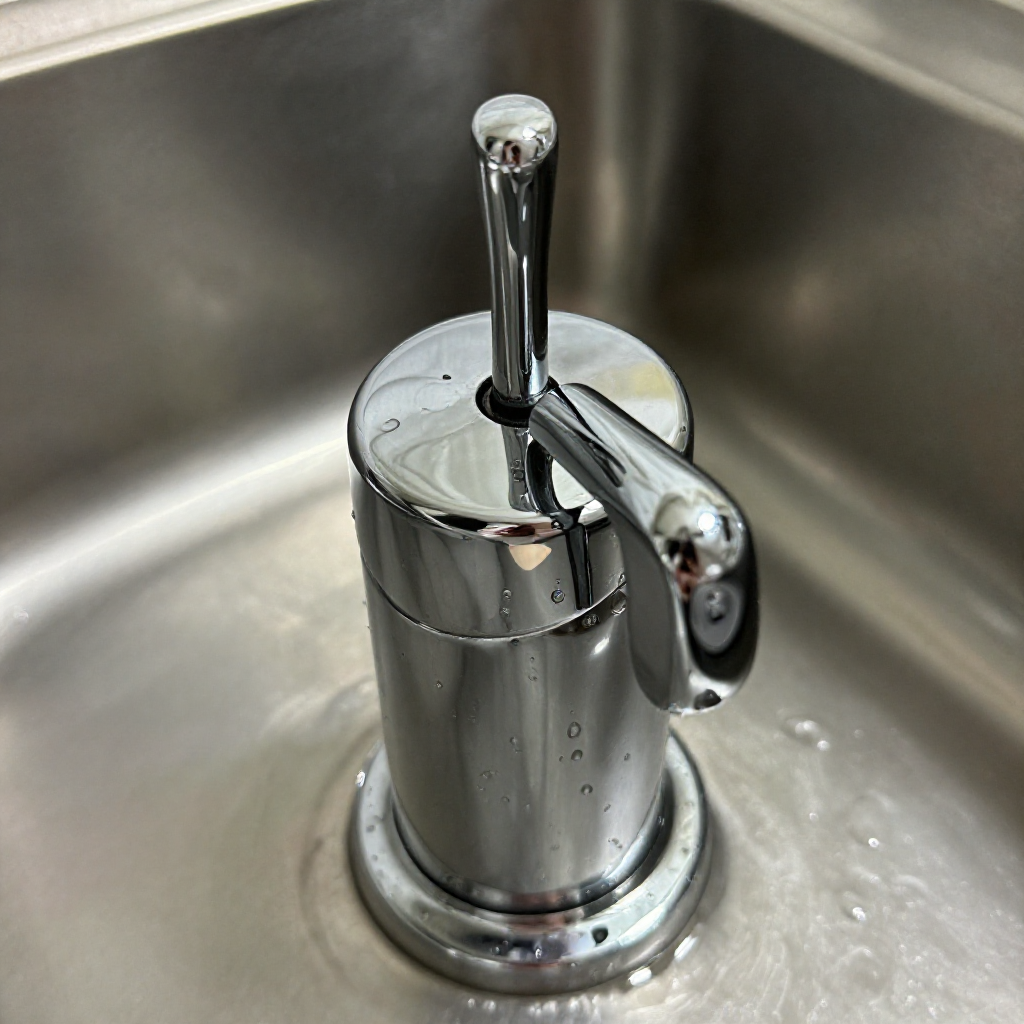
Cycle the faucet handle to reset the diverter

Cycle the faucet handle to reset the diverter

Turn the faucet handle fully off, then back on to full cold. Sometimes the diverter just needs a pressure cycle to unstick. If the sprayer stops, great — but it'll probably happen again. This isn't a fix, just a diagnostic: if cycling the handle stops the sprayer, the diverter is the culprit, not the spray head.

visibility3. Visual Guidance

See what's happening and how to try the first recovery step.
1
Remove and soak the sprayer head in vinegar
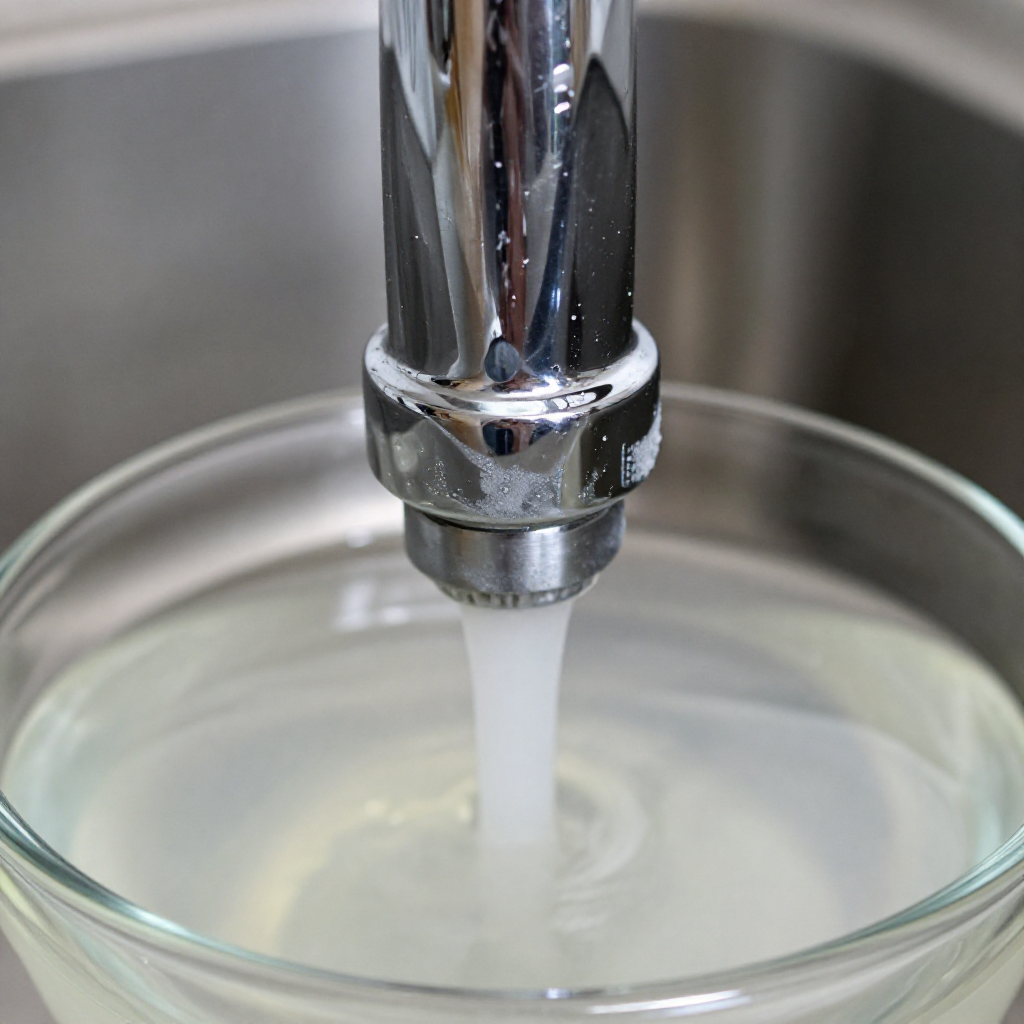
Remove and soak the sprayer head in vinegarUnscrew the sprayer head from the hose. Submerge it in white vinegar for 30 minutes to dissolve mineral scale inside the trigger mechanism. Work the trigger while it's soaking. Rinse with water, reattach, and test. If the trigger now snaps back crisply, mineral buildup was jamming it open.
2
Remove and clean the diverter valve
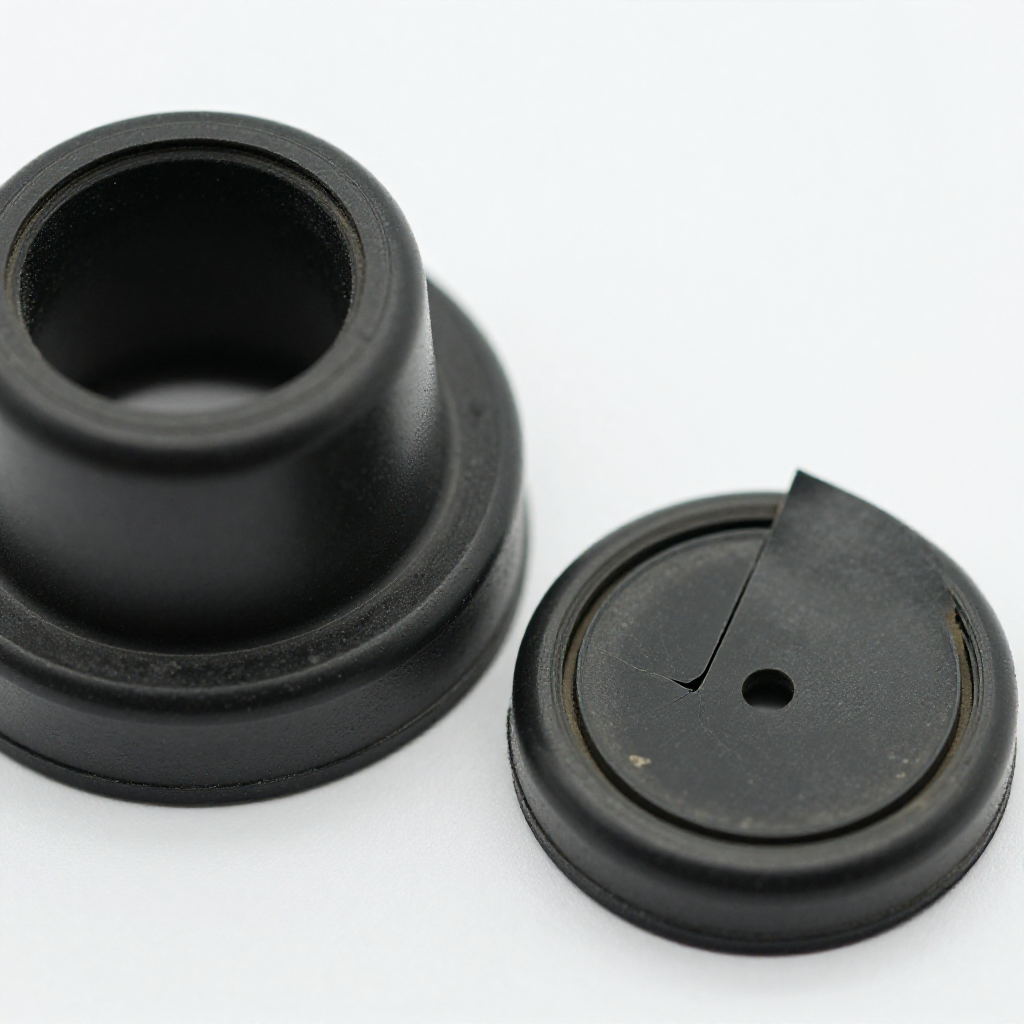
Remove and clean the diverter valveShut off the water under the sink. Remove the faucet handle and spout collar. The diverter is a small plastic or brass cylinder inside the faucet body — pull it out with needle-nose pliers. Soak it in vinegar, scrub the ports with an old toothbrush, and check the rubber seal for cracks. Reassemble and test.
3
Replace the diverter if cleaning doesn't fix it
Replace the diverter if cleaning doesn't fix itIf the diverter seal is cracked, flattened, or torn, it won't hold back water pressure. Bring the old diverter to a hardware store and match it — most manufacturers sell diverter repair kits for $10-15. Press the new one into place, reassemble the faucet, and the sprayer should shut off cleanly.

autorenew4. If That Doesn't Work

Try the next recovery options.

build
Replace the sprayer head and hose assemblyIf the sprayer trigger itself is broken or the hose is leaking at the quick-connect fitting, buy a universal side sprayer kit. It threads right onto the existing hose connection under the sink.
chevron_right
block
Cap off the sprayer line if you never use itIf the sprayer is broken and you don't want to fix it, shut off the water, disconnect the sprayer hose, and cap the diverter port with a brass plug. The faucet will work normally without the sprayer.
chevron_right

Frequently Asked Questions

Why does my sink sprayer keep running after I let go of the trigger?expand_more
The diverter valve inside the faucet is stuck open, usually from mineral deposits. Cleaning or replacing the diverter fixes it. Cycling the faucet handle on and off can temporarily reset it.
Can I just disconnect the sprayer and leave it off?expand_more
No — the diverter port needs to be capped with a plug. Leaving the hose disconnected means water will spray out of the open port whenever the faucet runs.
How do I know if it's the sprayer head or the diverter?expand_more
Turn the faucet on and off. If cycling the handle stops the sprayer, it's the diverter. If the trigger feels mushy or doesn't snap back, it's the sprayer head spring. Both can fail at once.

warning5. Stop DIY If

Don't continue if any of these apply.

reportWater is leaking from the faucet body itself — not the sprayer — indicating a cracked cartridge housing or internal seal failure.
reportThe shutoff valves under the sink won't close or are corroded solid — forcing them can snap the valve and flood the cabinet.
reportThe diverter port is corroded or stripped and a replacement won't seat — the faucet body needs to be replaced entirely.
reportWater damage is visible inside the cabinet walls or floor — stop and address the water damage before any plumbing work.
Still stuck?Get personalized help with AI Recovery.

Related Recovery Problems

View all arrow_forward

Same Device Recovery States

Device index arrow_forward

Similar Failure Pattern

This page provides general DIY guidance.
If you're unsure, it's always best to consult a professional.