STUCKFIX
handymanDIY Friendly
build

Why Is My Kitchen Sink Draining Slowly?

A sluggish kitchen sink drain is often caused by grease buildup or food debris. Learn how to clear it safely without damaging pipes.

Category:Plumbing
Difficulty:Easy
Time:15 min
Success:50%
Updated:Jul 23, 2026

quick_referenceQuick Answer

For Why Is My Kitchen Sink Draining Slowly?, start with "Remove the Drain Stopper": Unscrew or lift out the drain stopper from the sink basin. Clean off any accumulated hair and debris with a paper towel. Stop DIY if water backs up into the other sink basin when you run the disposal. This is listed as a easy recovery and usually takes about 15 min.

verifiedGuide Snapshot

Repair areaPlumbing
Estimated time15 min
DifficultyEasy
Stop conditions3

Last updated Jul 23, 2026. Review the stop conditions before continuing.

account_treeRecovery State

Current stateDrainage
Specific stateSlow Drain
Failed stepGrease Buildup
Likely failure typeBlocked Path
DIY boundaryDIY recovery first
paymentsCost decision

help1. Understand the Problem

Kitchen sinks handle grease, oil, and food particles that solidify inside pipes, gradually restricting water flow. Over time, this buildup creates a slow drain that can lead to complete clogs. Simple mechanical cleaning often resolves the issue before chemicals are needed.

build_circle2. Try This First
Best First Step
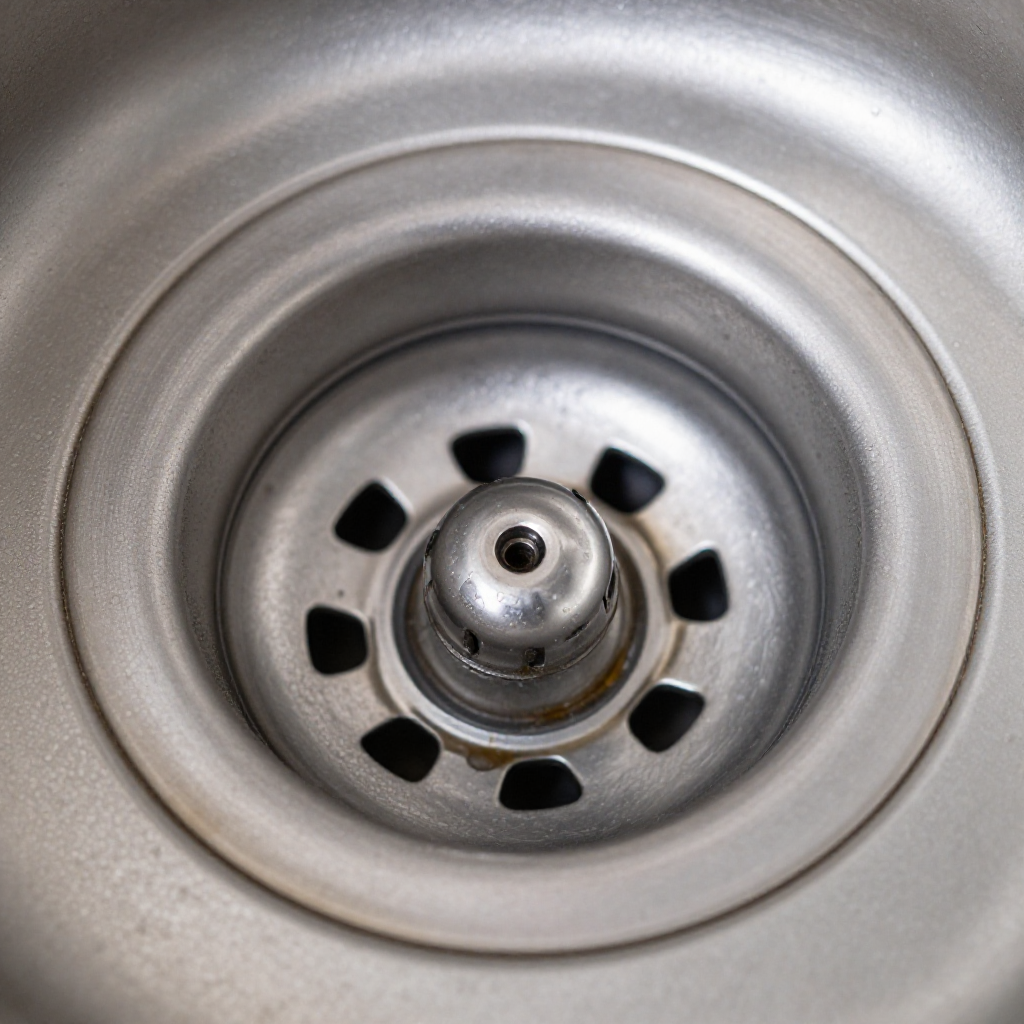
Remove the Drain Stopper

Remove the Drain Stopper

Unscrew or lift out the drain stopper from the sink basin. Clean off any accumulated hair and debris with a paper towel.

visibility3. Visual Guidance

See what's happening and how to try the first recovery step.
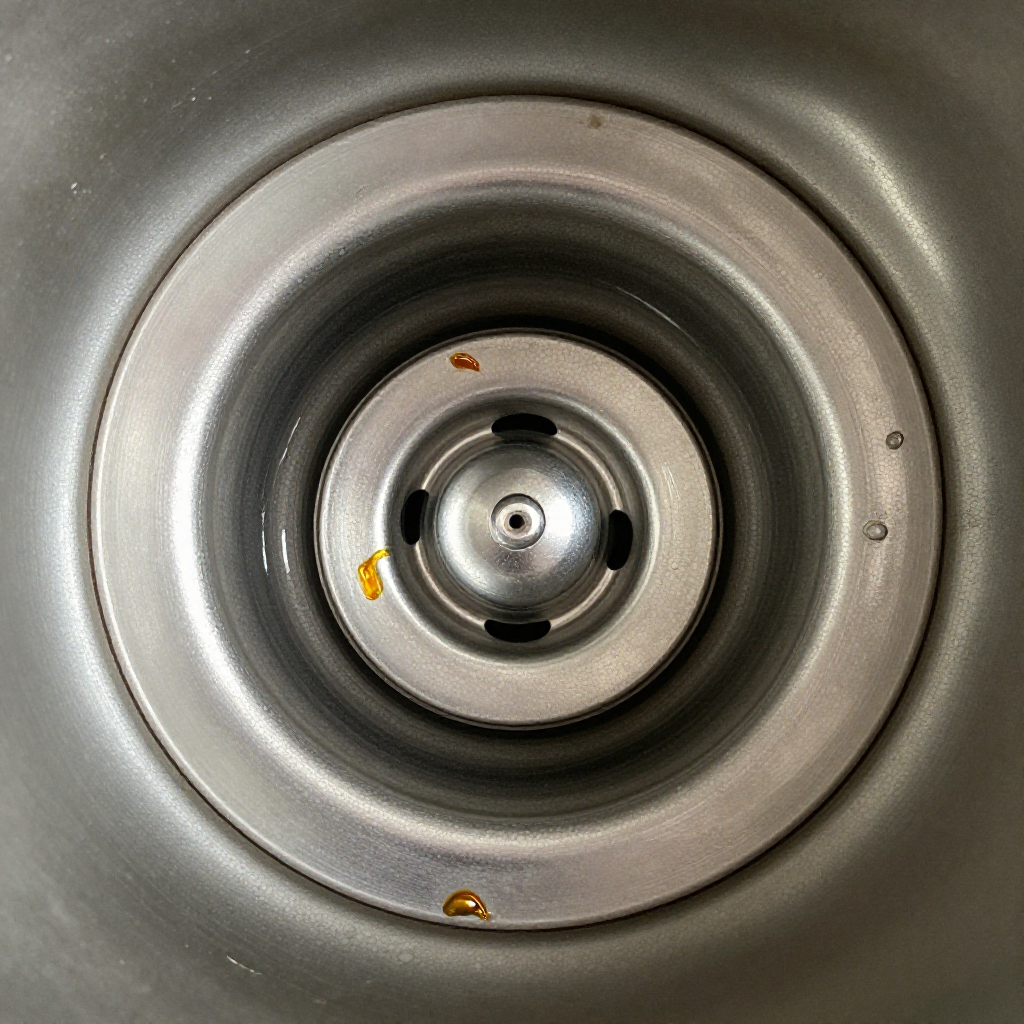
1
Step 1: Remove the Drain Stopper
Remove the Drain StopperUnscrew or lift out the drain stopper from the sink basin. Clean off any accumulated hair and debris with a paper towel.
2
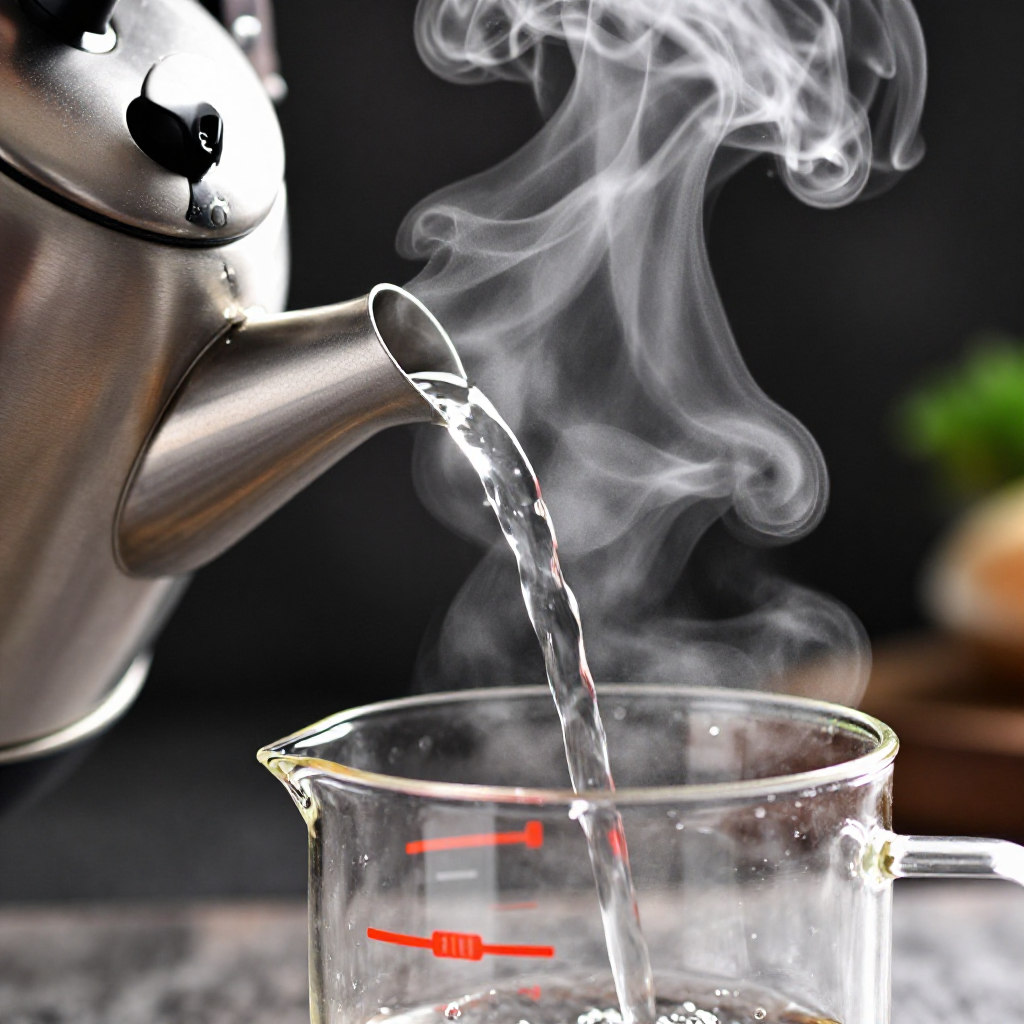
Step 2: Boil a Kettle of Water
Boil a Kettle of WaterBring a full kettle of water to a rolling boil. Do not use boiling water if you have PVC pipes under the sink.
3
Step 3: Pour Boiling Water in Stages
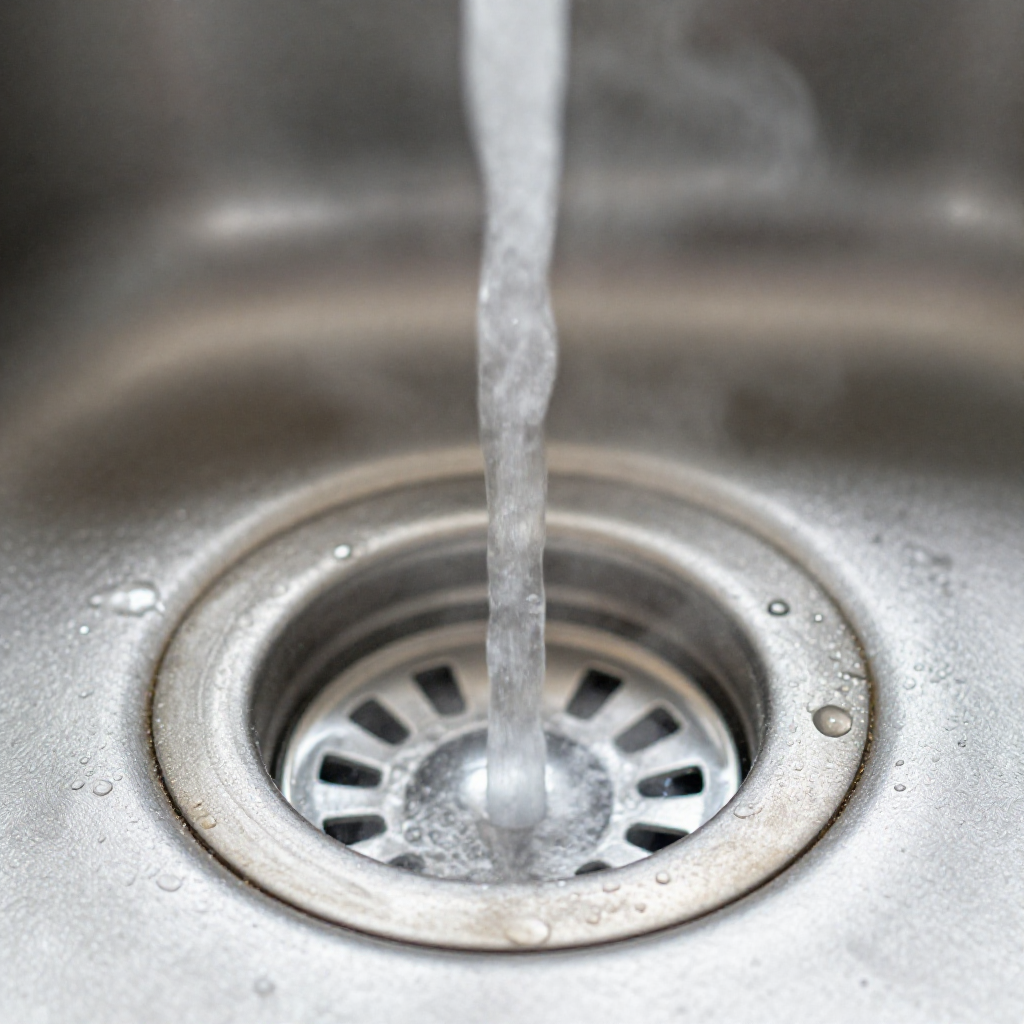
Pour Boiling Water in StagesCarefully pour the boiling water down the drain in two or three stages, pausing 5 seconds between each pour to let the heat break up grease.
4
Step 4: Flush with Cold Water
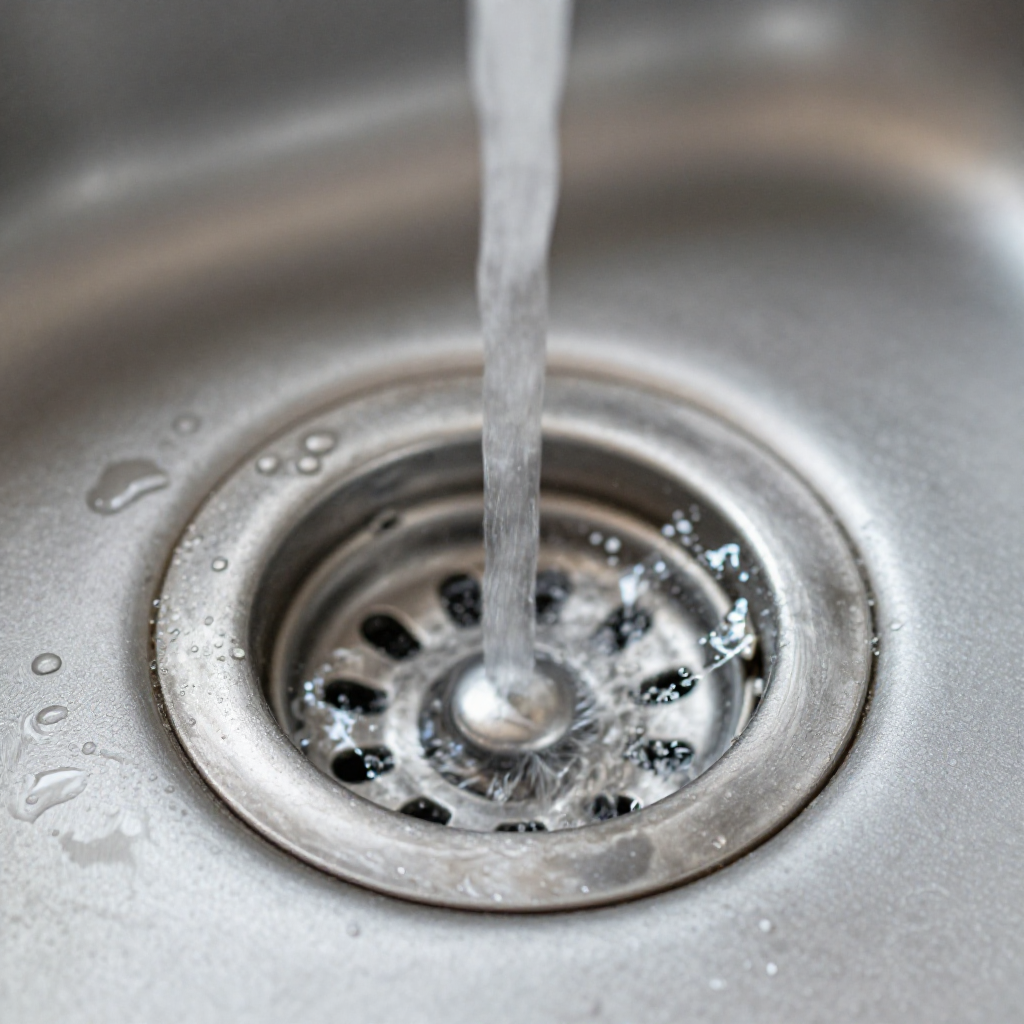
Flush with Cold WaterRun cold tap water for 30 seconds to flush loosened debris through the trap and into the main line.

autorenew4. If That Doesn't Work

Try the next recovery options.

Use a PlungerSeal the overflow hole with a wet cloth, then plunge vigorously for 30 seconds.
chevron_right
Baking Soda and Vinegar FlushPour 1/2 cup baking soda followed by 1/2 cup vinegar down the drain, wait 15 minutes, then flush with boiling water.
chevron_right

Frequently Asked Questions

Can I use chemical drain cleaners instead?expand_more
Avoid chemical cleaners as they can damage metal pipes and harm septic systems. Mechanical methods are safer and more effective for grease clogs.
How often should I clean my kitchen sink drain?expand_more
Preventative flushing with boiling water once a month helps keep grease from building up.
What if boiling water doesn't work?expand_more
Try using a plunger or a drain snake. If the clog persists, the blockage may be deeper in the main line — call a plumber.
Is it safe to pour boiling water into a garbage disposal?expand_more
Yes, but only if the disposal is running and water is flowing. Never pour boiling water into a standing disposal.

warning5. Stop DIY If

Don't continue if any of these apply.

reportWater backs up into the other sink basin when you run the disposal
reportYou see standing water in the sink after 30 minutes of attempted clearing
reportThere is a foul sewer smell coming from the drain
Still stuck?Get personalized help with AI Recovery.

Same Device Recovery States

Device index arrow_forward

Similar Failure Pattern

This page provides general DIY guidance.
If you're unsure, it's always best to consult a professional.