STUCKFIX
handymanDIY Friendly
build

Why is my kitchen sink draining slowly despite using a plunger?

A slow-draining kitchen sink often points to a clog deeper in the pipe that a plunger can't reach. Learn how to clear it without harsh chemicals.

Category:Plumbing
Difficulty:Easy
Time:20 min
Success:50%
Updated:Jul 22, 2026

quick_referenceQuick Answer

For Why is my kitchen sink draining slowly despite using a plunger?, start with "Remove and clean the P-trap": Place a bucket under the trap, unscrew the slip nuts, and remove the curved pipe. Clean out any debris or grease inside with a wire brush. Stop DIY if the drain is completely blocked and water overflows when you run the sink. This is listed as a easy recovery and usually takes about 20 min.

verifiedGuide Snapshot

Repair areaPlumbing
Estimated time20 min
DifficultyEasy
Stop conditions3

Last updated Jul 22, 2026. Review the stop conditions before continuing.

account_treeRecovery State

Current stateClogged Drain
Specific stateSlow Drainage
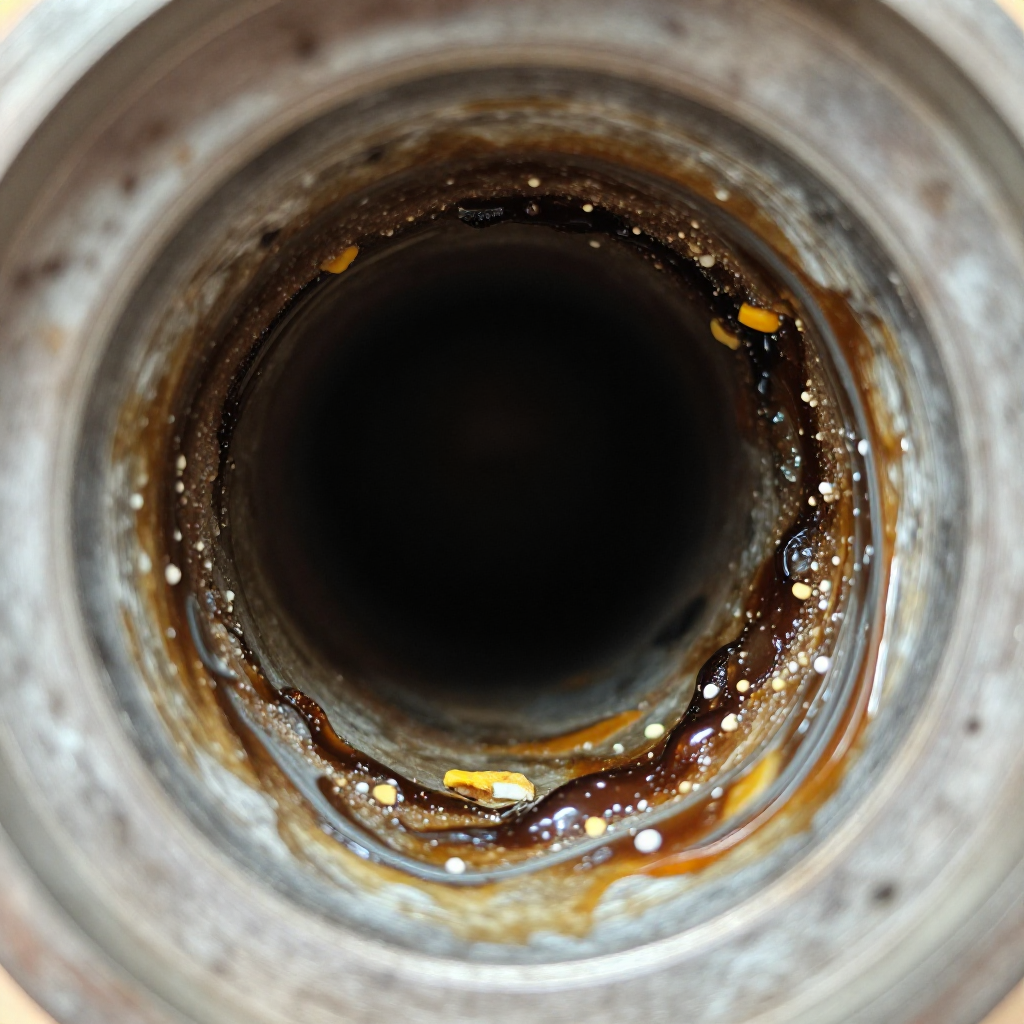
Failed stepGrease Buildup In Trap
Likely failure typeBlocked Path
DIY boundaryDIY recovery first
paymentsCost decision

help1. Understand the Problem

When a plunger fails to restore full drainage, the blockage is likely beyond the P-trap or consists of hardened grease. Plungers only work on surface-level clogs in the fixture. Deeper obstructions require mechanical or chemical intervention.

build_circle2. Try This First
Best First Step
Remove and clean the P-trap

Remove and clean the P-trap

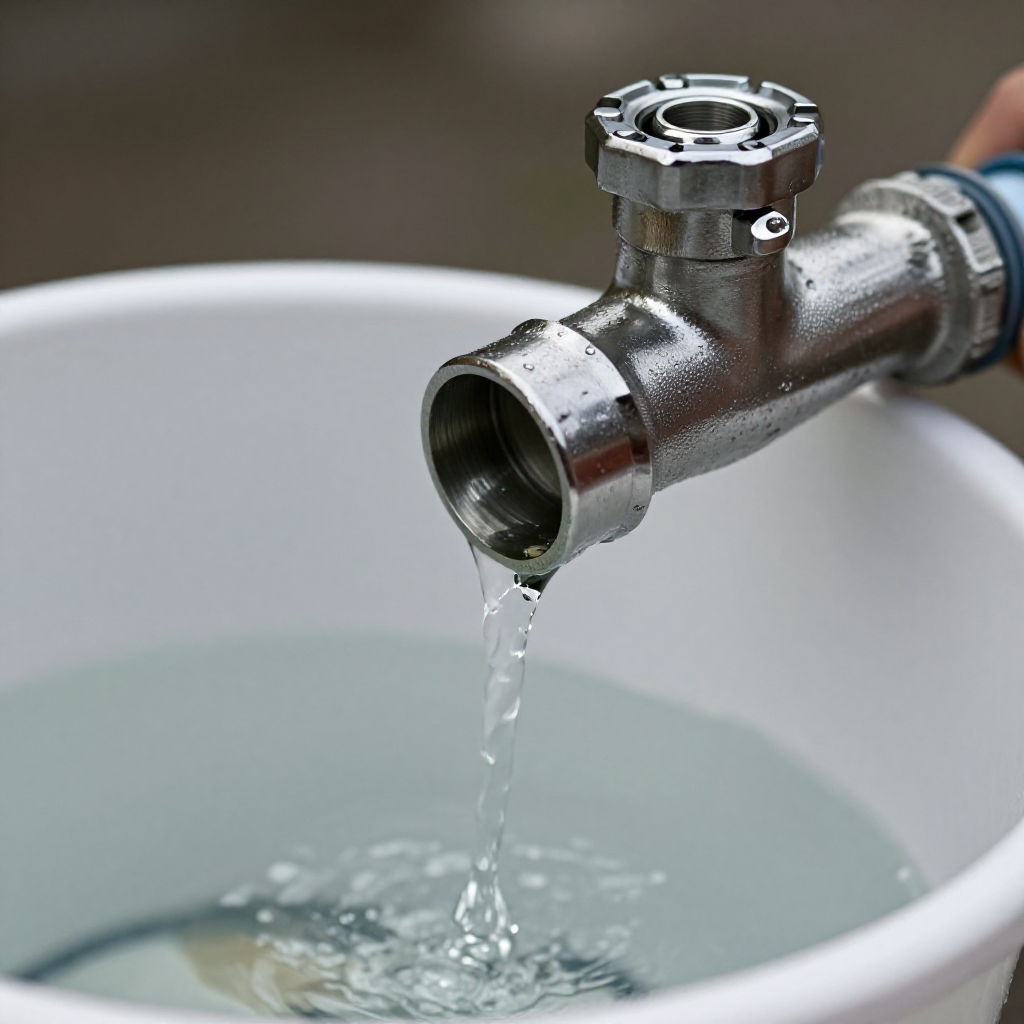
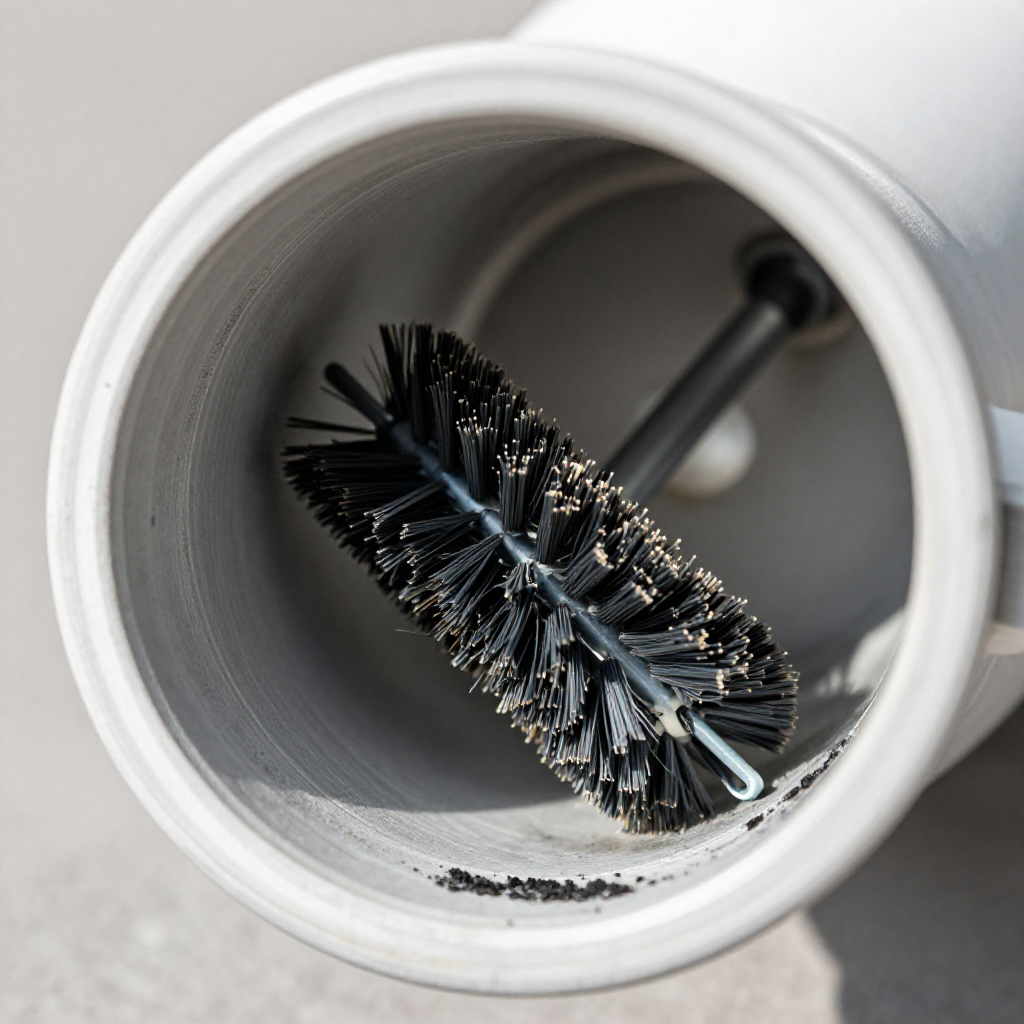
Place a bucket under the trap, unscrew the slip nuts, and remove the curved pipe. Clean out any debris or grease inside with a wire brush.

visibility3. Visual Guidance

See what's happening and how to try the first recovery step.
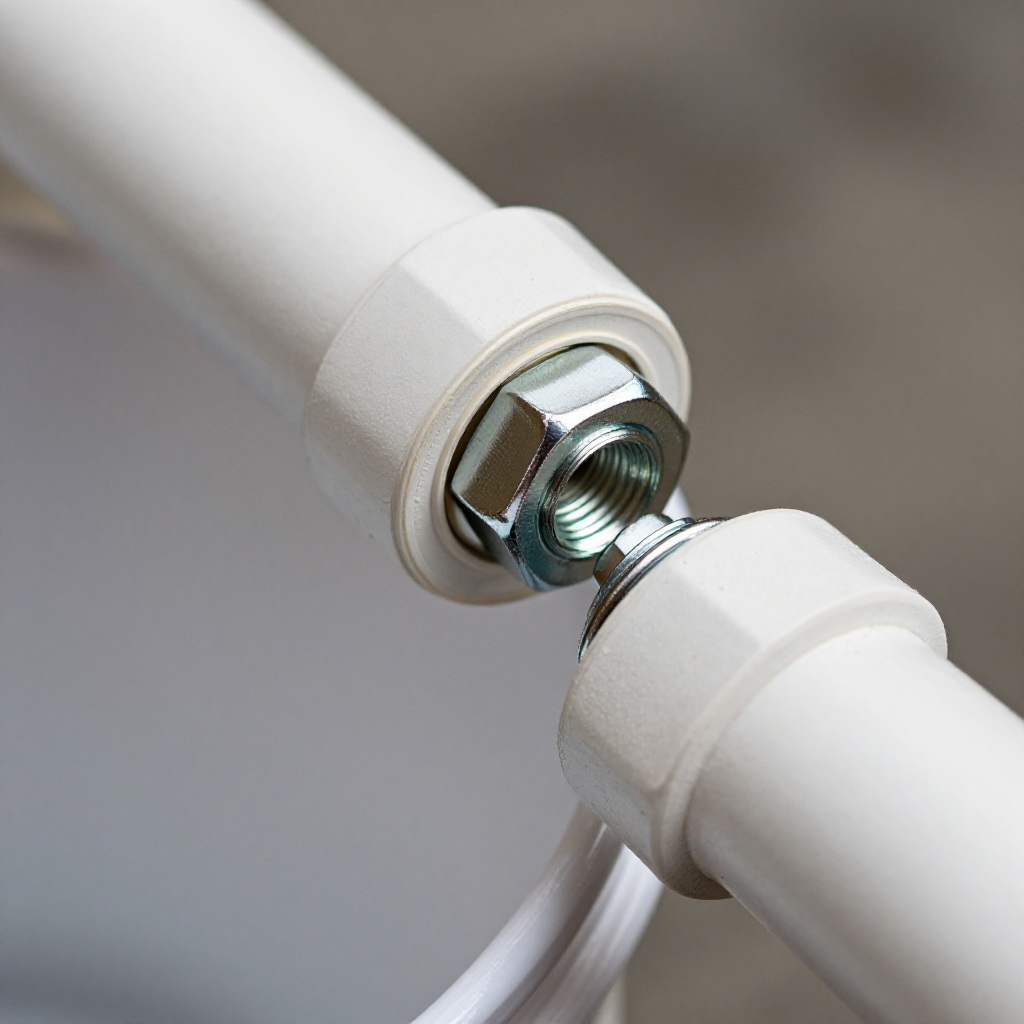
1
Step 1: Prepare the work area
Prepare the work areaPlace a bucket and towels under the sink. Loosen the slip nuts on both ends of the P-trap by hand or with pliers.
2
Step 2: Remove the P-trap
Remove the P-trapCarefully slide the P-trap off. Pour any standing water into the bucket. Inspect for blockages.
3
Step 3: Clean the trap
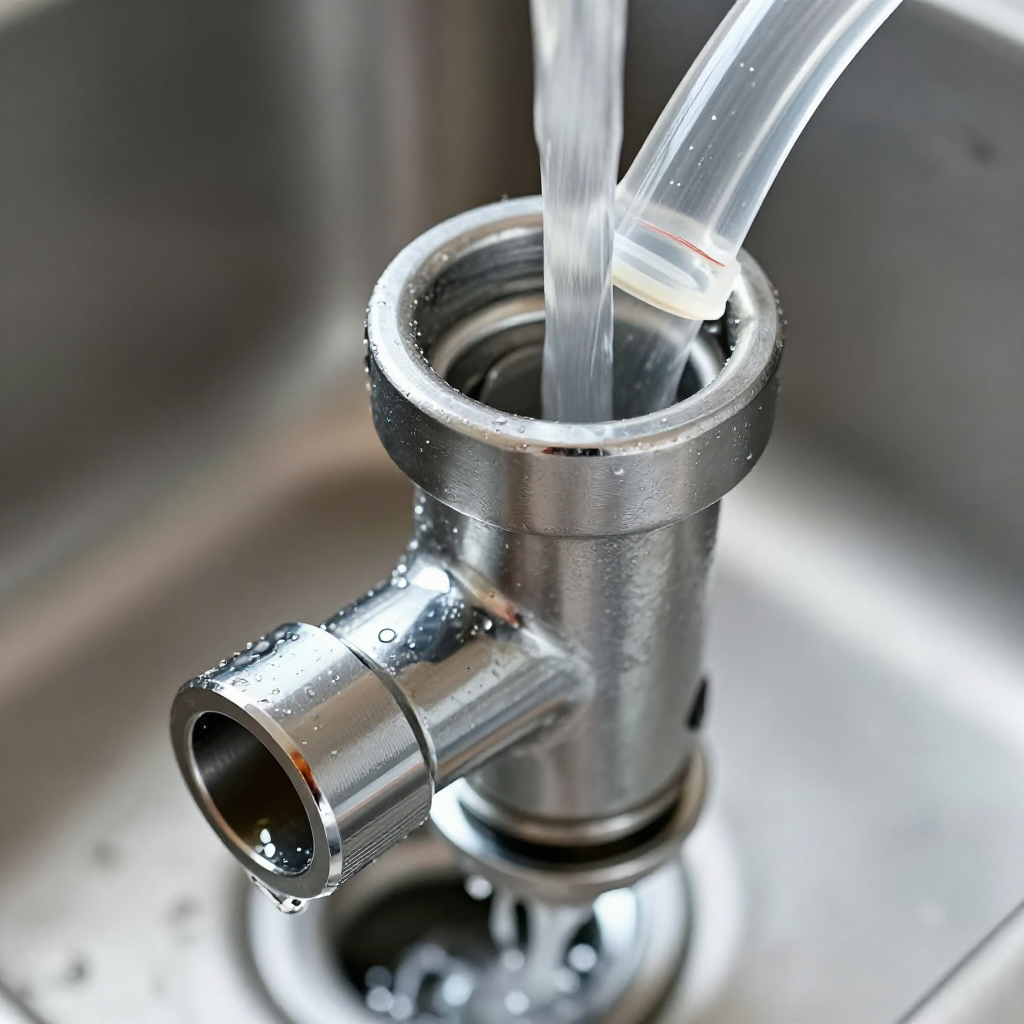
Clean the trapUse a wire brush or old toothbrush to scrub away grease and debris from inside the trap. Rinse with hot water.
4
Step 4: Reassemble and test
Reassemble and testReattach the P-trap, tighten slip nuts hand-tight. Run hot water for 2 minutes to check for leaks and drainage.

autorenew4. If That Doesn't Work

Try the next recovery options.

Use a drain snakeFeed a manual or electric drain snake into the pipe to break up or retrieve the clog.
chevron_right
Baking soda and vinegar treatmentPour 1/2 cup baking soda followed by 1/2 cup vinegar down the drain, wait 15 minutes, then flush with boiling water.
chevron_right

Frequently Asked Questions

Can I use chemical drain cleaner after removing the trap?expand_more
Avoid chemical cleaners as they can damage pipes and are harmful to the environment. Mechanical cleaning is safer.
What if the drain is still slow after cleaning the P-trap?expand_more
The clog may be further down the line. Try snaking the drain or call a plumber if the problem persists.
How often should I clean my kitchen sink P-trap?expand_more
Every 6-12 months, or sooner if you notice slow drainage. Regular cleaning prevents buildup.
Is it normal to have standing water in the P-trap?expand_more
Yes, the P-trap is designed to hold water to prevent sewer gases from entering. It should always have some water.

warning5. Stop DIY If

Don't continue if any of these apply.

reportThe drain is completely blocked and water overflows when you run the sink
reportYou notice sewage smell coming from the drain
reportMultiple fixtures in your home are draining slowly simultaneously
Still stuck?Get personalized help with AI Recovery.

Related Recovery Problems

View all arrow_forward

Same Device Recovery States

Device index arrow_forward

Similar Failure Pattern

This page provides general DIY guidance.
If you're unsure, it's always best to consult a professional.