STUCKFIX
handymanDIY Friendly
build

Why Is My Dryer Taking Two Cycles to Dry Clothes?

If your dryer runs but clothes stay damp, a clogged lint filter, vent hose, or faulty heating element is likely the cause. Diagnose and fix it step by step.

Category:Appliances
Difficulty:Moderate
Time:1 hour
Success:50%
Updated:Jul 20, 2026

quick_referenceQuick Answer

For Why Is My Dryer Taking Two Cycles to Dry Clothes?, start with "Clean the Lint Filter and Vent Hose": Remove the lint filter and wash it with soapy water. Disconnect the vent hose from the dryer and vacuum out any lint buildup inside the hose and dryer outlet. Stop DIY if you smell burning plastic or see smoke from the dryer. This is listed as a moderate recovery and usually takes about 1 hour.

verifiedGuide Snapshot

Repair areaAppliances
Estimated time1 hour
DifficultyModerate
Stop conditions3

Last updated Jul 20, 2026. Review the stop conditions before continuing.

account_treeRecovery State

DeviceDryer
Current stateNot Drying
Specific stateLong Dry Time
Failed stepVent Blockage
Likely failure typeBlocked Path
DIY boundaryDIY recovery first
paymentsCost decision

help1. Understand the Problem

A dryer that requires multiple cycles to dry clothes usually has restricted airflow or a failing heating element. The most common culprit is a lint buildup in the vent system, which reduces heat exchange. Less often, the thermostat or thermal fuse may be faulty, interrupting the heating cycle early.

build_circle2. Try This First
Best First Step
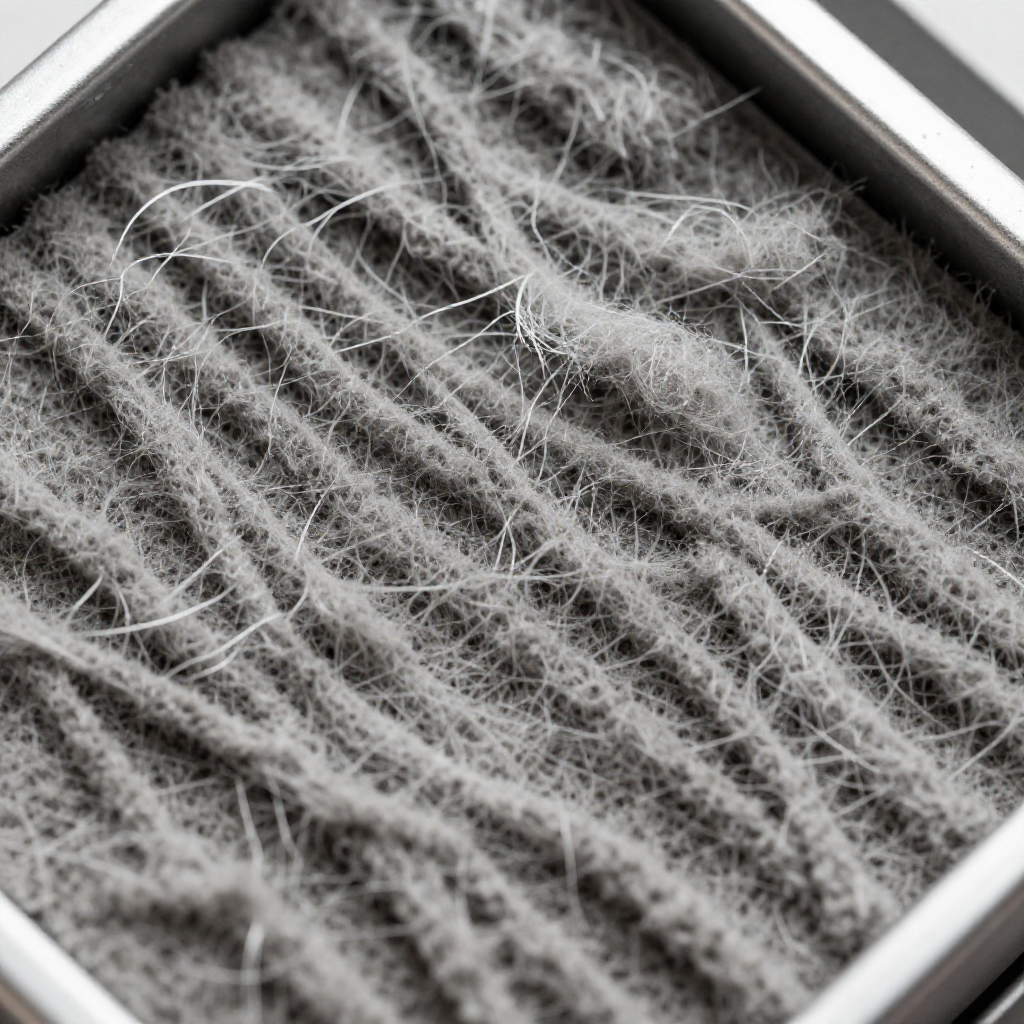
Clean the Lint Filter and Vent Hose

Clean the Lint Filter and Vent Hose

Remove the lint filter and wash it with soapy water. Disconnect the vent hose from the dryer and vacuum out any lint buildup inside the hose and dryer outlet.

visibility3. Visual Guidance

See what's happening and how to try the first recovery step.
1
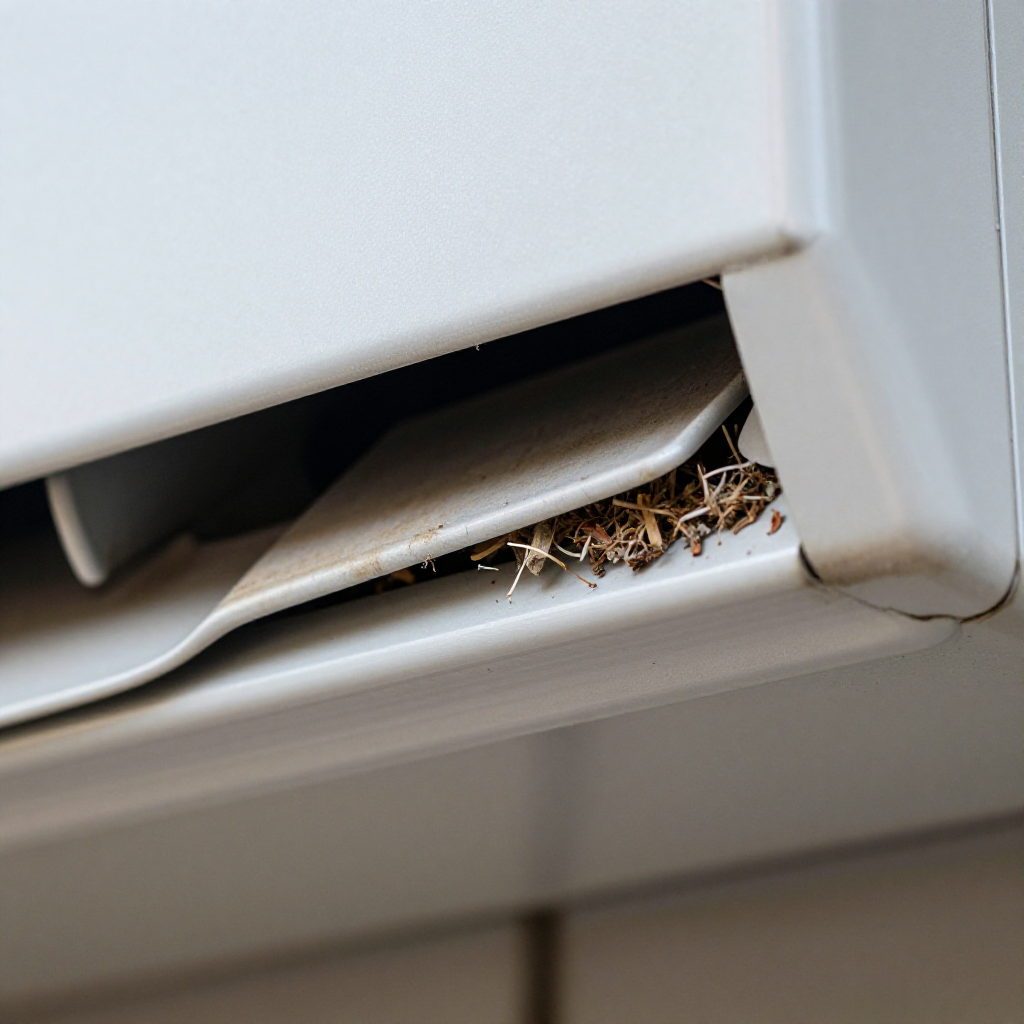
Step 1: Check the Outdoor Vent Hood
Check the Outdoor Vent HoodGo outside and inspect the dryer vent hood. Remove any bird nests, lint clumps, or debris blocking the flap. Ensure the flap opens freely.
2
Step 2: Test the Heating Element
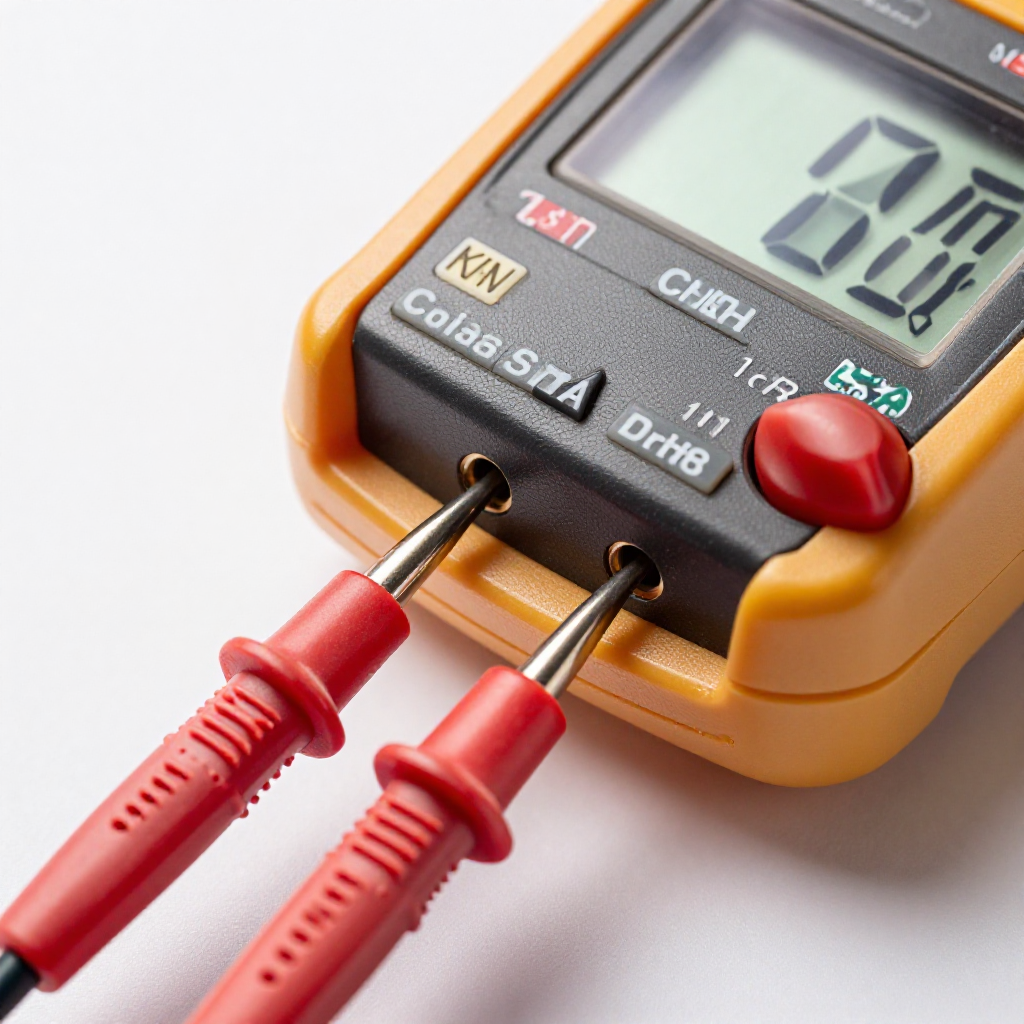
Test the Heating ElementUnplug the dryer. Access the heating element housing (usually behind a rear panel). Use a multimeter to check for continuity across the element terminals. No continuity means it's burned out.
3
Step 3: Inspect the Thermostat and Thermal Fuse
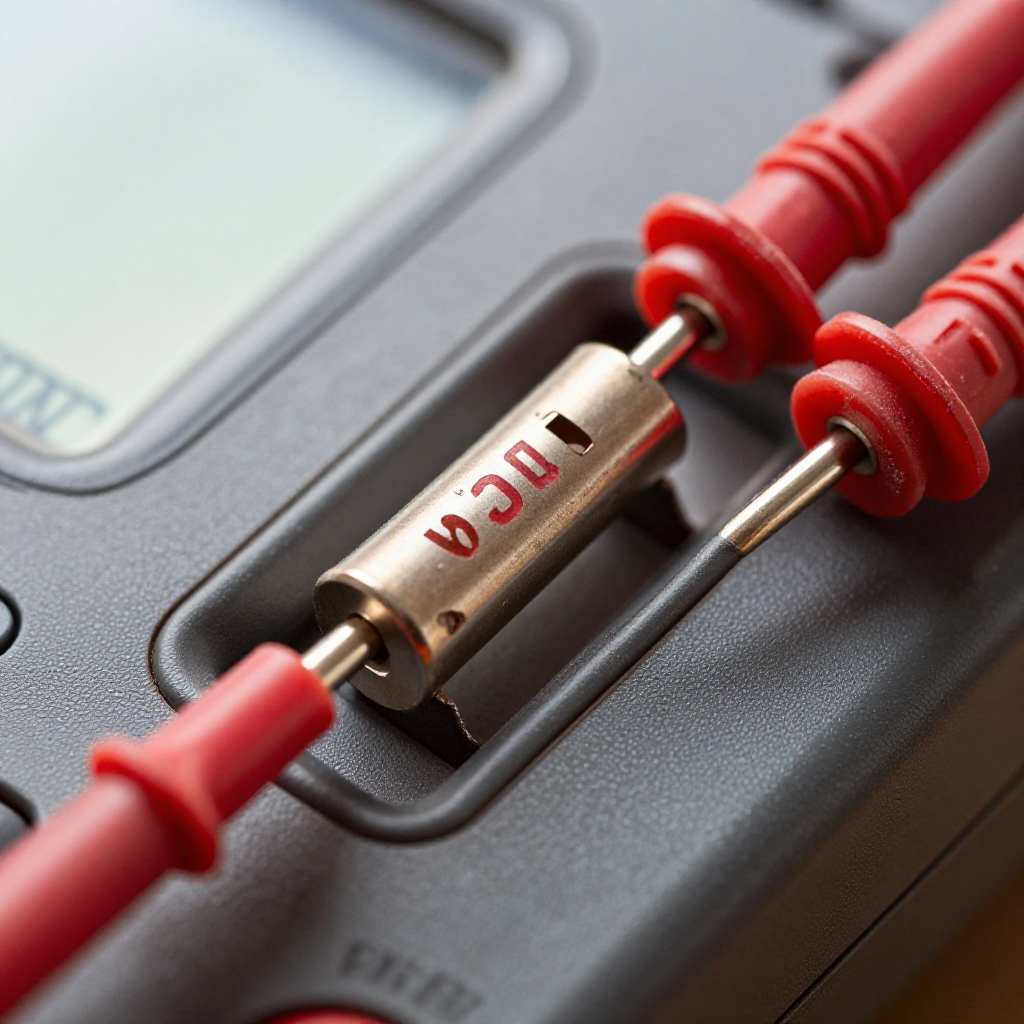
Inspect the Thermostat and Thermal FuseLocate the thermostat and thermal fuse on the blower housing or heating element. Test each for continuity. Replace any that are open (no continuity).
4
Step 4: Reassemble and Run a Test Cycle
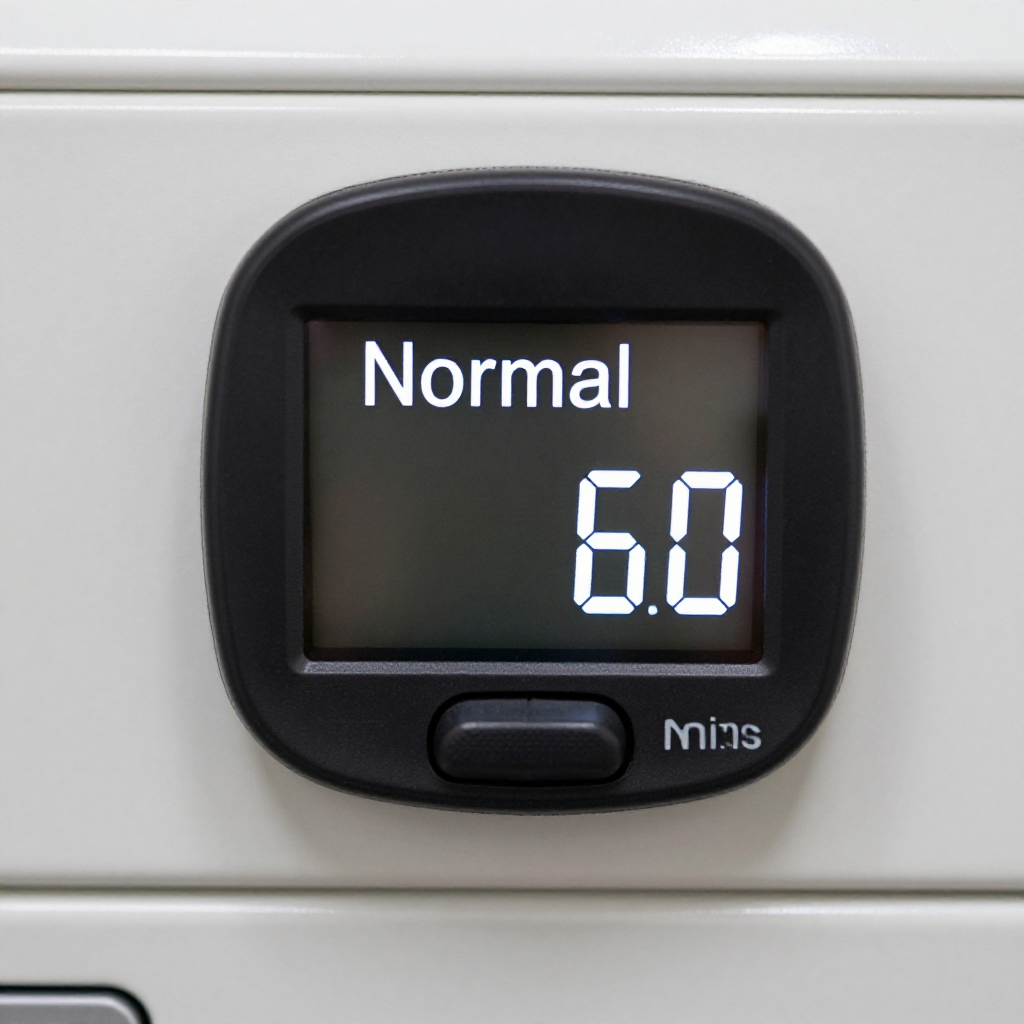
Reassemble and Run a Test CycleReattach all panels and reconnect the vent hose. Run a full drying cycle with a small load. Check if clothes dry completely in one cycle.

autorenew4. If That Doesn't Work

Try the next recovery options.

Replace the Heating ElementIf the dryer blows cool air, the heating element may be burned out. Replace it with a compatible part.
chevron_right

Frequently Asked Questions

How often should I clean the dryer vent?expand_more
At least once a year. If you dry heavy loads frequently, clean every six months to prevent lint buildup and reduce fire risk.
Can a clogged vent cause the dryer to overheat?expand_more
Yes, restricted airflow traps heat inside the dryer, which can trip the thermal fuse or damage the heating element.
Why does my dryer stop mid-cycle?expand_more
A tripped thermal fuse or a faulty thermostat will cut power to the heater, causing the dryer to stop before clothes are dry.
Do I need special tools to test the heating element?expand_more
You'll need a multimeter and a screwdriver. A multimeter costs around $20 and is essential for diagnosing electrical parts.

warning5. Stop DIY If

Don't continue if any of these apply.

reportYou smell burning plastic or see smoke from the dryer
reportThe vent hose is crushed or severely kinked
reportYou are uncomfortable working with electrical components
Still stuck?Get personalized help with AI Recovery.

Same Device Recovery States

Device index arrow_forward

Similar Failure Pattern

This page provides general DIY guidance.
If you're unsure, it's always best to consult a professional.