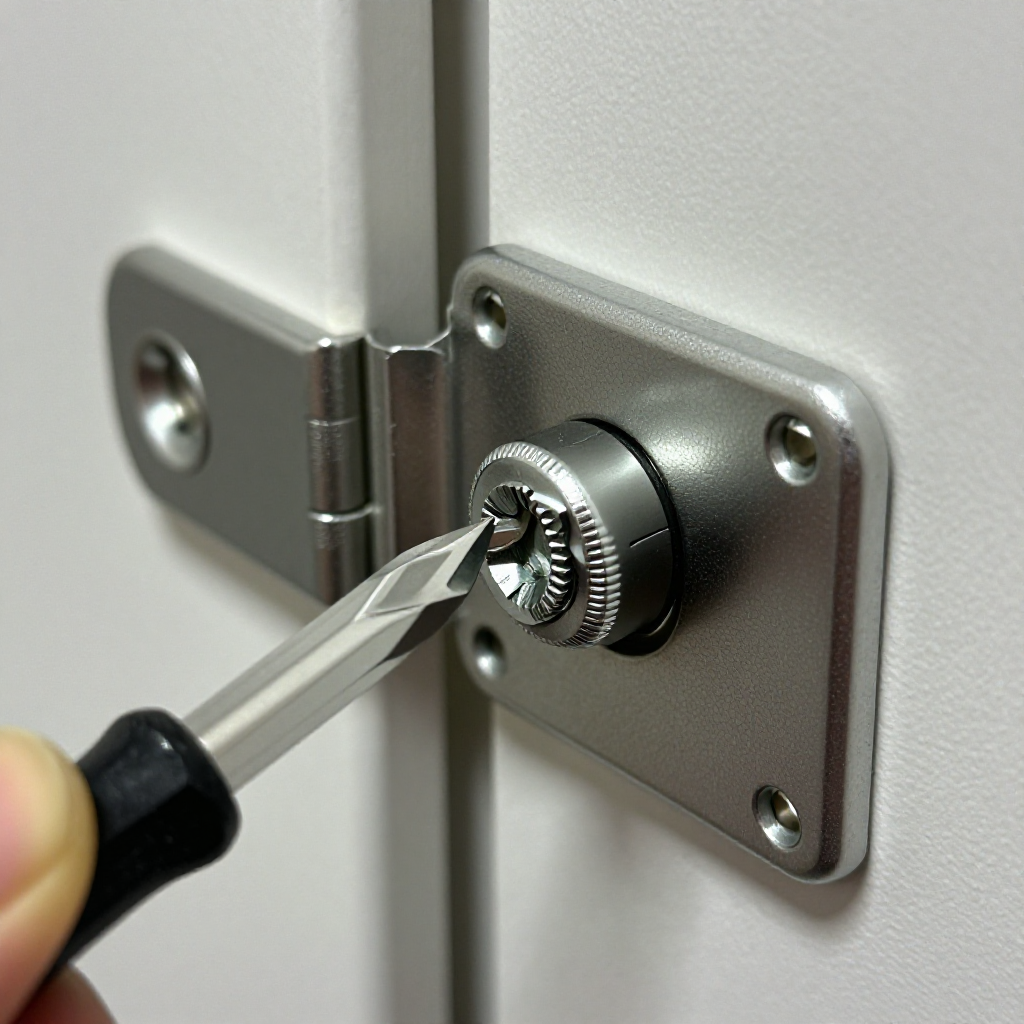
STUCKFIX
handymanDIY Friendly
door_front

Door Closer Slams Shut or Won't Close All the Way

A pneumatic door closer that slams or stops short needs adjustment, not replacement. The fix is turning two small screws — if you haven't cranked them the wrong way yet.

Category:Doors & Windows
Difficulty:Easy
Time:10-15 min
Success:50%
Updated:May 23, 2026

quick_referenceQuick Answer

For Door Closer Slams Shut or Won't Close All the Way, start with "Find the adjustment screws and turn them a quarter turn at a time": Stop adjusting the arm bracket or tightening the mounting screws — that won't change door speed. Look at the body of the closer (the rectangular box mounted on the door or frame). You'll see two small flathead screws, usually labeled 'S' for swing speed and 'L' for latch speed, on the end face or side. Turn them clockwise to slow the door down, counterclockwise to speed it up. Start with a quarter turn, test, repeat. Don't back the screw all the way out — hydraulic fluid will leak and the closer is junk. Stop DIY if the door is a fire-rated door in a commercial building or apartment — closer adjustments must meet fire code specs. This is listed as a easy recovery and usually takes about 10-15 min.

verifiedGuide Snapshot

Repair areaDoors & Windows
Estimated time10-15 min
DifficultyEasy
Stop conditions3

Last updated May 23, 2026. Review the stop conditions before continuing.

account_treeRecovery State

DeviceDoor
Current stateCloser Malfunction
Specific stateSlams Shut Or Stops Short
Failed stepDoor Closing
Likely failure typeWorn Part
DIY boundaryDIY recovery first
paymentsCost decision

help1. Understand the Problem

Door closers use hydraulic fluid and springs to control the door's speed through two phases: swing speed (the main travel) and latch speed (the last few inches). Each is adjusted by a separate valve screw. A door that slams has usually lost fluid from a leaky seal, or someone turned the adjustment screws the wrong way trying to fix it. A door that stops short often has the latch speed valve closed too far, or the closer arm was reinstalled wrong after painting.

build_circle2. Try This First
Best First Step
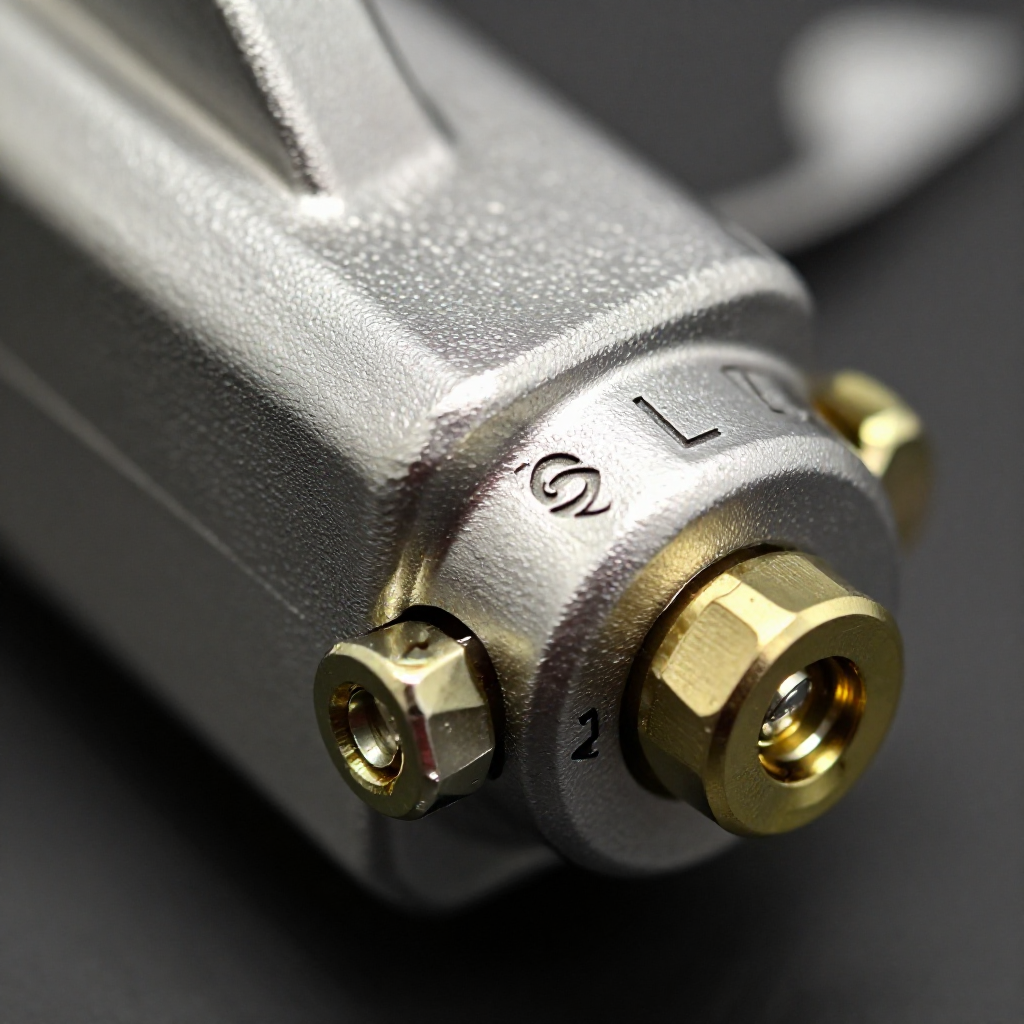
Find the adjustment screws and turn them a quarter turn at a time

Find the adjustment screws and turn them a quarter turn at a time

Stop adjusting the arm bracket or tightening the mounting screws — that won't change door speed. Look at the body of the closer (the rectangular box mounted on the door or frame). You'll see two small flathead screws, usually labeled 'S' for swing speed and 'L' for latch speed, on the end face or side. Turn them clockwise to slow the door down, counterclockwise to speed it up. Start with a quarter turn, test, repeat. Don't back the screw all the way out — hydraulic fluid will leak and the closer is junk.

visibility3. Visual Guidance

See what's happening and how to try the first recovery step.
1
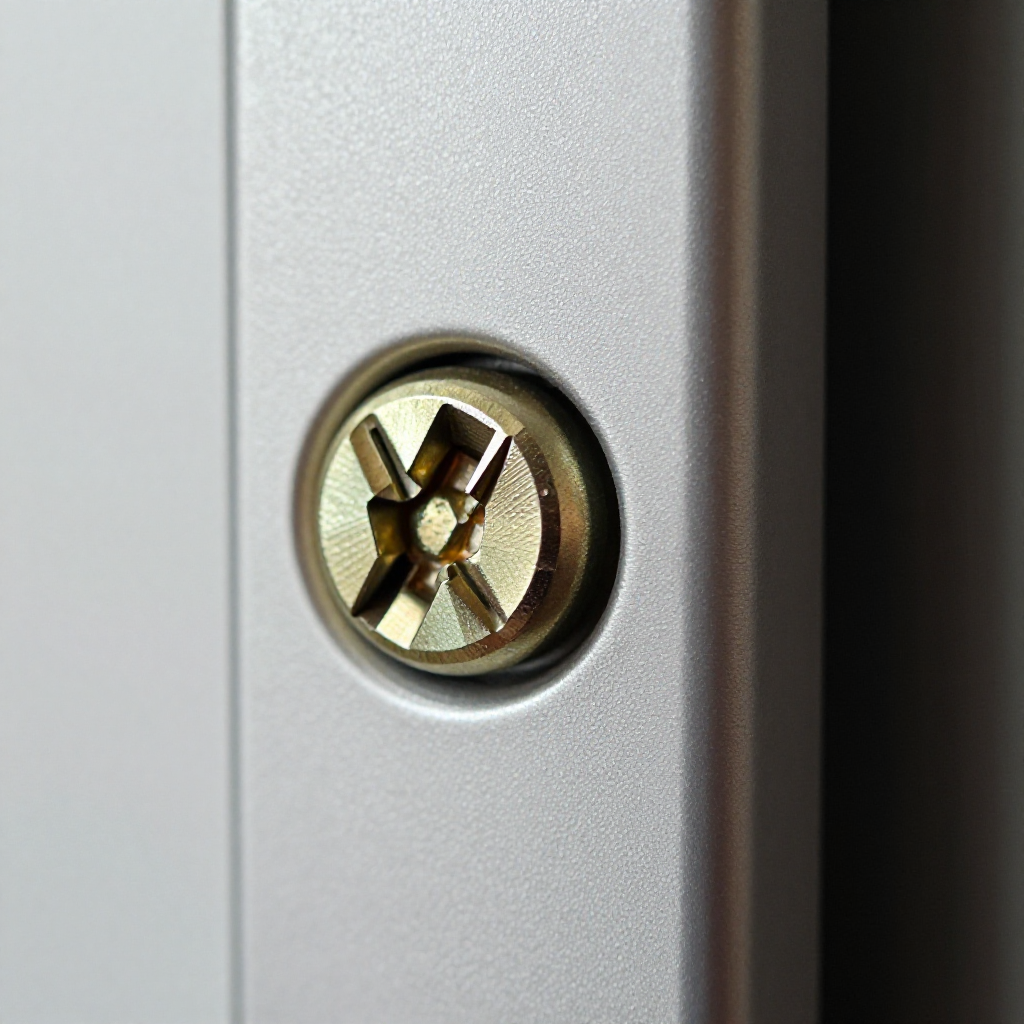
Set the swing speed first — the main travel from open to 6 inches
Set the swing speed first — the main travel from open to 6 inchesOpen the door about 90 degrees and let it go. Watch how it travels. The swing speed screw controls everything from fully open down to about 6 inches from the frame. Turn 'S' clockwise a quarter turn if it's too fast, counterclockwise if too slow. The door should close smoothly and take about 4-6 seconds from 90 degrees to nearly shut.
2
Adjust the latch speed for the final inches
Adjust the latch speed for the final inchesOnce the swing speed is right, the door probably either slams the last few inches or stops short and won't latch. The 'L' screw controls this final phase. Turn clockwise to reduce slam, counterclockwise to increase force so the door actually latches. The goal is a firm click into the strike plate, not a bounce.
3
Check for oil leaks and verify the closer arm geometry
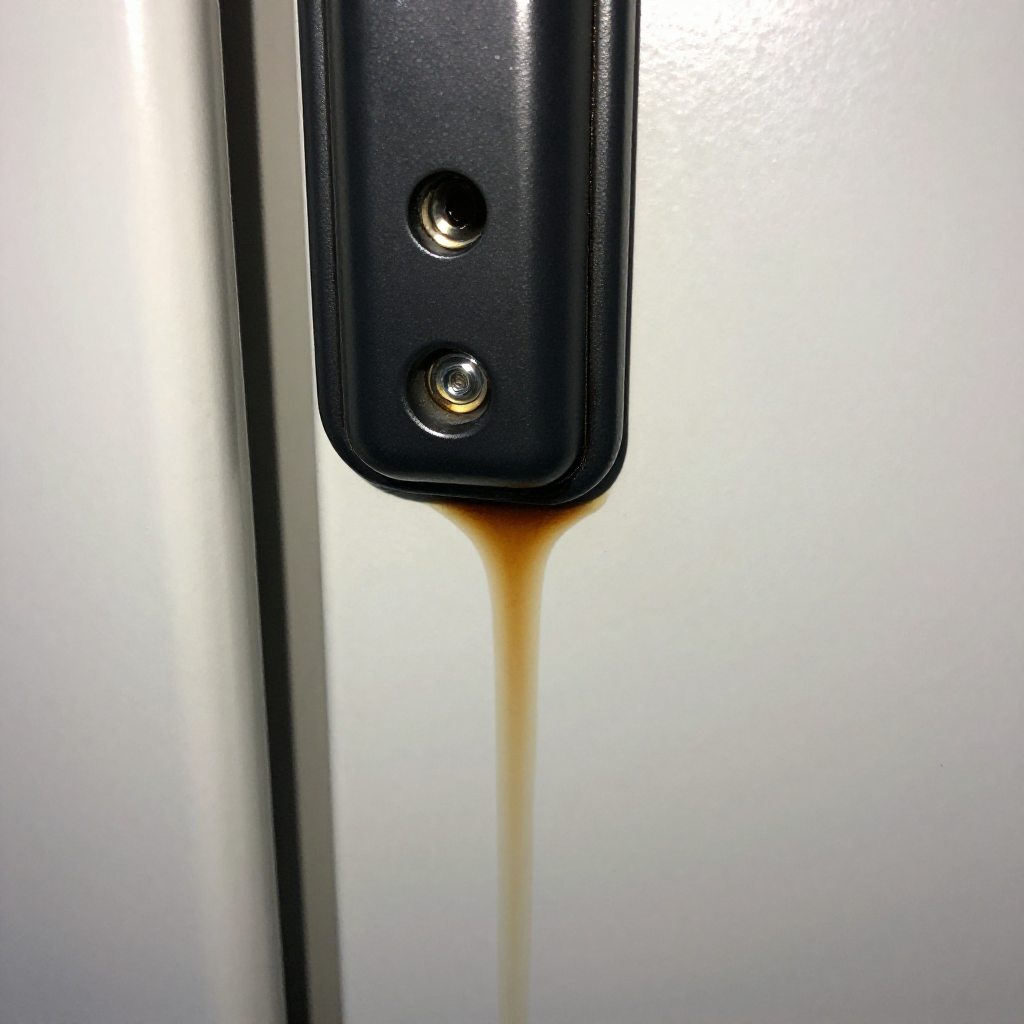
Check for oil leaks and verify the closer arm geometryIf adjustments don't fix the problem, run your finger along the bottom of the closer body. If it comes back oily, the internal seal has failed and fluid is leaking — the closer needs replacement. Also check the arm: the shoe (the plastic piece that slides in the track) should move freely, and the arm should be installed at the correct preload angle. If the door was taken off for painting, the arm may have been reinstalled wrong.

autorenew4. If That Doesn't Work

Try the next recovery options.

swap_horiz
Replace the closer if it's leaking or more than 15 years oldHydraulic door closers aren't rebuildable by DIYers. If the adjustment screws do nothing or there's fluid leaking, buy a new one. They're $25-50 and mount with four screws. Match the size: closers are rated by door weight and width (size 1 through 6).
chevron_right
cleaning_bucket
Clean and lubricate the arm track and shoeIf the door is jerky or has stiff spots during travel, the sliding shoe in the track arm is binding. Remove the arm, clean the track with alcohol, and lubricate the shoe and track with dry silicone spray. Don't use grease — it collects dirt.
chevron_right

Frequently Asked Questions

I turned the adjustment screw all the way but nothing changed. What's wrong?expand_more
The closer has lost its hydraulic fluid. Once the fluid leaks out, the adjustment valves have nothing to regulate — the closer is dead. Look for oil stains on the body. Replace it; adjusting won't help.
How do I know what size door closer to buy as a replacement?expand_more
Check the label on your existing closer for a size number (1-6) or weight rating. If there's no label, measure your door: interior doors are usually size 2-3, exterior residential doors size 3-4, and heavy solid-core doors size 4-5.
Can I make the door close faster to keep the AC in?expand_more
Yes, but don't go faster than about 4 seconds from 90 degrees. Faster than that and the door slams, stresses the hinges, and can injure someone walking through. If you need it to close faster for HVAC reasons, consider a spring hinge instead.
The closer arm keeps loosening from the door frame. How do I fix that?expand_more
The screw holes are stripped in the door or frame. Remove the bracket, fill the holes with toothpicks and wood glue, let it dry, then re-drill and reinstall. For metal doors, use larger self-tapping screws or rivet nuts.

warning5. Stop DIY If

Don't continue if any of these apply.

reportThe door is a fire-rated door in a commercial building or apartment — closer adjustments must meet fire code specs.
reportThe closer body is cracked, the mounting screws are pulling out of the door, or the bracket is bent.
reportThe door itself is damaged, sagging, or binding in the frame — the closer isn't the real problem.
Still stuck?Get personalized help with AI Recovery.

Related Recovery Problems

View all arrow_forward

Same Device Recovery States

Device index arrow_forward

Similar Failure Pattern

This page provides general DIY guidance.
If you're unsure, it's always best to consult a professional.