STUCKFIX
handymanDIY Friendly
sanitizer

Dishwasher Smells Like Rotten Eggs After Every Cycle

A dishwasher that stinks up the kitchen defeats the purpose of cleaning dishes. Track down where the rotten-egg smell is coming from and eliminate it so your kitchen stays fresh.

Category:Kitchen
Difficulty:Easy
Time:15 min
Success:50%
Updated:May 28, 2026

quick_referenceQuick Answer

For Dishwasher Smells Like Rotten Eggs After Every Cycle, start with "Clean the filter and clear standing water from the sump": Stop running cycles until you fix this — the smell means bacteria are actively multiplying. Pull the bottom rack out. Twist and lift the cylindrical filter assembly from the floor of the tub. Rinse it under hot water with a stiff brush until you can see through every mesh opening. Reach into the sump below the filter and scoop out any food chunks, glass bits, or sludge. Pour a cup of white vinegar into the sump and let it sit for 10 minutes before wiping it out. Stop DIY if you smell natural gas or sewer gas that gets stronger when the dishwasher is off — this is a plumbing vent issue, not a dishwasher problem. This is listed as a easy recovery and usually takes about 15 min.

verifiedGuide Snapshot

Repair areaKitchen
Estimated time15 min
DifficultyEasy
Stop conditions3

Last updated May 28, 2026. Review the stop conditions before continuing.

account_treeRecovery State

Current stateBad Smell
Specific stateRotten Egg Odor
Failed stepDrain Cycle
Likely failure typeBlocked Path
DIY boundaryDIY recovery first
paymentsCost decision

help1. Understand the Problem

A rotten-egg smell from a dishwasher is almost always hydrogen sulfide gas produced by bacteria breaking down trapped food particles in stagnant water. This commonly happens when the drain hose is kinked or looped wrong, the filter hasn't been cleaned in months, or there's standing water in the sump that never fully pumps out. The smell can also come from a dry P-trap under the sink if the dishwasher shares the sink drain line.

build_circle2. Try This First
Best First Step
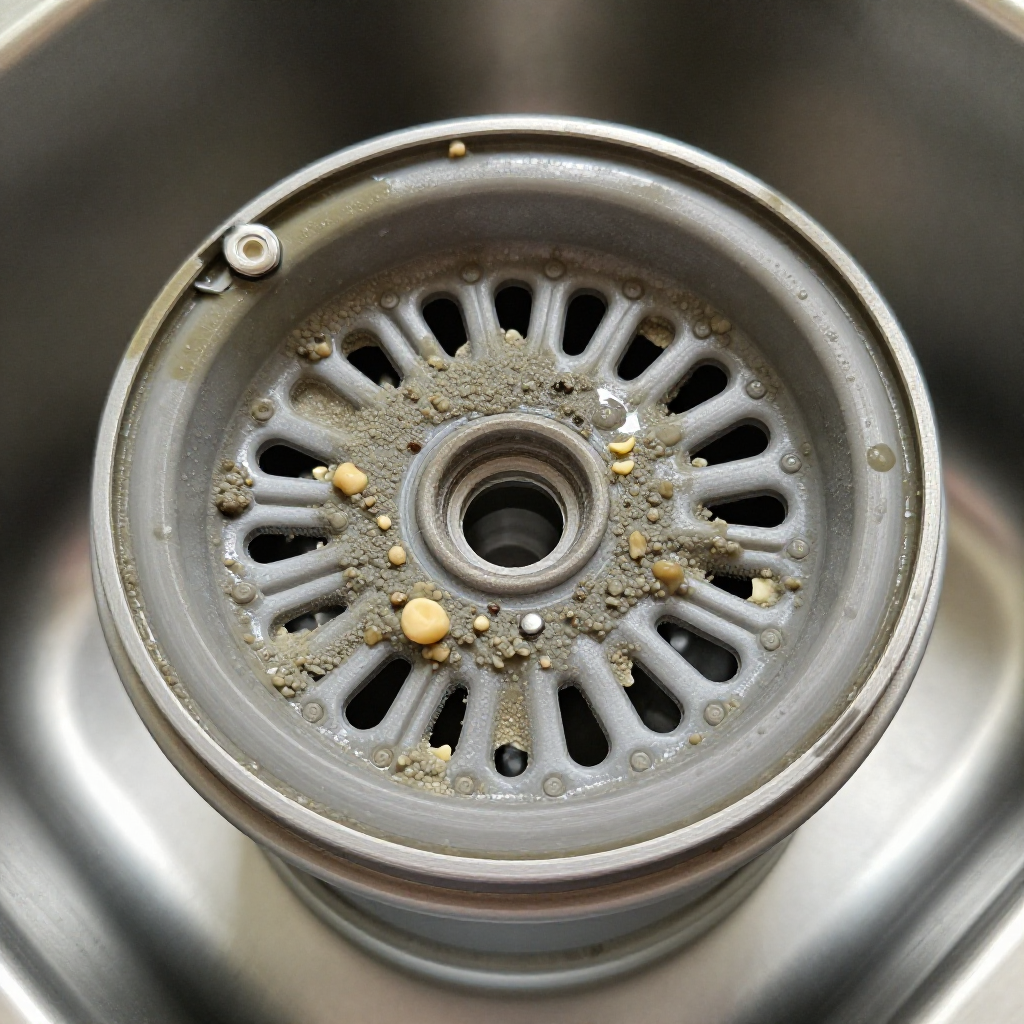
Clean the filter and clear standing water from the sump

Clean the filter and clear standing water from the sump

Stop running cycles until you fix this — the smell means bacteria are actively multiplying. Pull the bottom rack out. Twist and lift the cylindrical filter assembly from the floor of the tub. Rinse it under hot water with a stiff brush until you can see through every mesh opening. Reach into the sump below the filter and scoop out any food chunks, glass bits, or sludge. Pour a cup of white vinegar into the sump and let it sit for 10 minutes before wiping it out.

visibility3. Visual Guidance

See what's happening and how to try the first recovery step.
1
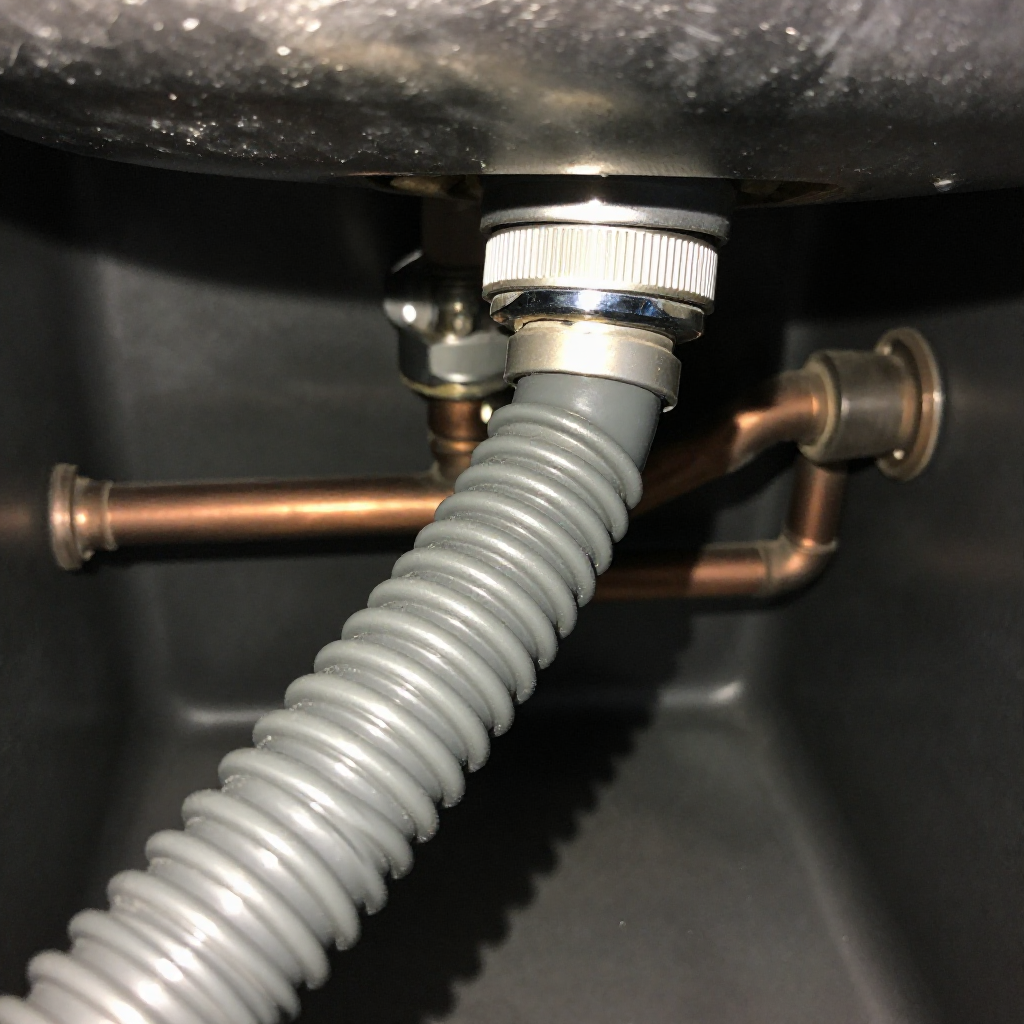
Check the drain hose loop for proper height
Check the drain hose loop for proper heightThe drain hose must rise to at least 20 inches above the floor and form a high loop before connecting to the sink drain or garbage disposal. If the hose is lying flat or sagging, sink water can backflow into the dishwasher. Secure the high loop with a clip or zip tie to the underside of the countertop.
2
Remove and clean the spray arms
Remove and clean the spray armsPop the lower spray arm off its hub — most twist off by hand or have a single center nut. Run hot water through the arm to backflush debris. Use a toothpick or needle to clear each spray jet hole. If jets are clogged with hard-water scale, soak the arm in white vinegar for 30 minutes. Reinstall and spin by hand to confirm it rotates freely.
3
Run an empty cleaning cycle with vinegar
Run an empty cleaning cycle with vinegarPlace a dishwasher-safe bowl filled with two cups of white vinegar on the top rack. Run the hottest, longest cycle with no detergent and no dishes. The vinegar kills odor-causing bacteria and dissolves mineral buildup throughout the pump and spray arms. After the cycle, leave the door cracked open for an hour to let residual moisture evaporate.

autorenew4. If That Doesn't Work

Try the next recovery options.

science
Pour baking soda and vinegar directly into the sumpIf the filter clean didn't stop the smell, sprinkle half a cup of baking soda across the sump floor, then pour one cup of vinegar on top. Let it foam for 15 minutes, then run a rinse-only cycle. The reaction scrubs biofilm from the pump housing that a filter clean can't reach.
chevron_right
plumbing
Inspect the drain check valveIf the smell comes back within hours, the drain check valve inside the pump housing may be stuck open, letting sink water backflow. Remove the lower access panel and locate the rubber flapper where the drain hose attaches to the pump. Clean it or replace it if it's stiff or cracked.
chevron_right
swap_horiz
Replace the drain hose if coated with biofilmA drain hose that's been used for years can develop a permanent biofilm layer on the inside walls that vinegar won't touch. Replacement hose costs about $15 and takes ten minutes to swap. Cut the old hose open after removal — if the inside walls are black and slimy, that was your smell source.
chevron_right

Frequently Asked Questions

Why does my dishwasher only smell bad on the first cycle of the day?expand_more
Stagnant water sits in the sump overnight. Bacteria multiply while the machine is idle, producing hydrogen sulfide gas that gets released when you first open the door. Cleaning the filter and running a sanitize cycle fixes this in most cases.
Can I use bleach to clean a smelly dishwasher?expand_more
Do not use bleach if your dishwasher has a stainless steel interior — it pits and corrodes the metal. White vinegar or a commercial dishwasher cleaner is safer for stainless steel. If you have a plastic tub, you can use a diluted bleach solution, but rinse thoroughly before running a normal load.
Will a lemon or baking soda in the dishwasher fix the smell?expand_more
Lemon peels and baking soda mask odors temporarily but do not kill the bacteria causing the smell. The filter and sump need to be physically cleaned. Baking soda used as a paste on the filter helps, but tossing it in loose won't reach the problem areas.

warning5. Stop DIY If

Don't continue if any of these apply.

reportYou smell natural gas or sewer gas that gets stronger when the dishwasher is off — this is a plumbing vent issue, not a dishwasher problem.
reportThere is water pooled under the dishwasher cabinet or damage to the flooring below.
reportYou see electrical wiring with cracked insulation or burn marks near the pump or heating element.
Still stuck?Get personalized help with AI Recovery.

Related Recovery Problems

View all arrow_forward

Same Device Recovery States

Device index arrow_forward

Similar Failure Pattern

This page provides general DIY guidance.
If you're unsure, it's always best to consult a professional.