STUCKFIX
handymanDIY Friendly
dishwasher_gen

Dishwasher Leaving White Film and Grit on Dishes

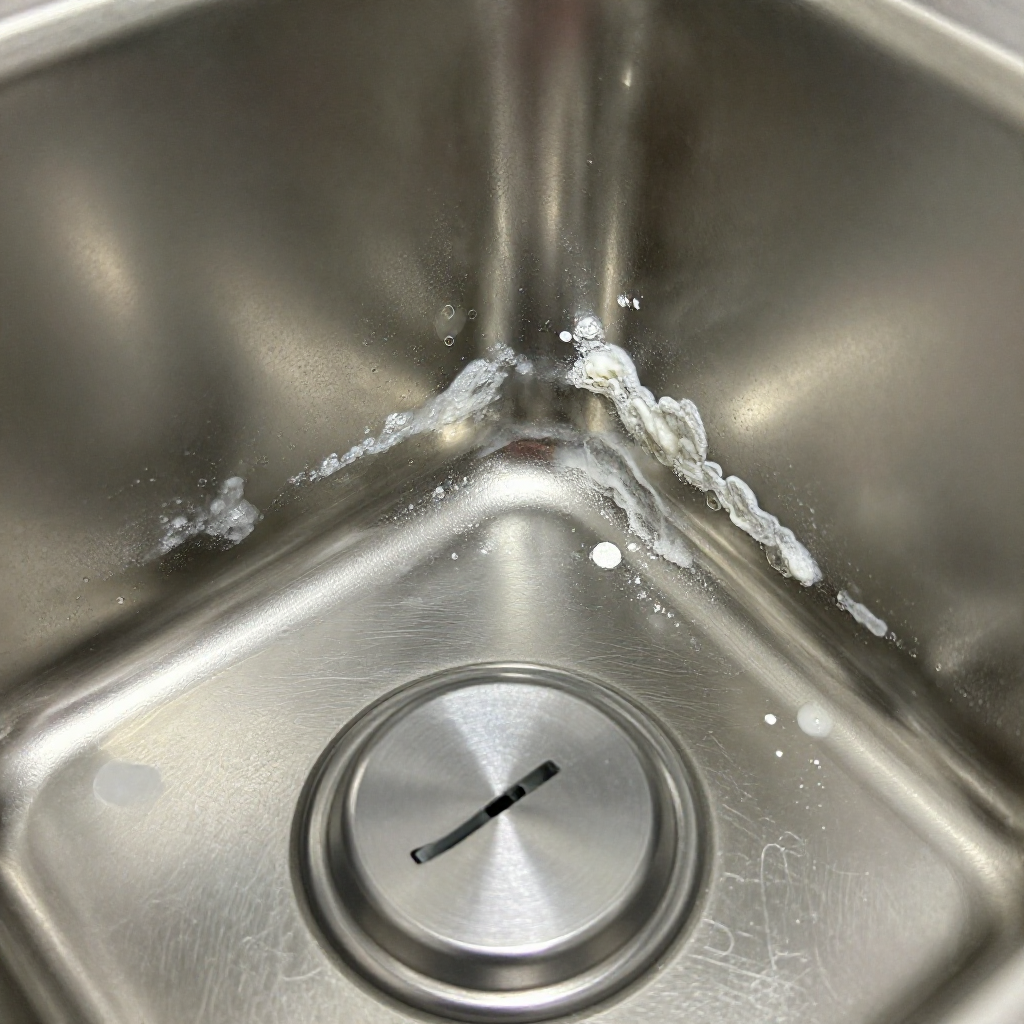
Your dishwasher runs a full cycle but dishes come out with a chalky white film or gritty residue. This is usually hard water buildup or a clogged filter, not a broken machine.

Category:Appliances
Difficulty:Easy
Time:20-30 min
Success:50%
Updated:May 23, 2026

quick_referenceQuick Answer

For Dishwasher Leaving White Film and Grit on Dishes, start with "Clean the filter and check your water temperature before chasing parts": Don't start shopping for a new dishwasher. Pull out the bottom rack, find the filter assembly (usually a cylindrical twist-out part in the floor of the tub), and remove it. Rinse it under hot water with a scrub brush until you can see through the mesh again. While you're in there, scoop out any debris from the sump area. Then run your kitchen faucet until it's hot, put a thermometer under the stream — if it's under 120°F, your dishwasher will never clean properly no matter what detergent you use. Stop DIY if water is leaking from the dishwasher door or underneath the unit onto the floor. This is listed as a easy recovery and usually takes about 20-30 min.

verifiedGuide Snapshot

Repair areaAppliances
Estimated time20-30 min
DifficultyEasy
Stop conditions4

Last updated May 23, 2026. Review the stop conditions before continuing.

account_treeRecovery State

Current stateNot Cleaning
Specific stateWhite Film Gritty Residue
Failed stepWash Cycle
Likely failure typeMineral Buildup
DIY boundaryDIY recovery first
paymentsCost decision

help1. Understand the Problem

White film on dishes is almost always hard water mineral deposits — calcium and magnesium that the detergent couldn't dissolve because the water wasn't hot enough or there wasn't enough rinse aid. Gritty residue is different: that's food particles recirculating because the filter is clogged or the spray arms are blocked. These two problems often happen together because neglected filters reduce water pressure, which makes the hard water problem worse.

build_circle2. Try This First
Best First Step
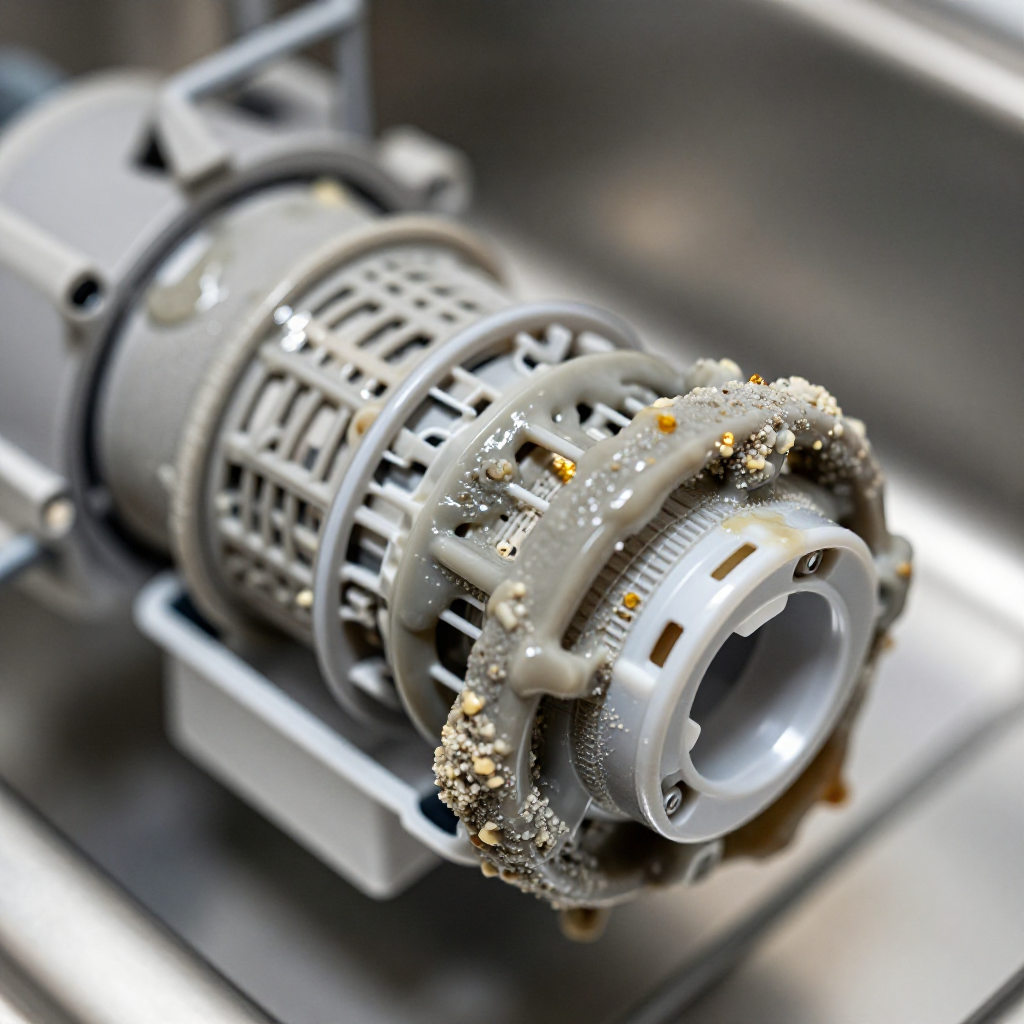
Clean the filter and check your water temperature before chasing parts

Clean the filter and check your water temperature before chasing parts

Don't start shopping for a new dishwasher. Pull out the bottom rack, find the filter assembly (usually a cylindrical twist-out part in the floor of the tub), and remove it. Rinse it under hot water with a scrub brush until you can see through the mesh again. While you're in there, scoop out any debris from the sump area. Then run your kitchen faucet until it's hot, put a thermometer under the stream — if it's under 120°F, your dishwasher will never clean properly no matter what detergent you use.

visibility3. Visual Guidance

See what's happening and how to try the first recovery step.
1
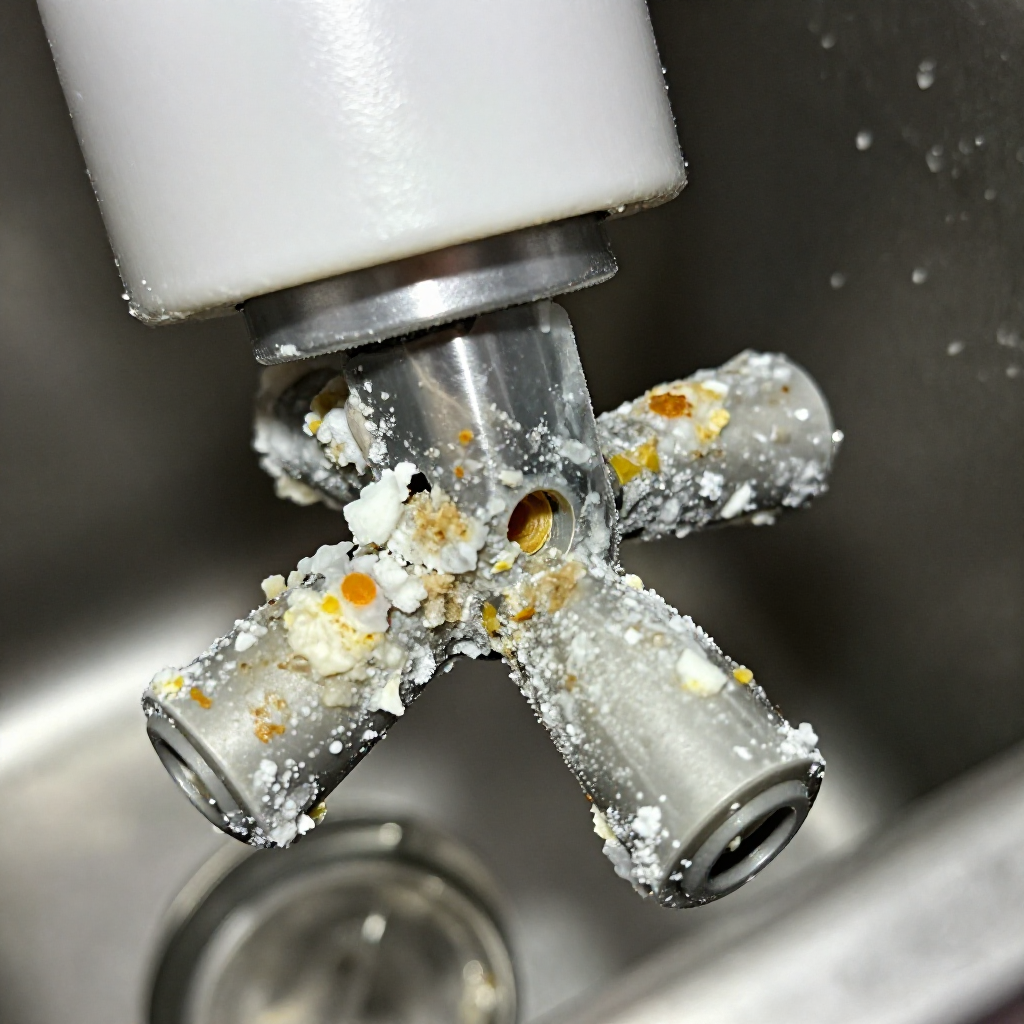
Clean the spray arms and check for blocked nozzles
Clean the spray arms and check for blocked nozzlesThe upper and lower spray arms have small holes that clog with mineral deposits and food particles. Remove both arms — they usually twist off or have a single center nut. Hold them under a faucet and use a toothpick or small wire to clear every hole. Shake them to make sure no loose debris is rattling inside.
2
Run a vinegar or citric acid cleaning cycle
Run a vinegar or citric acid cleaning cyclePlace a dishwasher-safe bowl filled with 2 cups of white vinegar on the top rack, or sprinkle a packet of citric acid (found in the canning aisle) across the bottom of the tub. Run the hottest, longest cycle with no dishes inside. This dissolves mineral scale from the heating element, spray arms, and internal lines.
3
Check the inlet valve screen and fill level
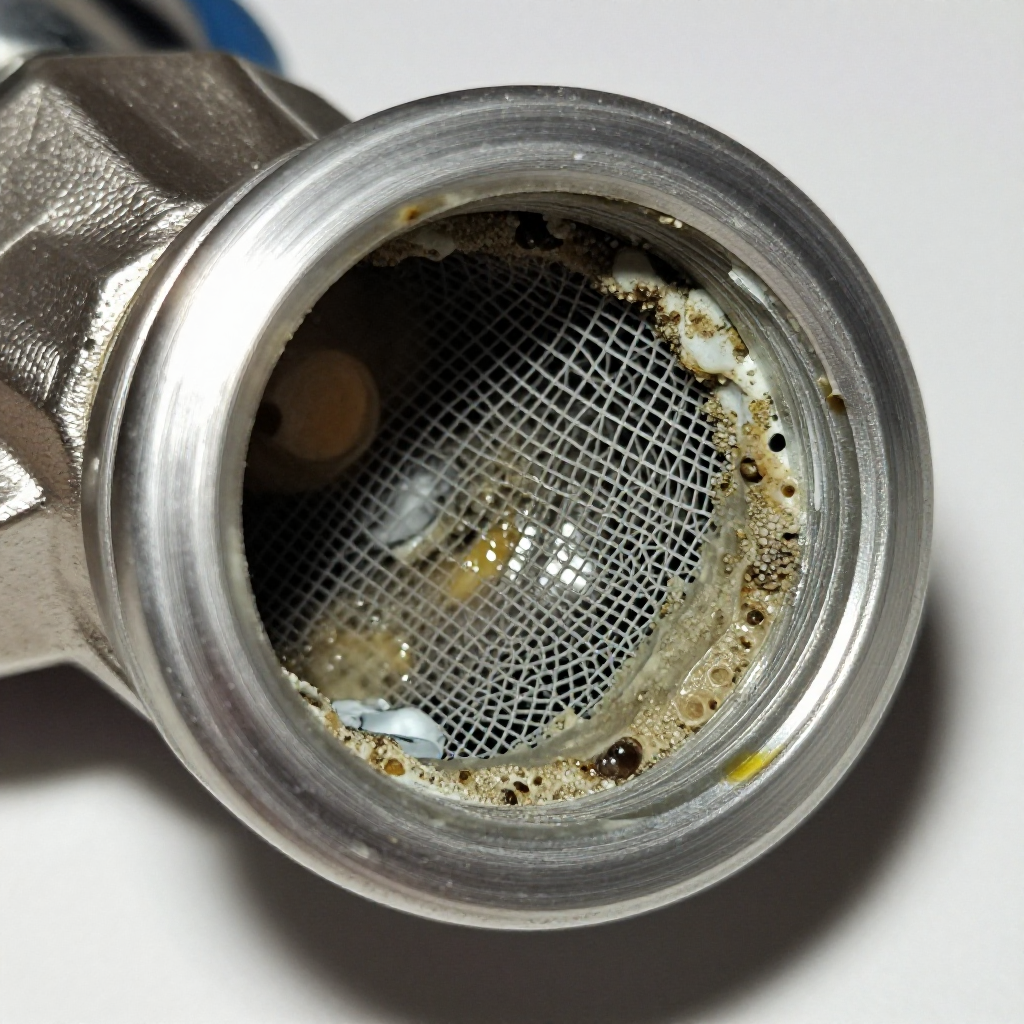
Check the inlet valve screen and fill levelIf the dishes are still dirty after cleaning everything, the dishwasher may not be getting enough water. The inlet valve (behind the lower front panel) has a small screen filter that can clog with sediment. Remove it, clean the screen, and reinstall. Then start a cycle, let it fill, open the door, and check that water covers the entire bottom of the tub.

autorenew4. If That Doesn't Work

Try the next recovery options.

cleaning_services
Switch to a detergent with water softenersIf you have hard water (above 10 grains), standard powder or liquid detergent won't cut it. Switch to a premium tab like Finish Quantum that includes built-in water softening agents and a rinse aid component.
chevron_right
opacity
Fill the rinse aid dispenser and adjust the settingThe rinse aid dispenser is often empty and ignored. Fill it with a liquid rinse aid like Jet-Dry and set the dial to a higher number if you have hard water. This alone fixes most white film problems.
chevron_right
water
Install a whole-house water softener or dishwasher-specific filterIf hard water is chronic and you're fighting scale in every appliance, a dedicated small water softener for the dishwasher line costs about $100 and installs under the sink.
chevron_right

Frequently Asked Questions

Why do my glasses come out cloudy even with a rinse aid?expand_more
Cloudy glass that doesn't wipe off with a finger is etching — permanent damage from too much detergent and too-soft water. If it wipes off, it's hard water scale. Reduce your detergent amount and make sure your water heater is set to at least 120°F.
How often should I clean my dishwasher filter?expand_more
Every month if you scrape but don't rinse dishes. Every 3 months if you rinse before loading. If you've never cleaned it and the dishwasher is over a year old, do it now — you'll be disgusted by what you find.
Can I use vinegar in every dishwasher cycle to prevent buildup?expand_more
No. Vinegar is acidic and over time can damage the rubber seals and gaskets inside your dishwasher. Use it once a month as a cleaning cycle, not every wash. Citric acid is safer for regular use.
My dishwasher is new and dishes are already coming out dirty. What gives?expand_more
Check that you're not overloading it and blocking the spray arms from spinning. Tall items in the bottom rack can stop the upper spray arm from rotating. Also make sure the detergent dispenser door isn't blocked by a pan or cookie sheet.

warning5. Stop DIY If

Don't continue if any of these apply.

reportWater is leaking from the dishwasher door or underneath the unit onto the floor.
reportThe heating element is visibly cracked, blistered, or shorted out.
reportYou smell burning plastic or see scorch marks inside the tub or on the control board.
reportThe dishwasher trips the breaker mid-cycle after cleaning the filter — this indicates an electrical fault.
Still stuck?Get personalized help with AI Recovery.

Related Recovery Problems

View all arrow_forward

Same Device Recovery States

Device index arrow_forward

Similar Failure Pattern

This page provides general DIY guidance.
If you're unsure, it's always best to consult a professional.