STUCKFIX
handymanDIY Friendly
dishwasher_gen

Dishwasher Starts Running but No Water Fills the Tub

A dishwasher that runs a cycle dry wastes detergent and bakes food onto dishes. Find why no water enters and fix it without pulling the machine from the cabinet.

Category:Appliances
Difficulty:Moderate
Time:30 minutes
Success:50%
Updated:May 26, 2026

quick_referenceQuick Answer

For Dishwasher Starts Running but No Water Fills the Tub, start with "Check the float switch inside the tub first": Stop running the dishwasher dry — the pump seal gets damaged without water. Open the door and look at the bottom front of the tub for a small plastic dome or cylinder — that's the float. Push it down with your finger. If it's stuck up, mineral gunk or debris is holding it. Clean around the float with vinegar on a rag so it moves freely. If the float was stuck, this alone may restore fill after one cycle. Stop DIY if you must remove the dishwasher completely and wires or hoses feel stuck — forcing them can damage connections inside the machine. This is listed as a moderate recovery and usually takes about 30 minutes.

verifiedGuide Snapshot

Repair areaAppliances
Estimated time30 minutes
DifficultyModerate
Stop conditions4

Last updated May 26, 2026. Review the stop conditions before continuing.

account_treeRecovery State

Current stateNot Filling
Specific stateNo Water Enters
Failed stepFill Cycle
Likely failure typeBlocked Path
DIY boundaryDIY recovery first
paymentsCost decision

help1. Understand the Problem

When a dishwasher starts and you can hear the motor running but no water enters, the problem is almost always in the water supply chain. Common causes include a kinked or pinched fill hose behind the unit, a clogged inlet screen on the water inlet valve, a failed inlet valve solenoid, or — on newer machines — a float switch stuck in the up position that tricks the control board into thinking the tub is already full.

build_circle2. Try This First
Best First Step
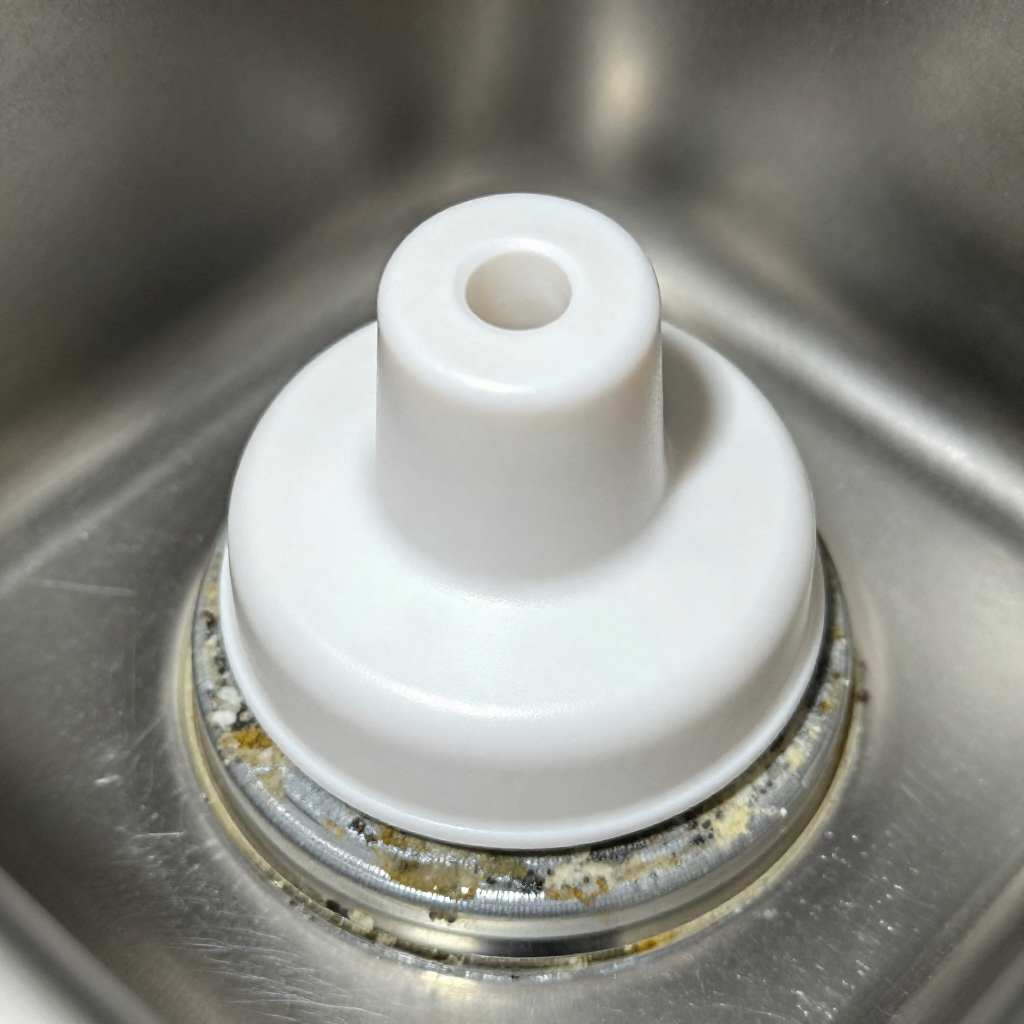
Check the float switch inside the tub first

Check the float switch inside the tub first

Stop running the dishwasher dry — the pump seal gets damaged without water. Open the door and look at the bottom front of the tub for a small plastic dome or cylinder — that's the float. Push it down with your finger. If it's stuck up, mineral gunk or debris is holding it. Clean around the float with vinegar on a rag so it moves freely. If the float was stuck, this alone may restore fill after one cycle.

visibility3. Visual Guidance

See what's happening and how to try the first recovery step.
1
Inspect the water supply line under the sink
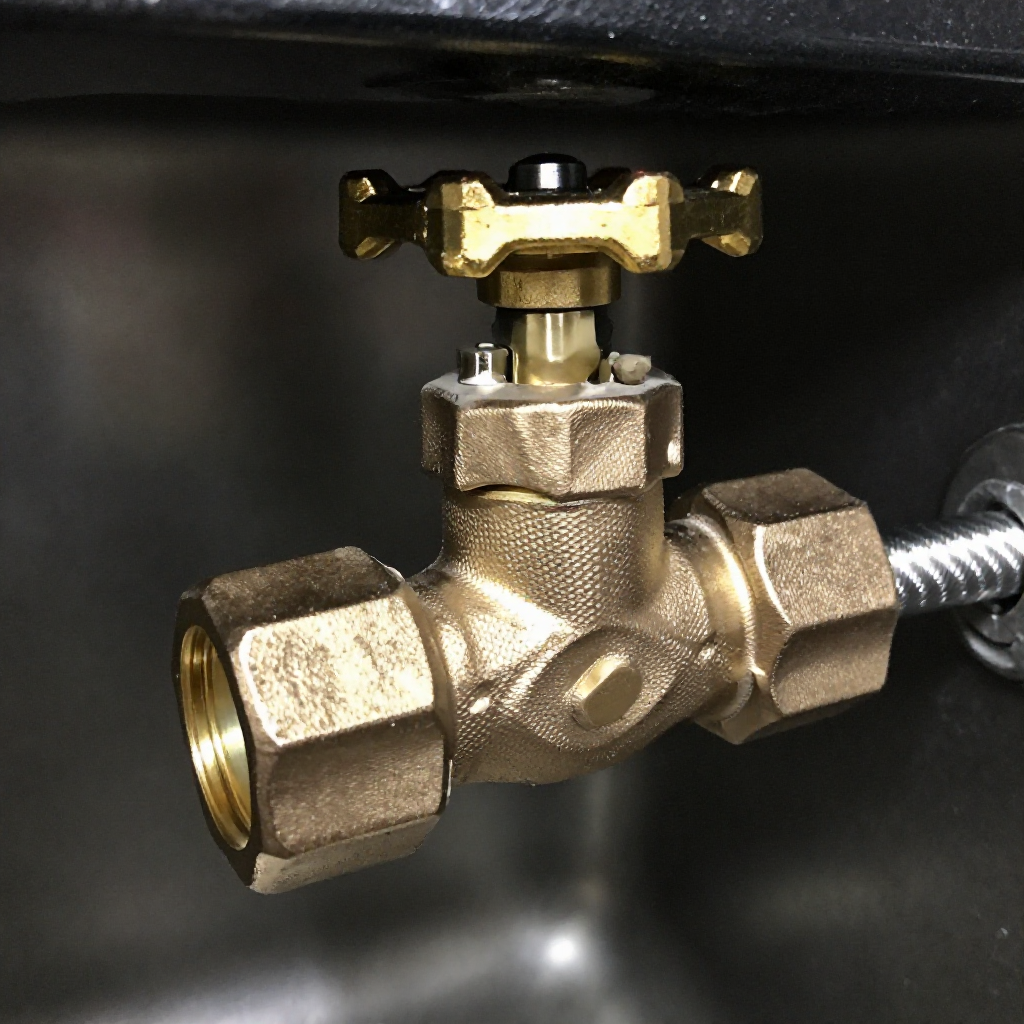
Inspect the water supply line under the sinkThe dishwasher typically connects to the hot water supply under the kitchen sink via a braided steel or copper line. Make sure the shutoff valve at that tee is fully open. If the line was recently pushed in, it may be kinked behind the dishwasher — gently pull the unit forward a few inches to check the hose routing.
2
Clean the water inlet valve screen
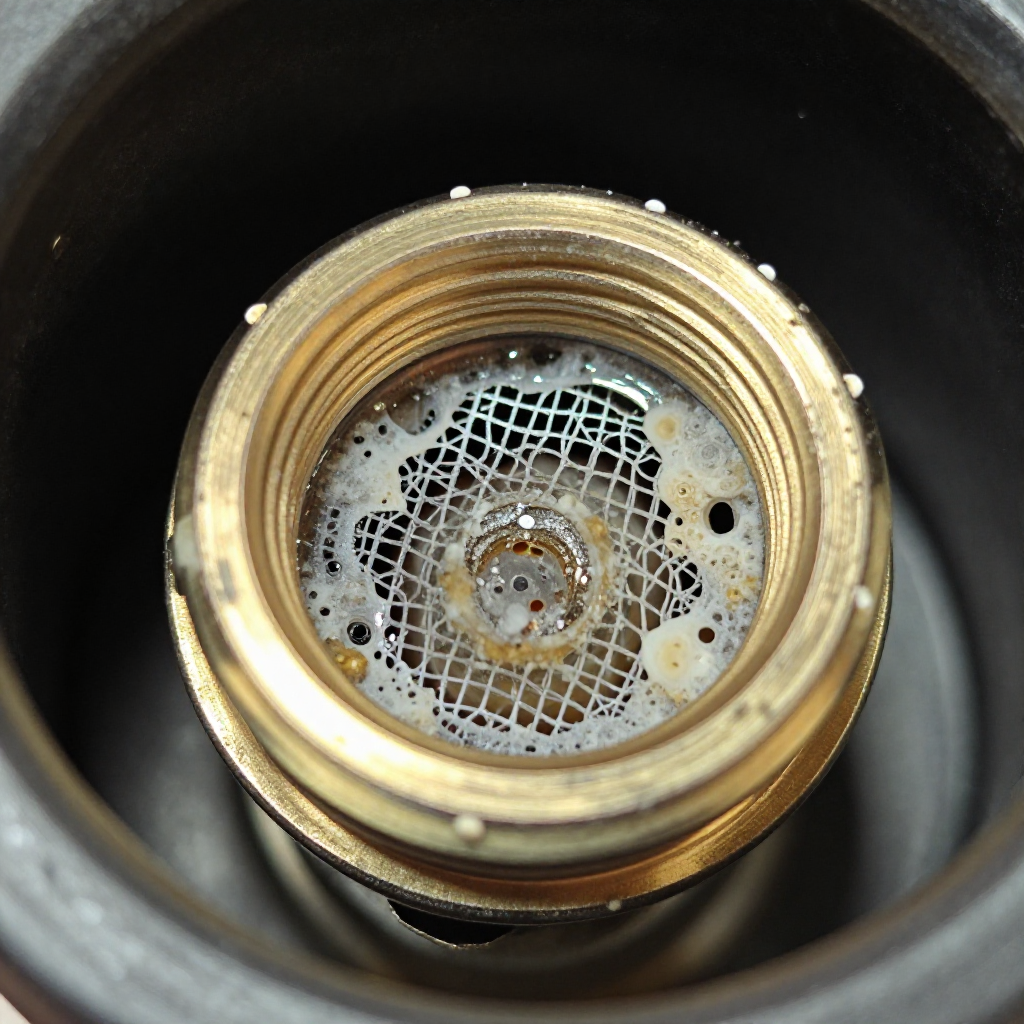
Clean the water inlet valve screenKill power to the dishwasher at the breaker first — water and electricity under the machine is a bad combination. Pull the dishwasher out enough to access the bottom front panel. Locate the water inlet valve where the supply hose connects. Disconnect the hose, and inside the valve port you will see a small mesh screen. If it is gummed up with sediment or hard water scale, pick it clean with a toothpick and rinse it under a faucet.
3
Test the inlet valve solenoid with a multimeter
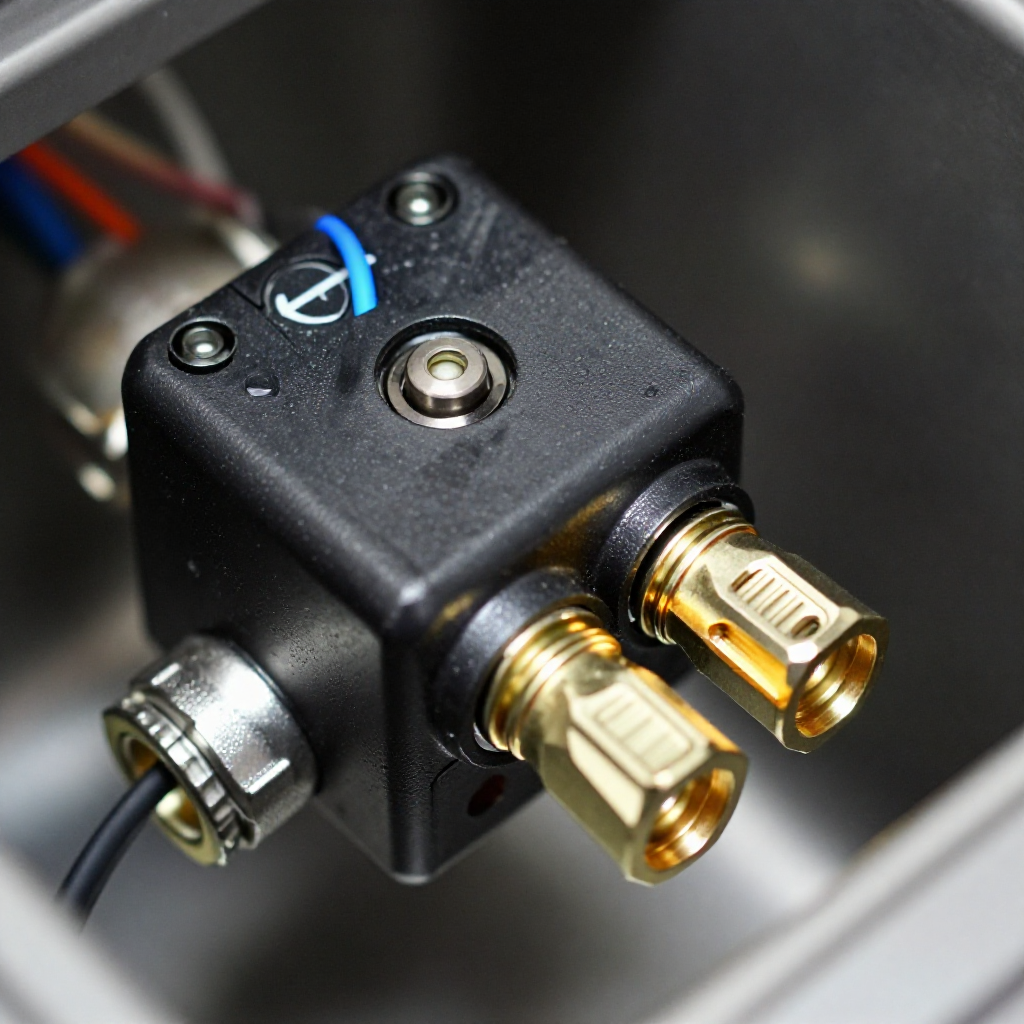
Test the inlet valve solenoid with a multimeterIf the float moves freely and the screen is clean, the solenoid on the inlet valve may have failed. With the power off, disconnect the two spade terminals from the valve and set your multimeter to continuity mode. Touch the probes to the two terminals. A good solenoid should show between 500 and 1500 ohms of resistance. An open circuit — infinite or OL reading — means the coil is burned out and you need a new inlet valve.

autorenew4. If That Doesn't Work

Try the next recovery options.

opacity
Pour a quart of water into the tub manuallyAs a one-time diagnostic, pour 4 cups of water directly into the tub bottom and start a cycle. If the dishwasher washes and drains normally, the fill circuit is definitely the problem — float, valve, or hose.
chevron_right
sensors
Check the door switch for continuitySome dishwashers won't fill if the door switch isn't engaged. If the control panel lights up but the fill never starts, test the door latch switch with a multimeter.
chevron_right

Frequently Asked Questions

Can I run the dishwasher if it's not filling with water?expand_more
No. Running a dishwasher dry damages the pump seal and motor bearings. If you must run it, manually pour 4-6 cups of hot water into the tub before starting a cycle.
How do I know if the dishwasher inlet valve is bad?expand_more
If the float moves freely, the screen is clean, and the valve gets voltage during the fill cycle but no water flows, the solenoid is dead. Test it with a multimeter — infinite resistance confirms failure.
Why did my dishwasher suddenly stop filling?expand_more
Sudden failure usually points to a stuck float switch, a kinked fill hose from pushing the machine back too hard, or a failed solenoid. Gradual decline suggests a clogged inlet screen.
Should my dishwasher connect to hot or cold water?expand_more
Most North American dishwashers connect to hot water. Check your manual, but the standard is the hot water line under the kitchen sink.

warning5. Stop DIY If

Don't continue if any of these apply.

reportYou must remove the dishwasher completely and wires or hoses feel stuck — forcing them can damage connections inside the machine.
reportWater is pooling under the dishwasher after you pulled it out — the drain hose or internal seals may be leaking.
reportThe inlet valve replacement involves soldered or crimped connections rather than spade terminals — this requires a technician.
reportYou hear a humming sound but the pump won't run even after water enters — the motor or capacitor may have failed.
Still stuck?Get personalized help with AI Recovery.

Related Recovery Problems

View all arrow_forward

Same Device Recovery States

Device index arrow_forward

Similar Failure Pattern

This page provides general DIY guidance.
If you're unsure, it's always best to consult a professional.