STUCKFIX
handymanDIY Friendly
plumbing

Toilet Fill Valve Hissing and Won't Stop Running

A toilet fill valve that hisses and won't shut off wastes water and drives you crazy. Learn how to silence it without replacing the whole assembly.

Category:Bathroom
Difficulty:Easy
Time:15 min
Success:50%
Updated:May 24, 2026

quick_referenceQuick Answer

For Toilet Fill Valve Hissing and Won't Stop Running, start with "Flush the fill valve seal to clear trapped debris": Stop jiggling the handle — that's not the problem. Turn off the water at the shutoff valve behind the toilet. Remove the fill valve cap by twisting it counterclockwise (most Fluidmaster-style valves have a quarter-turn cap). Place a cup upside down over the exposed valve top, then turn the water back on for 3-5 seconds. The rush of water will blast out any grit or sediment stuck in the seal. Turn the water off, replace the cap, and test. This fixes the problem about 80% of the time. Stop DIY if the shutoff valve behind the toilet is seized or leaking and you can't turn the water off. This is listed as a easy recovery and usually takes about 15 min.

verifiedGuide Snapshot

Repair areaBathroom
Estimated time15 min
DifficultyEasy
Stop conditions4

Last updated May 24, 2026. Review the stop conditions before continuing.

account_treeRecovery State

DeviceToilet
Current stateFill Valve Hissing
Specific stateValve Wont Seal
Failed stepFill Valve Shutoff
Likely failure typeMineral Buildup
DIY boundaryDIY recovery first
paymentsCost decision

help1. Understand the Problem

A hissing fill valve that won't stop running is almost always caused by debris caught in the valve seal, a worn diaphragm, or a float that's set too high so the valve never fully closes. It commonly happens in homes with hard water or after a municipal water main flush stirs up sediment. The good news is the fill valve rarely needs full replacement — a quick cleaning or adjustment usually fixes it.

build_circle2. Try This First
Best First Step
Flush the fill valve seal to clear trapped debris

Flush the fill valve seal to clear trapped debris

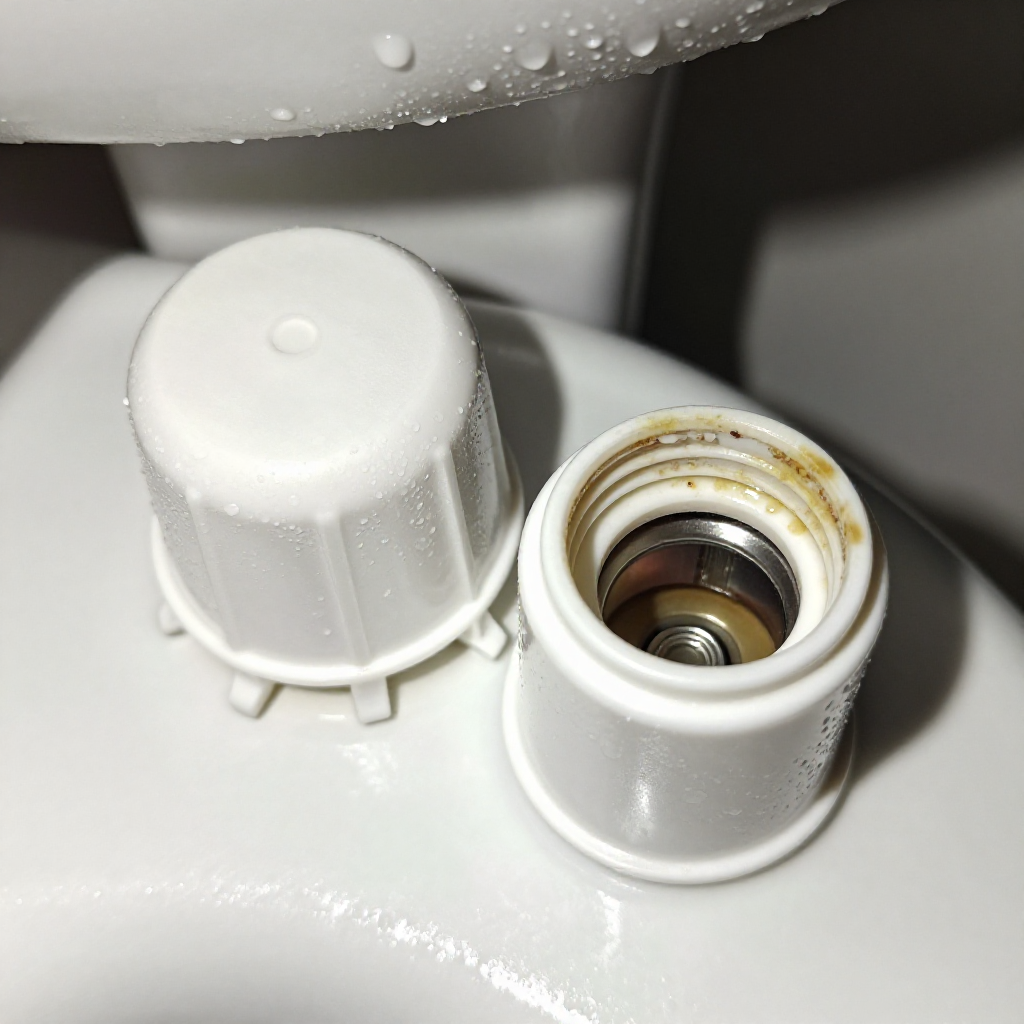
Stop jiggling the handle — that's not the problem. Turn off the water at the shutoff valve behind the toilet. Remove the fill valve cap by twisting it counterclockwise (most Fluidmaster-style valves have a quarter-turn cap). Place a cup upside down over the exposed valve top, then turn the water back on for 3-5 seconds. The rush of water will blast out any grit or sediment stuck in the seal. Turn the water off, replace the cap, and test. This fixes the problem about 80% of the time.

visibility3. Visual Guidance

See what's happening and how to try the first recovery step.
1
Check and adjust the float height
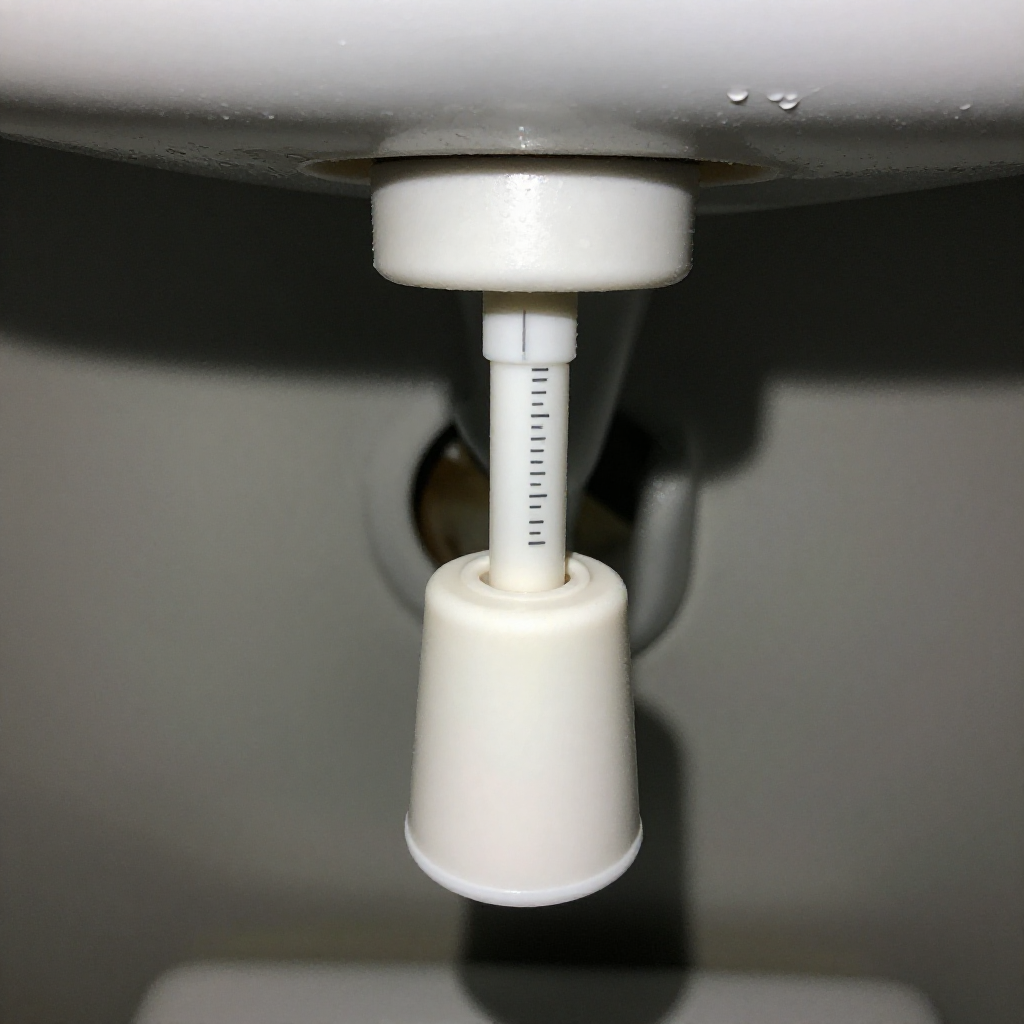
Check and adjust the float heightIf flushing the seal didn't fix it, the float may be set too high so the valve never fully closes. For a cup-style float on a Fluidmaster, squeeze the adjustment clip and slide the float down about half an inch. For a ball-float on an arm, bend the metal rod downward slightly. The water level should stop about 1 inch below the top of the overflow tube. Flush and watch where the water stops.
2
Clean the valve seat with vinegar if mineral buildup is visible
Clean the valve seat with vinegar if mineral buildup is visibleHard water deposits on the rubber seal or plastic seat prevent the valve from closing tightly. Turn off the water, remove the cap and seal. Soak the rubber seal in white vinegar for 10 minutes. Use an old toothbrush to scrub the plastic seat inside the valve body. Rinse everything, reassemble, and test. The seal should sit flush with no visible grit.
3
Replace the fill valve seal if cleaning fails
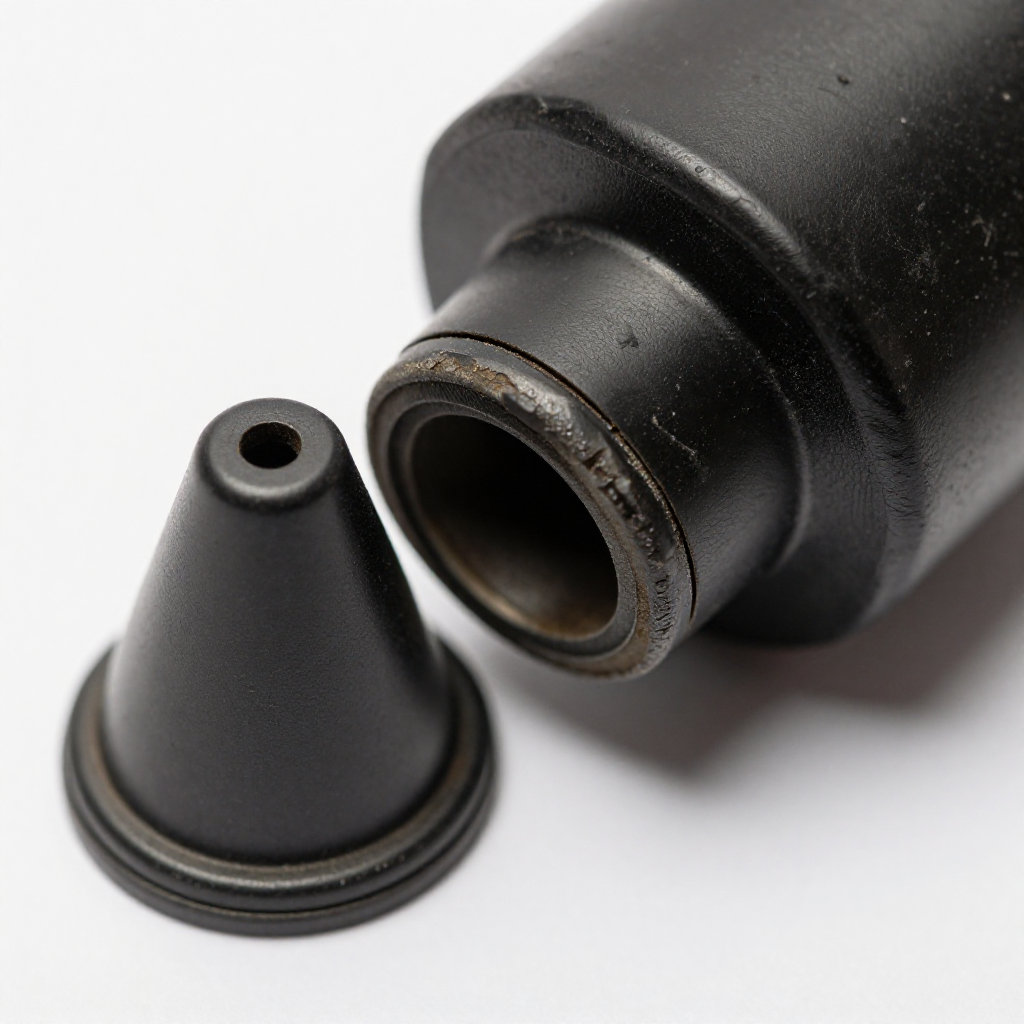
Replace the fill valve seal if cleaning failsIf the valve still hisses after cleaning, the rubber seal is worn out. Most hardware stores sell replacement seals for Fluidmaster 400A and similar models for a few dollars. Pop the old seal out of the cap with a small flathead screwdriver, press the new one in until it clicks into place, and reassemble. No need to replace the entire fill valve for a $3 seal.

autorenew4. If That Doesn't Work

Try the next recovery options.

build
Replace the entire fill valve assemblyIf the valve is an older ballcock style or cleaning doesn't work, a new Fluidmaster universal fill valve costs about $15 and installs in under 20 minutes. Shut off water, flush to empty the tank, unscrew the supply line, remove the lock nut under the tank, lift the old valve out, drop the new one in, and reconnect.
chevron_right
speed
Check water pressure at the shutoff valveExcessive household water pressure can prevent any fill valve from sealing properly. If multiple toilets have the same issue, attach a pressure gauge to an outdoor spigot. Anything above 80 PSI needs a pressure reducing valve (PRV) — call a plumber for that one.
chevron_right

Frequently Asked Questions

Why does my toilet fill valve hiss but the water stops?expand_more
The valve is partially closing but not sealing completely. A tiny gap lets water squeeze through at high velocity, creating the hissing sound. Flush the seal first, then adjust the float.
Can I use WD-40 or lubricant on the fill valve seal?expand_more
No. Petroleum-based lubricants will degrade the rubber seal. Use only water or vinegar for cleaning. If the seal needs lubrication, it needs replacement.
How much water does a running toilet waste per day?expand_more
A constantly hissing fill valve can waste 200 to 1,500 gallons per day depending on the leak size. That's noticeable on your water bill within one billing cycle.
My fill valve is only a year old — why did it fail?expand_more
Municipal water main work or a recent shutoff in your building likely stirred up sediment that lodged in the valve seal. It's not a defect — just bad timing with debris in the supply line.

warning5. Stop DIY If

Don't continue if any of these apply.

reportThe shutoff valve behind the toilet is seized or leaking and you can't turn the water off.
reportThe fill valve body is cracked or the plastic threads are stripped.
reportWater is leaking from the supply line connection at the bottom of the tank.
reportYou hear water running but can't identify the source — you may have a cracked overflow tube or tank.
Still stuck?Get personalized help with AI Recovery.

Related Recovery Problems

View all arrow_forward

Same Device Recovery States

Device index arrow_forward

Similar Failure Pattern

This page provides general DIY guidance.
If you're unsure, it's always best to consult a professional.