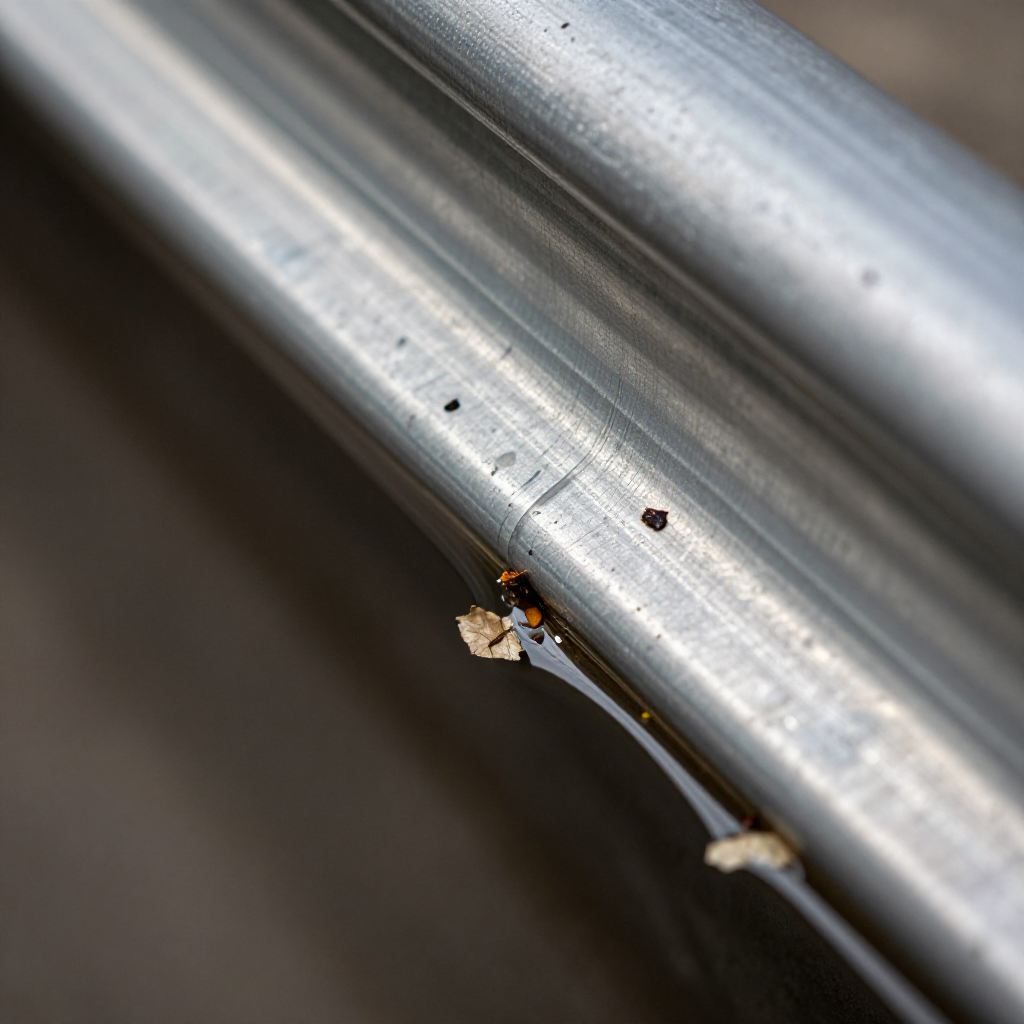
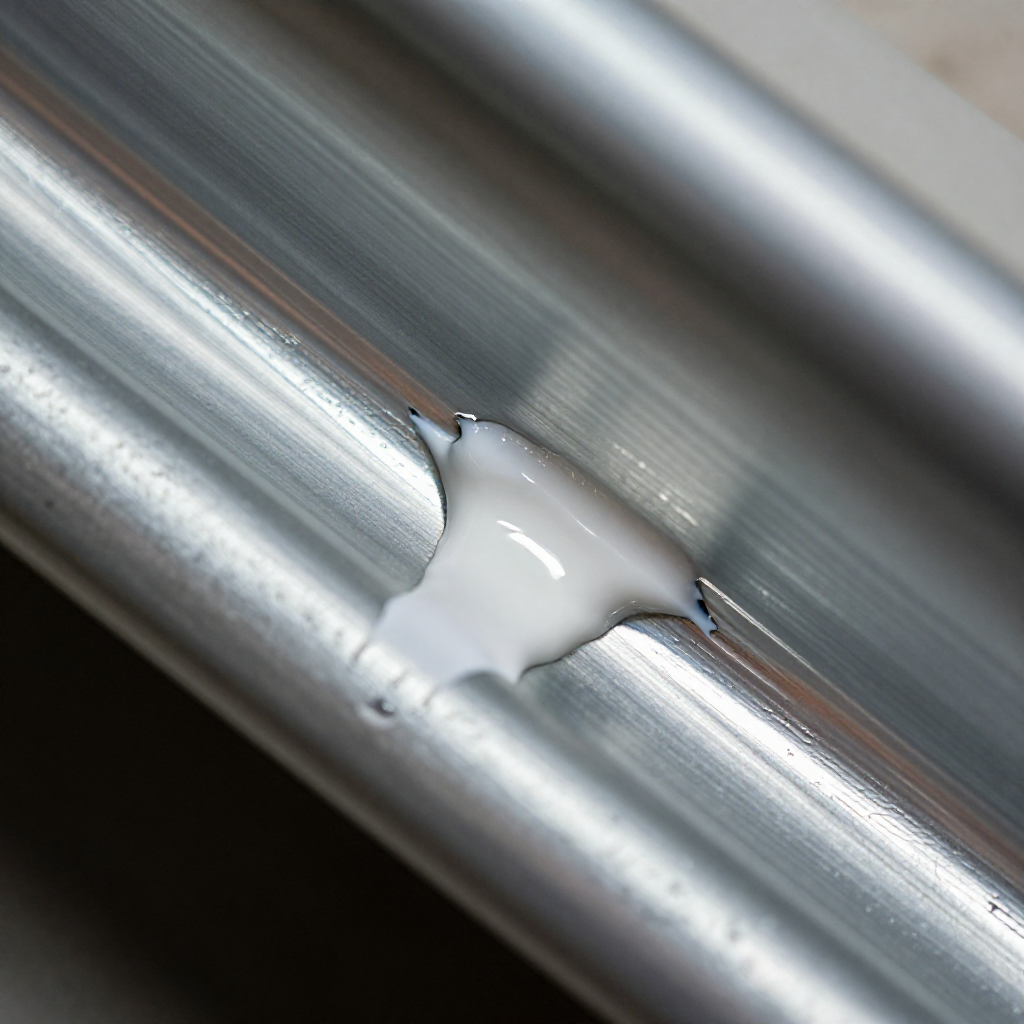
STUCKFIX
handymanDIY Friendly
water_drop

Rain Gutter Seams Leaking Water at the Corner Joints

Water dripping from gutter seams means the joint seal failed. Seal it right so you don't climb back up the ladder next season and do it all over again.

Category:Outdoor
Difficulty:Easy
Time:30 minutes
Success:50%
Updated:May 26, 2026

quick_referenceQuick Answer

For Rain Gutter Seams Leaking Water at the Corner Joints, start with "Dry the seam completely before applying any sealant": Do not squeeze caulk or sealant onto a wet seam — it will fail within weeks. Wait for a dry day with no rain in the forecast. Scrape out all old, cracked sealant from the inside of the gutter at the leaking joint using a putty knife or a flathead screwdriver. Wire-brush the bare metal on both sides of the seam to remove oxidation. Wipe it with rubbing alcohol on a rag and let it air-dry completely before moving to sealant. Stop DIY if the gutter is pulling away from the fascia board or the fascia itself is rotted — water damage has already compromised the attachment point. This is listed as a easy recovery and usually takes about 30 minutes.

verifiedGuide Snapshot

Repair areaOutdoor
Estimated time30 minutes
DifficultyEasy
Stop conditions4

Last updated May 26, 2026. Review the stop conditions before continuing.

account_treeRecovery State

Current stateSeam Leaking
Specific stateJoint Sealant Failed
Failed stepGutter Water Removal
Likely failure typeLeak Path
DIY boundaryDIY recovery first
paymentsCost decision

help1. Understand the Problem

Gutter seam leaks happen at the weakest point of any gutter system — the mitered corners and union joints where two sections meet. Over years of freeze-thaw cycles and sun exposure, the factory-applied sealant dries out, cracks, and pulls away from the metal, creating gaps that drip water down your fascia and siding. It is often mistaken for a clogged gutter, but running water drips from the seam even when the gutter is clear.

build_circle2. Try This First
Best First Step
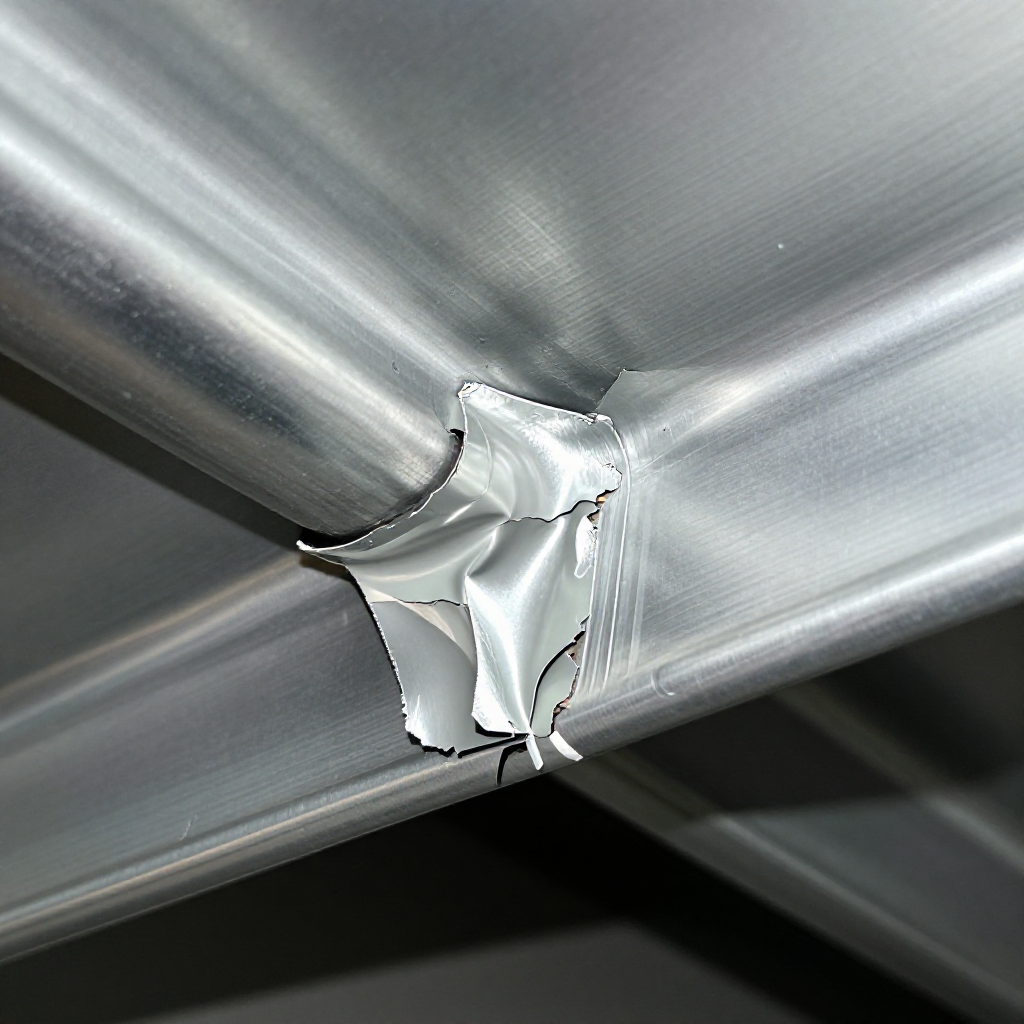
Dry the seam completely before applying any sealant

Dry the seam completely before applying any sealant

Do not squeeze caulk or sealant onto a wet seam — it will fail within weeks. Wait for a dry day with no rain in the forecast. Scrape out all old, cracked sealant from the inside of the gutter at the leaking joint using a putty knife or a flathead screwdriver. Wire-brush the bare metal on both sides of the seam to remove oxidation. Wipe it with rubbing alcohol on a rag and let it air-dry completely before moving to sealant.

visibility3. Visual Guidance

See what's happening and how to try the first recovery step.
1
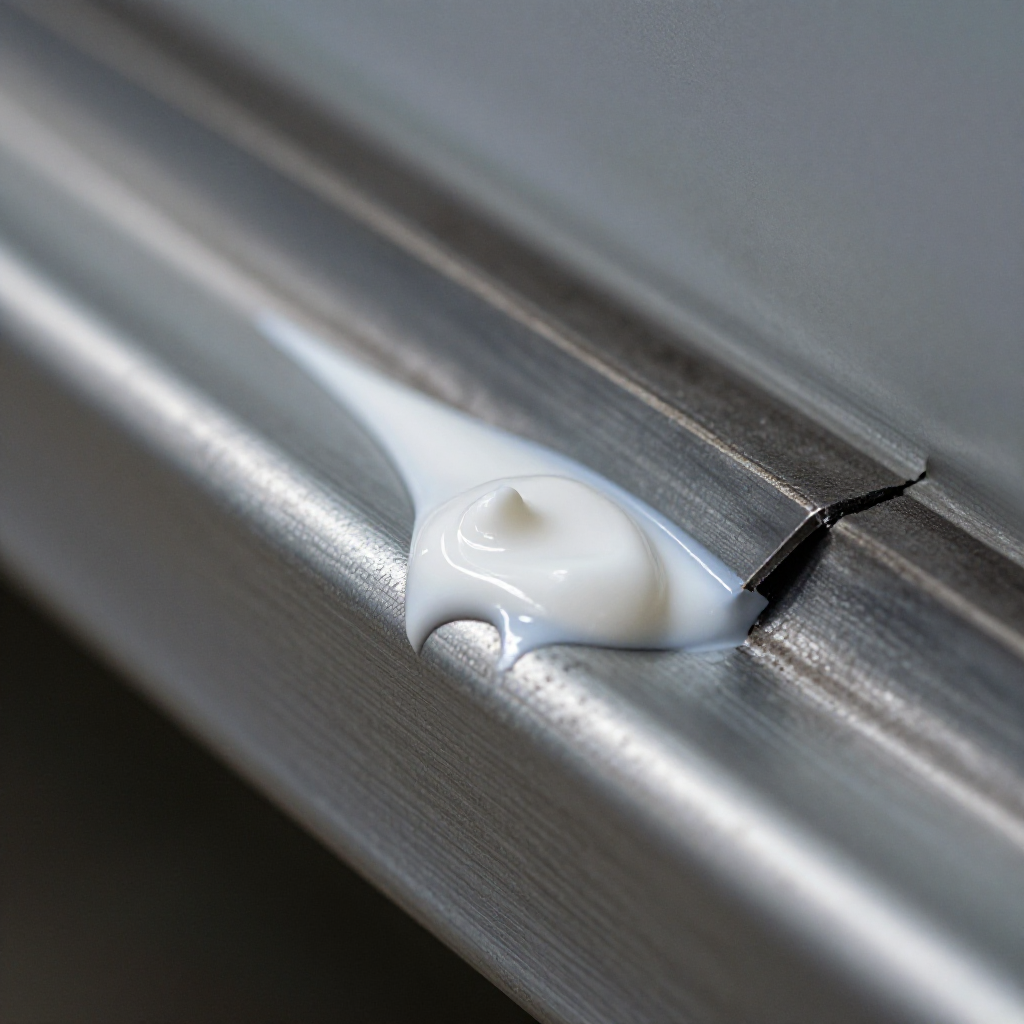
Apply a generous bead of gutter and flashing sealant
Apply a generous bead of gutter and flashing sealantUse a butyl-rubber or polyurethane gutter sealant — not silicone caulk, which separates from metal within a season. Squeeze a thick bead along the entire length of the seam inside the gutter, covering the joint and extending at least an inch past each end. Smooth it with a damp finger or putty knife so the sealant bridges the gap fully, pushing it into any pinholes. A second thinner bead on the outside of the seam adds insurance.
2
Check for the real culprit: improper gutter slope
Check for the real culprit: improper gutter slopeWhile you are up there, pour a gallon of water into the gutter at the opposite end from the downspout and watch it flow. If water pools at the seam joint instead of flowing toward the downspout, the gutter is pitched wrong — probably a loose or detached hanger. Standing water at a seam will defeat any sealant job. Adjust hanger brackets so water moves downhill at about 1/4 inch per 10 feet of run.
3
Install a gutter seam patch if the metal is split
Install a gutter seam patch if the metal is splitIf the seam has an actual crack or gap wider than 1/16 inch, sealant alone won't hold long-term. Cut a 4-inch strip of aluminum flashing, coat the back with sealant, and press it over the seam from the inside. Then seal the edges with another bead. This mechanically bridges the gap so the sealant works as a gasket rather than a structural bond.

autorenew4. If That Doesn't Work

Try the next recovery options.

grain
Apply spray-on gutter leak seal as a temporary fixIf it's mid-storm season and you need a quick fix, rubberized spray sealant can bridge small seam leaks temporarily. It will not last multiple seasons but stops the drip until you can do a proper scrape-and-seal job.
chevron_right
recycling
Replace the leaking section with seamless gutterIf multiple seams are leaking and the gutter system is 20-plus years old, replacing the run with seamless aluminum gutter eliminates corner joints entirely. This is a pro job but solves the seam problem permanently.
chevron_right

Frequently Asked Questions

What is the best sealant for leaking gutter seams?expand_more
Butyl-rubber or polyurethane-based gutter and flashing sealant. Avoid silicone caulk — it fails on metal within one season. Geocel 2300 and Sashco Through the Roof are field-proven options.
Can I seal gutter seams from the inside or the outside?expand_more
The inside is where the water sits, so seal from the inside first. Adding a thin bead on the outside of the joint adds a second defense but should not be your only seal.
Why does my gutter leak at the seam only during heavy rain?expand_more
Light rain flows along the bottom. Heavy rain fills the gutter, and standing water at the seam finds every pinhole. Check your gutter slope — if water pools at the seam, fix the pitch first.
Do I have to wait for the gutter to dry before sealing?expand_more
Yes. Any moisture between the sealant and the metal prevents adhesion. Wait for a dry day with the gutter scraped clean, wire-brushed, wiped with alcohol, and fully dry before applying sealant.

warning5. Stop DIY If

Don't continue if any of these apply.

reportThe gutter is pulling away from the fascia board or the fascia itself is rotted — water damage has already compromised the attachment point.
reportYou are working above the second story or on a steep roof slope without proper ladder safety — gutter work is the number one cause of ladder injuries.
reportThe seam is on a joint near the electrical service mast where the service drop attaches to the house.
reportYou discover that the downspout is completely disconnected from the drain or drains toward the foundation — this can cause basement flooding.
Still stuck?Get personalized help with AI Recovery.

Related Recovery Problems

View all arrow_forward

Same Device Recovery States

Device index arrow_forward

Similar Failure Pattern

This page provides general DIY guidance.
If you're unsure, it's always best to consult a professional.