STUCKFIX
handymanDIY Friendly
heating

Baseboard Heater Stays Cold When the Heat Is On

A cold baseboard heater while other rooms are warm means trapped air or a stuck zone valve. Bleed it right so heat flows again without flooding the floor.

Category:HVAC
Difficulty:Easy
Time:20 minutes
Success:50%
Updated:May 22, 2026

quick_referenceQuick Answer

For Baseboard Heater Stays Cold When the Heat Is On, start with "Locate the bleed valve and have a cup ready": Find the small bleed valve at the end of the baseboard unit — it's usually a little screw or key slot on the end cap. Put a small cup or rag underneath before you touch anything. Water will spit out when you open it, and it's hot. Turn the thermostat up so the circulator pump is running while you bleed — you need water pressure to push the air out. Stop DIY if the pressure relief valve at the boiler is dripping or continuously discharging water — your system is over-pressurized and needs professional attention. This is listed as a easy recovery and usually takes about 20 minutes.

verifiedGuide Snapshot

Repair areaHVAC
Estimated time20 minutes
DifficultyEasy
Stop conditions4

Last updated May 22, 2026. Review the stop conditions before continuing.

account_treeRecovery State

Current stateNot Heating
Specific stateAir Trapped In Loop
Failed stepHeating Cycle
Likely failure typeBlocked Path
DIY boundaryDIY recovery first
paymentsCost decision

help1. Understand the Problem

Hydronic baseboard heaters stay cold when air gets trapped in the top of the pipe loop, blocking hot water from reaching the fins. This often happens after the boiler has been off for the season, or in rooms at the end of a long loop. A stuck zone valve or a circulator pump not moving water can also cause it, but trapped air is the most common and easiest fix.

build_circle2. Try This First
Best First Step
Locate the bleed valve and have a cup ready

Locate the bleed valve and have a cup ready

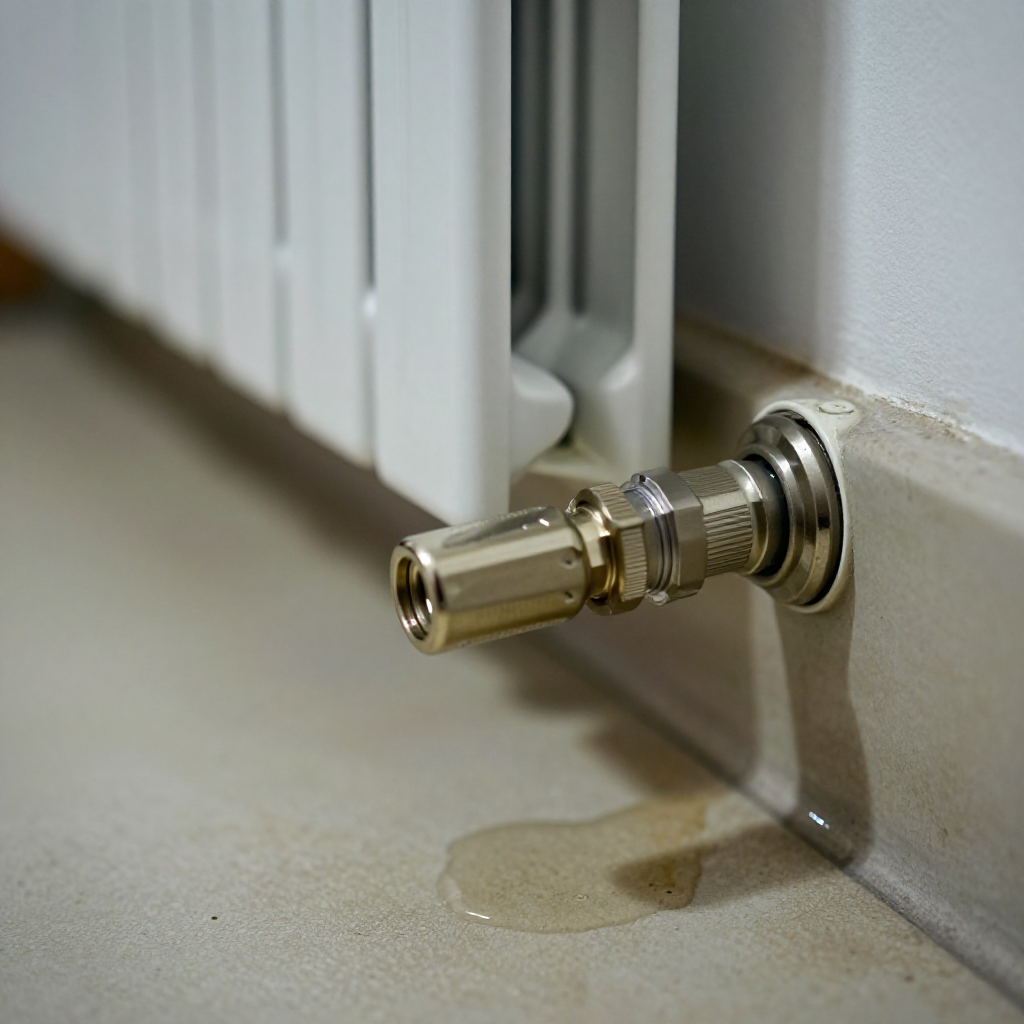
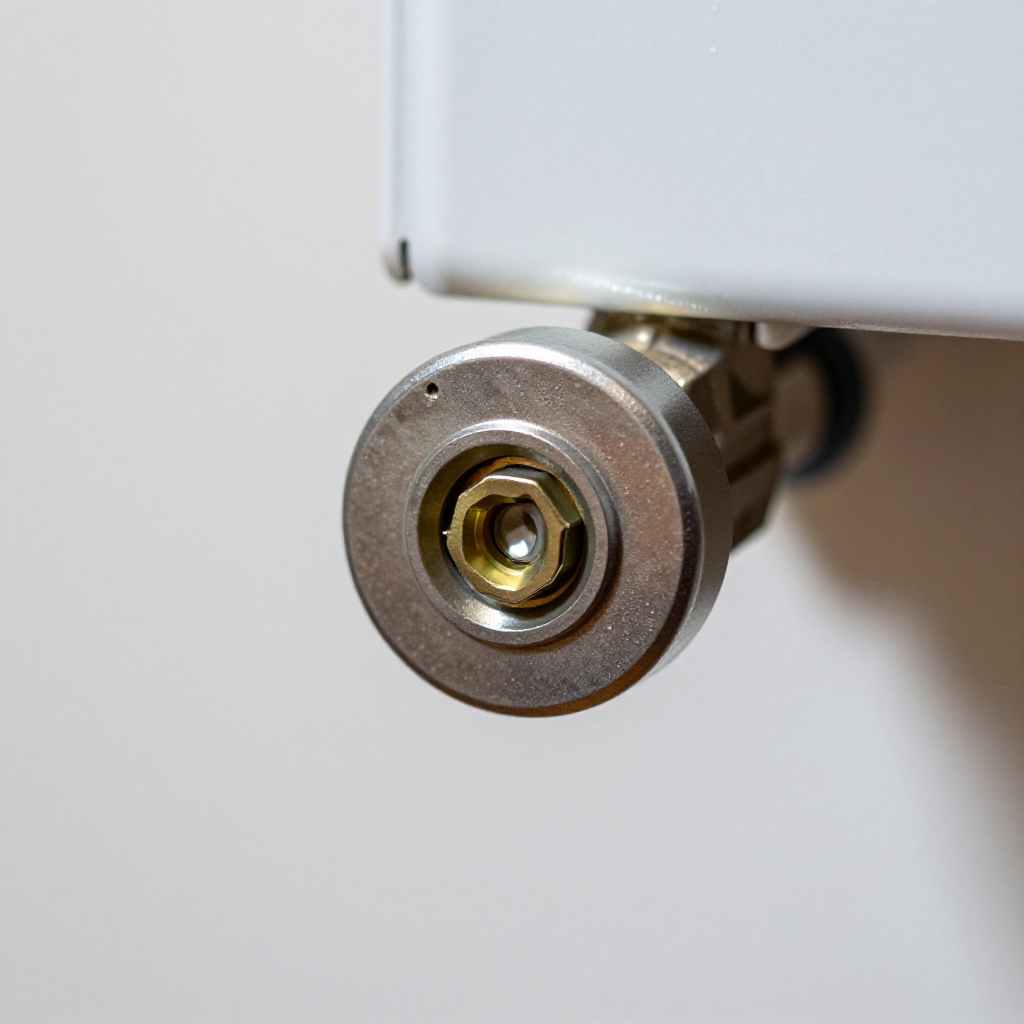
Find the small bleed valve at the end of the baseboard unit — it's usually a little screw or key slot on the end cap. Put a small cup or rag underneath before you touch anything. Water will spit out when you open it, and it's hot. Turn the thermostat up so the circulator pump is running while you bleed — you need water pressure to push the air out.

visibility3. Visual Guidance

See what's happening and how to try the first recovery step.
1
Open the bleed valve until water runs steady
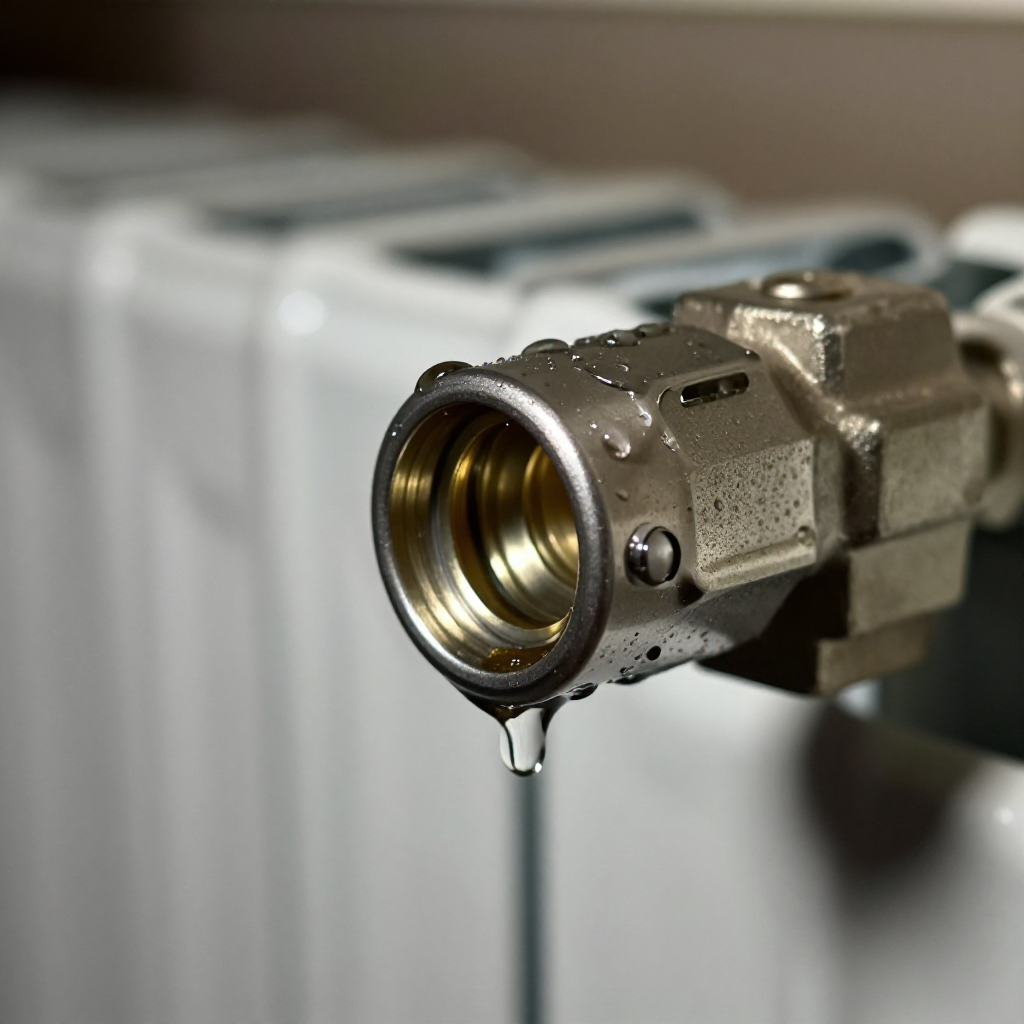
Open the bleed valve until water runs steadyUse a bleed key or flathead screwdriver to turn the valve counterclockwise a quarter turn. Air will hiss out first — keep it open until a steady stream of water flows with no sputtering. The water will be hot, so keep your hands clear of the stream. Close the valve tightly once the flow is solid.
2
Check the boiler pressure gauge after bleeding
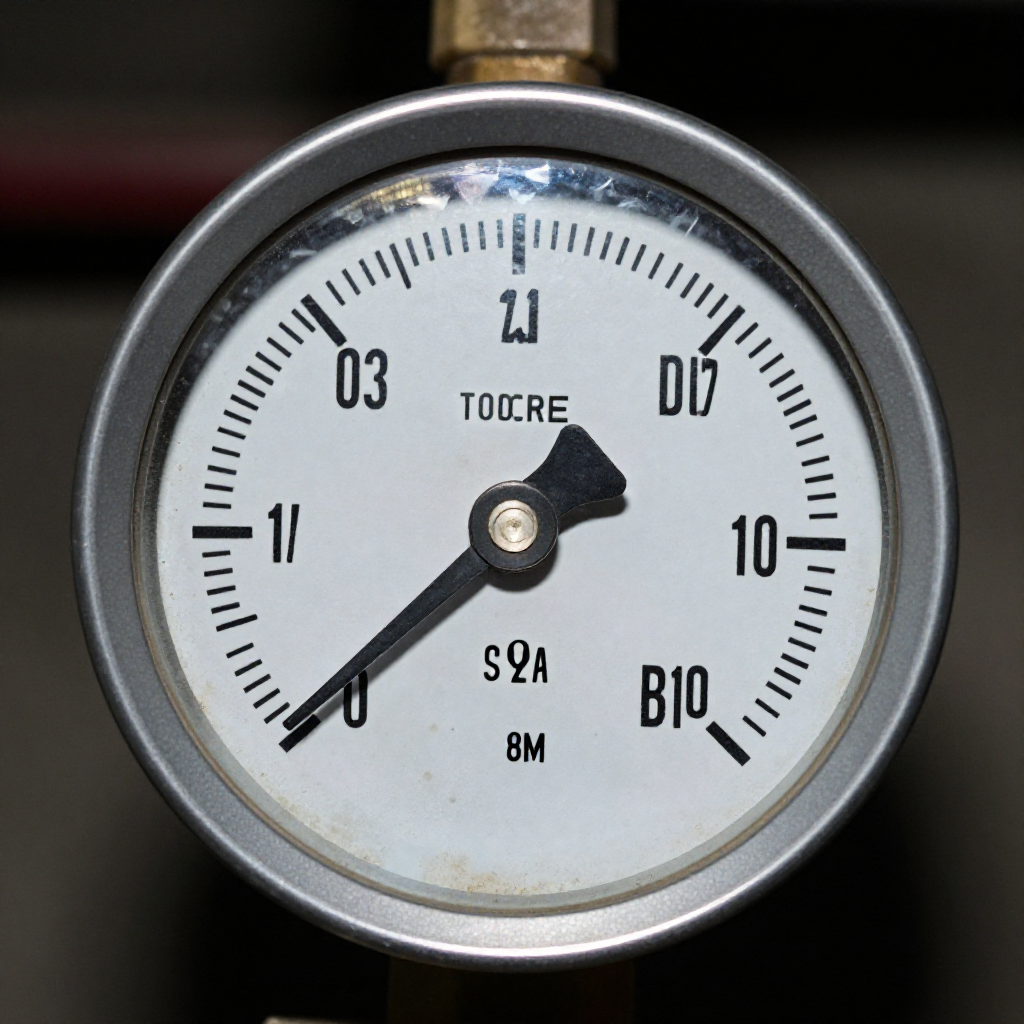
Check the boiler pressure gauge after bleedingEvery time you bleed air out, the boiler loses a little water pressure. Go to the boiler and check the pressure gauge — it should read between 12 and 15 psi when cold. If it's below 10 psi, open the water feed valve to bring it back up. Low pressure after bleeding will just let more air into the system.
3
Bleed all units on the same zone starting furthest from boiler
Bleed all units on the same zone starting furthest from boilerIf you have multiple cold baseboards on the same zone, bleed them in order — start at the one furthest from the boiler and work your way back. Air gets pushed to the end of the loop, so bleeding the furthest unit first clears the whole line.

autorenew4. If That Doesn't Work

Try the next recovery options.

valve
Manually open a stuck zone valveIf bleeding doesn't help and the zone valve lever doesn't move when the thermostat calls for heat, the motor may be dead. Most zone valves have a manual override lever — flip it to the open position. If the baseboard gets hot, the valve head needs replacing.
chevron_right
water_pump
Check if the circulator pump is runningPut your hand on the circulator pump near the boiler. If it's cold and silent when the thermostat is calling for heat, the pump may be seized or the relay is bad. A light tap with a wrench handle can sometimes free a stuck impeller.
chevron_right
plumbing
Purge the entire zone with a hoseIf repeated bleeding doesn't fix it, the zone may have a big air pocket that won't budge. Connect a garden hose to the boiler drain valve on that zone, open the feed, and flush water through the loop for 5 minutes to push the air out completely.
chevron_right

Frequently Asked Questions

Why is one baseboard cold but the rest of the house is warm?expand_more
Trapped air is the most common cause, especially on upper floors or rooms at the end of a heating loop. Bleed that unit first. If it still won't heat, check if it's on its own zone with a stuck valve.
How often should I bleed my baseboard heaters?expand_more
Bleed them once a year at the start of heating season. If you find yourself bleeding every few weeks, the system has a slow leak somewhere that's letting new air in — that needs to be found and fixed.
Can I bleed baseboards while the heat is running?expand_more
The circulator pump should be running while you bleed — that's the water pressure that pushes the air out. Turn the thermostat up so the pump kicks on, but be ready for hot water to come out of the bleed valve.
What PSI should my boiler be at after bleeding?expand_more
Cold pressure should be 12-15 psi. Hot pressure will read higher, around 18-22 psi. If your cold pressure drops below 10 psi after bleeding, add water through the boiler's feed valve until it's back in range.

warning5. Stop DIY If

Don't continue if any of these apply.

reportThe pressure relief valve at the boiler is dripping or continuously discharging water — your system is over-pressurized and needs professional attention.
reportYou smell gas anywhere near the boiler — this is a gas leak, not a heating problem. Call your gas utility immediately.
reportWater is leaking from the baseboard unit or pipe fittings behind the wall — you've got a pinhole leak in the copper and bleeding won't fix it.
reportThe boiler won't fire at all and the pilot or electronic ignition isn't working — boiler ignition repairs are not a DIY job.
Still stuck?Get personalized help with AI Recovery.

Related Recovery Problems

View all arrow_forward

Same Device Recovery States

Device index arrow_forward

Similar Failure Pattern

This page provides general DIY guidance.
If you're unsure, it's always best to consult a professional.