Why Won't My Sliding Patio Door Lock Catch Properly?
A sliding patio door that won't lock is a security risk. Fix misalignment, worn strike plates, or a loose handle to get it latching securely.
quick_referenceQuick Answer
For Why Won't My Sliding Patio Door Lock Catch Properly?, start with "Adjust the Door Rollers": Locate the adjustment screws on the bottom edge of the door (usually behind a small cap). Turn clockwise to raise the door or counterclockwise to lower it so the latch aligns with the strike plate. Stop DIY if the door frame is visibly warped or rotting. This is listed as a easy recovery and usually takes about 20 min.
verifiedGuide Snapshot
Last updated Jul 20, 2026. Review the stop conditions before continuing.
account_treeRecovery State
help1. Understand the Problem
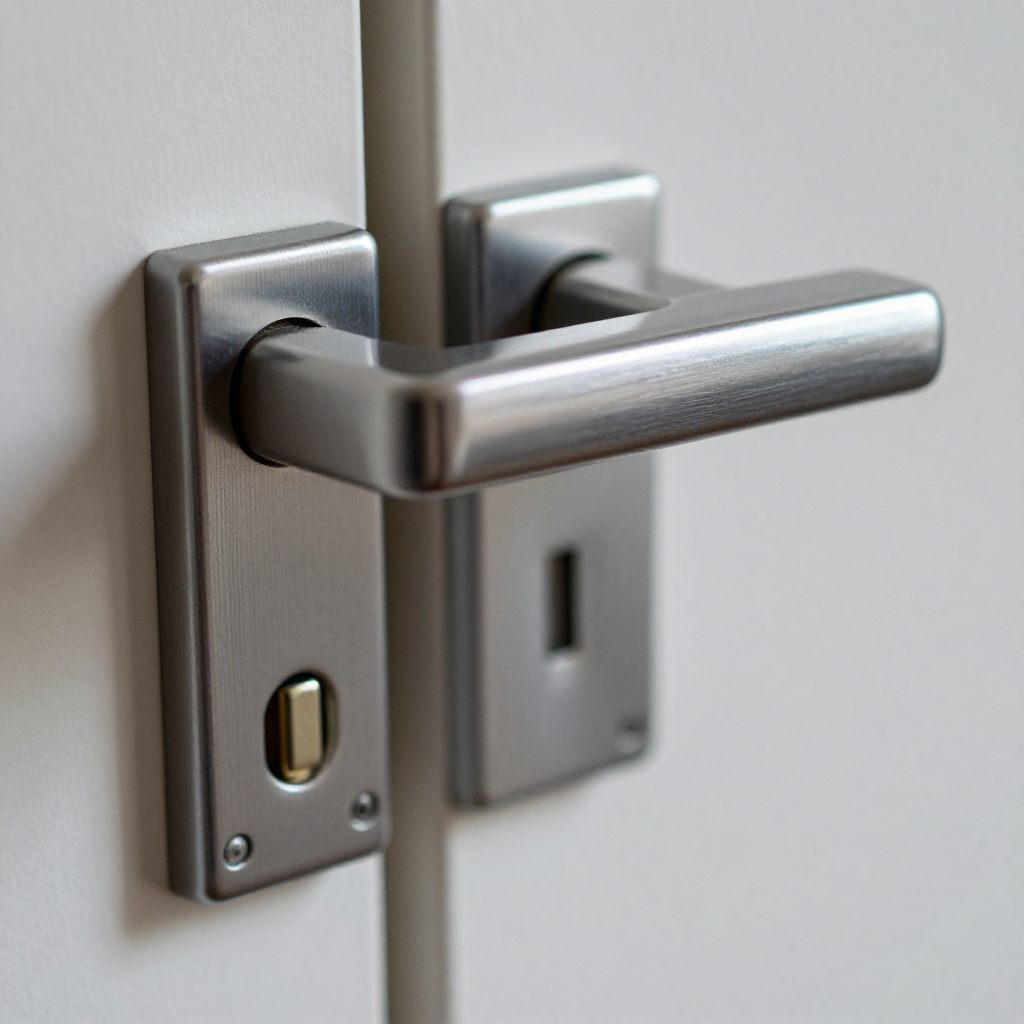
Sliding patio doors use a latch or hook that engages a strike plate on the door frame. Over time, the door can sag, the rollers can wear, or the strike plate can shift out of alignment. When the lock doesn't catch, the door may rattle or fail to secure.
build_circle2. Try This First
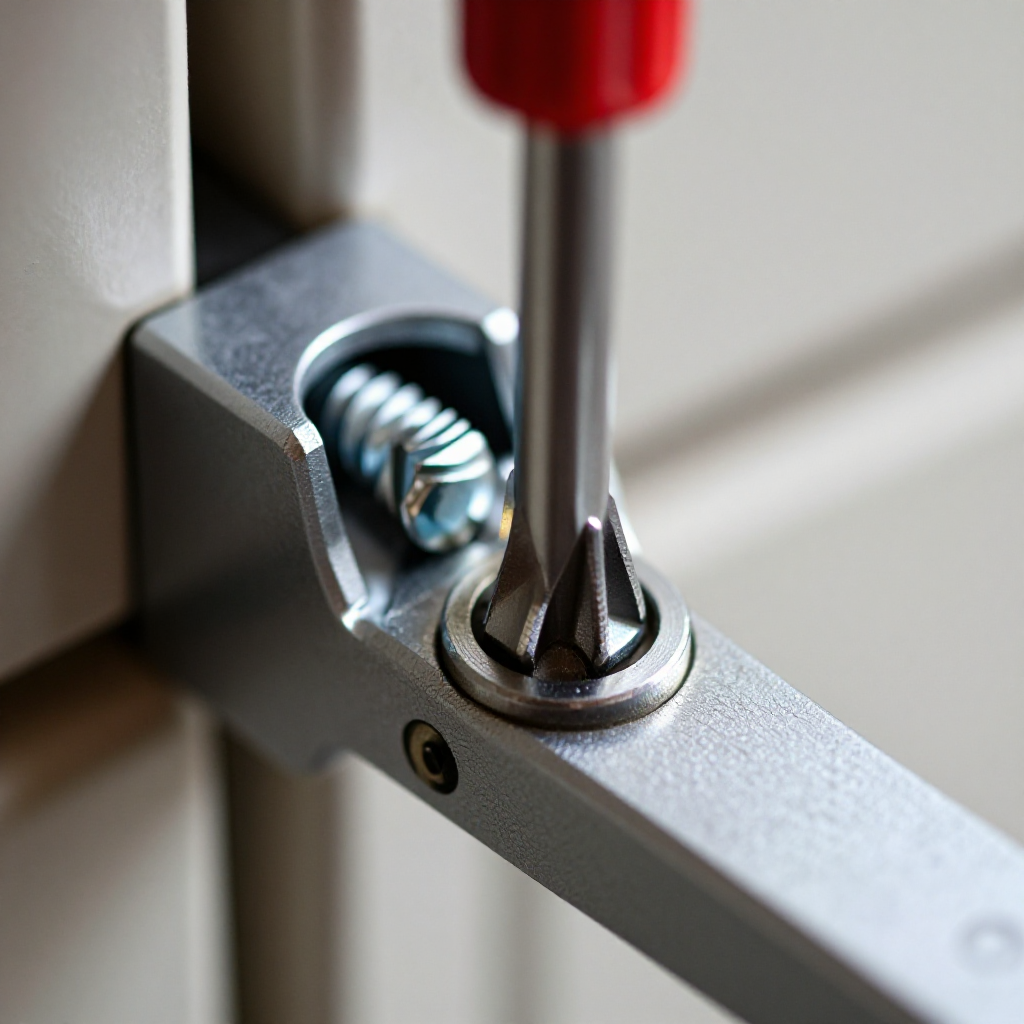
Adjust the Door Rollers
Locate the adjustment screws on the bottom edge of the door (usually behind a small cap). Turn clockwise to raise the door or counterclockwise to lower it so the latch aligns with the strike plate.
visibility3. Visual Guidance
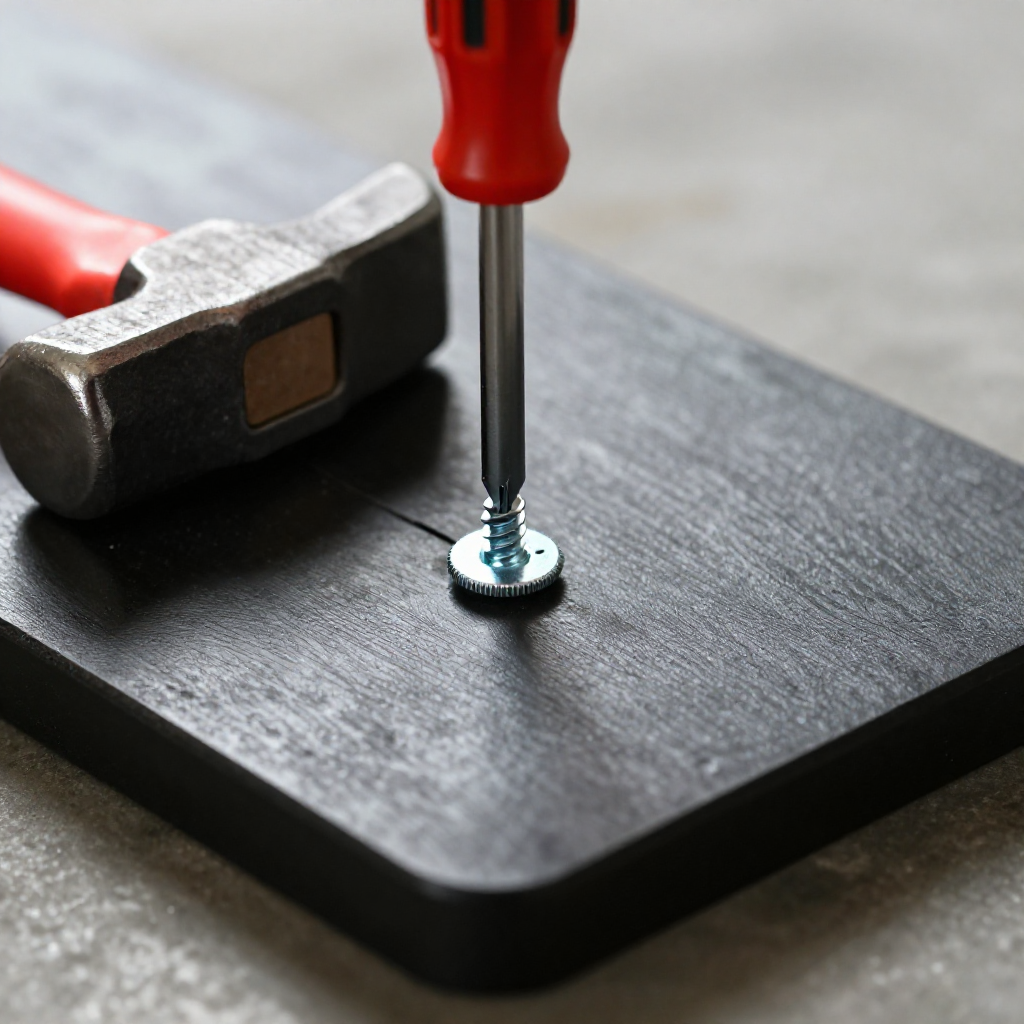
See what's happening and how to try the first recovery step.

autorenew4. If That Doesn't Work
Try the next recovery options.
Frequently Asked Questions
What if the door still doesn't lock after adjusting the strike plate?expand_more
Can I file the strike plate hole larger?expand_more
Why does the lock catch sometimes but not always?expand_more
Do I need to remove the door to adjust the rollers?expand_more
warning5. Stop DIY If
Don't continue if any of these apply.
Same Device Recovery States
Device index arrow_forwardSimilar Failure Pattern
This page provides general DIY guidance.
If you're unsure, it's always best to consult a professional.