STUCKFIX
handymanDIY Friendly
range_hood

Range Hood Fan Running but Pulling No Air or Suction

A range hood that runs but doesn't pull smoke or steam means clogged filters or a blocked duct. Restore airflow before grease buildup becomes a fire hazard.

Category:Kitchen
Difficulty:Easy
Time:30 minutes
Success:50%
Updated:May 22, 2026

quick_referenceQuick Answer

For Range Hood Fan Running but Pulling No Air or Suction, start with "Remove and degrease the mesh filters": Pop the metal mesh filters out of the underside of the hood — most snap out with a simple latch. Drop them in a sink of hot water and dish soap, or better yet, run them through the dishwasher. If they're caked in sticky yellow grease, soak them in a degreaser first. After cleaning, hold a filter up to a light — if you still can't see through the mesh, soak it longer. Clean filters are step one because a dirty filter blocks 80% of the airflow. Stop DIY if you see exposed or deteriorated wiring inside the hood when the filters are removed — electrical repairs inside a greasy environment are a fire risk. This is listed as a easy recovery and usually takes about 30 minutes.

verifiedGuide Snapshot

Repair areaKitchen
Estimated time30 minutes
DifficultyEasy
Stop conditions4

Last updated May 22, 2026. Review the stop conditions before continuing.

account_treeRecovery State

Current stateWeak Suction
Specific stateClogged Filters
Failed stepCooking Ventilation
Likely failure typeBlocked Path
DIY boundaryDIY recovery first
paymentsCost decision

help1. Understand the Problem

Range hoods lose suction when grease builds up on the mesh filters until air can barely pass through. A blocked or disconnected duct behind the wall can also kill airflow — if the hood recirculates instead of venting outside, the charcoal filter may be saturated. This often creeps up on you over months as cooking smells hang around longer and longer.

build_circle2. Try This First
Best First Step
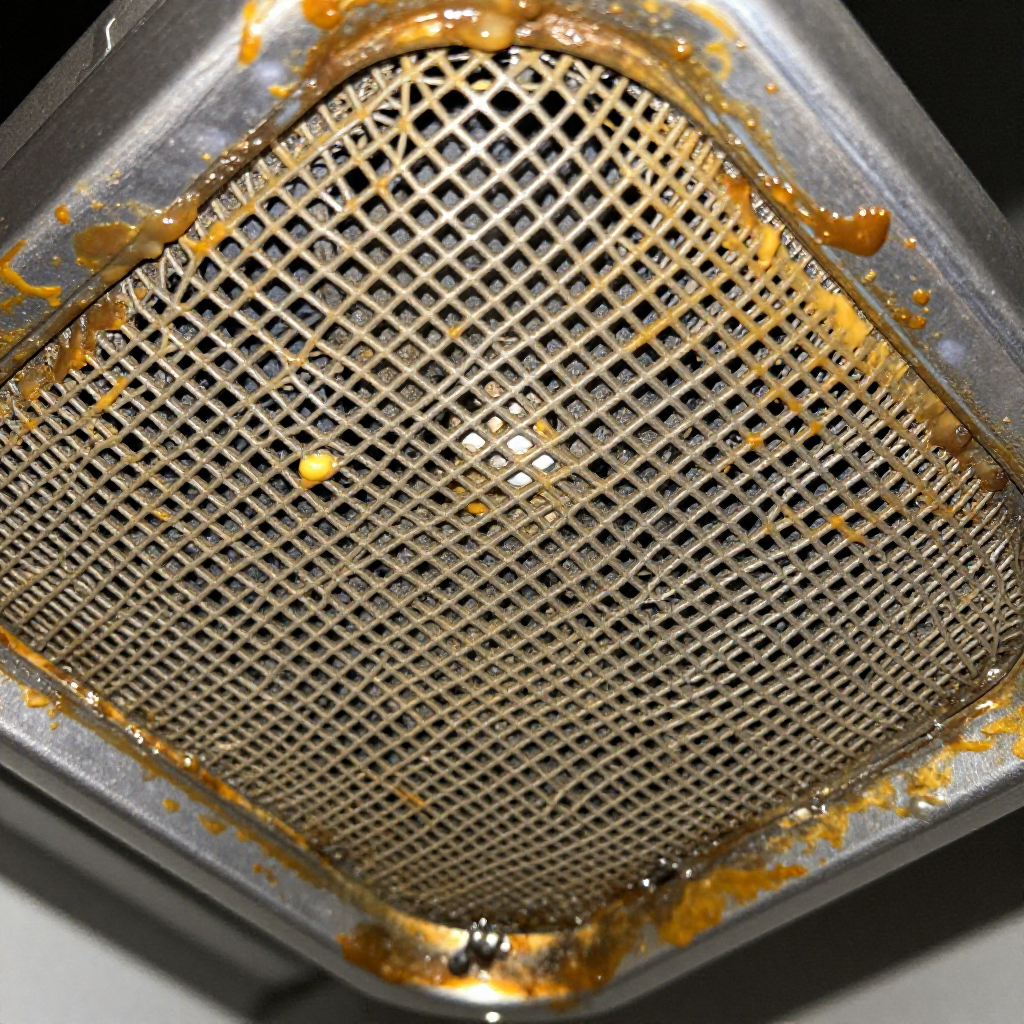
Remove and degrease the mesh filters

Remove and degrease the mesh filters

Pop the metal mesh filters out of the underside of the hood — most snap out with a simple latch. Drop them in a sink of hot water and dish soap, or better yet, run them through the dishwasher. If they're caked in sticky yellow grease, soak them in a degreaser first. After cleaning, hold a filter up to a light — if you still can't see through the mesh, soak it longer. Clean filters are step one because a dirty filter blocks 80% of the airflow.

visibility3. Visual Guidance

See what's happening and how to try the first recovery step.
1
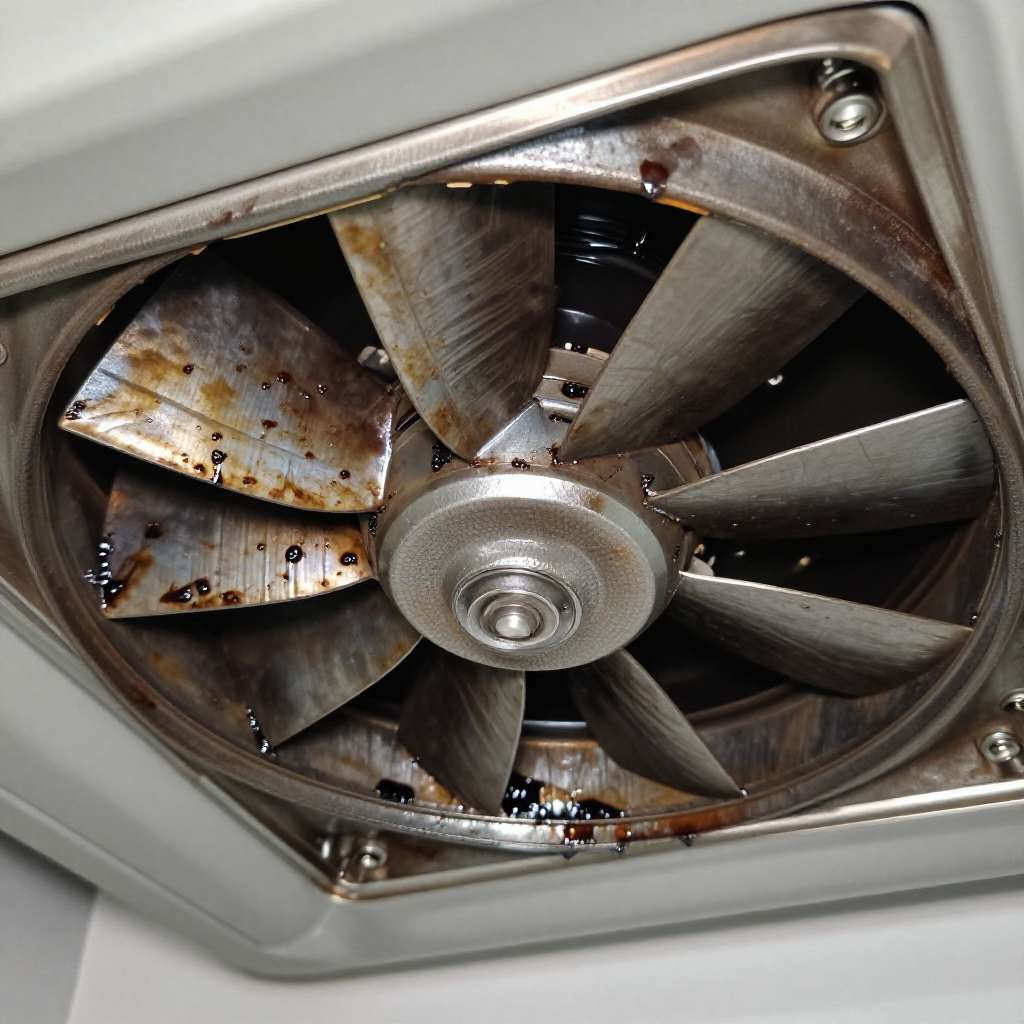
Clean the fan blades and interior housing
Clean the fan blades and interior housingWith the filters off, unplug the hood or switch off the breaker. Wipe the fan blades and the interior housing with a degreaser-soaked rag. Grease that gets past the filter coats the fan blades, unbalances them, and reduces their ability to move air. Dry everything before plugging back in.
2
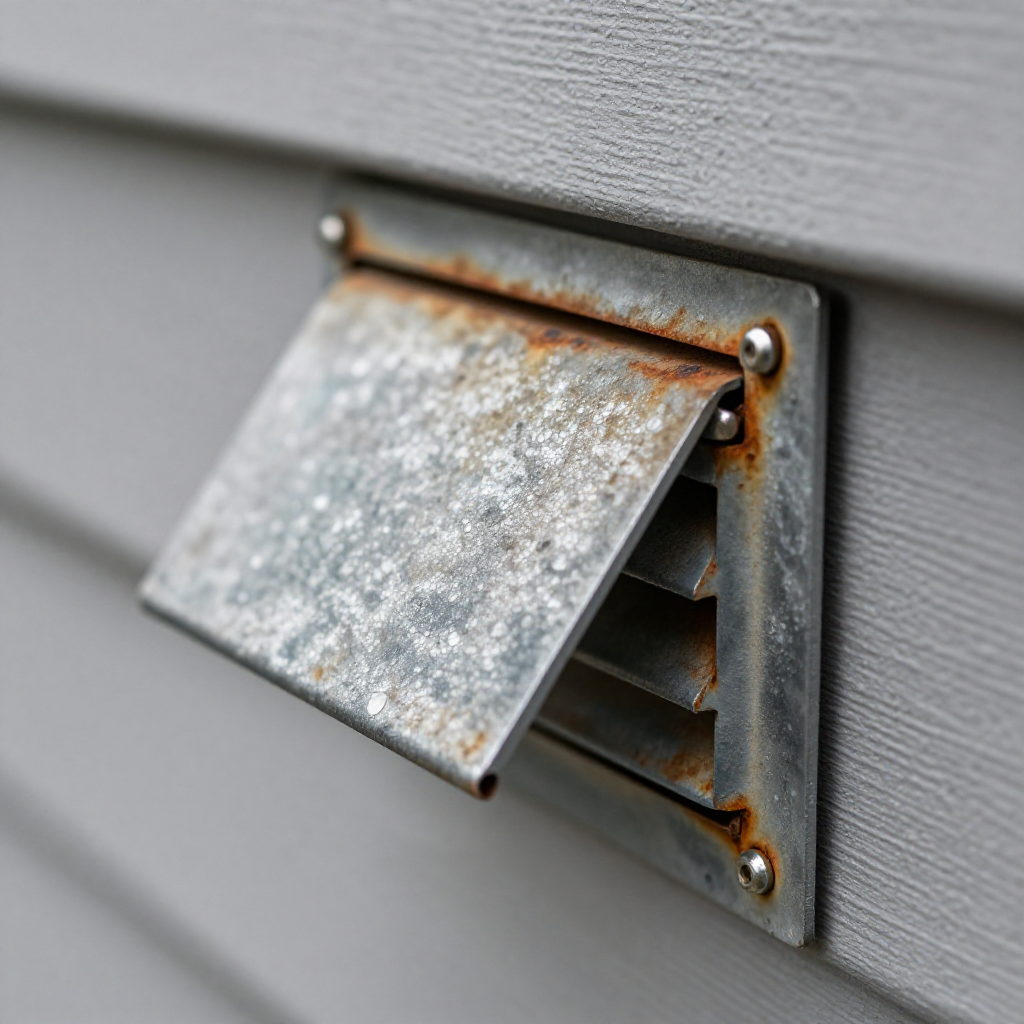
Check the vent damper is opening fully
Check the vent damper is opening fullyGo outside to where the vent exits the house. The flap should open freely when the fan is on. If it's stuck shut (painted over, rusted, or obstructed by a bird nest), the fan has nowhere to push air. Free the flap and make sure it moves without binding.
3
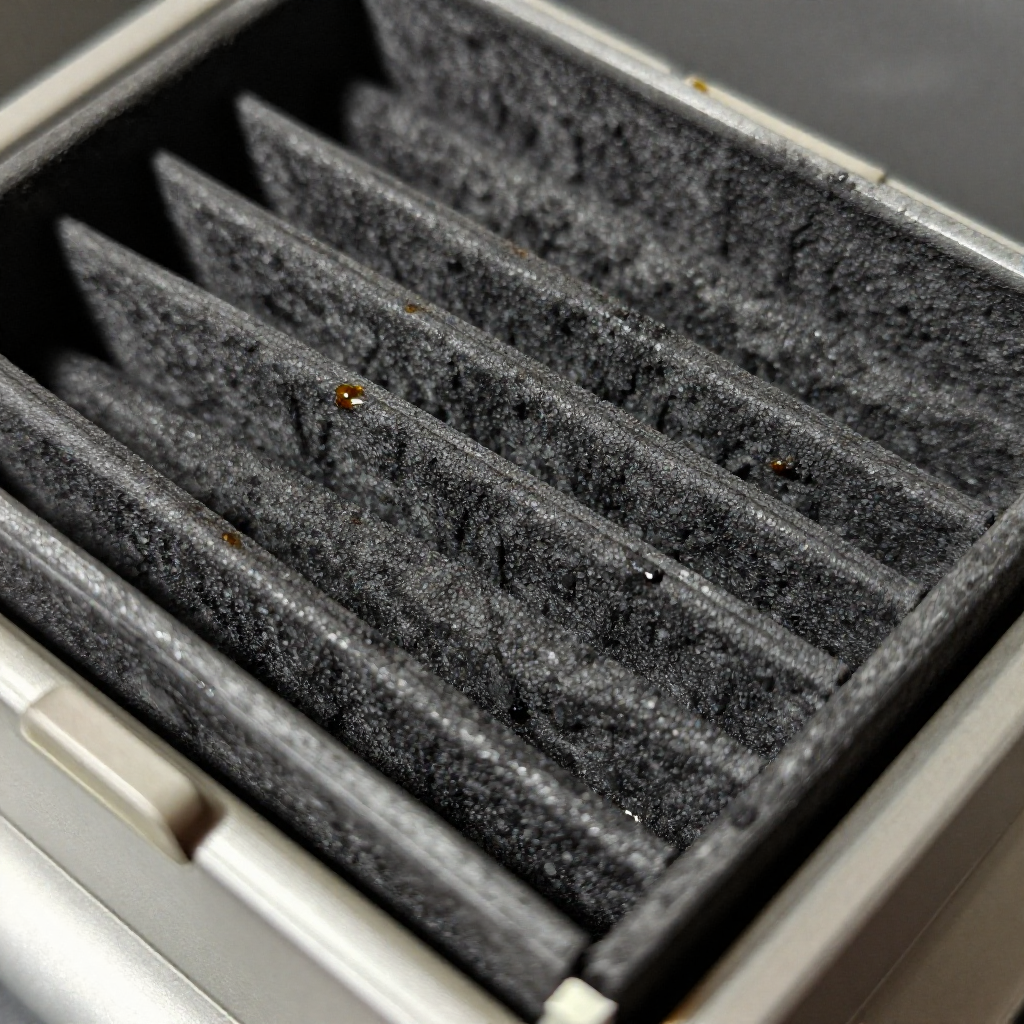
Replace saturated charcoal filter on recirculating hoods
Replace saturated charcoal filter on recirculating hoodsIf your hood doesn't vent outside, it uses a charcoal filter to scrub air before returning it to the kitchen. These filters saturate after 3-6 months of regular cooking. Find the charcoal filter behind the mesh screens — if it's gray and smells like old cooking oil, replace it. It can't be cleaned or recharged.

autorenew4. If That Doesn't Work

Try the next recovery options.

plumbing
Inspect the duct for disconnection or kinksIf the hood vents outside and cleaning filters didn't help, the duct may have separated at a joint. Pull the hood down from the cabinet (a few screws) and check that the duct is connected and not kinked.
chevron_right
bolt
Check the fan motor capacitorIf the fan sounds weak even on high speed, the motor capacitor may be failing. A bad capacitor reduces the motor's torque. This one's an electrical repair — if you're not comfortable with a multimeter, call a pro.
chevron_right

Frequently Asked Questions

How often should I clean my range hood filters?expand_more
Every month for the mesh filters if you cook regularly. Run them through the dishwasher — it cuts through grease better than hand washing. If you deep-fry often, clean them every two weeks.
Why is my range hood loud but not moving air?expand_more
A loud hood with no airflow means resistance — the filter is clogged, the duct is blocked, or the outside vent flap is stuck shut. The fan is working hard against a wall of grease.
Does a recirculating range hood actually do anything?expand_more
It removes some grease and odors if you replace the charcoal filter every 3-6 months. But it does nothing for heat, moisture, or combustion gases. Venting outside is always better if it's an option.
Can I use my range hood without the filters installed?expand_more
No. The filters are what keep grease from coating the fan motor and ductwork. Running without them is how you build up a flammable grease layer that can ignite during a stovetop flare-up.

warning5. Stop DIY If

Don't continue if any of these apply.

reportYou see exposed or deteriorated wiring inside the hood when the filters are removed — electrical repairs inside a greasy environment are a fire risk.
reportThe ductwork inside the wall or ceiling is disconnected — repairing hidden ductwork requires opening drywall and is beyond a simple hood fix.
reportThe fan motor sparks, smokes, or makes a grinding noise — the motor bearings have failed and the whole fan assembly needs professional replacement.
reportGrease has accumulated inside the ductwork beyond what's reachable from the hood — this is a duct fire waiting to happen and requires professional cleaning.
Still stuck?Get personalized help with AI Recovery.

Related Recovery Problems

View all arrow_forward

Same Device Recovery States

Device index arrow_forward

Similar Failure Pattern

This page provides general DIY guidance.
If you're unsure, it's always best to consult a professional.