STUCKFIX
handymanDIY Friendly
bathtub

Black Mold Eating Through Your Bathtub Caulk Line

That black gunk in the caulk isn't surface mold — it's growing through the silicone. Bleach won't kill what's underneath. Here's how to rip it out and recaulk so it never comes back.

Category:Bathroom
Difficulty:Easy
Time:45-60 minutes
Success:90%
Updated:May 21, 2026

quick_referenceQuick Answer

For Black Mold Eating Through Your Bathtub Caulk Line, start with "Cut out every trace of the old caulk": Fill the tub halfway with water before you start — the weight pulls the tub down and opens the joint gap. Use a utility knife to slice along both edges of the caulk bead where it meets tile and tub. Then use a plastic caulk removal tool to scrape the bead out. Don't use metal — it'll scratch the tub. Stop DIY if the mold has spread behind the tile into the drywall — you'll see soft, crumbling wall board. This is listed as a easy recovery and usually takes about 45-60 minutes.

verifiedGuide Snapshot

Repair areaBathroom
Estimated time45-60 minutes
DifficultyEasy
Stop conditions3

Last updated May 21, 2026. Review the stop conditions before continuing.

account_treeRecovery State

DeviceBathtub
Current stateCaulk Line Mold
Failed stepCut Out Every Trace Of The Old Caulk
Likely failure typeMineral Buildup
DIY boundaryProfessional likely
paymentsCost decision

help1. Understand the Problem

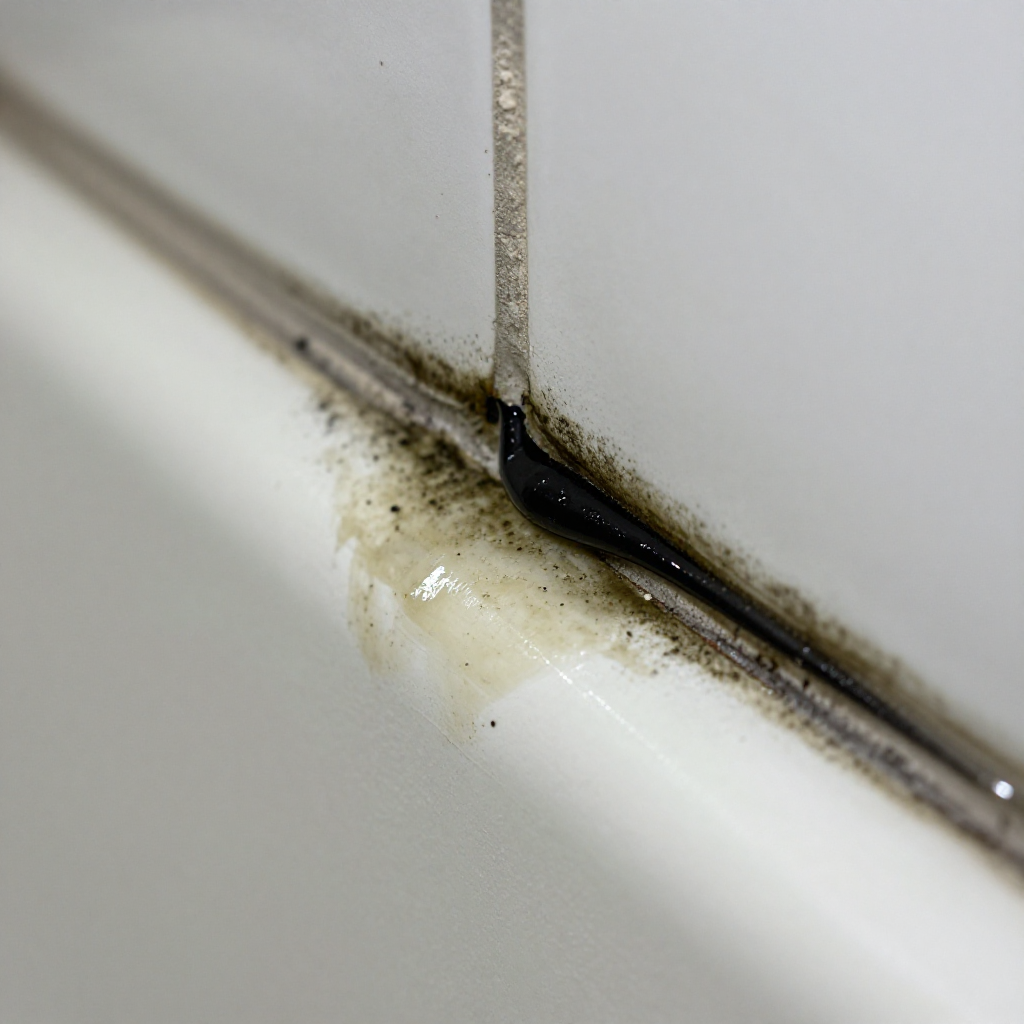
Mold penetrates silicone caulk from the back side where moisture sits against the tub flange. Bleaching the surface kills the visible stuff for a week, but the roots survive underneath. The only real fix is mechanical removal and replacement with a high-quality kitchen-and-bath silicone with built-in mildewcide.

build_circle2. Try This First
Best First Step
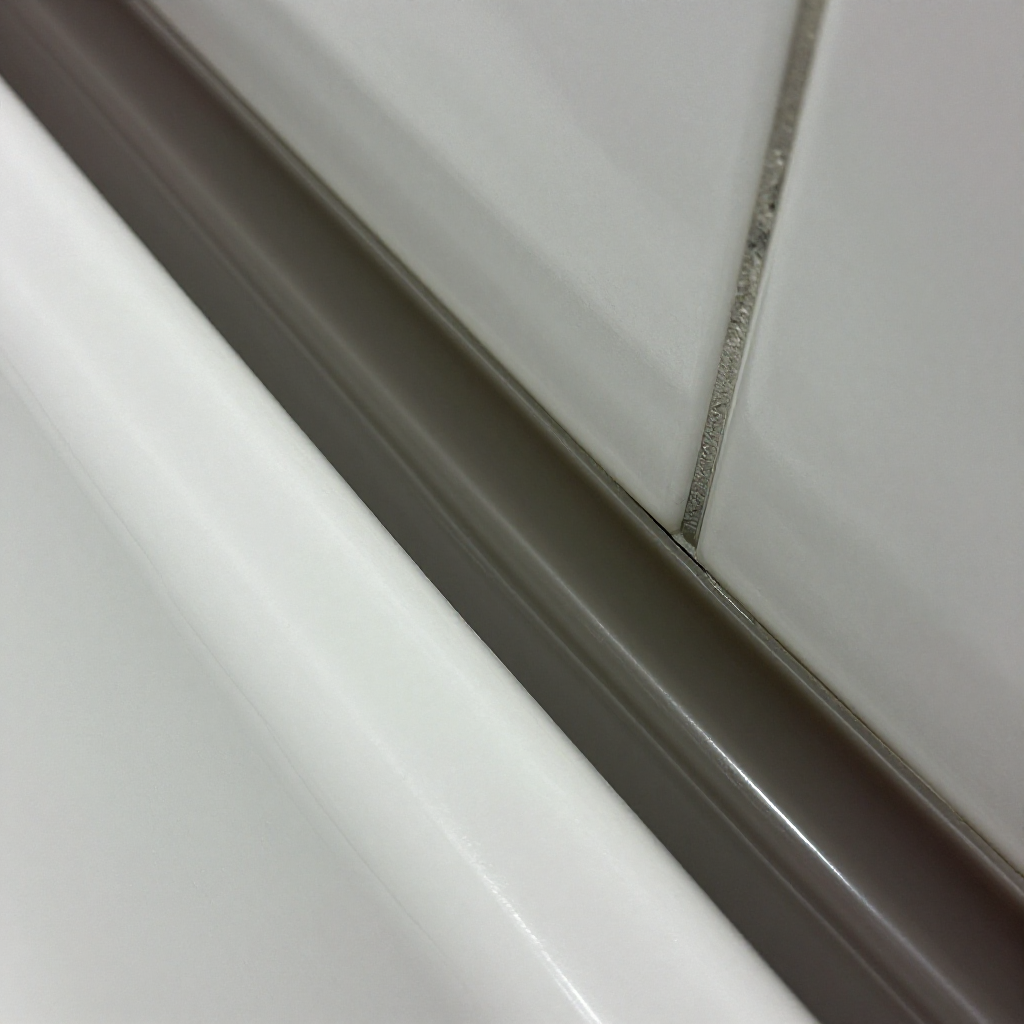
Cut out every trace of the old caulk

Cut out every trace of the old caulk

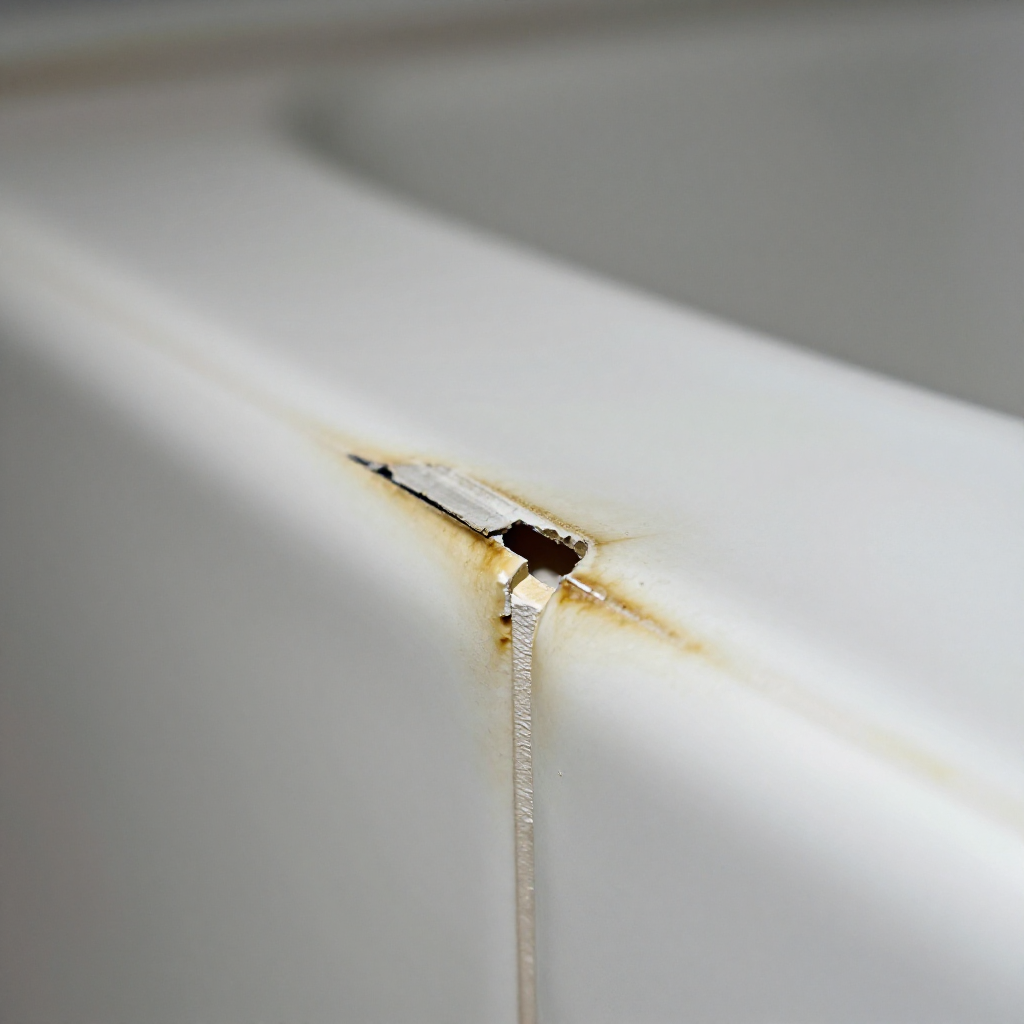
Fill the tub halfway with water before you start — the weight pulls the tub down and opens the joint gap. Use a utility knife to slice along both edges of the caulk bead where it meets tile and tub. Then use a plastic caulk removal tool to scrape the bead out. Don't use metal — it'll scratch the tub.

visibility3. Visual Guidance

See what's happening and how to try the first recovery step.
1
Kill residual mold with bleach solution
Kill residual mold with bleach solutionMix one part bleach to four parts water in a spray bottle. Soak the exposed joint and let it sit for 20 minutes. Scrub with an old toothbrush to get into the gap. Wipe dry with paper towels. The joint must be bone-dry before new caulk goes in.
2
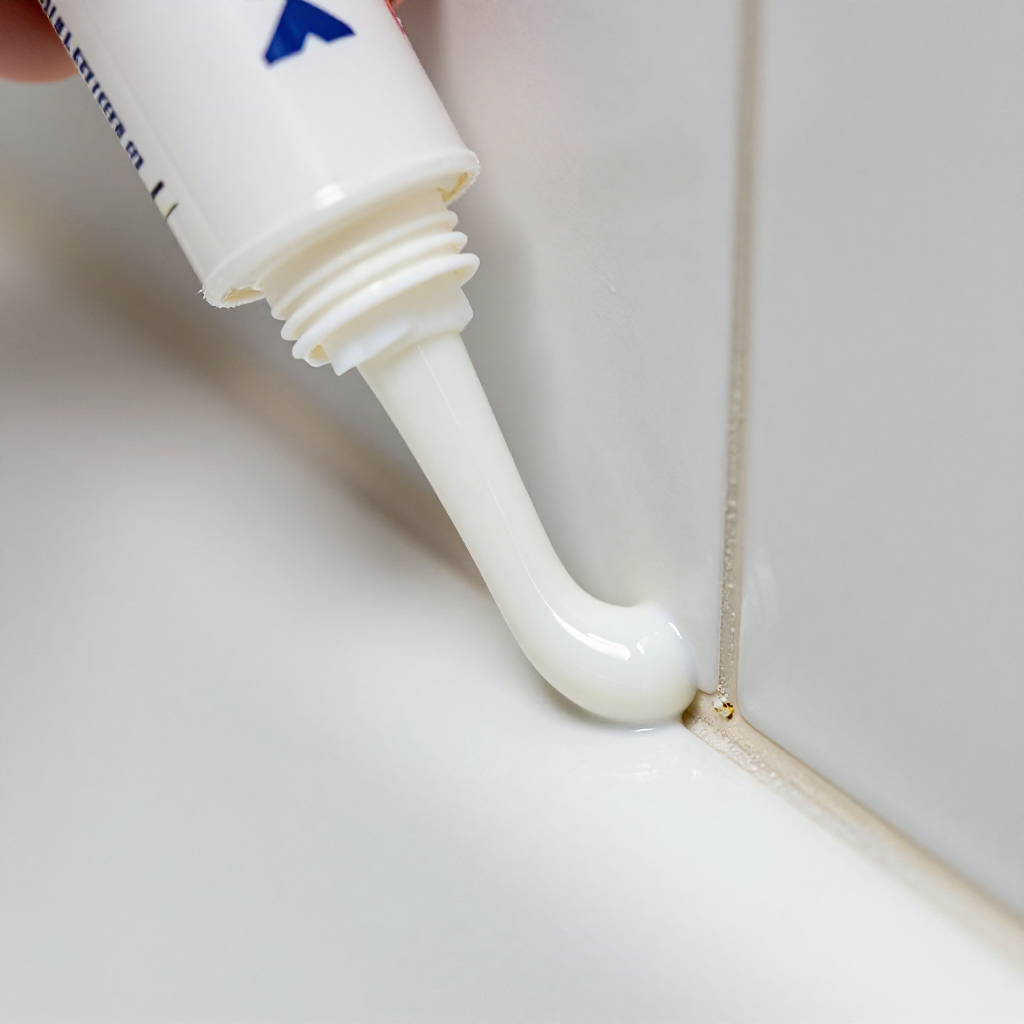
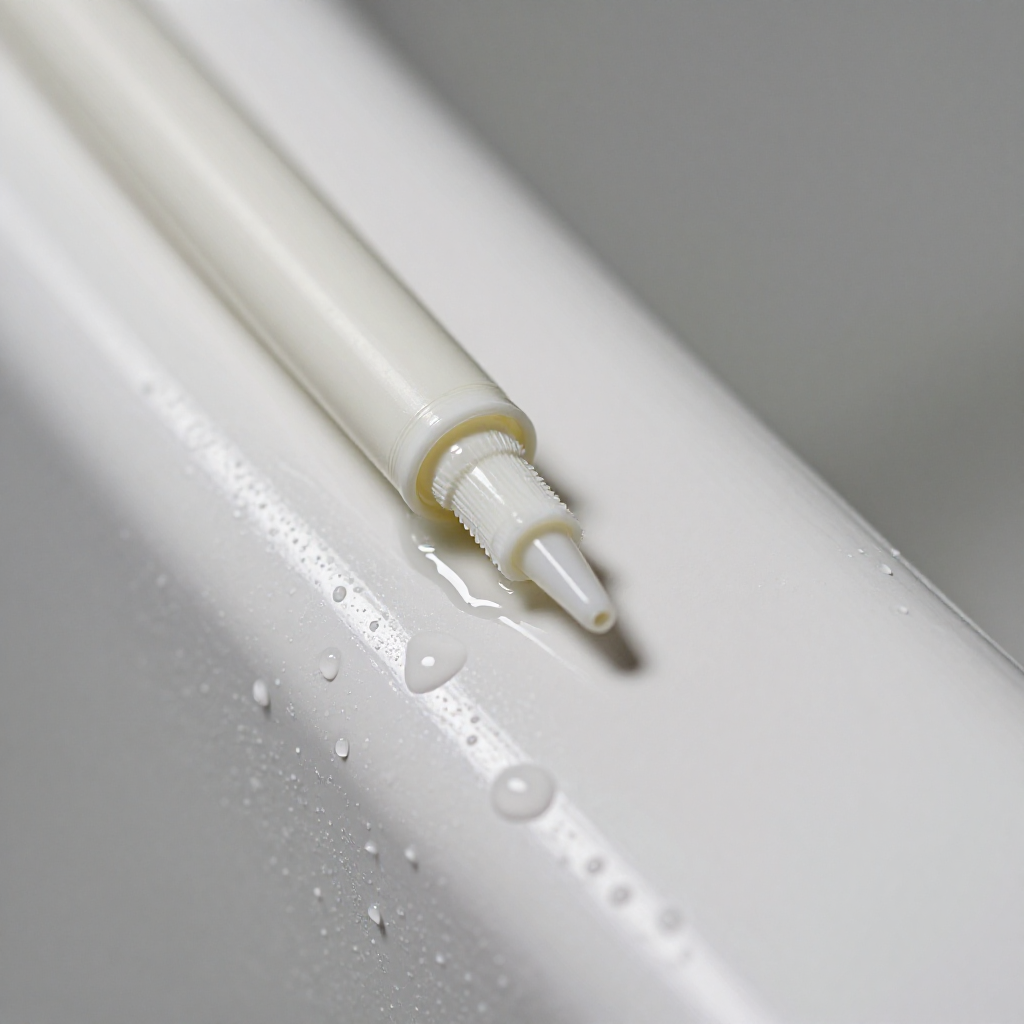
Apply a uniform bead of silicone caulk
Apply a uniform bead of silicone caulkCut the caulk tube nozzle at a 45-degree angle with a small opening. Apply steady pressure and move at a consistent speed — one continuous pass, no stopping. The bead should fill the gap without gaps or thin spots. A smooth bead is a waterproof bead.
3
Tool the bead with a wet finger
Tool the bead with a wet fingerDip your finger in a cup of water with a drop of dish soap. Run it along the bead in one smooth motion to press the caulk into the joint and create a concave profile. Wipe excess on a paper towel. Don't go back and forth — single pass only.
4
Let it cure for a full 24 hours
Let it cure for a full 24 hoursLeave the water in the tub for 12 hours, then drain. Don't use the shower for 24 hours minimum — 48 if your bathroom is humid. Silicone cures by absorbing moisture from the air, not by drying. Disturbing it during cure ruins the bond.

autorenew4. If That Doesn't Work

Try the next recovery options.

tape
Use caulk strip instead of siliconePeel-and-stick PVC caulk strips exist. They look decent for rentals but won't last more than two years. Real silicone is the permanent solution.
chevron_right

Frequently Asked Questions

Why does my caulk keep molding even after replacing it?expand_more
You're using acrylic caulk instead of 100% silicone. Acrylic is porous and mold eats through it. Buy kitchen-and-bath silicone specifically labeled with mildewcide. GE Silicone II or comparable. It costs $8 instead of $3 and lasts 5x longer.
Do I really need to fill the tub with water before caulking?expand_more
Yes. A full tub weighs 400+ pounds and drops the tub 1/8 to 1/4 inch. If you caulk with the tub empty, the bead will stretch and tear the first time you fill it. This one step is why most DIY caulk jobs fail.
Can I caulk over the old caulk to save time?expand_more
Absolutely not. New silicone won't bond to old silicone. You'll have a loose strip that traps water and molds worse within a month. Remove all old material.

warning5. Stop DIY If

Don't continue if any of these apply.

reportThe mold has spread behind the tile into the drywall — you'll see soft, crumbling wall board
reportThe tub has separated from the wall by more than 1/4 inch
reportYou smell musty odors coming from inside the wall cavity
Still stuck?Get personalized help with AI Recovery.

Related Recovery Problems

View all arrow_forward

Same Device Recovery States

Device index arrow_forward

Similar Failure Pattern

This page provides general DIY guidance.
If you're unsure, it's always best to consult a professional.