STUCKFIX
handymanDIY Friendly
build

Why Is My Light Switch Hot to the Touch After Replacing a Bulb?

A hot switch indicates a loose wire connection, an overloaded circuit, or an incompatible dimmer. This can lead to fire if ignored.

Category:Electrical
Difficulty:Moderate
Time:30 min
Success:50%
Updated:May 30, 2026

quick_referenceQuick Answer

For Why Is My Light Switch Hot to the Touch After Replacing a Bulb?, start with "Turn Off Power at the Breaker": Locate the correct breaker in your panel and switch it to OFF. Use a non-contact voltage tester to confirm the switch has no power before touching any wires. Stop DIY if you see melted plastic or smell burning near the switch. This is listed as a moderate recovery and usually takes about 30 min.

verifiedGuide Snapshot

Repair areaElectrical
Estimated time30 min
DifficultyModerate
Stop conditions3

Last updated May 30, 2026. Review the stop conditions before continuing.

account_treeRecovery State

Current stateOverheating
Specific stateLoose Connection
Failed stepLoose Terminal Screw
Likely failure typeElectrical Fault
DIY boundaryDIY recovery first
paymentsCost decision

help1. Understand the Problem

A light switch that feels hot after a bulb change usually means the bulb wattage exceeds the switch rating, or the switch's internal connections are loose. Heat is a sign of electrical resistance. Dimmer switches are especially sensitive: using a non-dimmable LED bulb on a dimmer can overheat the switch. Immediate investigation is needed.

build_circle2. Try This First
Best First Step
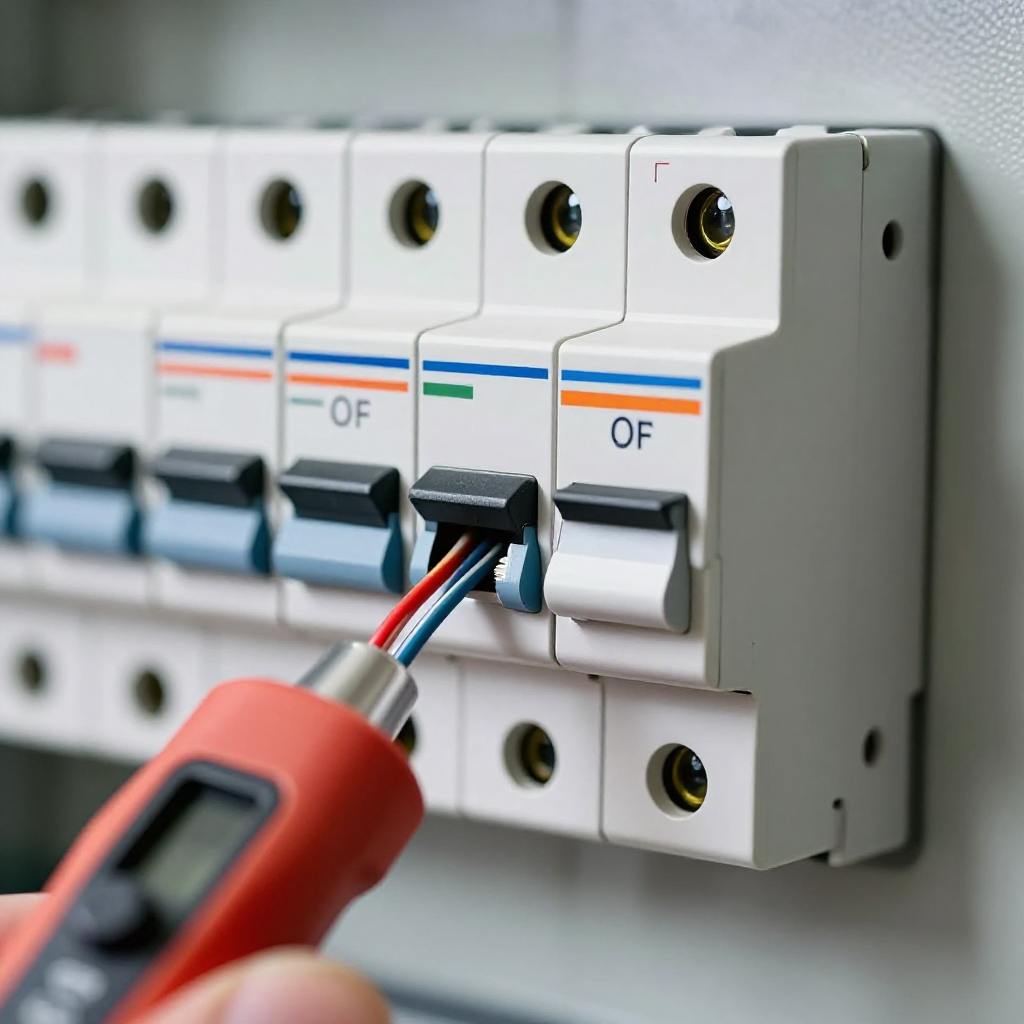
Turn Off Power at the Breaker

Turn Off Power at the Breaker

Locate the correct breaker in your panel and switch it to OFF. Use a non-contact voltage tester to confirm the switch has no power before touching any wires.

visibility3. Visual Guidance

See what's happening and how to try the first recovery step.
1
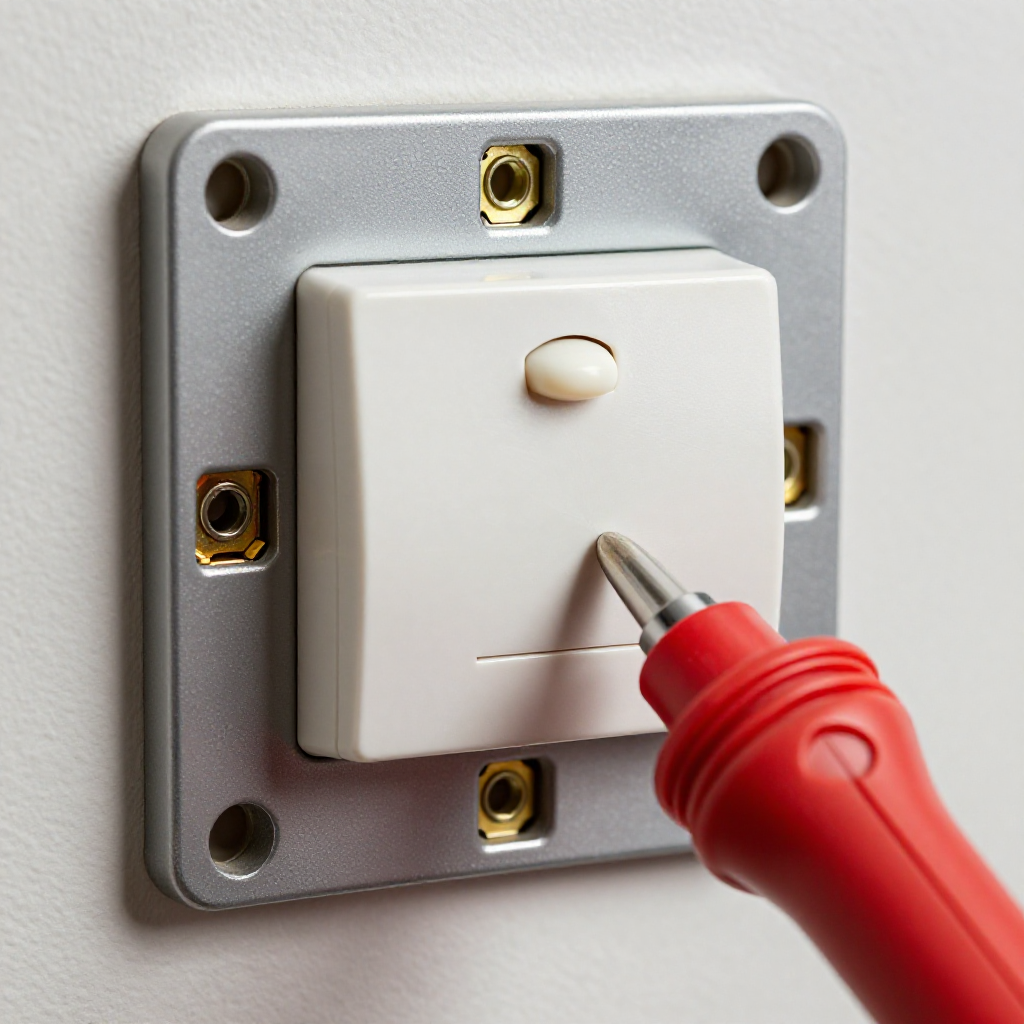
Remove the Switch Cover and Test for Power
Remove the Switch Cover and Test for PowerUnscrew the wall plate, then unscrew the switch from the box. Gently pull the switch out. Touch the voltage tester to each terminal to ensure it's dead.
2
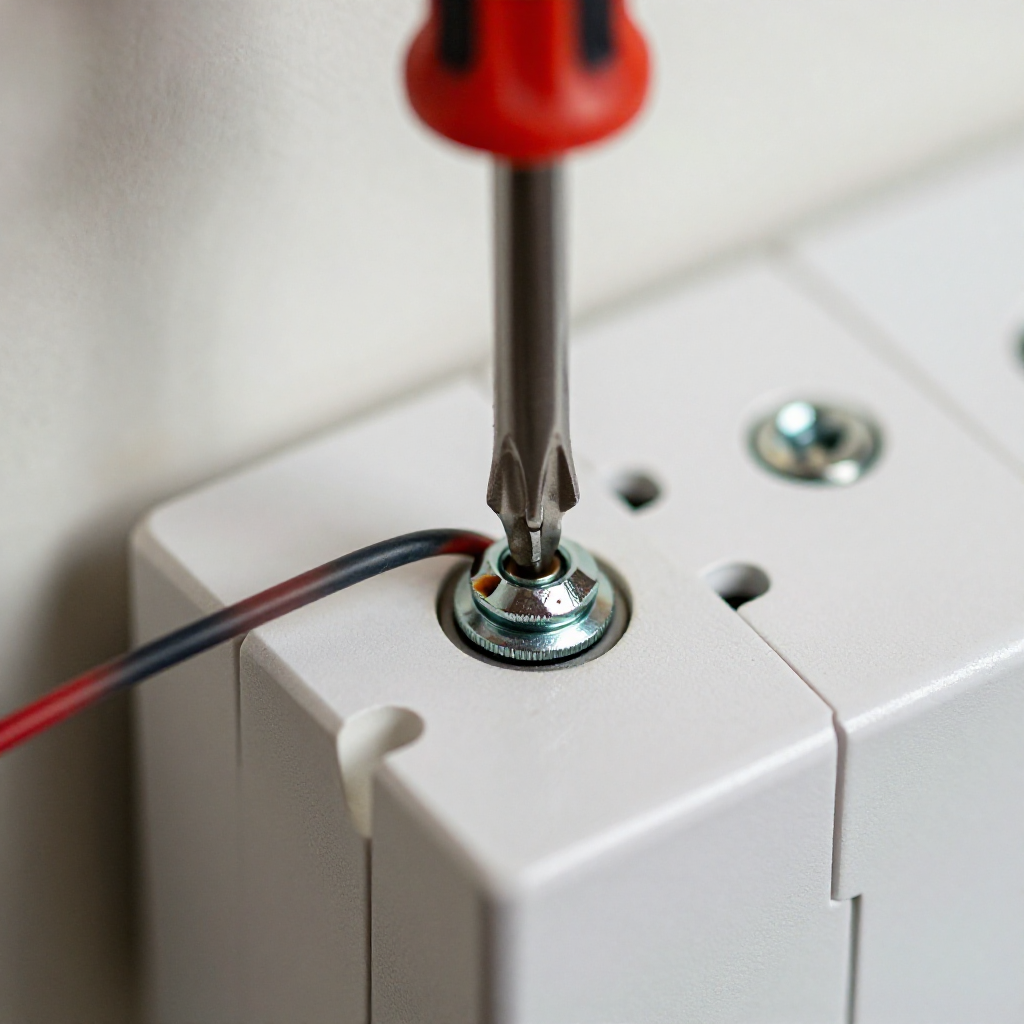
Inspect Wire Connections for Tightness
Inspect Wire Connections for TightnessCheck each wire nut and terminal screw. A loose screw can arc and generate heat. Tighten any loose screws with a screwdriver. Look for burnt or melted insulation.
3
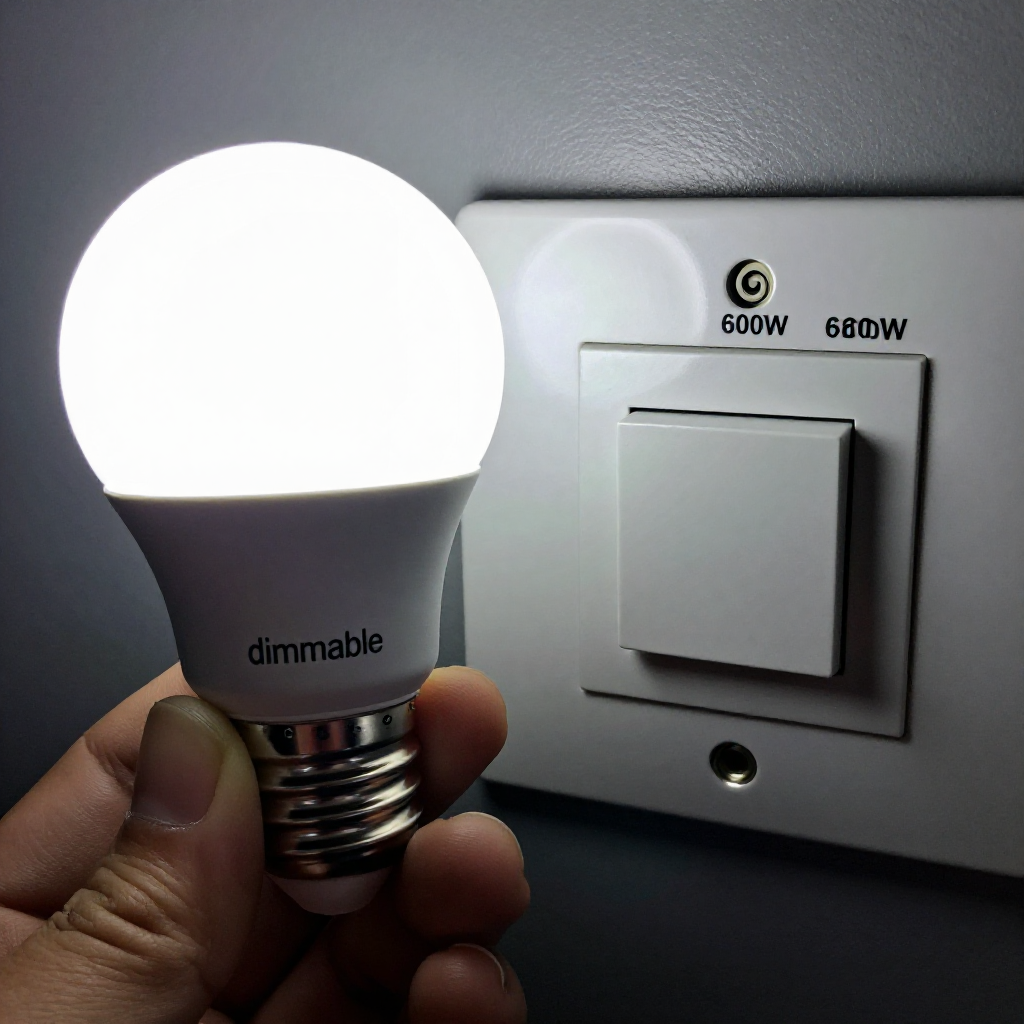
Check the Bulb Wattage and Compatibility
Check the Bulb Wattage and CompatibilityRemove the bulb from the fixture and read its wattage. Compare to the switch's rating (stamped on the switch). If using a dimmer, ensure the bulb is labeled 'dimmable'.

autorenew4. If That Doesn't Work

Try the next recovery options.

Swap the Bulb for a Lower Wattage or Compatible TypeReplace the bulb with one that matches the switch's maximum rating (e.g., 600W for dimmers, 15A for standard switches). Use only dimmable LEDs on dimmer switches.
chevron_right
Check and Tighten Wire Connections at the SwitchTurn off breaker, unscrew the switch, and verify that all wire nuts are tight and terminal screws are snug. Reinstall the switch.
chevron_right
Replace the Switch with a Higher-Rated ModelIf the switch is old or undersized, install a new switch rated for the load. For dimmers, ensure it supports the total wattage of all bulbs on the circuit.
chevron_right

Frequently Asked Questions

expand_more
expand_more
expand_more

warning5. Stop DIY If

Don't continue if any of these apply.

reportYou see melted plastic or smell burning near the switch
reportThe switch feels extremely hot (cannot keep your finger on it)
reportThe breaker trips repeatedly when turning the switch on
Still stuck?Get personalized help with AI Recovery.

Same Device Recovery States

Device index arrow_forward

Similar Failure Pattern

This page provides general DIY guidance.
If you're unsure, it's always best to consult a professional.