STUCKFIX
handymanDIY Friendly
notifications_off

Doorbell Button Presses but Chime Stays Silent

A doorbell that stays dead when someone presses the button is either a wiring fault, a failed transformer, or a stuck chime plunger. Trace the path with a multimeter to find which part gave out.

Category:Electrical
Difficulty:Easy
Time:15 min
Success:50%
Updated:May 28, 2026

quick_referenceQuick Answer

For Doorbell Button Presses but Chime Stays Silent, start with "Bridge the button terminals to test the wiring": Stop pressing the button repeatedly — if it is sticking internally, you risk overheating the transformer. Remove the two screws holding the doorbell button to the wall and gently pull it away from the wires. Touch the two bare wire ends together briefly. If the chime rings, the button is bad and needs replacement — a five-dollar fix. If nothing happens, the fault is upstream at the transformer or chime, not the button. Stop DIY if you cannot locate the transformer after checking the panel, attic, and furnace area — it may be buried behind drywall and requires an electrician to trace. This is listed as a easy recovery and usually takes about 15 min.

verifiedGuide Snapshot

Repair areaElectrical
Estimated time15 min
DifficultyEasy
Stop conditions4

Last updated May 28, 2026. Review the stop conditions before continuing.

account_treeRecovery State

DeviceDoorbell
Current stateNot Ringing
Specific stateChime Silent
Failed stepButton Press
Likely failure typeElectrical Fault
DIY boundaryDIY recovery first
paymentsCost decision

help1. Understand the Problem

A doorbell circuit is one of the simplest electrical systems in a house: a low-voltage transformer sends 16-24V AC through the button to the chime and back. When the chime stays silent, the break is almost always at one of three points — the button contacts are corroded, the transformer has failed, or the chime solenoid plunger is stuck in its sleeve. Doorbell wiring rarely fails unless it has been physically cut or chewed by rodents.

build_circle2. Try This First
Best First Step
Bridge the button terminals to test the wiring

Bridge the button terminals to test the wiring

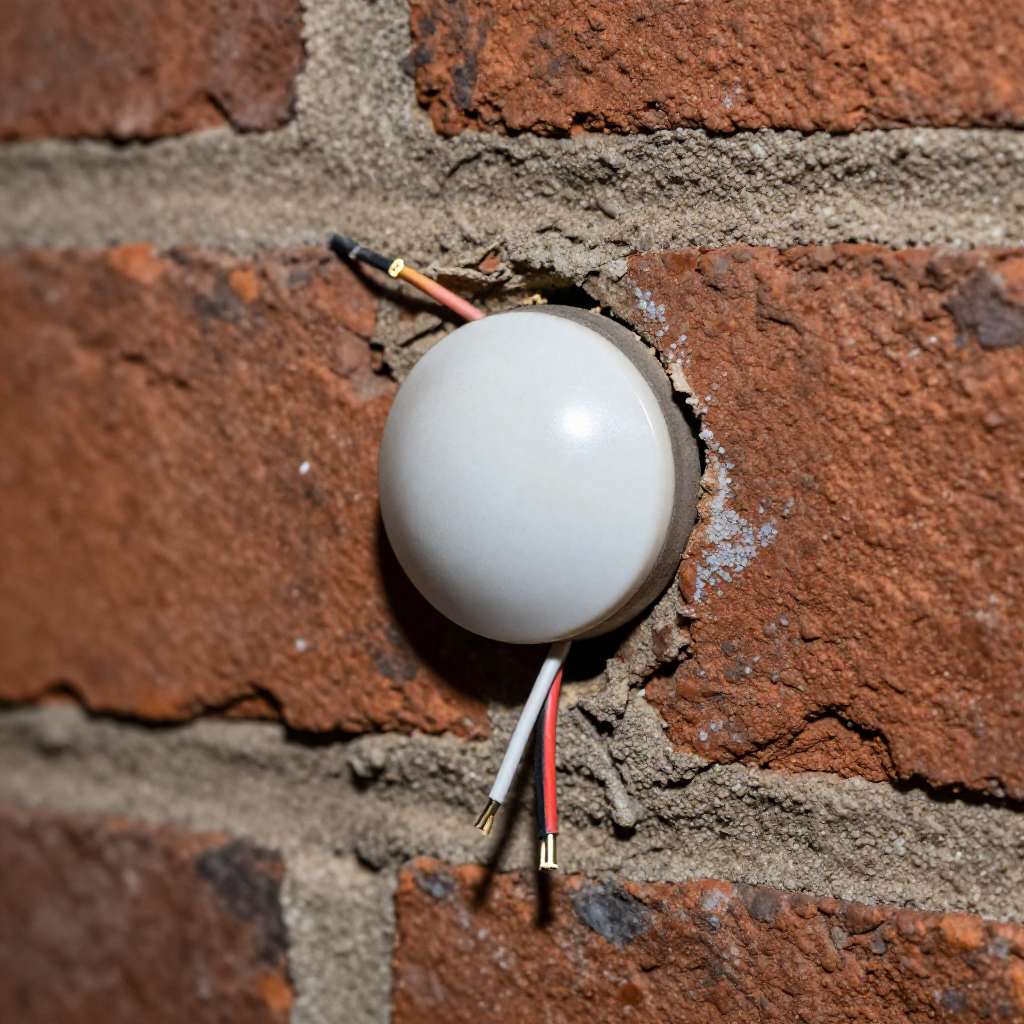
Stop pressing the button repeatedly — if it is sticking internally, you risk overheating the transformer. Remove the two screws holding the doorbell button to the wall and gently pull it away from the wires. Touch the two bare wire ends together briefly. If the chime rings, the button is bad and needs replacement — a five-dollar fix. If nothing happens, the fault is upstream at the transformer or chime, not the button.

visibility3. Visual Guidance

See what's happening and how to try the first recovery step.
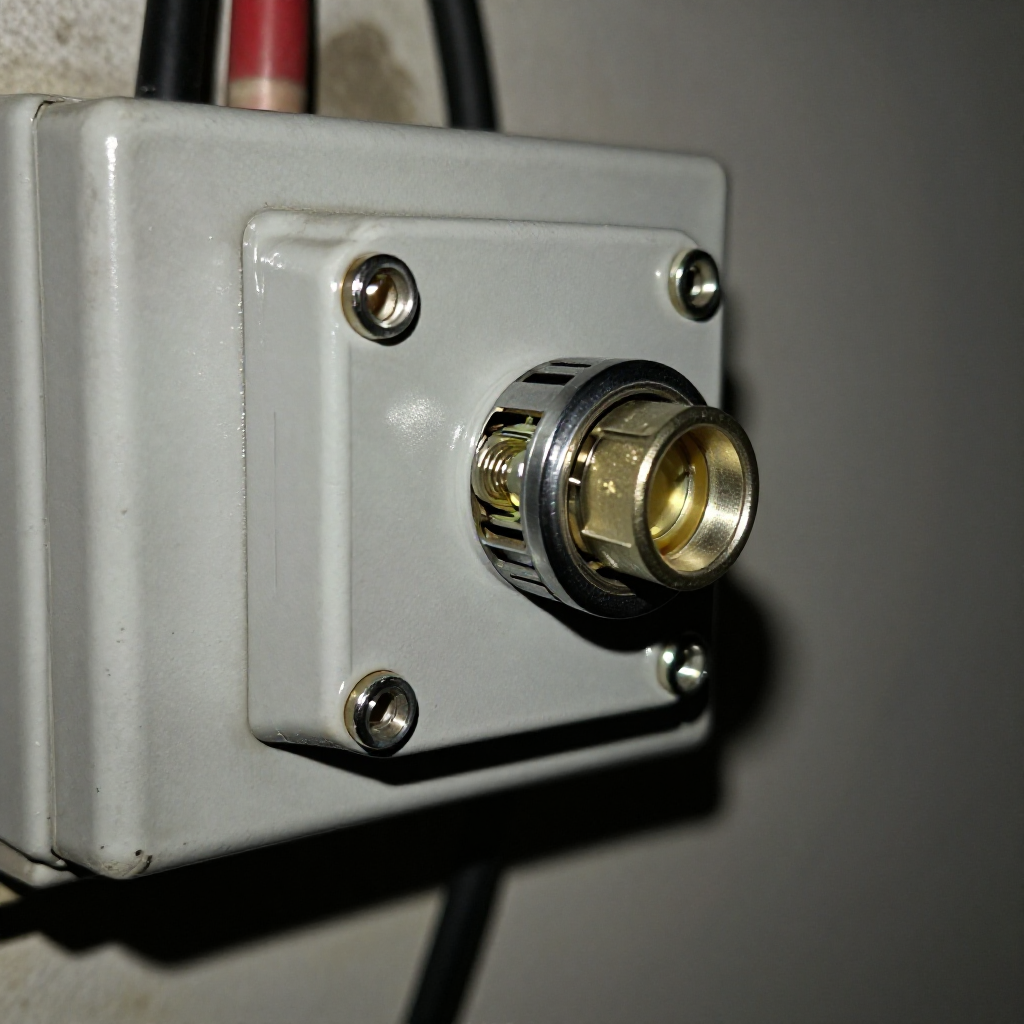
1
Test the transformer output voltage
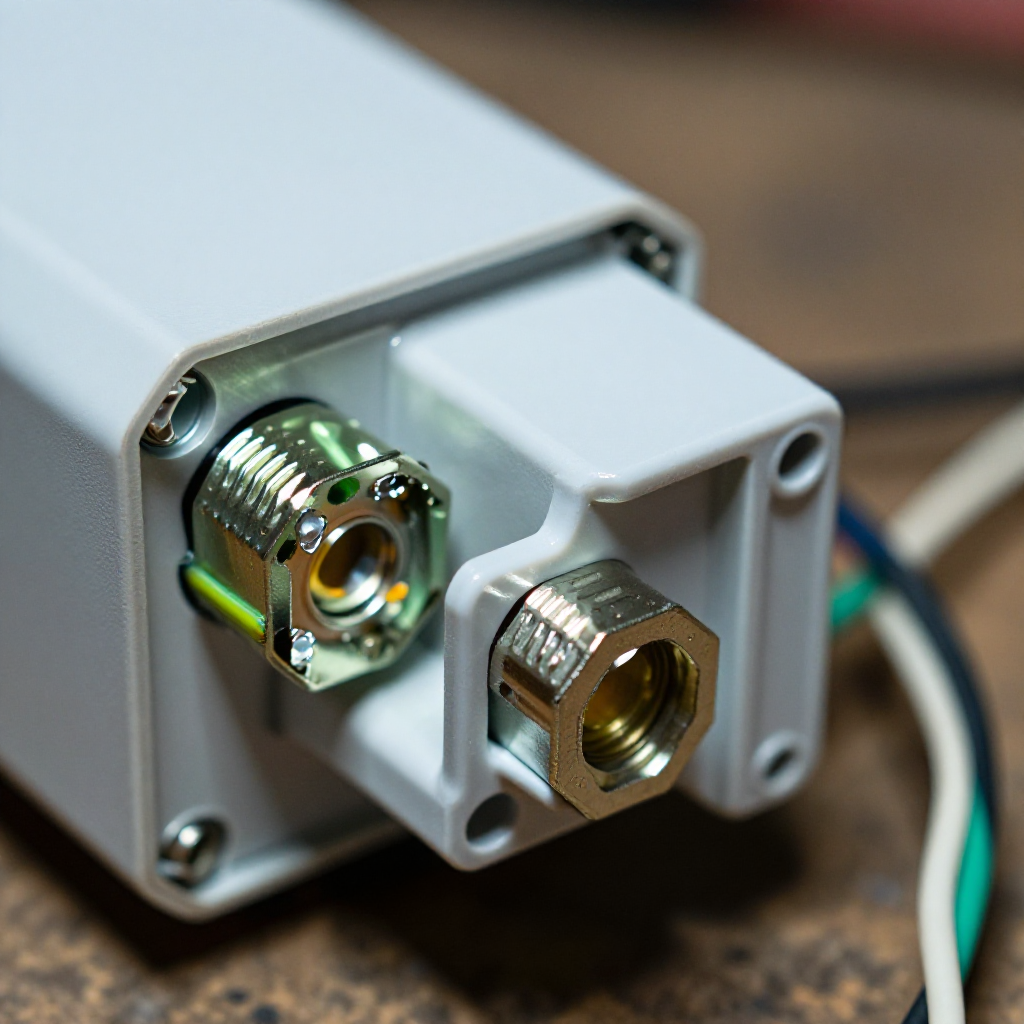
Test the transformer output voltageLocate the doorbell transformer — it is usually mounted on the side of the electrical panel, in the attic, or near the furnace. Set a multimeter to AC volts and touch the probes to the two low-voltage screw terminals. You should see 16-24 volts AC. Zero volts means the transformer is dead and needs replacement. A reading below 16 volts means the transformer is failing under load.
2
Check the chime plungers for binding
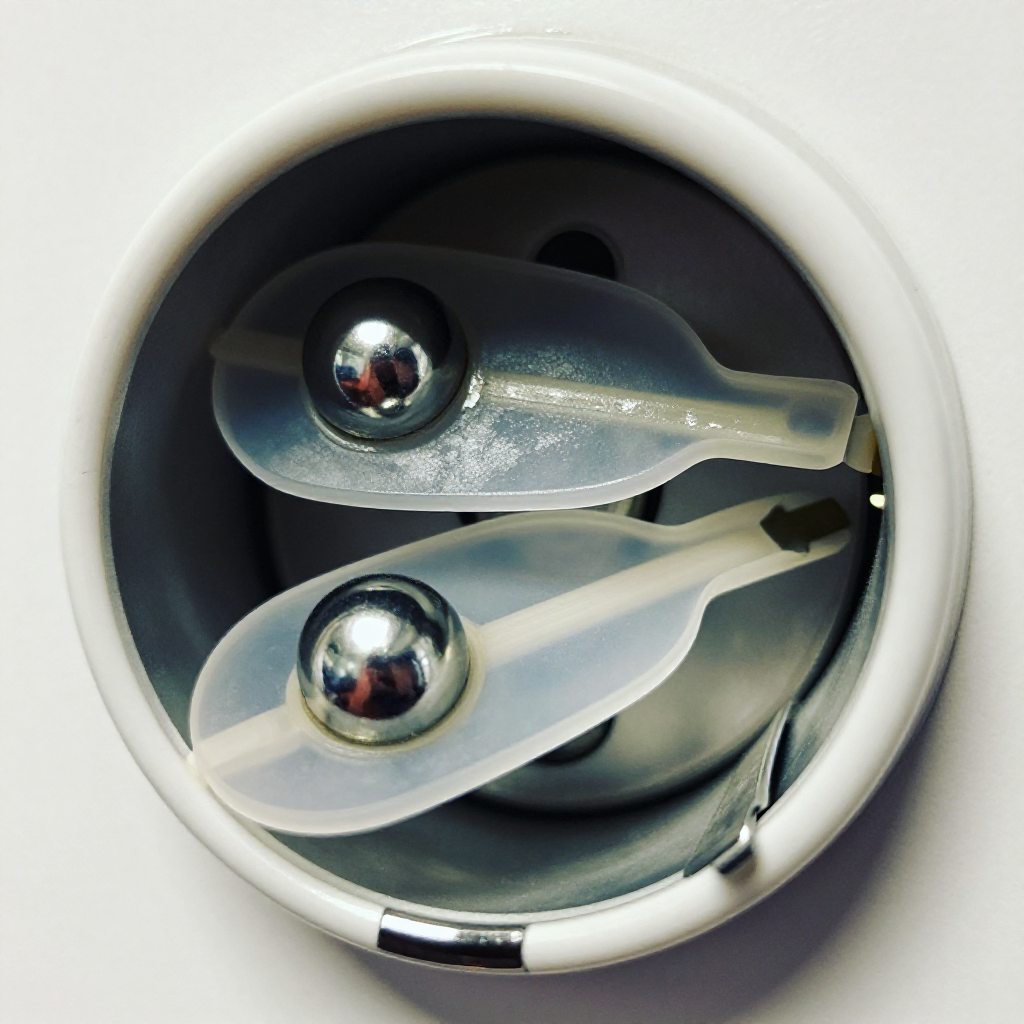
Check the chime plungers for bindingRemove the chime cover — most snap on and off. Inside you will see two small metal plungers inside plastic sleeves, one for the front door and one for the rear. Press each plunger gently with your finger — they should move freely. If one is stuck, a drop of dry silicone lubricant on the shaft frees it. Do not use WD-40 or oil — they attract dust and gum up again.
3
Inspect the chime wiring connections for corrosion
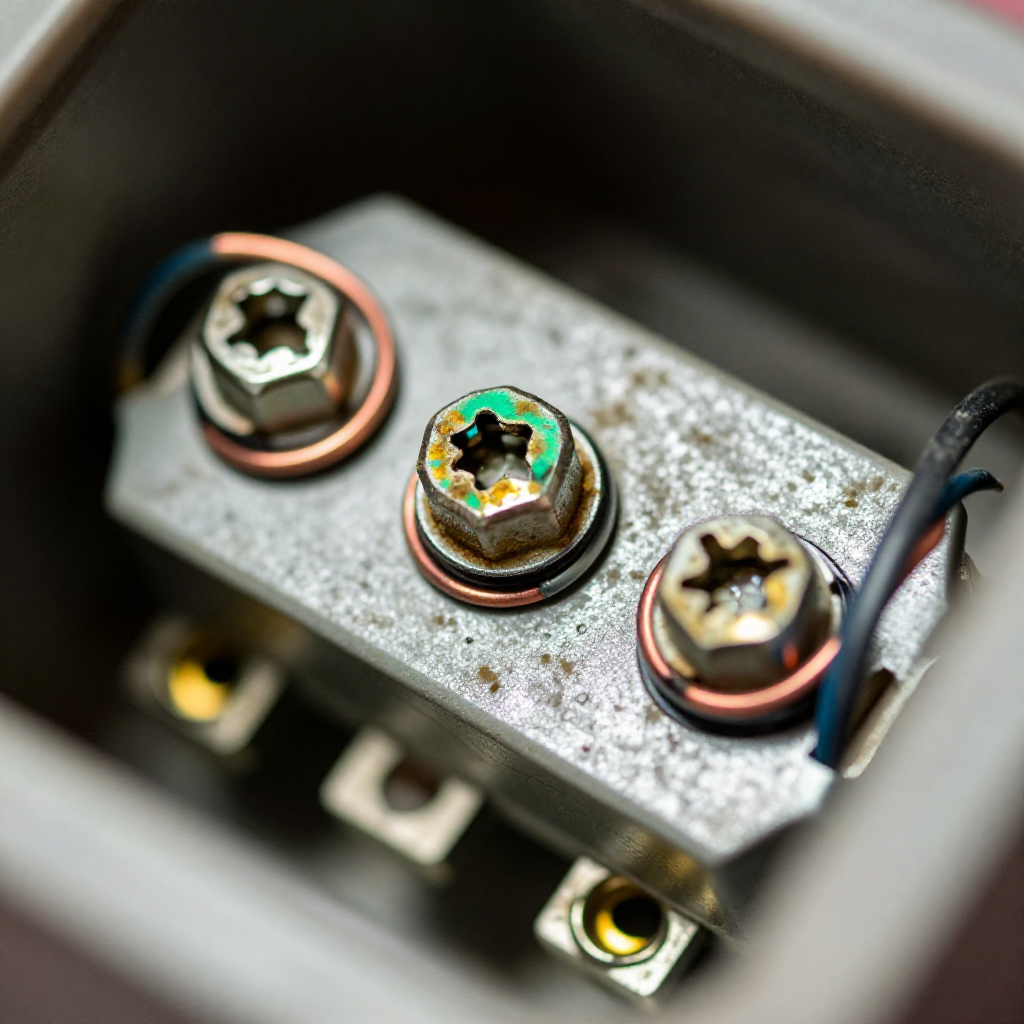
Inspect the chime wiring connections for corrosionInside the chime, there are three screw terminals labeled Front, Trans, and Rear. Tighten each screw to confirm the wire is secure. Look for green or white corrosion on the copper wire ends. If the wire is corroded, clip it back to clean copper and restrip half an inch before reattaching. Corrosion adds enough resistance to drop the voltage below what the chime needs to fire.
4
Replace the transformer if voltage is dead or low
Replace the transformer if voltage is dead or lowTurn off the breaker for the transformer circuit at the panel. Test the wires with a non-contact voltage tester to confirm power is off. Disconnect the old transformer — it is held by a lock nut on the electrical box. Wire the new transformer identically: black to hot, white to neutral, green to ground. Mount the new unit, turn the breaker back on, and confirm 16-24V AC output at the low-voltage terminals before reconnecting the chime.

autorenew4. If That Doesn't Work

Try the next recovery options.

cleaning_services
Clean corroded button contacts with sandpaperIf the button is the problem but you want to save it, remove the button from the housing and sand the brass contact points with 220-grit sandpaper until they are bright and clean. Reassemble and reinstall. This works once or twice before the contacts wear too thin.
chevron_right
cable
Test continuity of the wiring run with a tone tracerIf all components test good but the chime still won't ring, the 18-gauge wire may be broken inside the wall. Use a tone tracer to send a signal from the button location and check if it reaches the chime and transformer. A broken wire means fishing a new run — a bigger job but the diagnosis is solid.
chevron_right
sensors
Install a wireless doorbell as a permanent bypassIf the existing wiring is damaged beyond practical repair but you want a hardwired feel, install a wireless doorbell kit. Mount the battery-powered button outside, plug the chime unit into any indoor outlet, and leave the old wiring abandoned in place. A good wireless kit costs $25-40 and takes less than ten minutes.
chevron_right

Frequently Asked Questions

Can doorbell wiring shock me?expand_more
Doorbell circuits run at low voltage — 16 to 24 volts AC — which won't deliver a dangerous shock under dry conditions. The transformer primary side is 120V and is dangerous, but it is inside a covered electrical box. Always turn off the breaker before handling the transformer.
My doorbell hums but won't ring — what does that mean?expand_more
A humming chime means the solenoid is getting power but the plunger can't complete its stroke. This is almost always a stuck plunger in the chime unit. Remove the cover, free the plunger, and apply a tiny drop of dry silicone lube.
Can I use any doorbell transformer as a replacement?expand_more
Match the voltage — 16V AC is standard for most mechanical chimes. If you have a video doorbell like Ring or Nest, those usually require 16-24V AC at 30VA or higher. Check the doorbell manufacturer's specs before buying a transformer. Using an underpowered transformer causes intermittent operation.

warning5. Stop DIY If

Don't continue if any of these apply.

reportYou cannot locate the transformer after checking the panel, attic, and furnace area — it may be buried behind drywall and requires an electrician to trace.
reportThe transformer is hot to the touch even when the doorbell hasn't been pressed, indicating an internal short that can start a fire.
reportThe wiring at any connection point shows melt marks, burned insulation, or a burnt electrical smell.
reportYou test voltage at the transformer and get significantly more than 24V AC — this indicates a wrong transformer or a line-voltage wiring error.
Still stuck?Get personalized help with AI Recovery.

Related Recovery Problems

View all arrow_forward

Similar Failure Pattern

This page provides general DIY guidance.
If you're unsure, it's always best to consult a professional.