STUCKFIX
handymanDIY Friendly
water_drop

Water Hammer Banging Noise When Taps Turn Off

That loud bang when a washing machine or faucet shuts off is water hammer. It can damage pipes over time. Fix it with a simple air chamber recharge.

Category:Plumbing
Difficulty:Easy
Time:20 min
Success:50%
Updated:May 24, 2026

quick_referenceQuick Answer

For Water Hammer Banging Noise When Taps Turn Off, start with "Drain the plumbing system to recharge air chambers": Shut off the main water valve where the water enters your house. Then open every faucet in the house — all sinks, tubs, showers, and the outside spigots. Start from the highest floor and work down. Also flush every toilet to drain the tanks. Leave everything open for 10 minutes. This drains the water out of the vertical air chambers behind your walls, refilling them with air — which is what absorbs the shock wave. Close all faucets starting from the lowest floor up, then turn the main valve back on slowly. Run each faucet briefly to clear the sputtering air. Test your washing machine — the banging should be gone or significantly reduced. Stop DIY if you hear banging that started suddenly and is getting worse — this could be a failing prv or a pipe about to burst at a fitting. This is listed as a easy recovery and usually takes about 20 min.

verifiedGuide Snapshot

Repair areaPlumbing
Estimated time20 min
DifficultyEasy
Stop conditions4

Last updated May 24, 2026. Review the stop conditions before continuing.

account_treeRecovery State

Current stateWater Hammer
Specific stateAir Chamber Waterlogged
Failed stepValve Closure Shock
Likely failure typeLeak Path
DIY boundaryDIY recovery first
paymentsCost decision

help1. Understand the Problem

Water hammer happens when fast-moving water slams to a stop when a valve closes suddenly — solenoid valves on washing machines and dishwashers are the worst offenders. The shockwave travels through the pipes, rattling them against framing and straining every joint. Over time, the air chambers built into your plumbing system (vertical pipe sections near fixtures) can fill with water and lose their cushioning effect. Recharging those air chambers often solves it, but persistent hammering may need a mechanical water hammer arrestor installed.

build_circle2. Try This First
Best First Step
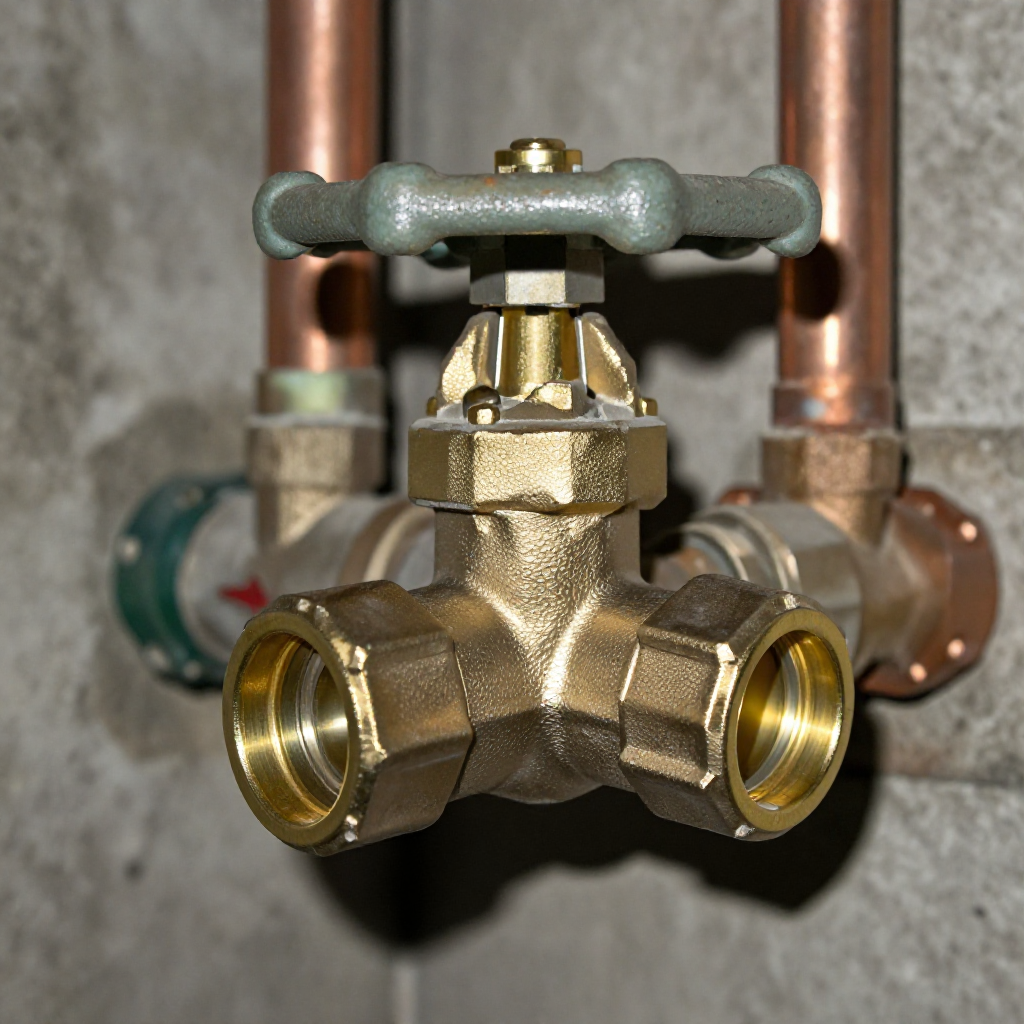
Drain the plumbing system to recharge air chambers

Drain the plumbing system to recharge air chambers

Shut off the main water valve where the water enters your house. Then open every faucet in the house — all sinks, tubs, showers, and the outside spigots. Start from the highest floor and work down. Also flush every toilet to drain the tanks. Leave everything open for 10 minutes. This drains the water out of the vertical air chambers behind your walls, refilling them with air — which is what absorbs the shock wave. Close all faucets starting from the lowest floor up, then turn the main valve back on slowly. Run each faucet briefly to clear the sputtering air. Test your washing machine — the banging should be gone or significantly reduced.

visibility3. Visual Guidance

See what's happening and how to try the first recovery step.
1
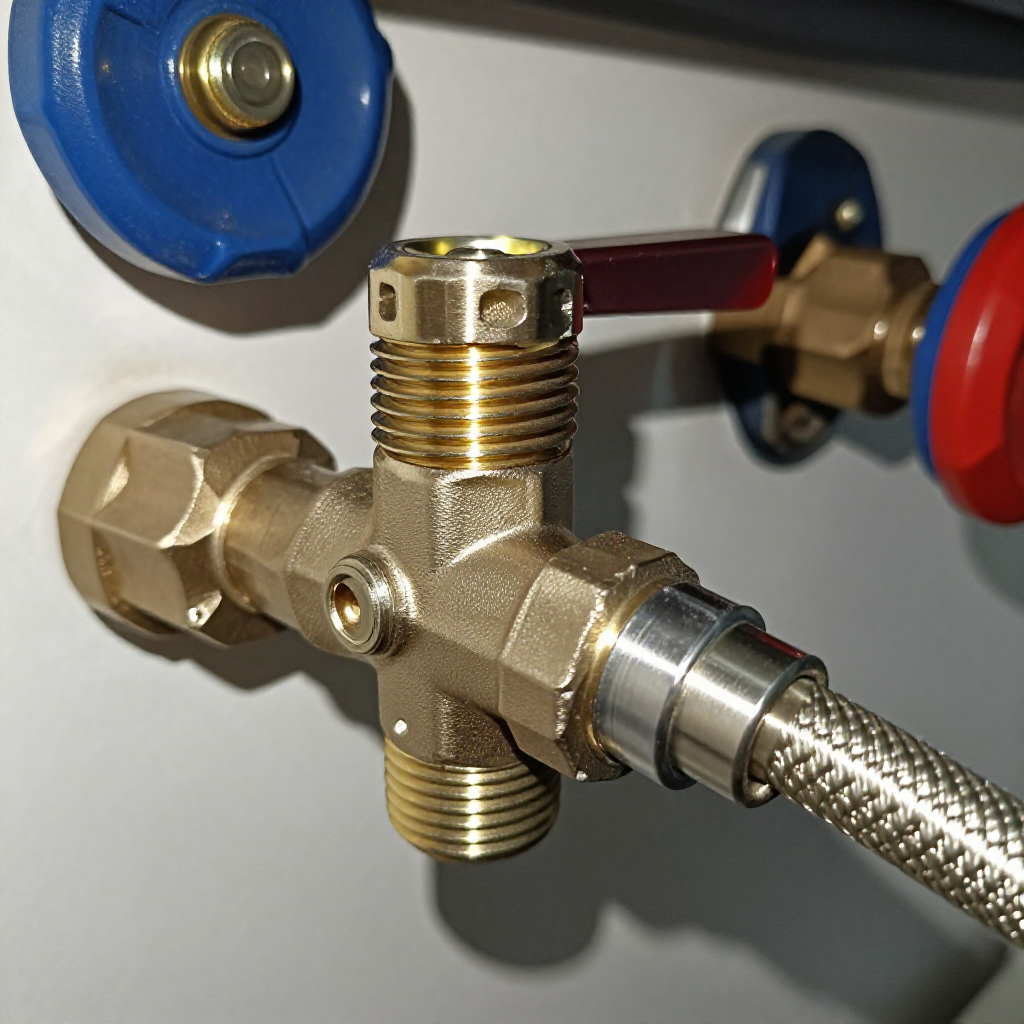
Install screw-on water hammer arrestors at problem appliances
Install screw-on water hammer arrestors at problem appliancesIf draining the system didn't fix it, the appliance causing the hammer needs its own arrestor. For a washing machine, buy a pair of screw-on water hammer arrestors (about $15 each). They thread directly onto the washing machine valves where the supply hoses connect. Turn off both hot and cold valves at the wall, unscrew the hoses from the valves only, thread the arrestors onto the valves, then reconnect the hoses to the arrestors. These contain a sealed air bladder that absorbs the shock right at the source.
2
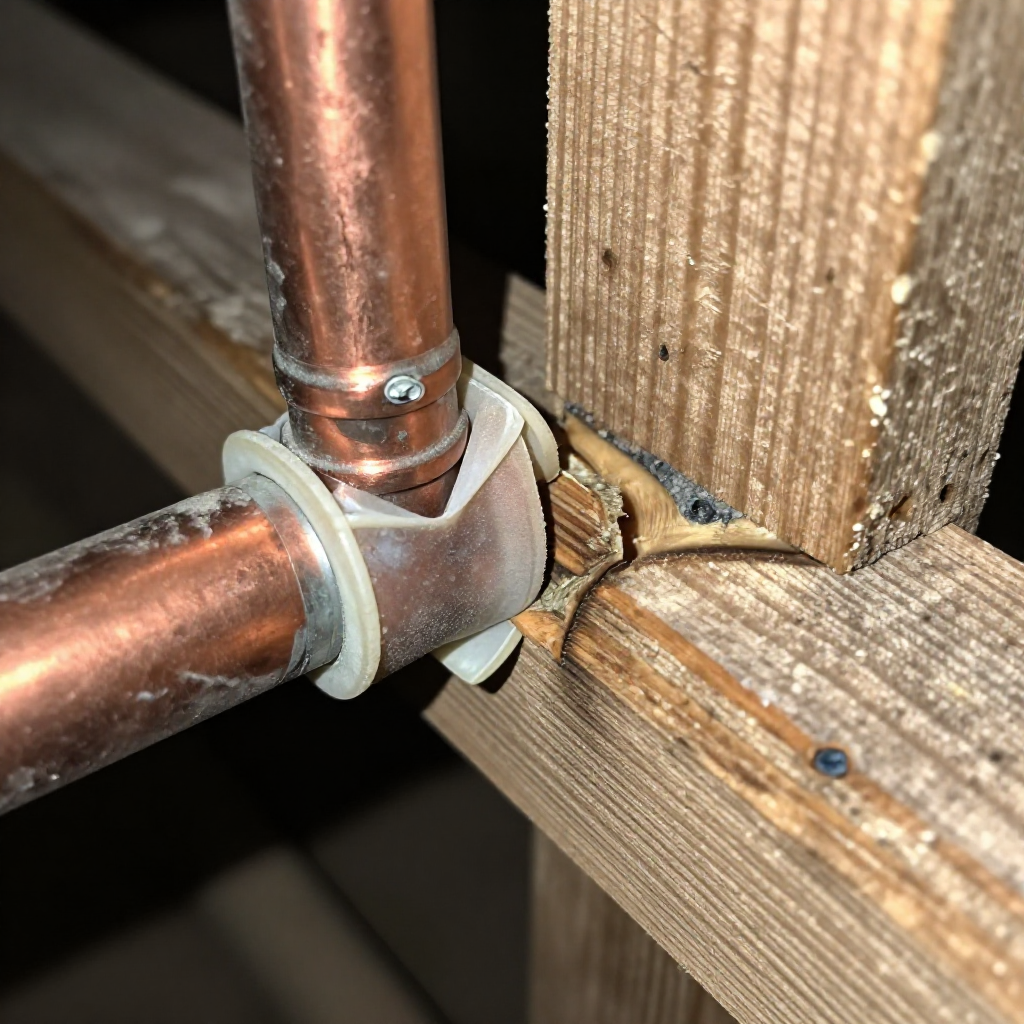
Secure loose pipes with pipe clamps or foam insulation
Secure loose pipes with pipe clamps or foam insulationSometimes the water hammer isn't the pressure wave — it's the pipe physically slamming into framing when the wave hits it. Go to the basement or crawl space and have someone cycle the valve that triggers the noise. Watch and listen — you'll see the pipe jump. Install plastic pipe clamps or cushioned pipe hangers every 4-6 feet along the run to hold it steady. For pipes running through tight holes in joists, wrap the pipe with foam pipe insulation where it passes through to eliminate the contact point.
3
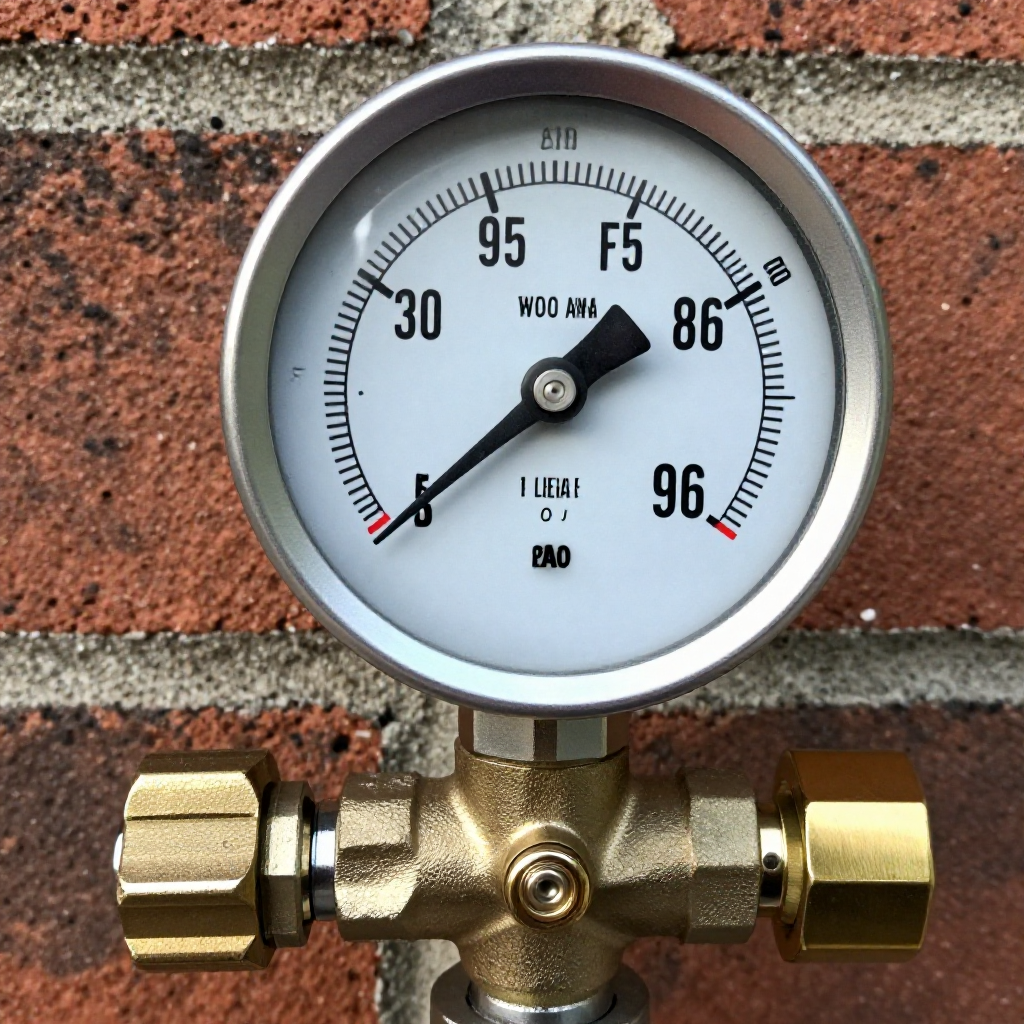
Check and adjust your home's water pressure
Check and adjust your home's water pressureWater pressure above 80 PSI makes water hammer much worse and stresses the entire plumbing system. Attach a pressure gauge to an outdoor spigot or laundry sink faucet (they're usually closest to the main). If it reads above 80 PSI, you need a pressure reducing valve (PRV) — this is a plumber-level job because it's cut into the main line. If you already have a PRV, it may need adjustment or replacement. Most PRVs are adjustable with a screw on top and a lock nut — tighten clockwise to reduce pressure.

autorenew4. If That Doesn't Work

Try the next recovery options.

home
Install a whole-house water hammer arrestorFor homes with systemic water hammer across multiple fixtures, a single large arrestor installed near the water heater or main supply line absorbs shock for the entire system. These are sweat-in (soldered) fittings — this is a plumber job unless you're comfortable with a torch.
chevron_right
swap_horiz
Replace fast-closing solenoid valves with slow-close modelsSome appliance solenoid valves close aggressively by design. If one appliance is the consistent trigger, check if the manufacturer offers a slow-close or soft-close valve replacement. This is most common with washing machines.
chevron_right

Frequently Asked Questions

Is water hammer dangerous or just annoying?expand_more
It's both. The shock wave can reach 300+ PSI — enough to blow a weak solder joint or crack an old pipe over time. A single loud bang won't burst a pipe, but years of hammering will fatigue joints. Don't ignore it.
Why does water hammer only happen with my washing machine, not my sinks?expand_more
Washing machines and dishwashers use fast-acting solenoid valves that close in milliseconds. A faucet you turn by hand closes more gradually, so the water decelerates instead of slamming to a stop.
How do water hammer arrestors actually work?expand_more
They contain a piston or diaphragm backed by a sealed air or gas chamber. When the shock wave hits, the piston compresses the gas, absorbing the energy — like a shock absorber on a car. The water never touches the air, so they never waterlog.
Will an expansion tank on my water heater fix water hammer?expand_more
Not directly. An expansion tank handles thermal expansion as water heats up — that's a different pressure problem. It might dampen minor hammer indirectly, but it's not a substitute for an arrestor at the source.

warning5. Stop DIY If

Don't continue if any of these apply.

reportYou hear banging that started suddenly and is getting worse — this could be a failing PRV or a pipe about to burst at a fitting.
reportThere are signs of water damage on walls or ceilings near where the banging occurs — the pipe may have already cracked at a joint.
reportYour home's main shutoff valve is seized or won't fully close — you can't safely drain the system without a working main valve.
reportYou have old galvanized steel pipes — they're brittle, corroded internally, and more likely to crack when you drain and refill the system.
Still stuck?Get personalized help with AI Recovery.

Related Recovery Problems

View all arrow_forward

Same Device Recovery States

Device index arrow_forward

Similar Failure Pattern

This page provides general DIY guidance.
If you're unsure, it's always best to consult a professional.