STUCKFIX
handymanDIY Friendly
build

Why Does My Toilet Run Intermittently Every Few Minutes?

A toilet that randomly refills every few minutes wastes water and signals a slow leak. Fix the flapper, fill valve, or flush valve seal to stop the ghost flushing.

Category:Plumbing
Difficulty:Easy
Time:30 min
Success:50%
Updated:Jul 20, 2026

quick_referenceQuick Answer

For Why Does My Toilet Run Intermittently Every Few Minutes?, start with "Check and Replace the Flapper": Turn off the water supply and flush the toilet. Remove the old flapper and inspect it for cracks or warping. Install a new universal flapper that matches your toilet model. Stop DIY if water leaks from the tank-to-bowl gasket when replacing parts. This is listed as a easy recovery and usually takes about 30 min.

verifiedGuide Snapshot

Repair areaPlumbing
Estimated time30 min
DifficultyEasy
Stop conditions3

Last updated Jul 20, 2026. Review the stop conditions before continuing.

account_treeRecovery State

DeviceToilet
Current stateRunning Toilet
Specific stateIntermittent Refill
Failed stepFlapper Wear
Likely failure typeWorn Part
DIY boundaryDIY recovery first
paymentsCost decision

help1. Understand the Problem

Intermittent running is almost always caused by a slow leak from the tank to the bowl. The flapper may be worn, the flush valve seat can be rough, or the water level is set too high, causing water to trickle into the overflow tube. The fill valve then kicks on periodically to top off the tank.

build_circle2. Try This First
Best First Step
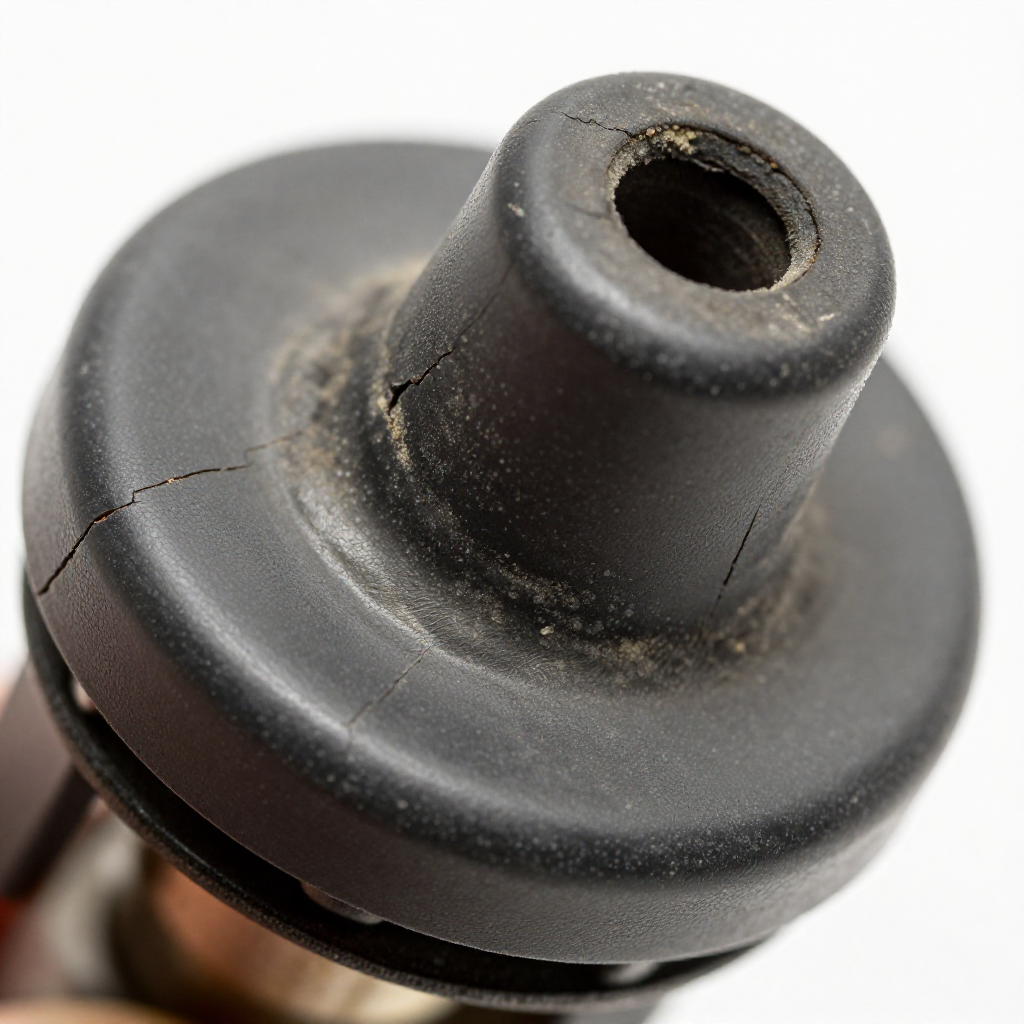
Check and Replace the Flapper

Check and Replace the Flapper

Turn off the water supply and flush the toilet. Remove the old flapper and inspect it for cracks or warping. Install a new universal flapper that matches your toilet model.

visibility3. Visual Guidance

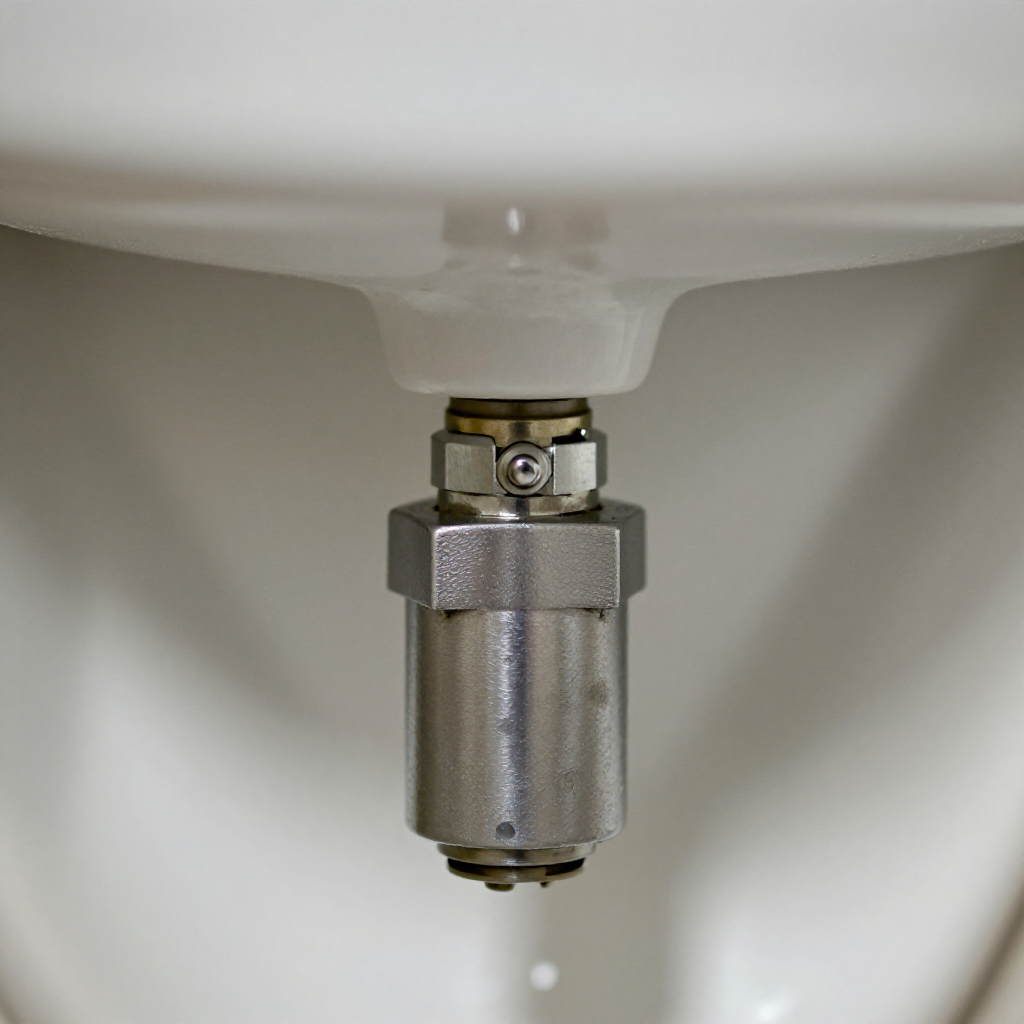
See what's happening and how to try the first recovery step.
1
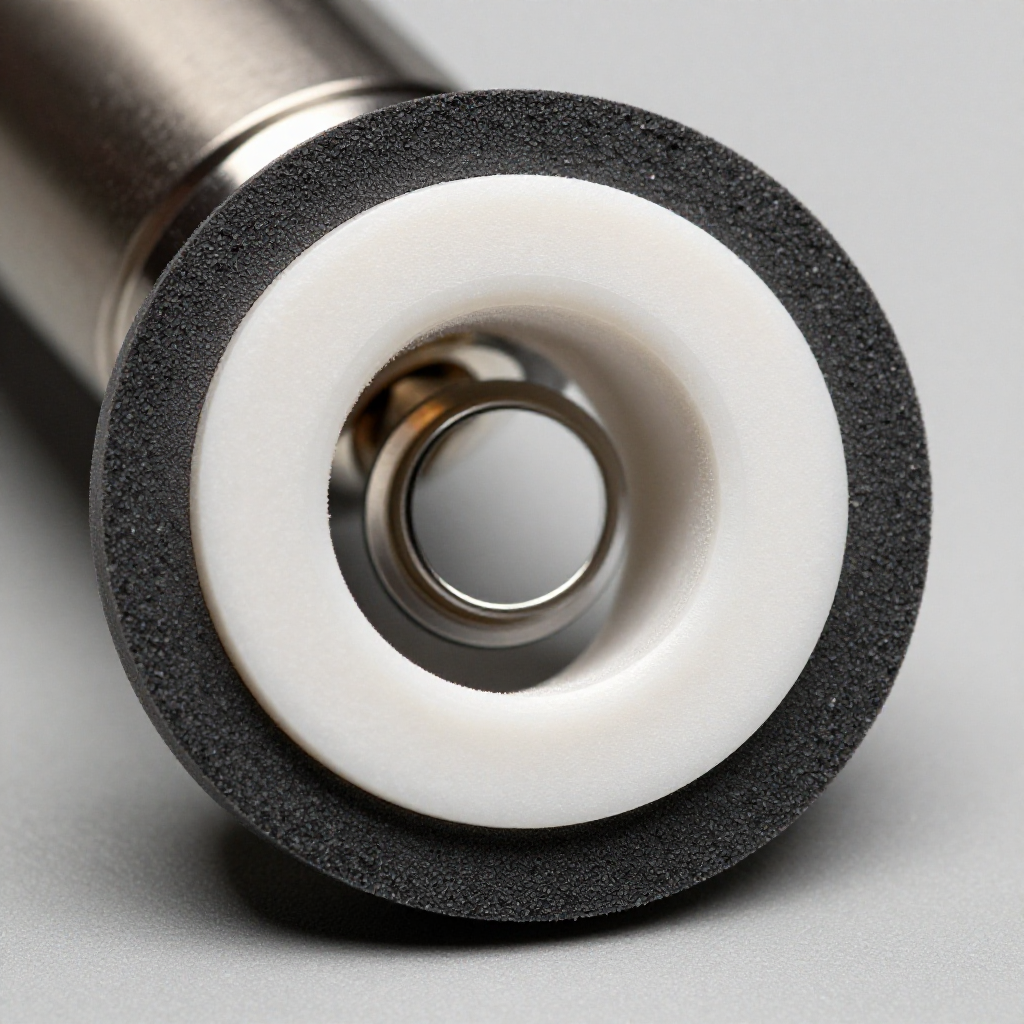
Step 1: Adjust the Water Level
Adjust the Water LevelLook at the water level in the tank—it should be about 1 inch below the overflow tube. Adjust the fill valve float arm or screw to lower the water level if it's too high.
2
Step 2: Clean the Flush Valve Seat
Clean the Flush Valve SeatWith the water off, use a sponge to dry the flush valve seat. Rub it with fine-grit sandpaper or a pumice stone to remove mineral deposits that prevent a tight seal.
3
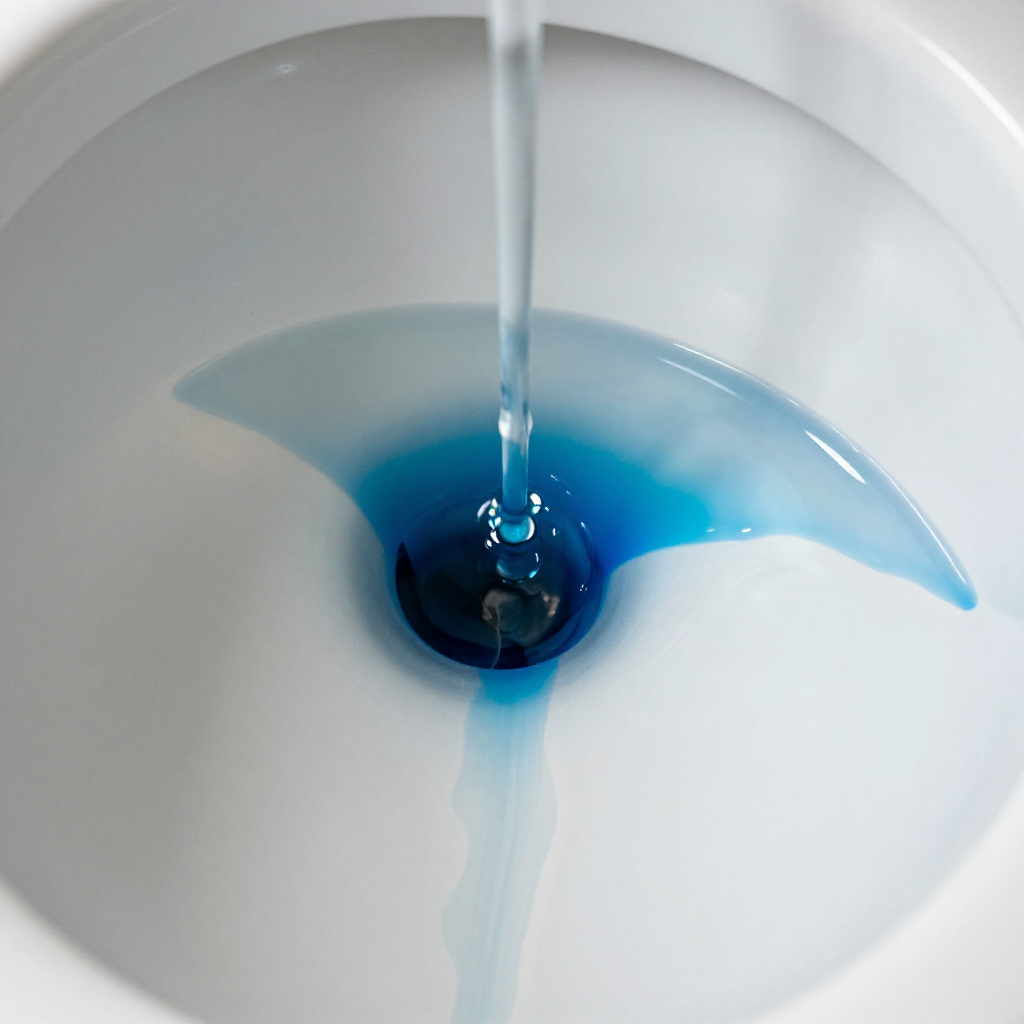
Step 3: Test for Leaks with Dye
Test for Leaks with DyeDrop a few food coloring drops into the tank. Wait 15 minutes without flushing. If color appears in the bowl, the flapper or flush valve is still leaking.
4
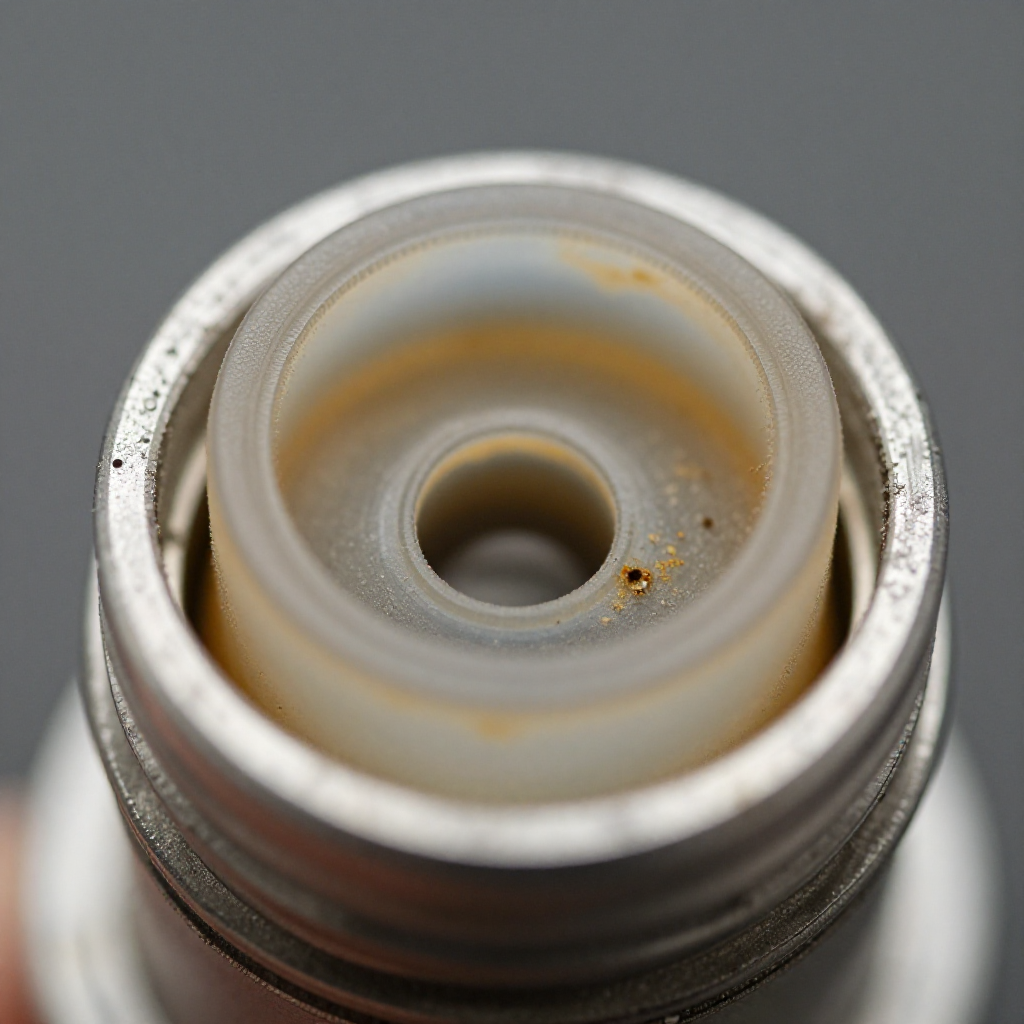
Step 4: Replace the Fill Valve Diaphragm
Replace the Fill Valve DiaphragmIf the fill valve hisses or refills slowly, remove the cap and replace the rubber diaphragm inside. Reassemble and turn water back on.

autorenew4. If That Doesn't Work

Try the next recovery options.

Replace the Fill ValveIf the flapper is fine, a worn fill valve may be causing slow leaks. Install a universal fill valve kit.
chevron_right

Frequently Asked Questions

Can a running toilet increase my water bill significantly?expand_more
Yes, a slow leak can waste up to 200 gallons per day, adding $50 or more to your monthly bill.
How do I know if the flapper is bad?expand_more
If the flapper feels soft, has cracks, or doesn't snap back into place, it needs replacement. A dye test will also confirm a leak.
Why does my toilet run after flushing but then stop?expand_more
That's normal—the fill valve refills the tank after a flush. Intermittent running means the tank loses water slowly when not in use.
Do I need to replace both the flapper and fill valve?expand_more
Usually only one is faulty. Start with the flapper since it's cheaper and easier. If the problem persists, replace the fill valve.

warning5. Stop DIY If

Don't continue if any of these apply.

reportWater leaks from the tank-to-bowl gasket when replacing parts
reportThe toilet tank is cracked
reportYou see water on the floor around the toilet base
Still stuck?Get personalized help with AI Recovery.

Same Device Recovery States

Device index arrow_forward

Similar Failure Pattern

This page provides general DIY guidance.
If you're unsure, it's always best to consult a professional.