STUCKFIX
handymanDIY Friendly
electric_bolt

Extension Cord Plug Melted — Cut It Off and Replace the End

A melted extension cord plug means it overheated from a loose connection or overload. Don't tape it up — replace the plug end for $5 and stop the fire risk.

Category:Electrical
Difficulty:Easy
Time:15 min
Success:50%
Updated:May 22, 2026

quick_referenceQuick Answer

For Extension Cord Plug Melted — Cut It Off and Replace the End, start with "Disconnect power and inspect the entire cord before reusing it": Unplug the cord from the wall immediately — grab the plug body, not the cord. Check the outlet for scorch marks or melted plastic; if the outlet is damaged, stop and replace the receptacle too. Run your hand along the entire length of the cord. If you feel any stiff spots, soft spots, or bulges, the internal copper has overheated and annealed — the cord is trash, not repairable. If the cord is flexible and smooth except for the melted plug end, you're good to cut it off and install a replacement plug. Stop DIY if the outlet has scorch marks, soot, or melted plastic — the heat damage may extend into the wall box. replace the receptacle and inspect the wiring inside the box for burned insulation. This is listed as a easy recovery and usually takes about 15 min.

verifiedGuide Snapshot

Repair areaElectrical
Estimated time15 min
DifficultyEasy
Stop conditions4

Last updated May 22, 2026. Review the stop conditions before continuing.

account_treeRecovery State

Current statePlug Melted
Specific statePlug Overheated Deformed
Failed stepPlug Connection
Likely failure typeElectrical Fault
DIY boundaryDIY recovery first
paymentsCost decision

help1. Understand the Problem

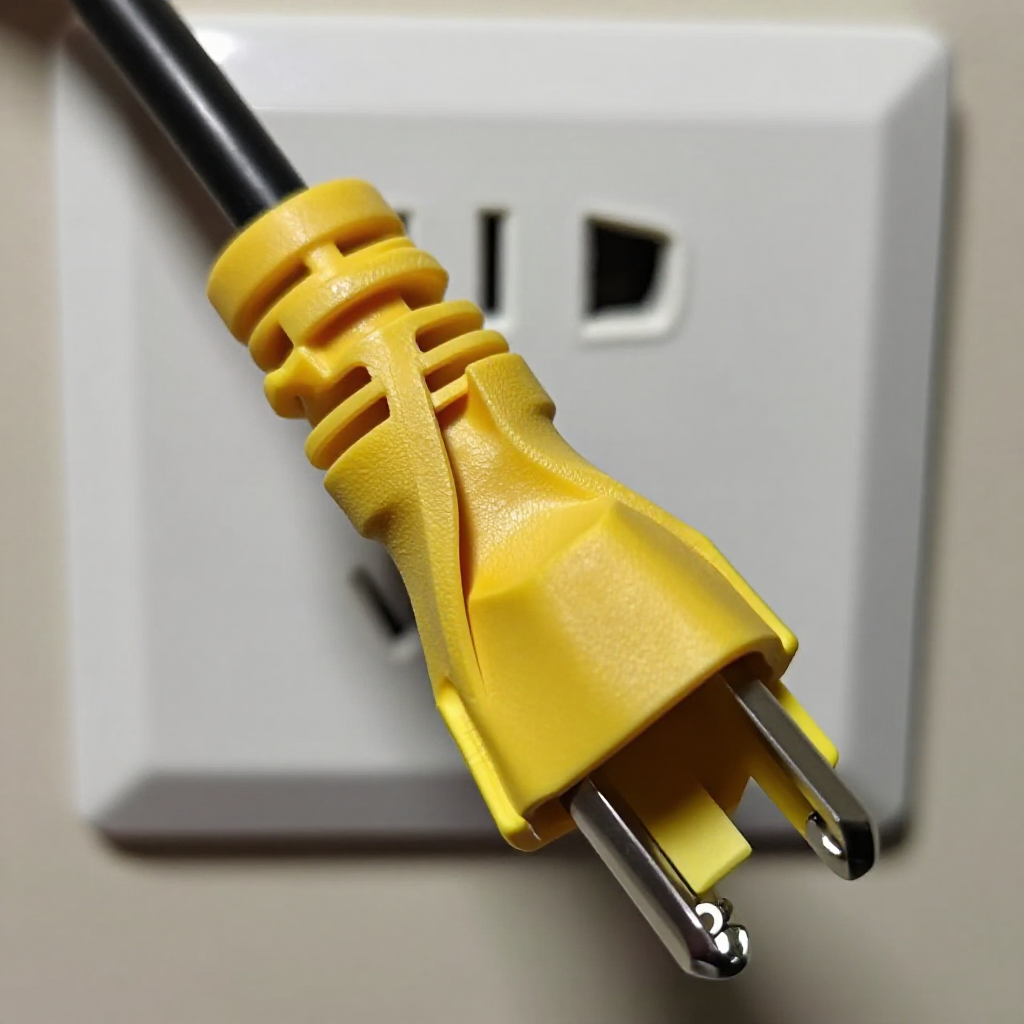
Extension cord plugs melt when resistance builds up at the connection point — usually from a loose prong-to-outlet fit, corrosion on the brass blades, or pulling more current through a thin-gauge cord than it's rated for. The heat concentrates right at the plug face, softening and deforming the plastic housing. Space heaters, window AC units, and high-draw power tools are the usual culprits. The cord itself is often still good — you just need to amputate the damaged end.

build_circle2. Try This First
Best First Step
Disconnect power and inspect the entire cord before reusing it

Disconnect power and inspect the entire cord before reusing it

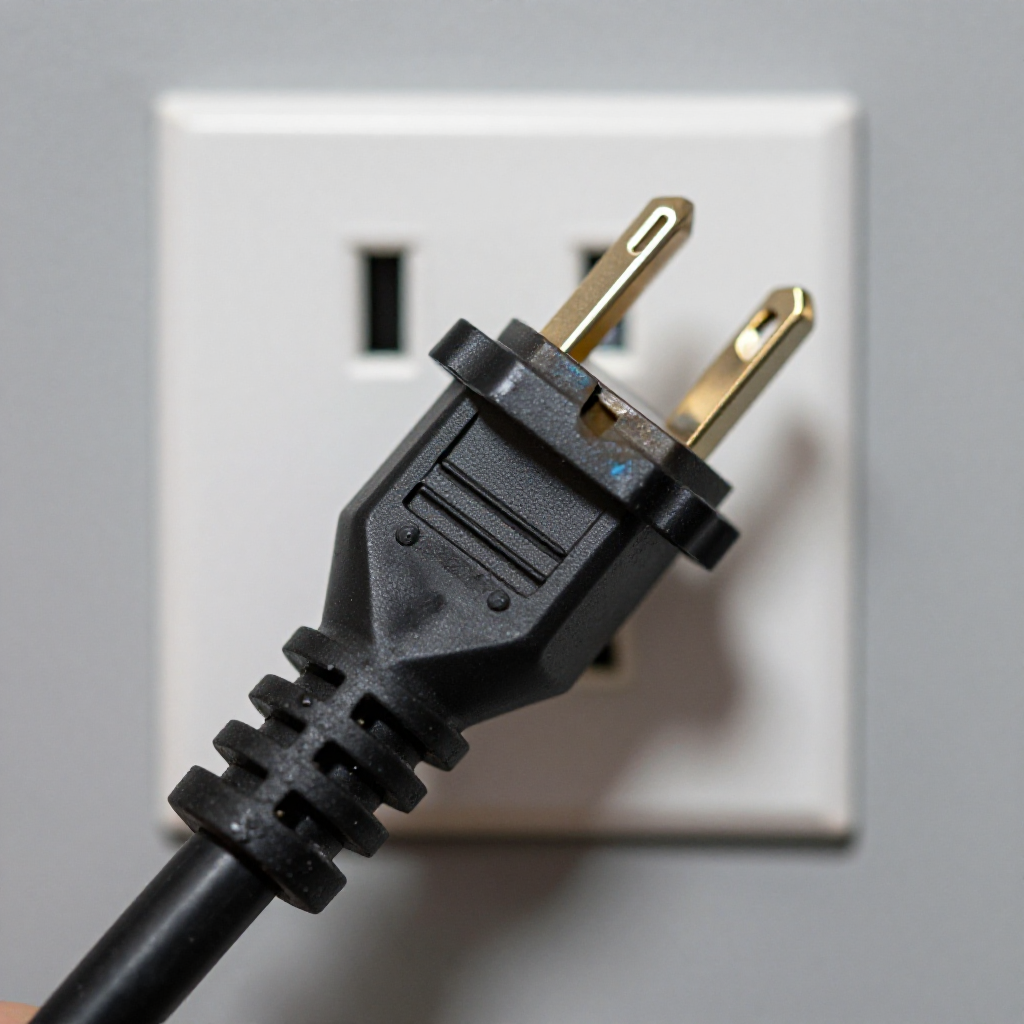
Unplug the cord from the wall immediately — grab the plug body, not the cord. Check the outlet for scorch marks or melted plastic; if the outlet is damaged, stop and replace the receptacle too. Run your hand along the entire length of the cord. If you feel any stiff spots, soft spots, or bulges, the internal copper has overheated and annealed — the cord is trash, not repairable. If the cord is flexible and smooth except for the melted plug end, you're good to cut it off and install a replacement plug.

visibility3. Visual Guidance

See what's happening and how to try the first recovery step.
1
Cut off the damaged plug cleanly
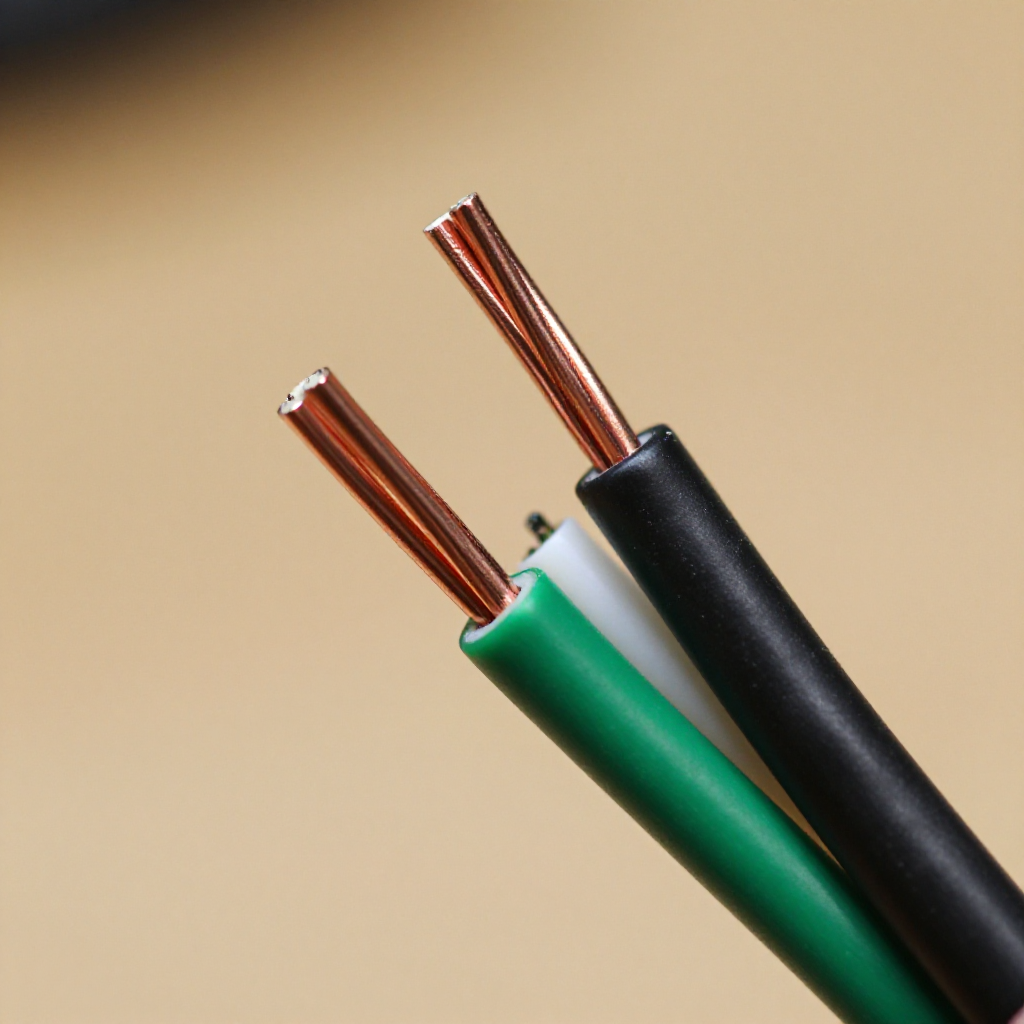
Cut off the damaged plug cleanlyUsing wire cutters or heavy-duty scissors, cut the cord 2 inches behind the melted plug — you want clean, undamaged copper. Strip back 2 inches of the outer jacket with a utility knife, making a shallow cut lengthwise so you don't nick the inner wire insulation. Inside you'll find three wires: black (hot), white (neutral), and green (ground). Strip 3/4 inch of insulation off each conductor with a wire stripper.
2
Attach wires to the replacement plug terminals
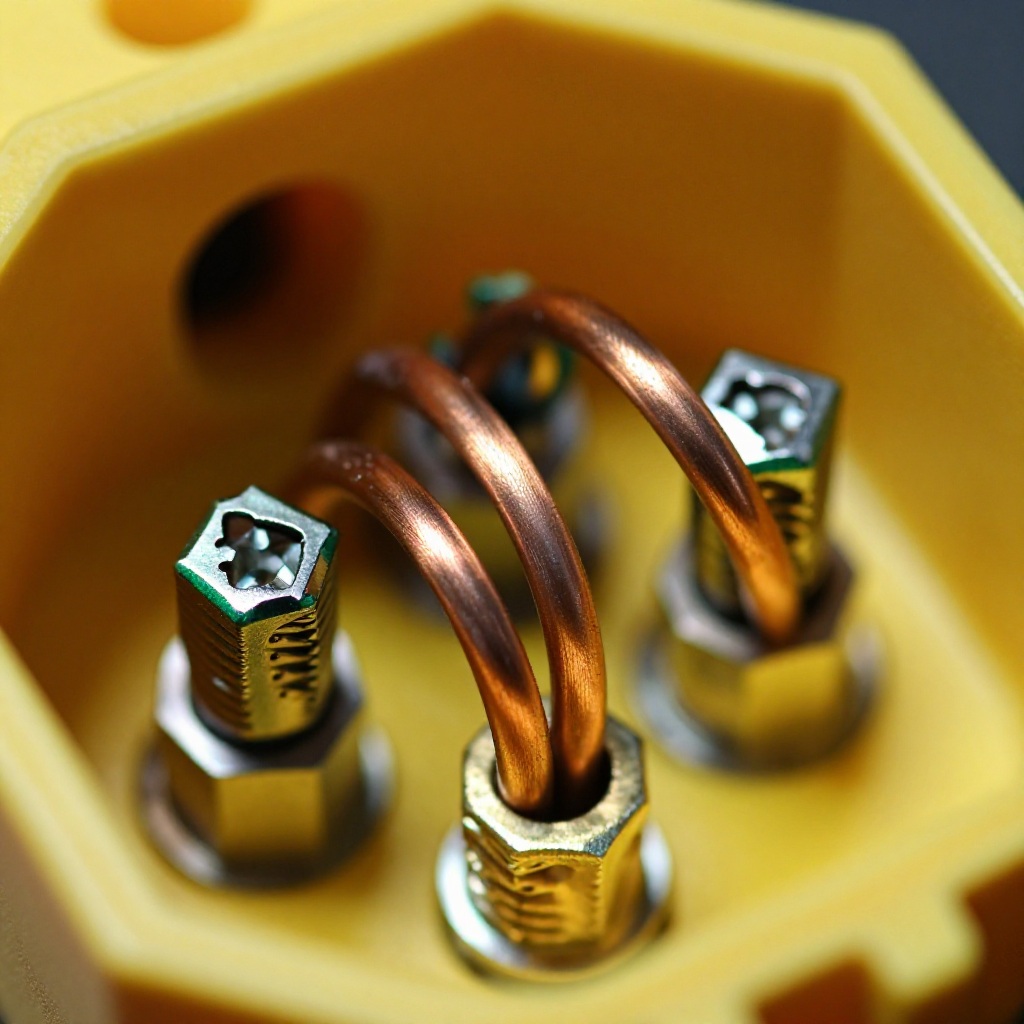
Attach wires to the replacement plug terminalsBuy a 15-amp replacement plug from the hardware store — Leviton and Hubbell make good ones for $4-8. Open the plug housing. Wrap the black wire clockwise around the brass terminal screw (marked brass or 'hot'), the white wire around the silver terminal screw (marked silver or 'neutral'), and the green wire around the green ground screw. Tighten each screw firmly — pull on each wire to confirm it doesn't slip out.
3
Close the plug and test with a low-draw device first
Close the plug and test with a low-draw device firstTuck the wires neatly into the plug body — make sure no bare copper is touching the wrong terminal or the strain-relief clamp. Tighten the cord clamp onto the outer jacket, not the individual wires. Close the plug housing and tighten the assembly screw. Plug it into a known-good outlet and test it with a small lamp or phone charger first before connecting any high-draw appliance.

autorenew4. If That Doesn't Work

Try the next recovery options.

shopping_cart
Replace the entire extension cordIf the cord is less than 25 feet and cost under $15 originally, just buy a new one. A 12-gauge 25-foot cord is $20-30. It's not worth a repair if the cord is thin, short, or already beat up.
chevron_right
outlet
Replace the wall receptacle if it was the causeIf the outlet shows scorch marks, blackened slots, or the plug fits loosely, the receptacle is worn out. A new 15-amp duplex receptacle is $3. Shut off the breaker, verify with a non-contact voltage tester, swap it wire-for-wire, and replace the cover plate.
chevron_right

Frequently Asked Questions

What gauge extension cord do I need for a space heater?expand_more
12-gauge minimum for any space heater (1500W). 14-gauge might work on paper but will run warm, and a warm cord is a cord losing energy as heat. Never run a space heater on a 16-gauge lamp cord — that's how plugs melt and fires start.
Can I use a two-prong replacement plug on a three-prong cord?expand_more
No. Cutting off the ground pin defeats the safety ground and is a code violation. If your outlet is ungrounded (two-slot), you shouldn't be using a three-prong extension cord there at all. Replace the outlet with a GFCI or use a different circuit.
Why did only one prong of the plug melt?expand_more
A single melted prong usually means a loose connection on that blade inside the receptacle — the contact is arcing and generating heat from resistance. The hot (brass) side is the most common. Replace the receptacle along with the plug.

warning5. Stop DIY If

Don't continue if any of these apply.

reportThe outlet has scorch marks, soot, or melted plastic — the heat damage may extend into the wall box. Replace the receptacle and inspect the wiring inside the box for burned insulation.
reportThe cord is connected to a 240-volt appliance (dryer, range, welder) — these use different plug configurations and amperage ratings. Do not attempt a repair on 240V cords.
reportYou see copper discoloration (blue, black, or dull brown) more than 6 inches back from the cut point — the wire has been heat-damaged along its length and the entire cord is compromised.
reportThe cord melted at the appliance end, not the wall plug end — the appliance itself may have an internal short that caused the overheating. The cord melting is a symptom, not the problem.
Still stuck?Get personalized help with AI Recovery.

Related Recovery Problems

View all arrow_forward

Same Device Recovery States

Device index arrow_forward

Similar Failure Pattern

This page provides general DIY guidance.
If you're unsure, it's always best to consult a professional.