STUCKFIX
handymanDIY Friendly
build

Why won't my door latch catch when I close it?

A misaligned strike plate or loose hinges can prevent the latch from engaging. Adjust the strike plate or tighten hinge screws to fix it.

Category:Doors & Windows
Difficulty:Easy
Time:15 min
Success:50%
Updated:Jul 4, 2026

quick_referenceQuick Answer

For Why won't my door latch catch when I close it?, start with "Check the alignment with chalk": Rub chalk or lipstick on the latch bolt. Close the door fully and open it. The mark on the strike plate shows where the latch is hitting. Stop DIY if the door frame is cracked or rotting. This is listed as a easy recovery and usually takes about 15 min.

verifiedGuide Snapshot

Repair areaDoors & Windows
Estimated time15 min
DifficultyEasy
Stop conditions3

Last updated Jul 4, 2026. Review the stop conditions before continuing.

account_treeRecovery State

DeviceDoor
Current stateLatch Misalignment
Specific stateStrike Plate Offset
Failed stepLatch Miss
Likely failure typeMisalignment
DIY boundaryDIY recovery first
paymentsCost decision

help1. Understand the Problem

Over time, door hinges can loosen or the door frame can shift, causing the latch to miss the strike plate hole. Seasonal humidity changes can also cause wood doors to swell or shrink. The latch itself may be sticking due to paint buildup or rust.

build_circle2. Try This First
Best First Step
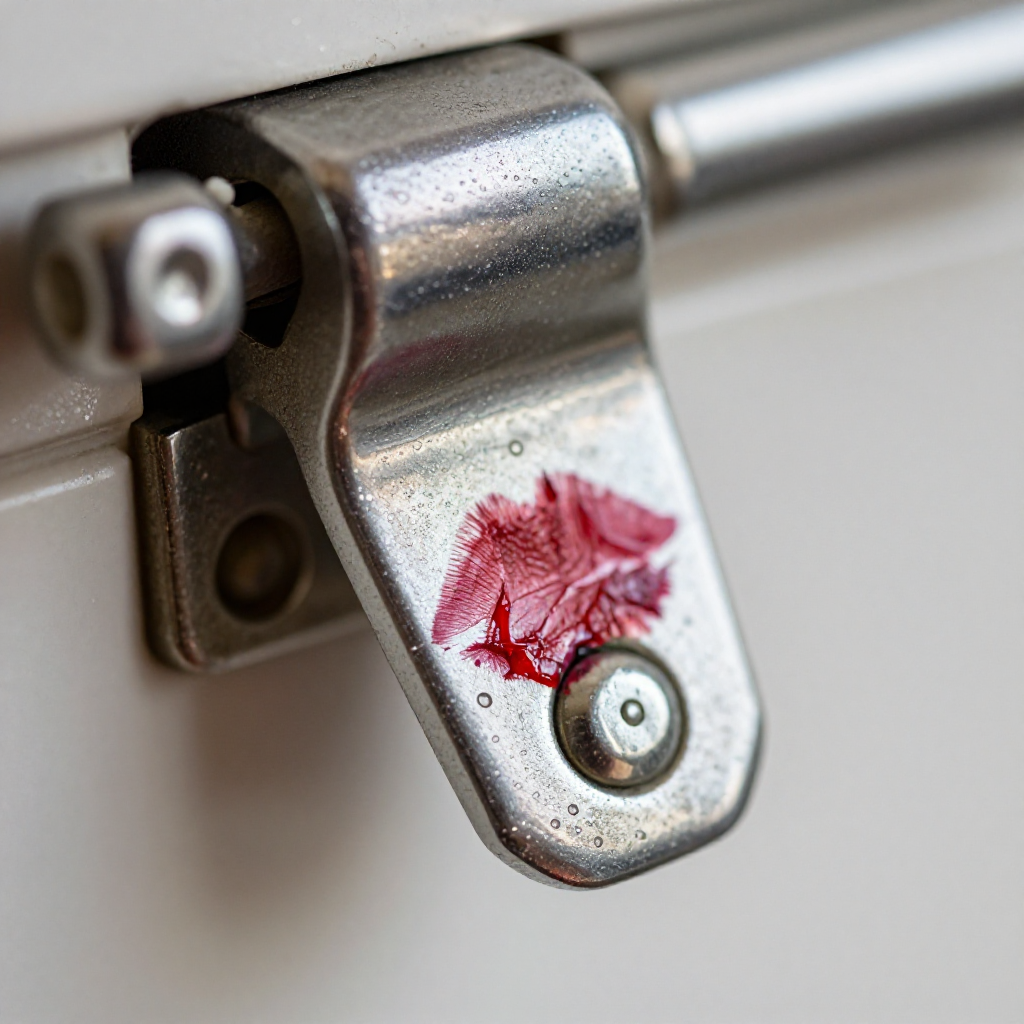
Check the alignment with chalk

Check the alignment with chalk

Rub chalk or lipstick on the latch bolt. Close the door fully and open it. The mark on the strike plate shows where the latch is hitting.

visibility3. Visual Guidance

See what's happening and how to try the first recovery step.
1
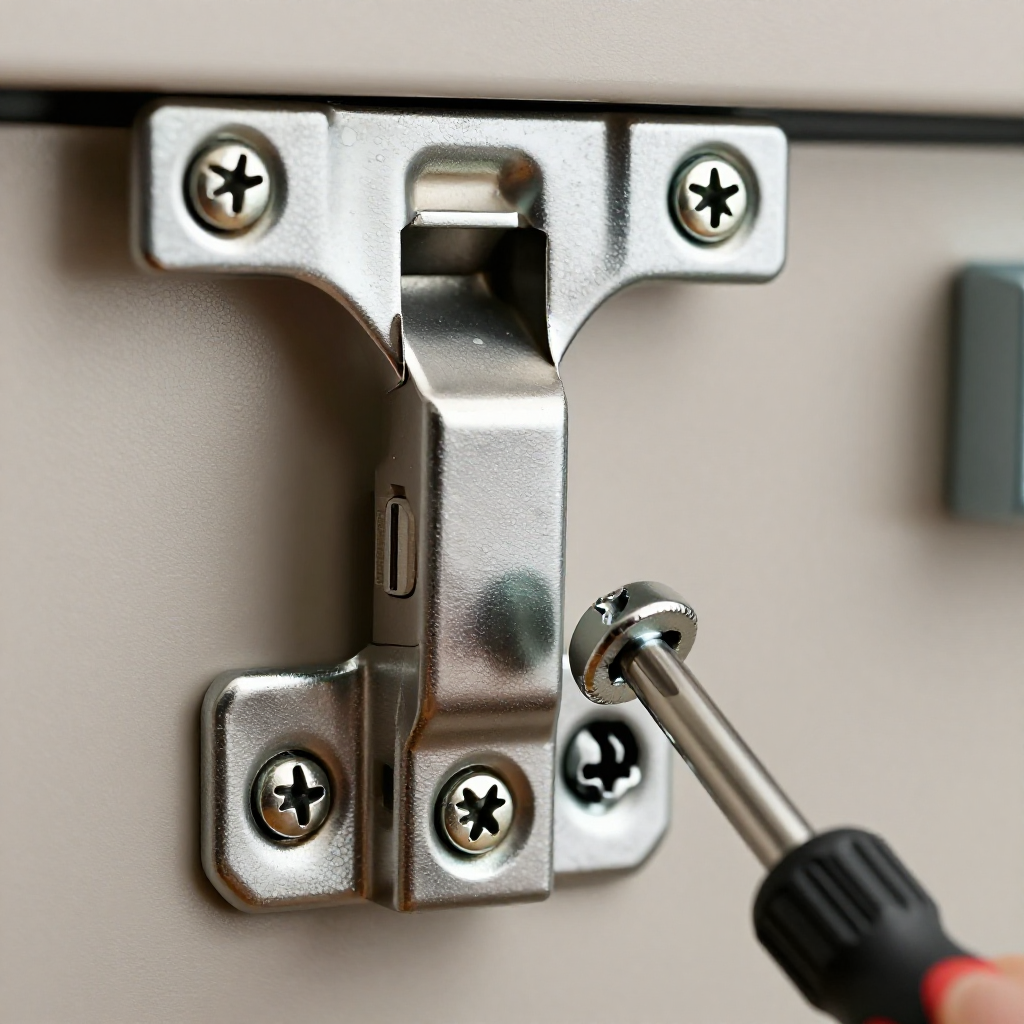
Tighten the hinge screws
Tighten the hinge screwsOpen the door and check each hinge. If screws are loose, tighten them with a screwdriver. If the screw holes are stripped, replace with longer screws (3-inch) that reach the door frame stud.
2
File the strike plate opening
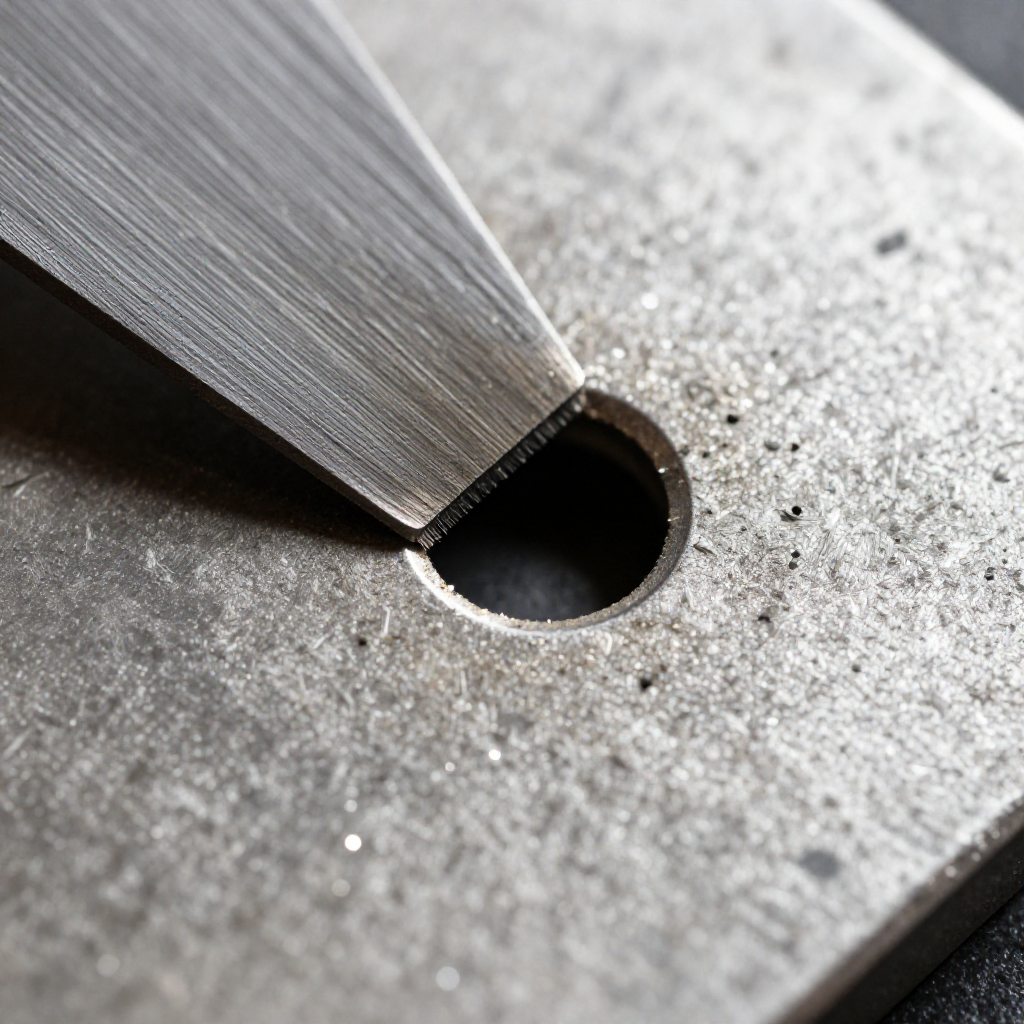
File the strike plate openingIf the chalk mark shows the latch is hitting the metal edge, use a metal file to enlarge the strike plate hole slightly in the direction of the mark.
3
Adjust the strike plate position
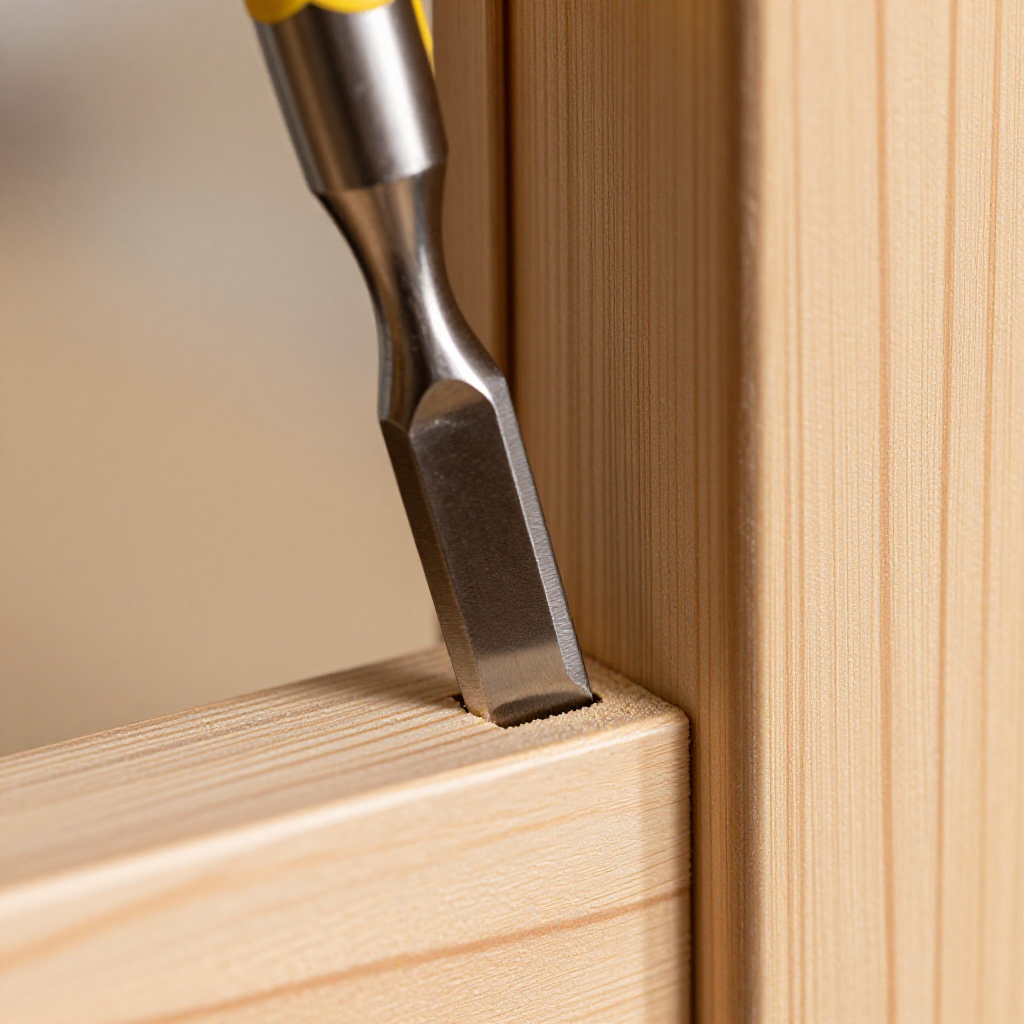
Adjust the strike plate positionRemove the strike plate and use a wood chisel to deepen the mortise by 1/8 inch. Reposition the strike plate and screw it back in place.
4
Test the latch engagement
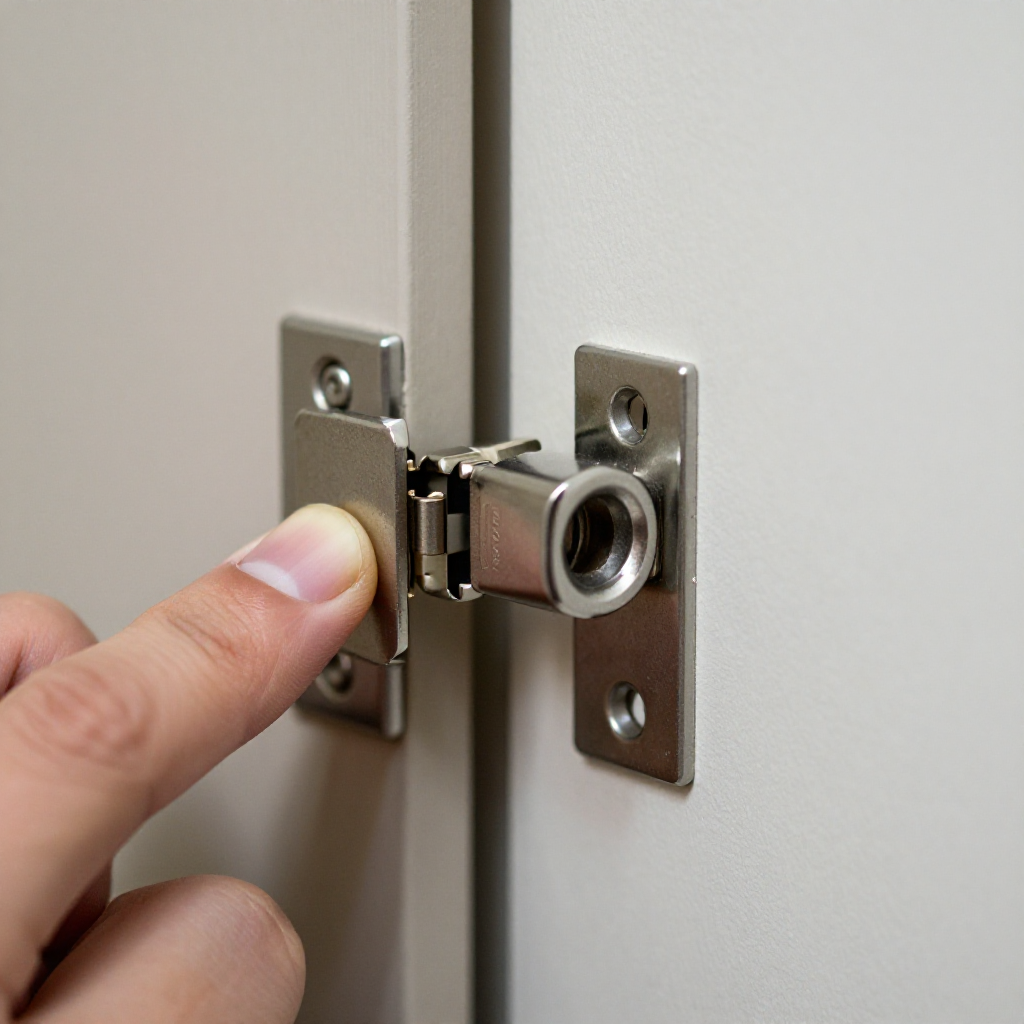
Test the latch engagementClose the door slowly and listen for the latch clicking into the strike plate. The door should stay closed without needing to push hard.

autorenew4. If That Doesn't Work

Try the next recovery options.

Replace the latch mechanismIf the latch is rusty or bent, remove it and install a new one. This is common on older exterior doors.
chevron_right
Shim the door hingesIf the gap between door and frame is uneven, add thin cardboard or plastic shims behind the hinge leaf to reposition the door.
chevron_right

Frequently Asked Questions

Why does my door latch work in summer but not winter?expand_more
Wood expands with humidity in summer and shrinks in winter. The frame shifts, causing misalignment. Adjust the strike plate seasonally.
Can I fix a latch that is too short?expand_more
Yes, replace the latch with a longer one. Standard latches are 1-inch, but you can find 1.5-inch or 2-inch versions for thick doors.
What if the latch bolt is stuck and won't move?expand_more
Spray lubricant (like WD-40) into the latch mechanism and work it in and out. If it still sticks, replace the latch assembly.
Should I replace the entire lockset?expand_more
Only if the lockset is damaged or you want a new key. For alignment issues, adjusting the strike plate or hinges is usually sufficient.

warning5. Stop DIY If

Don't continue if any of these apply.

reportThe door frame is cracked or rotting
reportThe door has dropped so much it scrapes the floor
reportYou see gaps between the door and frame larger than 1/4 inch
Still stuck?Get personalized help with AI Recovery.

Same Device Recovery States

Device index arrow_forward

Similar Failure Pattern

This page provides general DIY guidance.
If you're unsure, it's always best to consult a professional.