STUCKFIX
handymanDIY Friendly
build

Why Is My AC Unit Blowing Warm Air Outside?

When your AC blows warm air, it's often a dirty condenser coil, low refrigerant, or a faulty capacitor. Diagnose and fix common issues.

Category:HVAC
Difficulty:Easy
Time:30 min
Success:50%
Updated:Jul 13, 2026

quick_referenceQuick Answer

For Why Is My AC Unit Blowing Warm Air Outside?, start with "Turn Off Power and Clean the Condenser Coils": Shut off power to the AC unit at the breaker or disconnect switch. Use a garden hose with a spray nozzle to gently wash dirt and debris from the outdoor condenser coils from the inside out. Stop DIY if the compressor is not running and you suspect a refrigerant leak. This is listed as a easy recovery and usually takes about 30 min.

verifiedGuide Snapshot

Repair areaHVAC
Estimated time30 min
DifficultyEasy
Stop conditions3

Last updated Jul 13, 2026. Review the stop conditions before continuing.

account_treeRecovery State

DeviceAc Unit
Current stateCooling Failure
Specific stateWarm Air
Failed stepCondenser Coil Dirt
Likely failure typeBlocked Path
DIY boundaryDIY recovery first
paymentsCost decision

help1. Understand the Problem

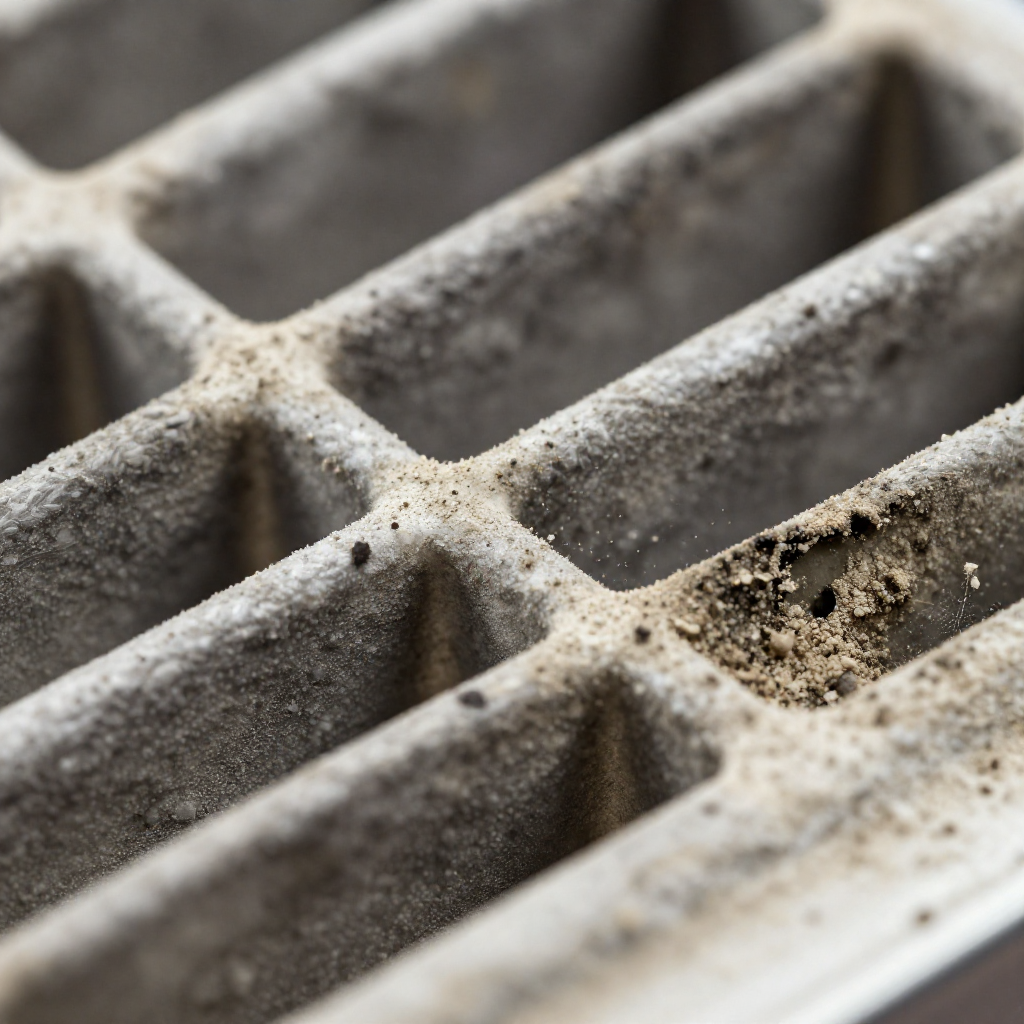
An air conditioner that blows warm air instead of cool is struggling to transfer heat. The most common DIY-fixable cause is a dirty outdoor condenser coil, which reduces heat dissipation. Other causes include a bad run capacitor (which starts the compressor) or low refrigerant levels, which require a professional.

build_circle2. Try This First
Best First Step
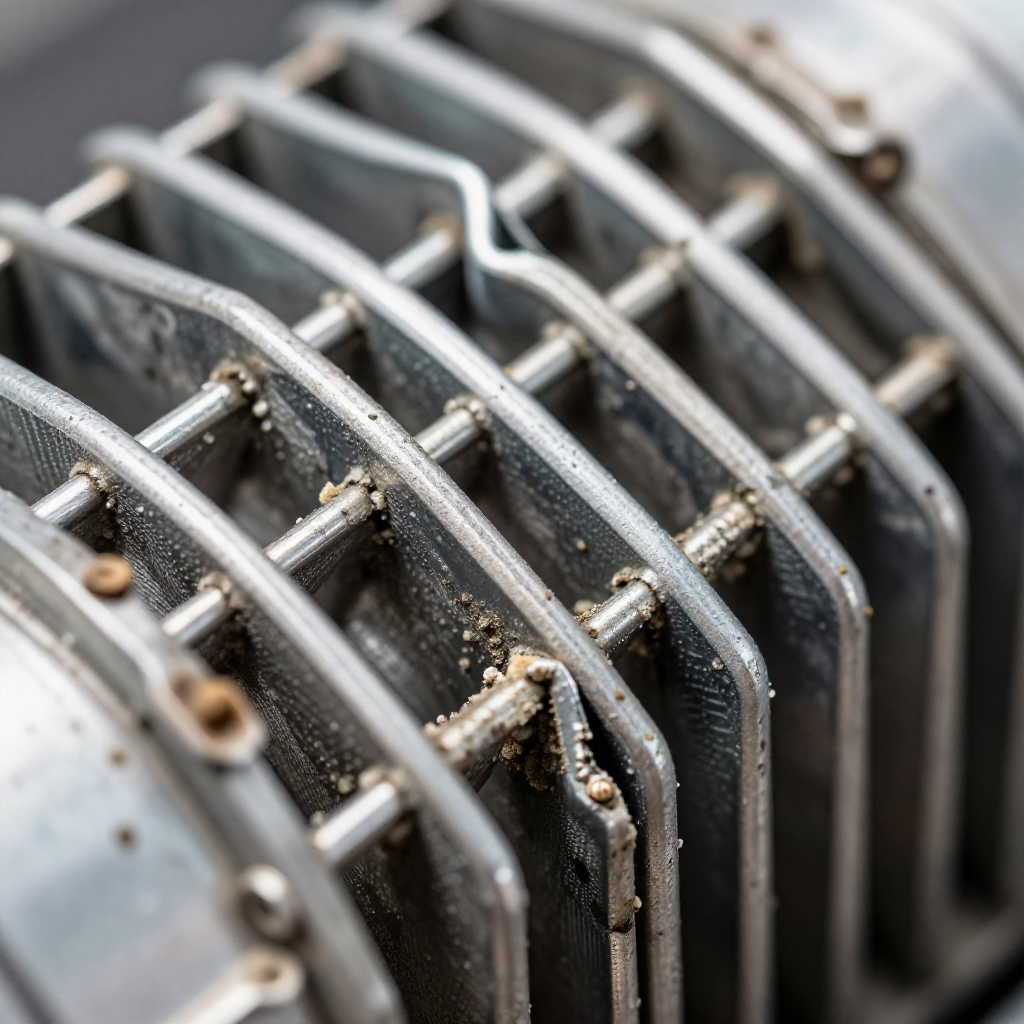
Turn Off Power and Clean the Condenser Coils

Turn Off Power and Clean the Condenser Coils

Shut off power to the AC unit at the breaker or disconnect switch. Use a garden hose with a spray nozzle to gently wash dirt and debris from the outdoor condenser coils from the inside out.

visibility3. Visual Guidance

See what's happening and how to try the first recovery step.
1
Inspect the Air Filter
Inspect the Air FilterCheck the indoor air filter. A clogged filter restricts airflow, causing the system to blow warm air. Replace if dirty.
2
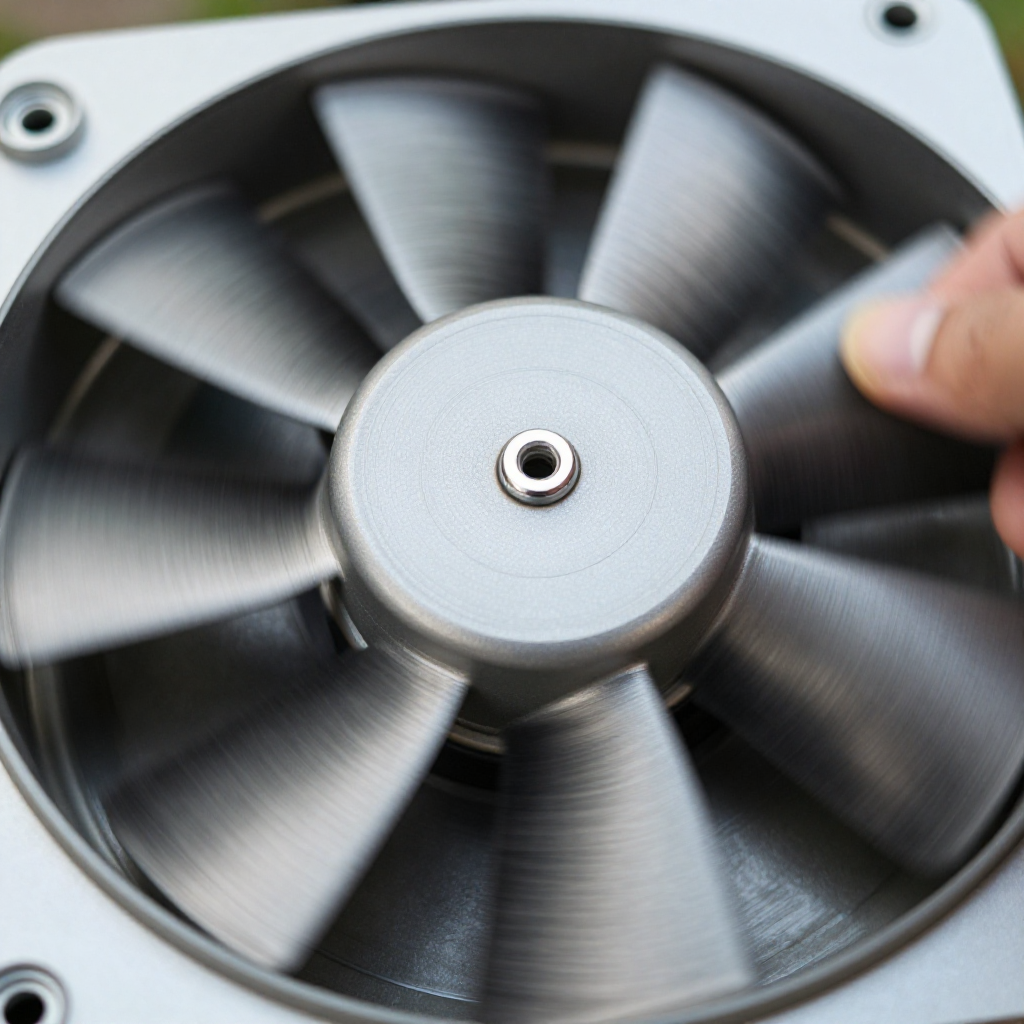
Check the Condenser Fan
Check the Condenser FanWith power off, try spinning the condenser fan blade by hand. It should spin freely. If it's stiff or doesn't move, the motor or capacitor may be faulty.
3
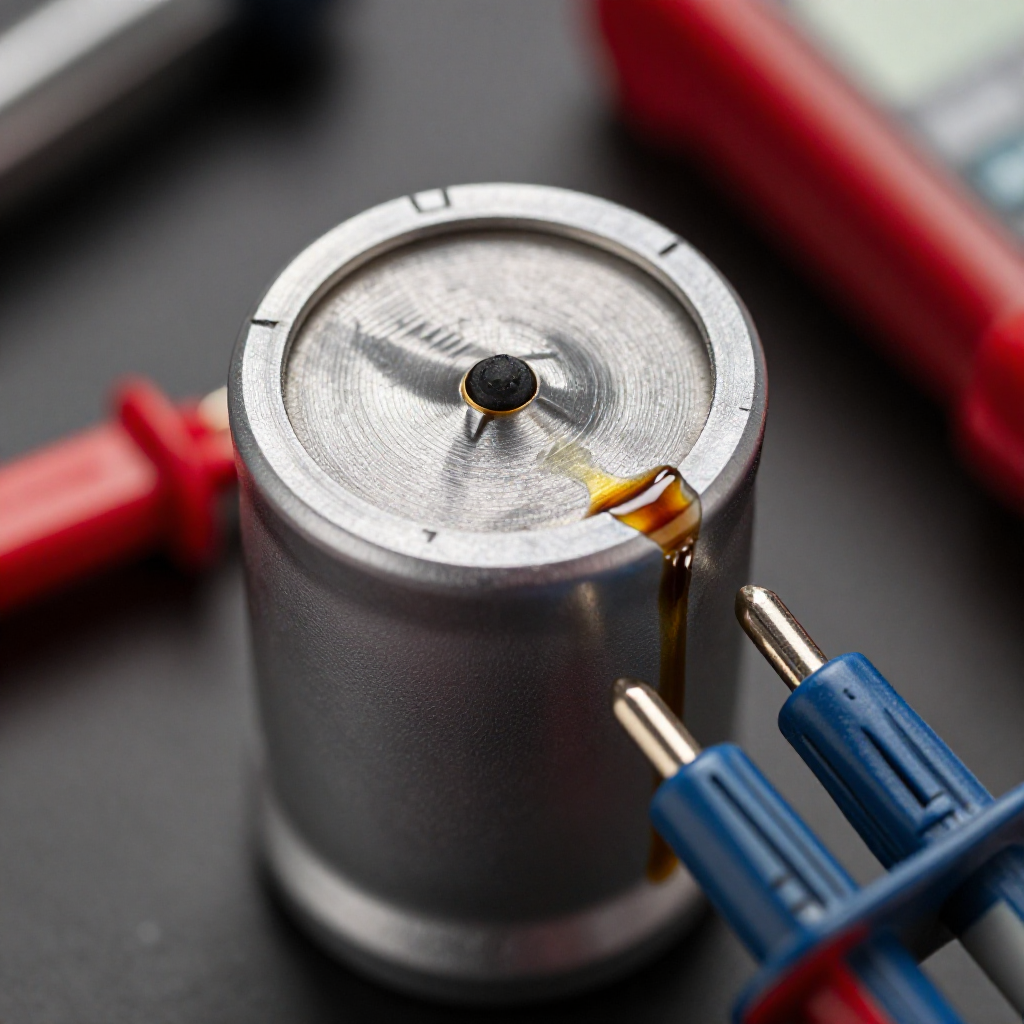
Test the Run Capacitor
Test the Run CapacitorLocate the dual run capacitor inside the access panel. Look for bulging or leaking. Use a multimeter to check microfarad rating against the label.
4
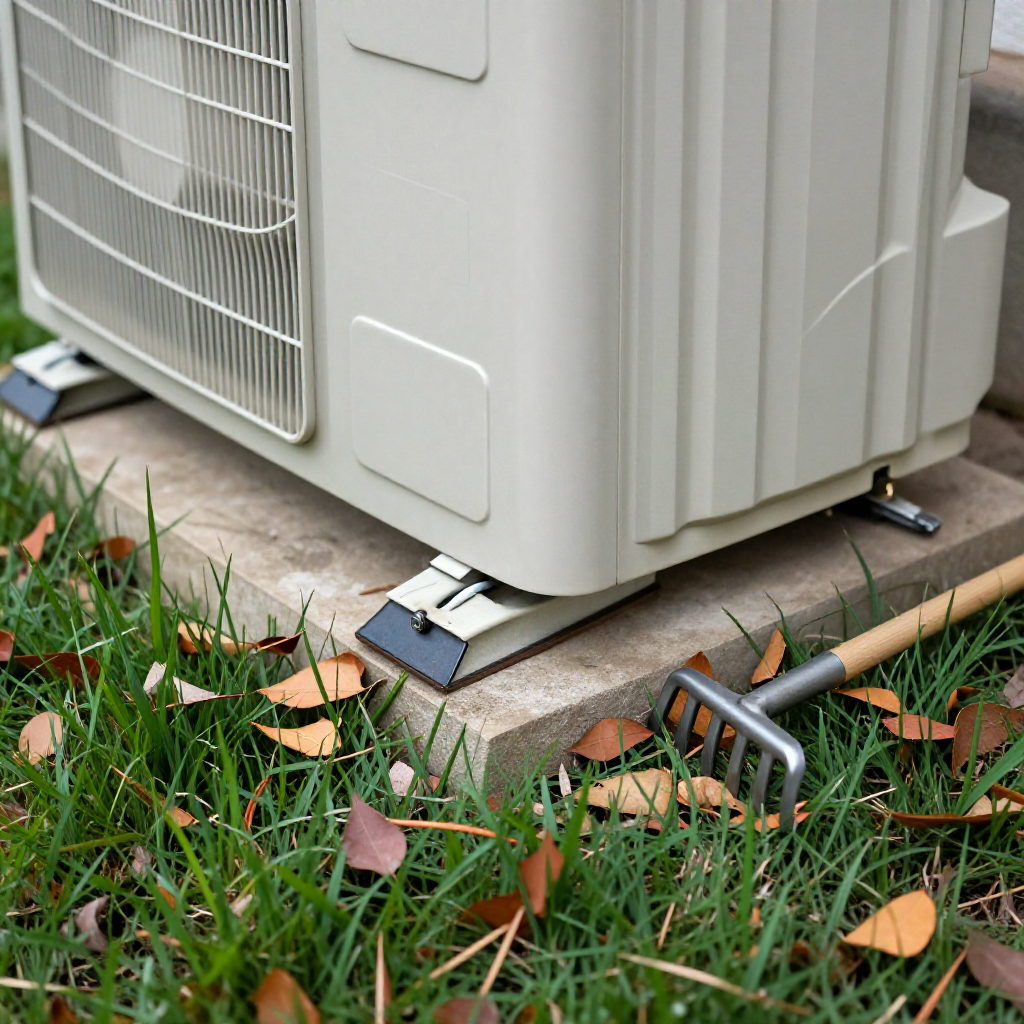
Clear Debris Around the Unit
Clear Debris Around the UnitRemove leaves, grass, and shrubs within 2 feet of the condenser unit. Good airflow is critical for heat exchange.

autorenew4. If That Doesn't Work

Try the next recovery options.

Replace the Run CapacitorIf the condenser fan isn't spinning or is slow, the run capacitor may be bad. Test it with a multimeter and replace if bulging or out of spec.
chevron_right

Frequently Asked Questions

How often should I clean my AC condenser coils?expand_more
At least once a year before the cooling season. If you have lots of trees or dust, clean them every 6 months.
Can low refrigerant cause warm air?expand_more
Yes, but low refrigerant usually indicates a leak, which requires a licensed HVAC technician to repair and recharge.
What does a bad capacitor look like?expand_more
A bulging top, cracked casing, or oily residue are signs of a failed capacitor. It may also test out of spec with a multimeter.
Is it safe to clean the coils myself?expand_more
Yes, as long as you turn off the power first. Use a gentle spray from a garden hose, not a pressure washer, which can bend the fins.

warning5. Stop DIY If

Don't continue if any of these apply.

reportThe compressor is not running and you suspect a refrigerant leak
reportYou see ice buildup on the refrigerant lines
reportThe circuit breaker trips immediately when you restore power
Still stuck?Get personalized help with AI Recovery.

Related Recovery Problems

View all arrow_forward

Same Device Recovery States

Device index arrow_forward

Similar Failure Pattern

This page provides general DIY guidance.
If you're unsure, it's always best to consult a professional.