STUCKFIX
handymanDIY Friendly
disposal

Garbage Disposal Drain Clogged Solid and Water Won't Go Down

When the disposal drain is packed solid with food waste and water backs up into both sink basins, clearing it safely avoids motor burnout and plumbing damage.

Category:Appliances
Difficulty:Moderate
Time:30 minutes
Success:50%
Updated:May 27, 2026

quick_referenceQuick Answer

For Garbage Disposal Drain Clogged Solid and Water Won't Go Down, start with "Shut off the disposal and bail out standing water": Stop running the disposal immediately — grinding against a solid blockage overheats the motor and strips the flywheel. Unplug the unit under the sink or switch off the breaker. Bail standing water from both sink basins into a bucket using a cup or small container. Do not use a chemical drain opener on a disposal drain; the caustic reaction can blow back through the sink flange or damage rubber seals inside the unit. Stop DIY if water has backed up into the dishwasher or is leaking from the disposal body onto the cabinet floor. This is listed as a moderate recovery and usually takes about 30 minutes.

verifiedGuide Snapshot

Repair areaAppliances
Estimated time30 minutes
DifficultyModerate
Stop conditions4

Last updated May 27, 2026. Review the stop conditions before continuing.

account_treeRecovery State

Current stateDrain Clogged Solid
Specific stateWater Backs Up Both Basins
Failed stepDrain Clearance
Likely failure typeBlocked Path
DIY boundaryDIY recovery first
paymentsCost decision

help1. Understand the Problem

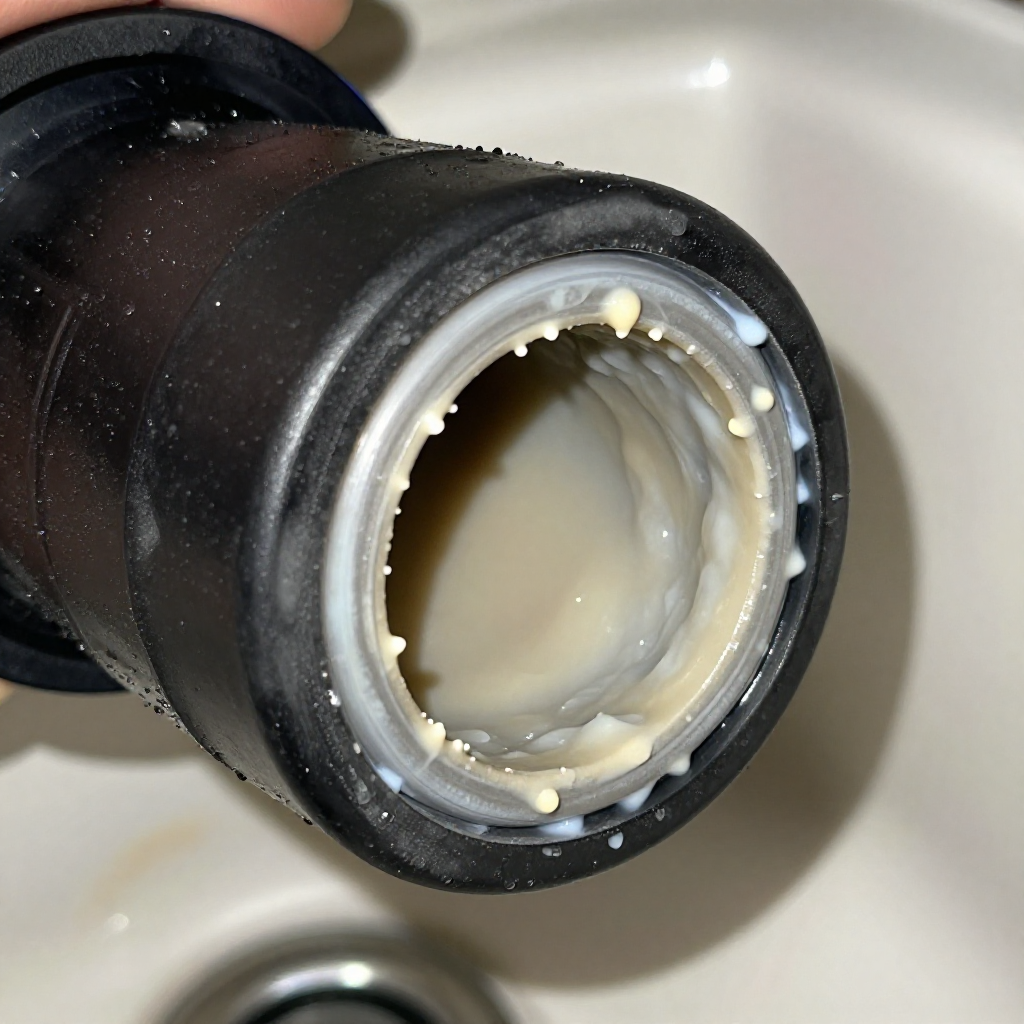
This often happens when too much starchy or fibrous food is ground at once — potato peels, rice, pasta, or celery strings — and the drain line past the disposal packs into a dense plug. Unlike a slow drain, a solid-packed disposal trap means water sits in the sink with zero movement. Forcing the disposal to run against a solid blockage can burn out the motor or blow the reset button.

build_circle2. Try This First
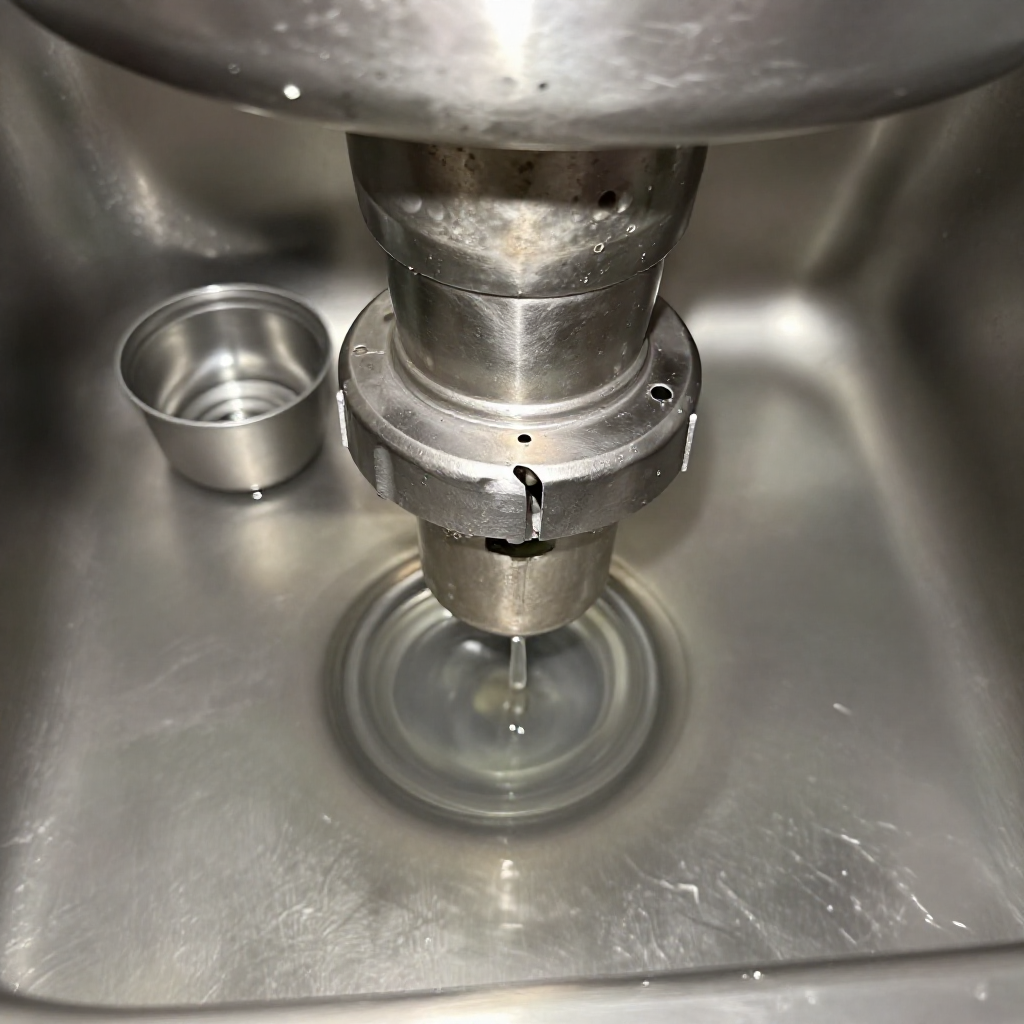
Best First Step
Shut off the disposal and bail out standing water

Shut off the disposal and bail out standing water

Stop running the disposal immediately — grinding against a solid blockage overheats the motor and strips the flywheel. Unplug the unit under the sink or switch off the breaker. Bail standing water from both sink basins into a bucket using a cup or small container. Do not use a chemical drain opener on a disposal drain; the caustic reaction can blow back through the sink flange or damage rubber seals inside the unit.

visibility3. Visual Guidance

See what's happening and how to try the first recovery step.
1
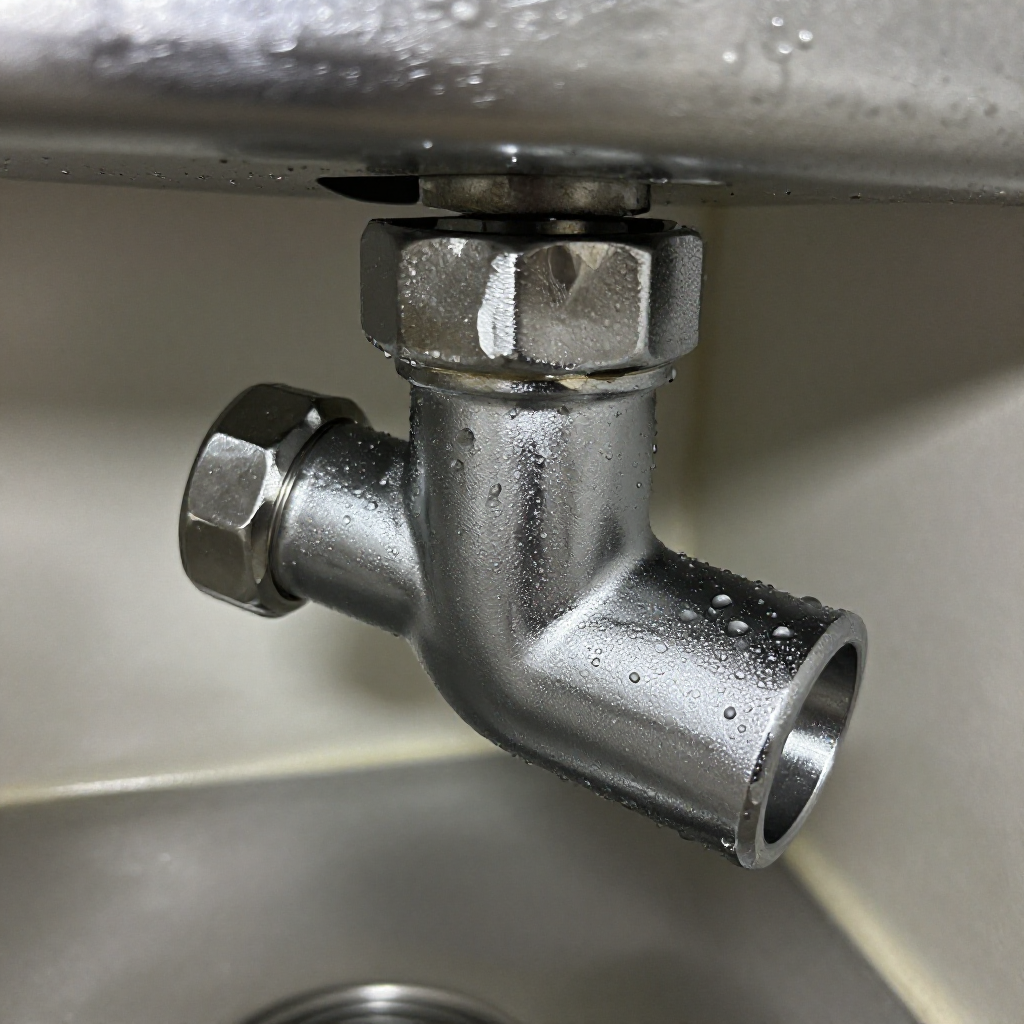
Disconnect the P-trap under the sink
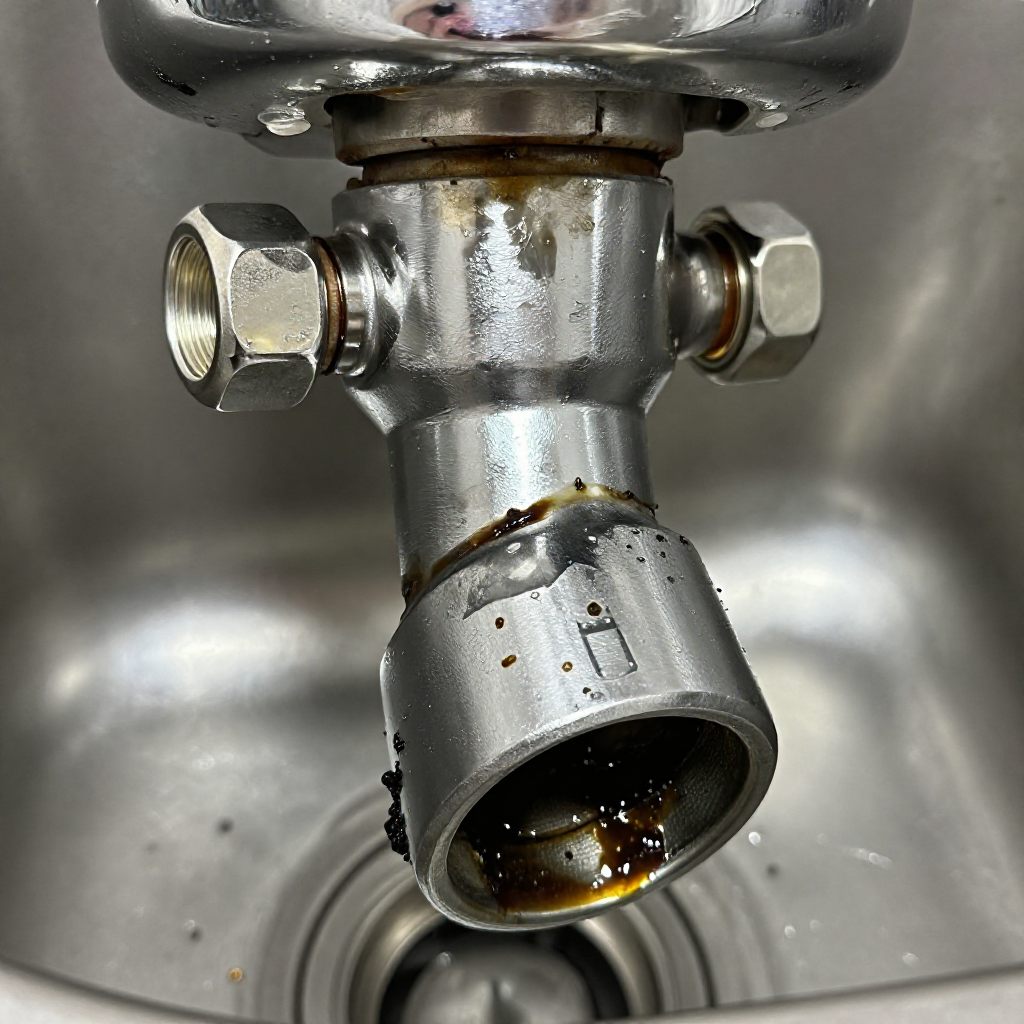
Disconnect the P-trap under the sinkPlace a bucket under the trap. Loosen both slip nuts by hand or with channel-lock pliers — wrap the jaws in a rag to avoid marring the chrome finish. Slide the nuts back and drop the trap section free. Expect foul water and compacted food sludge to pour out; let it drain completely before proceeding.
2
Clear the discharge elbow at the disposal outlet
Clear the discharge elbow at the disposal outletThe elbow that connects the disposal outlet to the drain pipe is where the plug usually lives. Use a wooden dowel or the handle of a wooden spoon to scrape and break up the compacted sludge inside — do not use metal tools that can gouge the plastic fitting. Flush with hot water from a kettle once you feel the obstruction break free.
3
Reassemble and flush with boiling water
Reassemble and flush with boiling waterReattach the P-trap, tighten slip nuts hand-tight plus a quarter turn with pliers, and fill both sink basins with a few inches of hot water. Pull the stopper and run the disposal in short bursts while the hot water flows through. Listen for smooth operation — grinding or rattling means debris is still in the chamber.
4
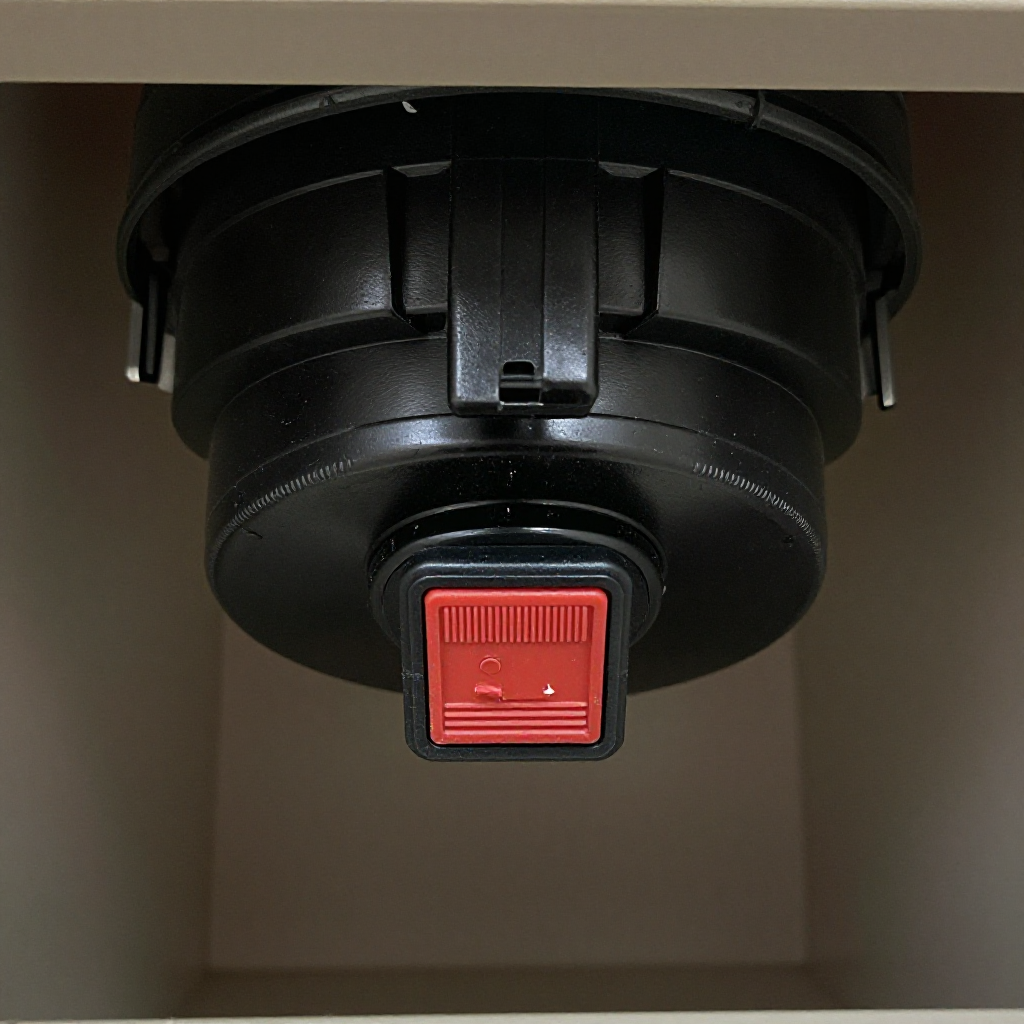
Reset the disposal overload button if it tripped
Reset the disposal overload button if it trippedIf the disposal hums but won't spin after clearing, press the red reset button on the bottom of the unit. You'll feel a distinct click when it resets. Also check that the flywheel turns freely by inserting a hex wrench into the center socket on the bottom and working it back and forth.

autorenew4. If That Doesn't Work

Try the next recovery options.

plumbing
Snake the branch drain lineIf the trap and elbow are clear but water still won't drain, the blockage is farther down the branch line. Feed a 1/4-inch hand snake into the drain stub-out in the wall and work it past the tee.
chevron_right
handyman
Remove and deep-clean the disposal unitIf sludge has packed into the grinding chamber itself, disconnect the disposal from the sink flange and scoop out the chamber with a spoon or wooden spatula. Rinse thoroughly before reinstalling.
chevron_right
plumbing
Check the air gap or dishwasher inletA clogged air gap or dishwasher drain hose connection can create back pressure that mimics a disposal clog. Clean the air gap cap and verify the drain hose loop is secured high under the counter.
chevron_right

Frequently Asked Questions

Why does my garbage disposal drain clog even when I run water?expand_more
Running water helps but won't prevent clogs from starchy items like potato peels and rice. These expand into a paste that water alone can't carry through the trap.
Can I use Drano or Liquid Plumr in a garbage disposal drain?expand_more
No. Chemical drain openers generate heat and pressure that can blow back through the disposal flange or corrode the rubber seals and plastic housing inside the unit.
My disposal hums but the flywheel won't turn — is it burned out?expand_more
Not necessarily. First press the red reset button on the bottom. Then use the hex wrench in the center socket to manually free the flywheel. If it still hums without spinning after that, the motor windings may be shot.
What foods should I never put down a garbage disposal?expand_more
Potato peels, rice, pasta, coffee grounds, eggshells, celery, banana peels, and grease. All of these either swell into paste, coat the blades, or pack tight enough to stop the drain solid.

warning5. Stop DIY If

Don't continue if any of these apply.

reportWater has backed up into the dishwasher or is leaking from the disposal body onto the cabinet floor.
reportThe disposal motor smokes, sparks, or emits a burning smell when you attempt to reset it.
reportSewage smell persists after clearing and the drain line may have a belly or crack in the wall.
reportThe blockage won't budge with hand tools and you're considering drain chemicals — call a plumber instead.
Still stuck?Get personalized help with AI Recovery.

Related Recovery Problems

View all arrow_forward

Same Device Recovery States

Device index arrow_forward

Similar Failure Pattern

This page provides general DIY guidance.
If you're unsure, it's always best to consult a professional.