STUCKFIX
handymanDIY Friendly
build

Why is my door sticking and hard to close during humid weather?

Wood doors swell in humid weather, causing them to rub against the frame. Find out how to locate the sticking point and fix it without replacing the door.

Category:Doors & Windows
Difficulty:Moderate
Time:45 min
Success:50%
Updated:Jun 27, 2026

quick_referenceQuick Answer

For Why is my door sticking and hard to close during humid weather?, start with "Identify the sticking point": Close the door slowly and feel where it binds. Look for paint transfer or shiny spots on the door edge or jamb — these indicate the contact area. Stop DIY if the door is sticking at the top and bottom (frame may be out of square). This is listed as a moderate recovery and usually takes about 45 min.

verifiedGuide Snapshot

Repair areaDoors & Windows
Estimated time45 min
DifficultyModerate
Stop conditions3

Last updated Jun 27, 2026. Review the stop conditions before continuing.

account_treeRecovery State

DeviceDoor
Current stateBinding Door
Specific stateSwollen Wood
Failed stepWood Swelling
Likely failure typeMisalignment
DIY boundaryDIY recovery first
paymentsCost decision

help1. Understand the Problem

Wood is hygroscopic — it absorbs moisture from humid air and expands. When a door swells, it binds against the jamb or latch plate, making it hard to close. This is common in summer or after rain. The fix involves finding the tight spot and removing just enough material to restore clearance.

build_circle2. Try This First
Best First Step
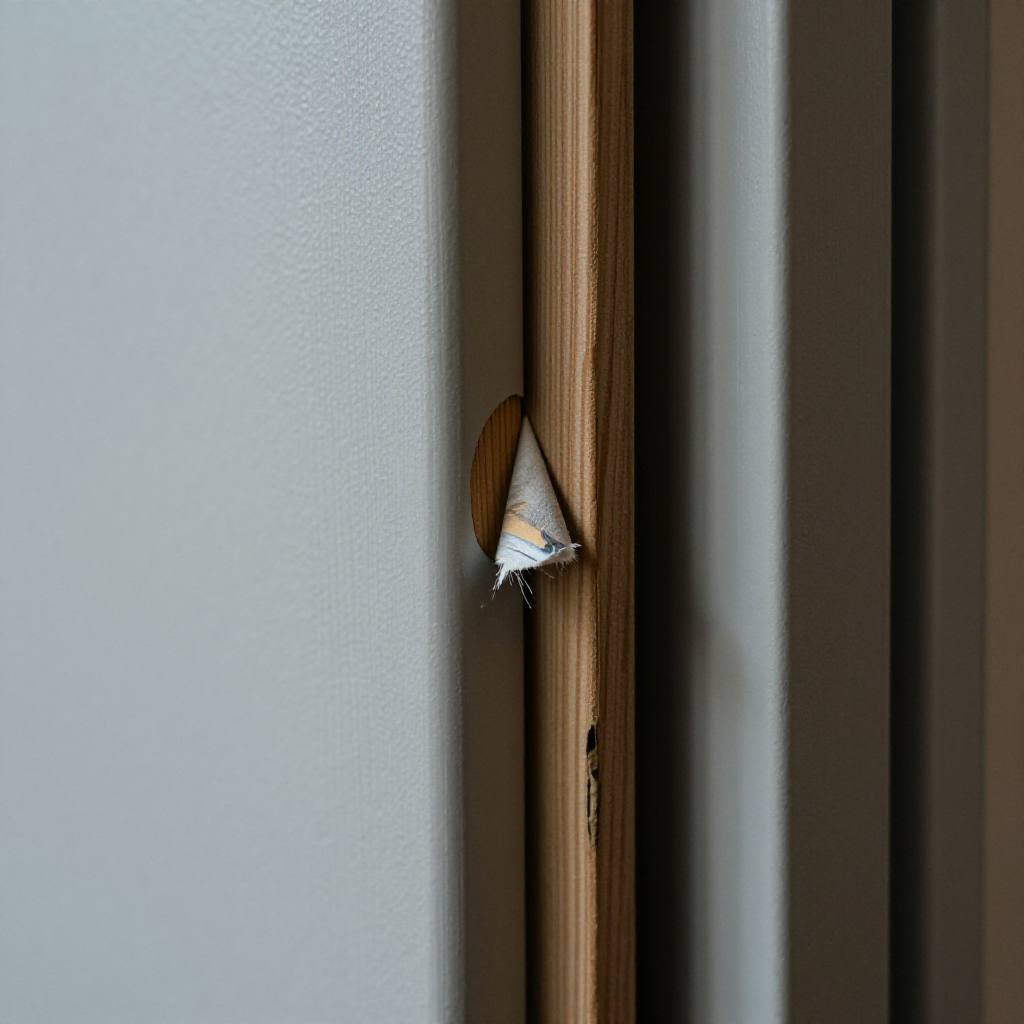
Identify the sticking point

Identify the sticking point

Close the door slowly and feel where it binds. Look for paint transfer or shiny spots on the door edge or jamb — these indicate the contact area.

visibility3. Visual Guidance

See what's happening and how to try the first recovery step.
1
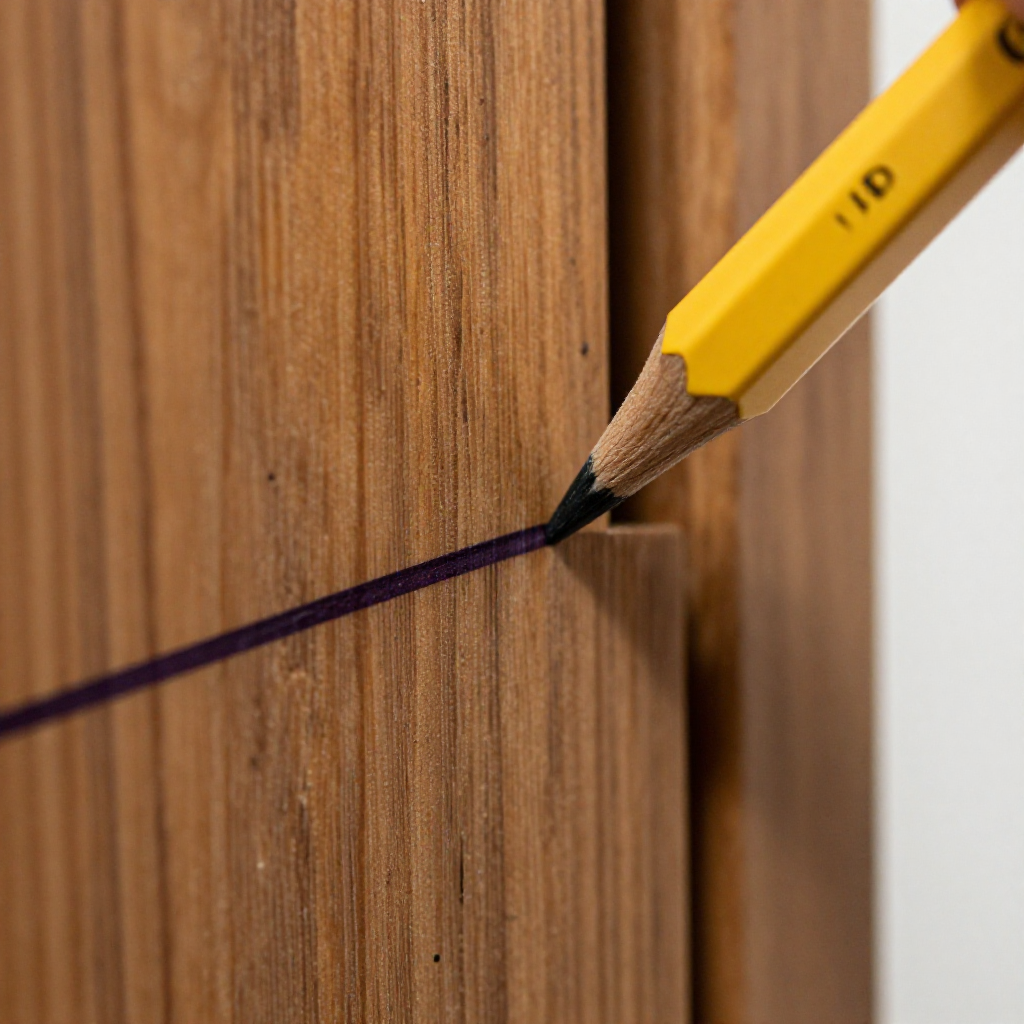
Mark the tight area
Mark the tight areaUse a pencil to trace the outline of the rubbing area on the door edge. This is where you'll sand or plane.
2
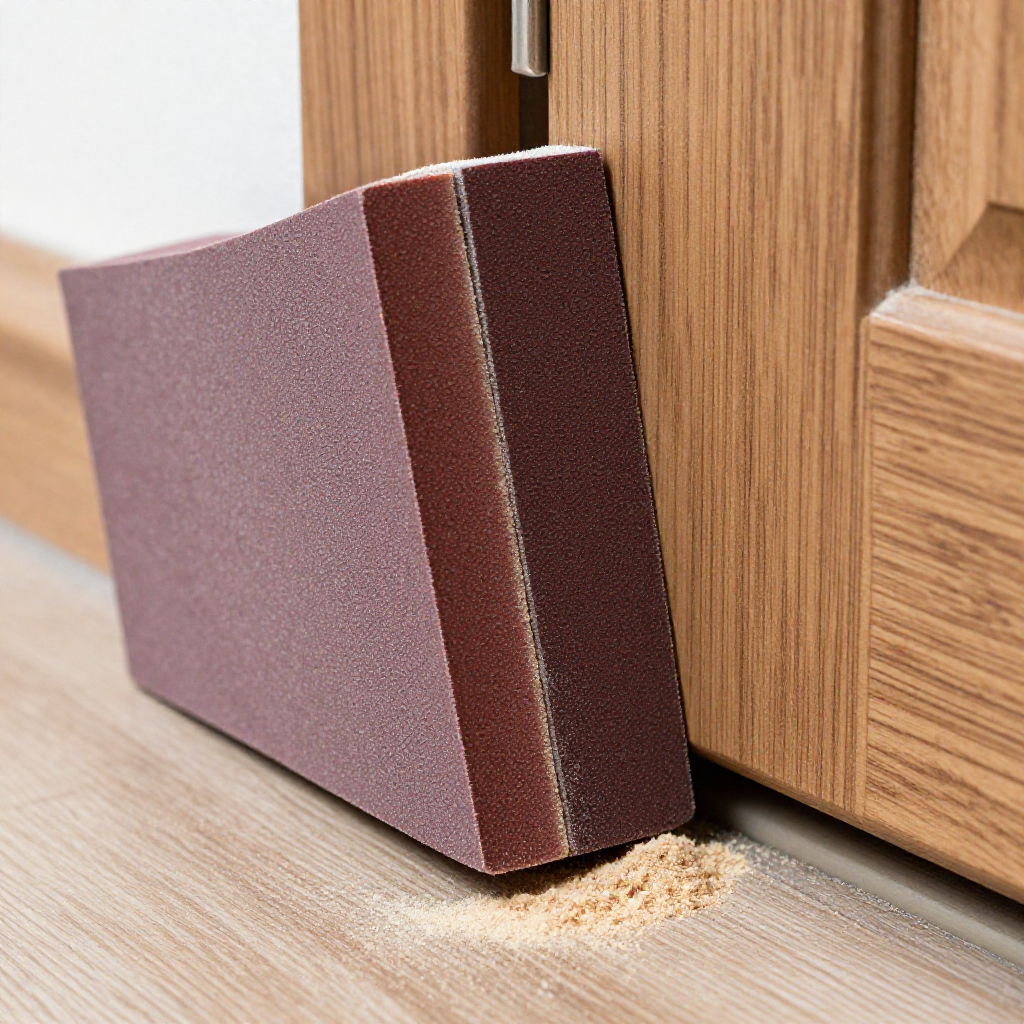
Sand the binding edge
Sand the binding edgeUsing 80-grit sandpaper on a sanding block, sand the marked area until the door closes freely. Sand in the direction of the wood grain.
3
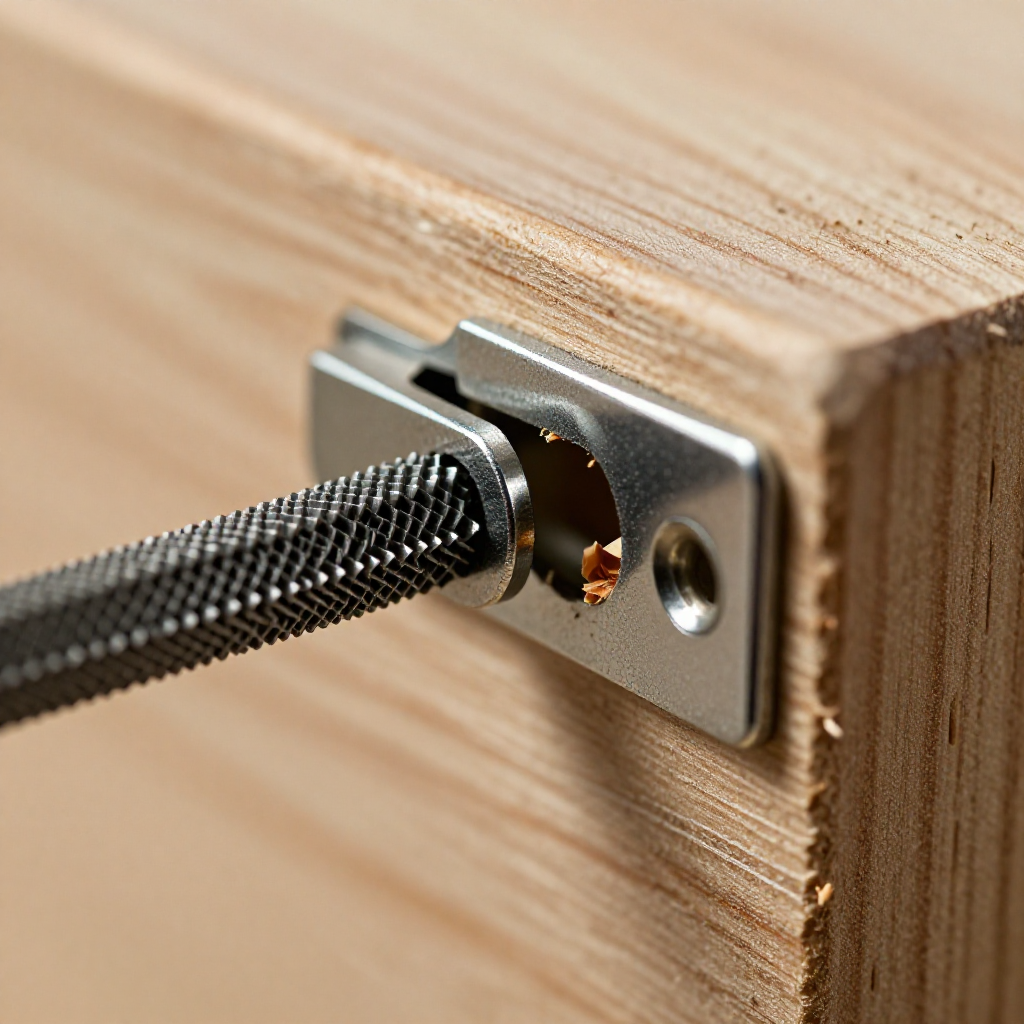
Check the latch alignment
Check the latch alignmentIf the door still sticks, remove the strike plate and file the hole slightly larger in the direction of the bind.
4
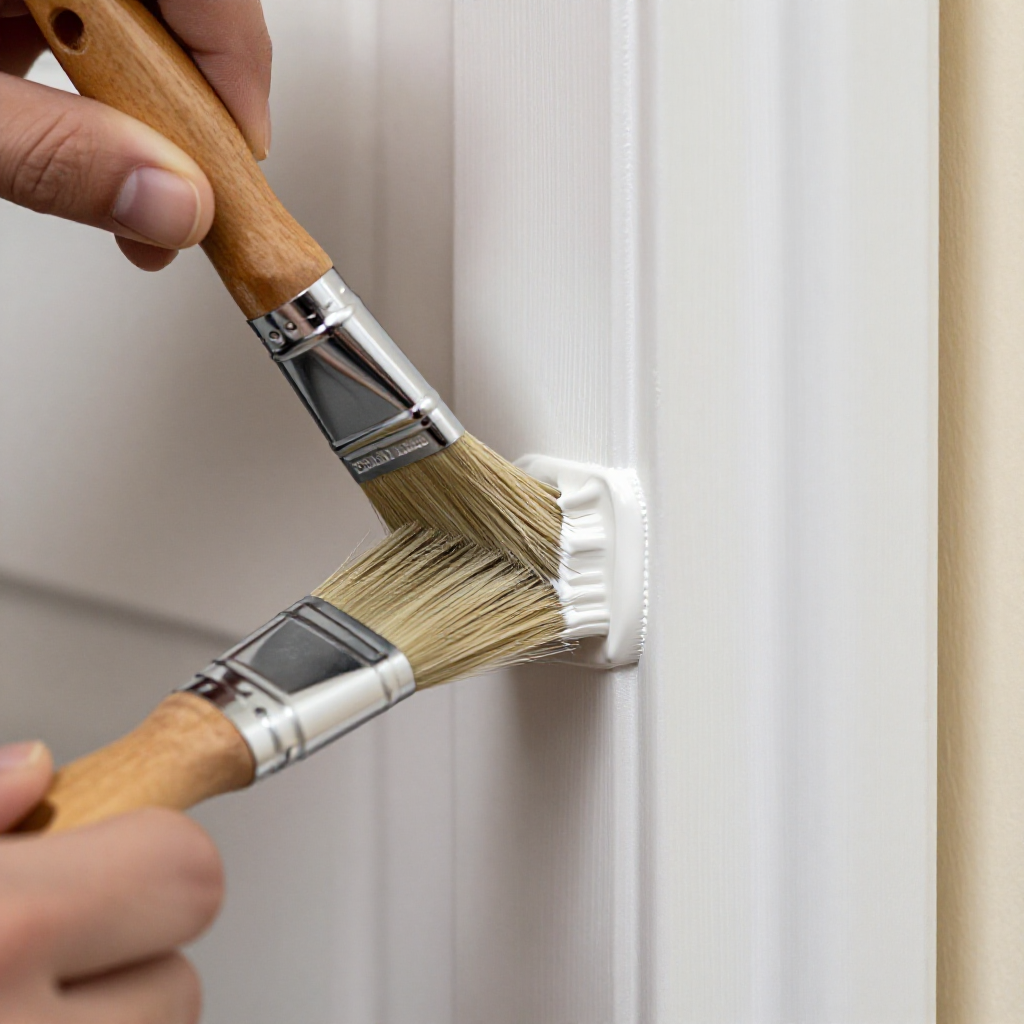
Seal the bare wood
Seal the bare woodAfter sanding, apply a thin coat of primer and paint or polyurethane to the exposed wood to prevent moisture absorption.

autorenew4. If That Doesn't Work

Try the next recovery options.

Adjust the hinge screwsTighten or replace hinge screws with longer ones to pull the door away from the jamb.
chevron_right
Install a dehumidifier near the doorReduce indoor humidity to prevent future swelling. Aim for 40-50% relative humidity.
chevron_right

Frequently Asked Questions

Will the door shrink back when humidity drops?expand_more
Usually yes — but repeated swelling and shrinking can crack the paint. Sanding and sealing prevents permanent damage.
How much should I sand off?expand_more
Start with 1/16 inch (about 1.5 mm). Sand a little, test the door, and repeat until it closes without force.
Can I use a plane instead of sandpaper?expand_more
Yes — a hand plane is faster for larger amounts. Set it for a very shallow cut and work from the edge inward.
What if the door still sticks after sanding?expand_more
Check if the hinges are loose or if the door frame is out of square. You may need to shim the hinges or call a carpenter.

warning5. Stop DIY If

Don't continue if any of these apply.

reportThe door is sticking at the top and bottom (frame may be out of square)
reportYou see cracks in the door itself from previous moisture damage
reportThe door is hollow-core and you sand through the outer veneer
Still stuck?Get personalized help with AI Recovery.

Same Device Recovery States

Device index arrow_forward

Similar Failure Pattern

This page provides general DIY guidance.
If you're unsure, it's always best to consult a professional.